
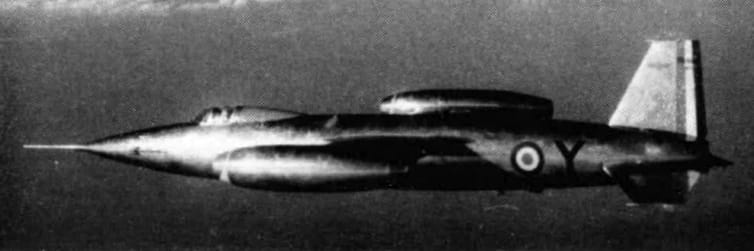
A metà degli anni Cinquanta, un sottilissimo aereo francese con motori a reazione posizionati sulle estremità alari e un motore a razzo nella fusoliera si fece strada verso i confini dello spazio, raggiungendo quasi il doppio della velocità del suono e stabilendo record di velocità di salita per un jet. E poi la Francia fece qualcosa di strano: non lo disse quasi a nessuno.
Il Trident della SNCASO fu uno degli intercettori più audaci e meno conosciuti della Guerra Fredda: una macchina che combinava la potenza di un razzo e di un motore a reazione per raggiungere altitudini e velocità tali da far impallidire aerei di dimensioni doppie. Avrebbe dovuto essere un trionfo nazionale. Invece, i suoi maggiori successi furono silenziosamente dimenticati per non oscurare l'aereo che l'Aeronautica francese aveva già scelto: il Dassault Mirage.
La sua storia è fatta di prestazioni straordinarie, di un carburante terrificante e di una morte che ha contribuito a sigillarne il destino.
• Aeromobili: SNCASO SO.9000 / SO.9050 Trident — Intercettore francese a potenza mista
• Energia: un motore a razzo SEPR nella fusoliera più due turboreattori montati sulle estremità alari
• Primo volo: 2 marzo 1953, il pilota collaudatore Jacques Guignard, da solo sui jet
• Prestazione: ha raggiunto quasi Mach 2 e ha stabilito record mondiali di velocità di salita
• Carburante: una miscela volatile di furalina e acido nitrico: pericolosa e, in definitiva, mortale
• Incidente mortale: Il 21 maggio 1957, un Trident esplose in volo, uccidendo il pilota collaudatore Charles Goujon.
• Destino: cancellato nel 1957; l'aeronautica militare scelse il Dassault Mirage III — ne furono costruiti solo una dozzina circa
La rinascita della Francia nel dopoguerra
Il Trident nacque dall'ambizione e dall'ansia. L'aviazione francese era stata strangolata dall'occupazione e, dopo la guerra, il paese era disperatamente intenzionato sia a rilanciare la propria industria aeronautica sia a difendere le proprie città da una nuova minaccia: i bombardieri sovietici ad alta quota dotati di armi nucleari. Ciò che serviva era un intercettore che potesse decollare rapidamente e raggiungere la quota desiderata in pochi minuti. Impressionata dal caccia a razzo tedesco Me 163 del periodo bellico, ma diffidente nei confronti della sola propulsione a razzo, l'Aeronautica francese richiese un ibrido: in parte razzo, in parte jet.
Un razzo nella pancia, propulsori a reazione sulle estremità alari
La soluzione proposta da SNCASO fu tanto elegante quanto insolita. La fusoliera era lunga, snella e aerodinamica, con un singolo sedile posizionato in basso. Un motore a razzo SEPR era alloggiato all'interno della fusoliera per spingere l'aereo verso il cielo, mentre due piccoli turboreattori erano imbullonati alle estremità alari per il volo ordinario. Il razzo bruciava una miscela di furalina e acido nitrico, propellenti scelti in parte perché non necessitavano di un'accensione separata, ma che erano difficili da maneggiare.
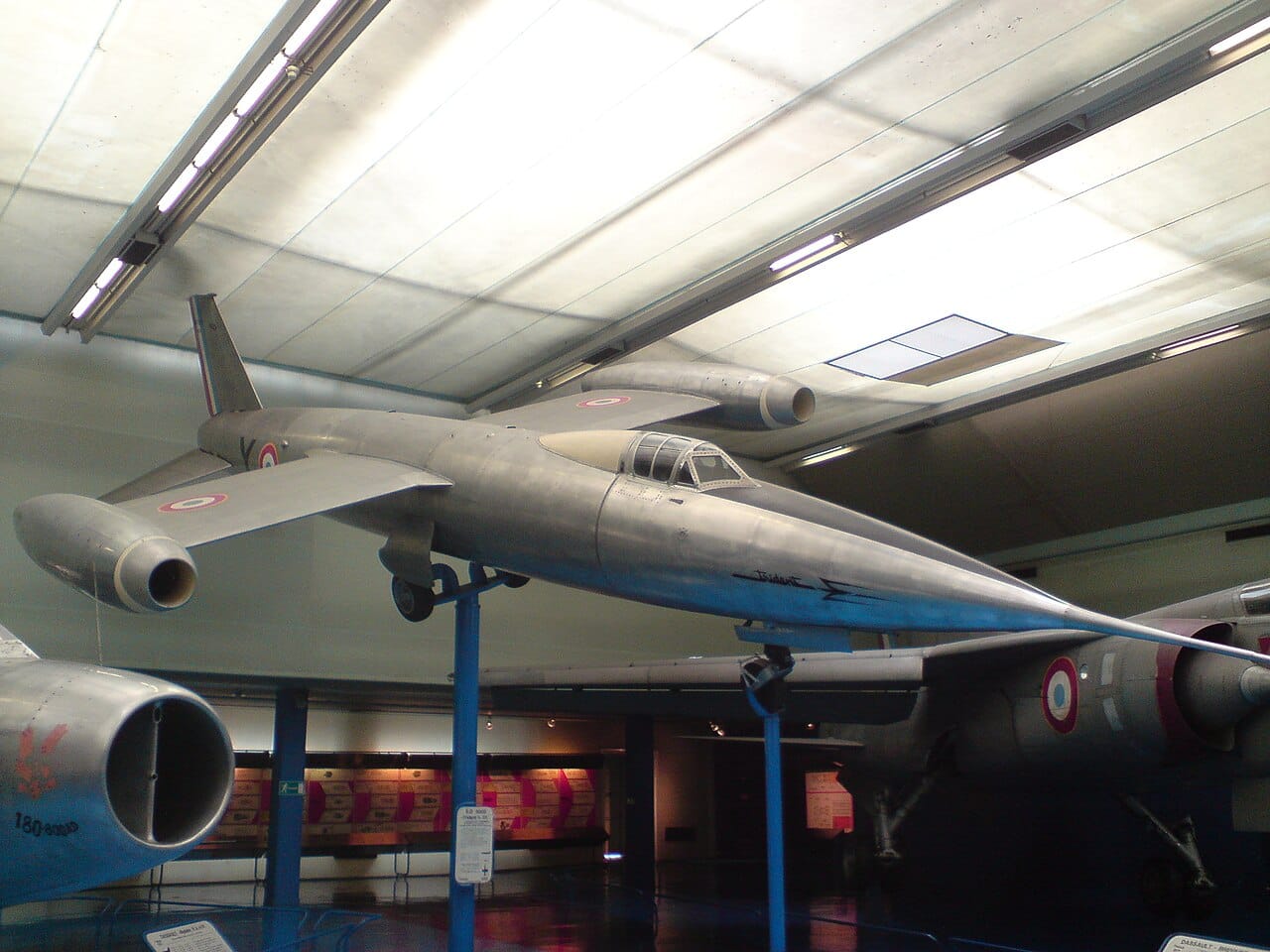
Incredibilmente veloce e pericoloso da pilotare.
Il 2 marzo 1953, il pilota collaudatore Jacques Guignard portò in volo il primo Trident, utilizzando l'intera pista per decollare affidandosi unicamente ai deboli motori a reazione alle estremità alari. Una volta acceso il razzo, però, il piccolo velivolo si trasformò, raggiungendo infine Mach 2. Ma il carburante volatile che gli conferiva tali prestazioni lo rendeva anche letale. Il 21 maggio 1957, durante le prove per un'esibizione al Salone Internazionale dell'Aeronautica e dello Spazio di Parigi, un Trident esplose in volo; gli investigatori conclusero che la furalina e l'acido nitrico si erano mischiati e avevano provocato una reazione a catena, uccidendo il pilota collaudatore Charles Goujon.
I dischi di cui nessuno aveva il permesso di sentire parlare
Anche dopo quella tragedia, il Trident II migliorato continuò a stupire chiunque lo vedesse volare. Raggiunse quasi Mach 2 e, nel 1958, stabilì il record per la salita più veloce mai registrata da un aereo a reazione, sfrecciando verso altitudini che pochi aerei contemporanei potevano raggiungere. Era esattamente il tipo di risultato che una nazione sbandiera al mondo. La Francia fece l'opposto, perché a quel punto l'Aeronautica Militare si era già impegnata con il Dassault Mirage III, e lodare a gran voce un progetto rivale avrebbe solo causato imbarazzo.
Sconfitto dal Miraggio
L'aeronautica francese ordinò per un breve periodo alcuni esemplari di Trident, per poi cancellare l'ordine a causa dei tagli al bilancio. Un volo dimostrativo da record fu effettuato per riconquistare l'entusiasmo ufficiale, ma lo sforzo si rivelò inutile.
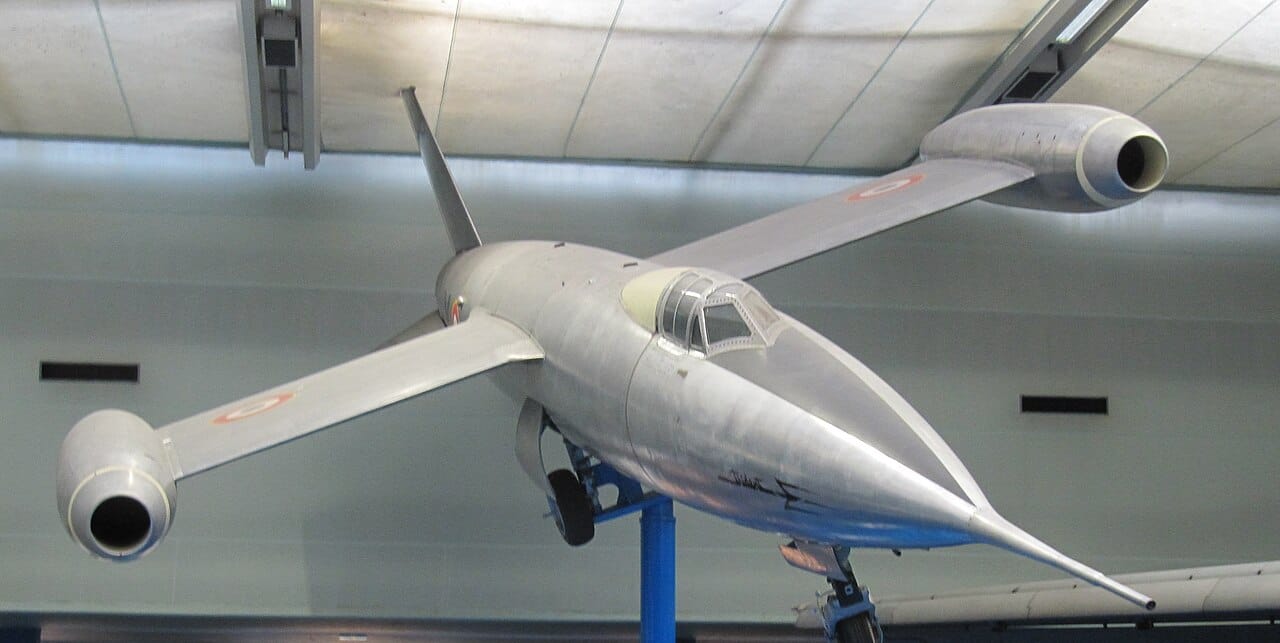
Il Mirage era più semplice, più economico e più facile da mantenere, e sarebbe diventato uno dei caccia di maggior successo della storia. Il Trident, nonostante la sua genialità, fu smantellato per ricavarne pezzi di ricambio, e un singolo esemplare sopravvissuto fu inviato a un museo. Rimane uno degli intercettori più veloci e spettacolari della sua epoca, e uno di quelli di cui la maggior parte del mondo non ha mai nemmeno saputo dell'esistenza.
Fonti: PlaneHistoria (Guy Davey); Wikipedia (SNCASO Trident); Military Factory. I dati relativi a velocità e altitudine variano a seconda della fonte e sono riportati così come sono stati rilevati.
Domande correlate
Cos'era il Tridente SNCASO?
Il SNCASO Trident (SO.9000 / SO.9050) era un intercettore francese a propulsione mista degli anni '50 che combinava un motore a razzo SEPR nella fusoliera con due piccoli turboreattori montati sulle estremità alari. Raggiungeva velocità prossime a Mach 2 e stabilì record mondiali di salita, ma la Francia ne cancellò il progetto nel 1957 dopo che ne erano stati costruiti solo una dozzina circa.
Quanto era veloce il Trident SNCASO?
Il Trident raggiunse quasi Mach 2, quasi il doppio della velocità del suono, un risultato straordinario per un aereo degli anni '50. Nel 1958, la versione migliorata, il Trident II, stabilì un record mondiale per la salita più veloce mai registrata da un aereo a reazione, raggiungendo altitudini che pochi aerei contemporanei potevano eguagliare. La Francia, tuttavia, tenne segreti questi successi per evitare di mettere in imbarazzo il Mirage III.
Perché il Trident aveva motori a reazione sulle estremità delle ali?
Il montaggio dei due piccoli turboreattori sulle estremità alari permise di lasciare libera la snella fusoliera del Trident per il motore a razzo SEPR e i suoi propellenti. I turboreattori si occupavano del volo ordinario, del decollo e dell'atterraggio, mentre il razzo nella parte inferiore della fusoliera spingeva l'aereo verso l'altitudine. I soli motori a reazione sulle estremità alari erano poco potenti: durante il suo primo volo, il Trident ebbe bisogno dell'intera pista per sollevarsi da terra.
Che tipo di carburante utilizzava il motore a razzo Trident?
Il razzo SEPR del Trident utilizzava una miscela di furalina e acido nitrico, scelta in parte perché i propellenti si incendiavano al contatto e non necessitavano di un sistema di accensione separato. La combinazione era pericolosa da produrre e difficile da maneggiare, e si rivelò infine letale quando i propellenti si mescolarono ed esplosero in volo nel 1957.
Perché il programma SNCASO Trident è stato cancellato?
La Francia cancellò il Trident nel 1957 perché l'aeronautica militare si era già impegnata a Dassault Mirage III, e i tagli al budget uccisero il piccolo ordine di produzione. Persino i voli dimostrativi da record non riuscirono a riconquistare l'entusiasmo ufficiale, un destino simile a quello del jet supersonico che la Gran Bretagna ha buttato via dieci anni prima.
Che fine ha fatto Charles Goujon, pilota collaudatore del programma Trident?
Charles Goujon perse la vita il 21 maggio 1957 quando il suo Trident esplose in volo durante le prove per un'esibizione al Salone Internazionale dell'Aeronautica e dello Spazio di Parigi. Gli investigatori conclusero che i propellenti a base di furalina e acido nitrico del razzo si erano mischiati provocando l'esplosione. La tragedia contribuì a segnare il destino del programma spaziale più tardi quello stesso anno.
Che cos'è un intercettore a potenza mista?
Un intercettore a propulsione mista combina un motore a razzo per prestazioni di salita fulminee con motori a reazione per il volo e l'atterraggio ordinari. La Francia perseguì il concetto dopo essere rimasta colpita dal periodo bellico Messerschmitt Il Me 163 era un caccia a razzo, ma cauto nell'affidarsi esclusivamente alla propulsione a razzo: la soluzione del Trident fu un razzo nella parte inferiore della fusoliera e dei turboreattori alle estremità alari.
Quando ha effettuato il primo volo il Trident della SNCASO?
Il Trident effettuò il suo primo volo il 2 marzo 1953 con il pilota collaudatore Jacques Guignard ai comandi, utilizzando esclusivamente i turboreattori alle estremità alari. I motori, poco potenti, lo costrinsero a utilizzare l'intera pista per decollare, ma una volta acceso il razzo, il piccolo velivolo si trasformò, raggiungendo infine Mach 2.
Dove si può vedere oggi un Trident SNCASO?
L'unico Trident sopravvissuto è esposto al pubblico a Le Bourget, vicino a Parigi, sede del Museo francese dell'aeronautica e dello spazio. È l'ultimo esemplare rimasto di un programma che costruì solo una dozzina di velivoli prima della sua cancellazione nel 1957.
0 Commenti