
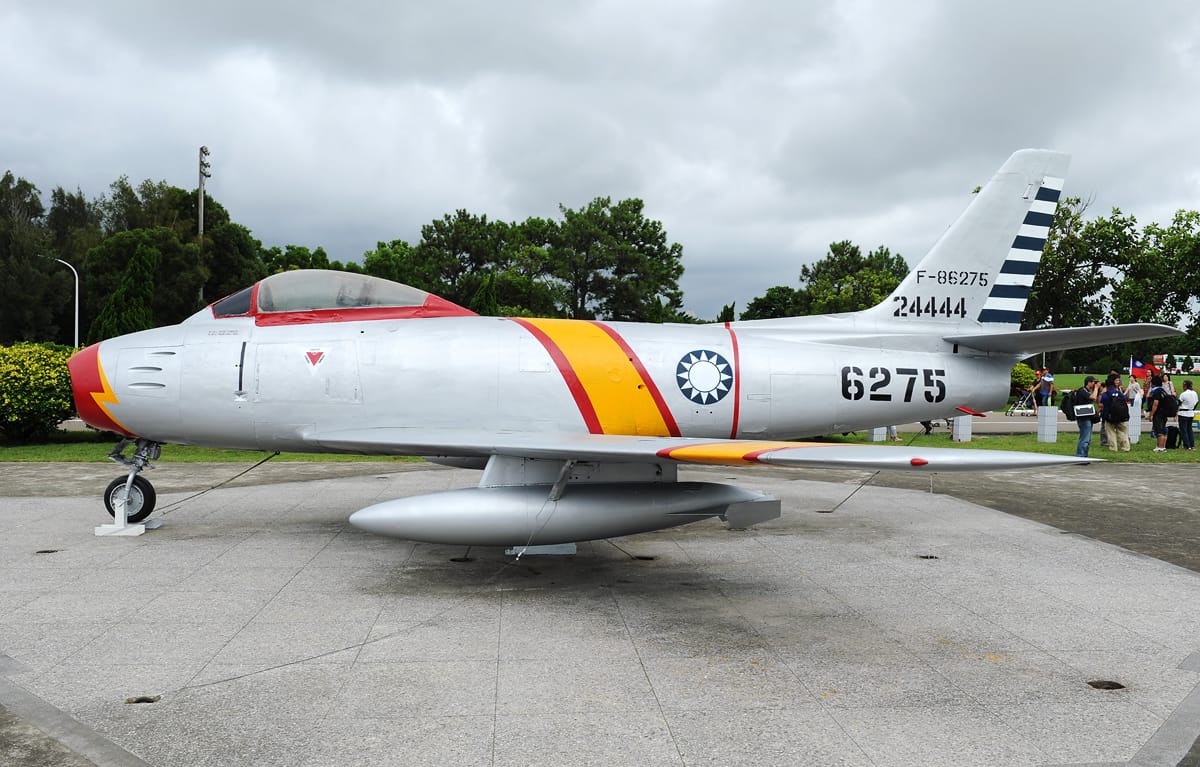
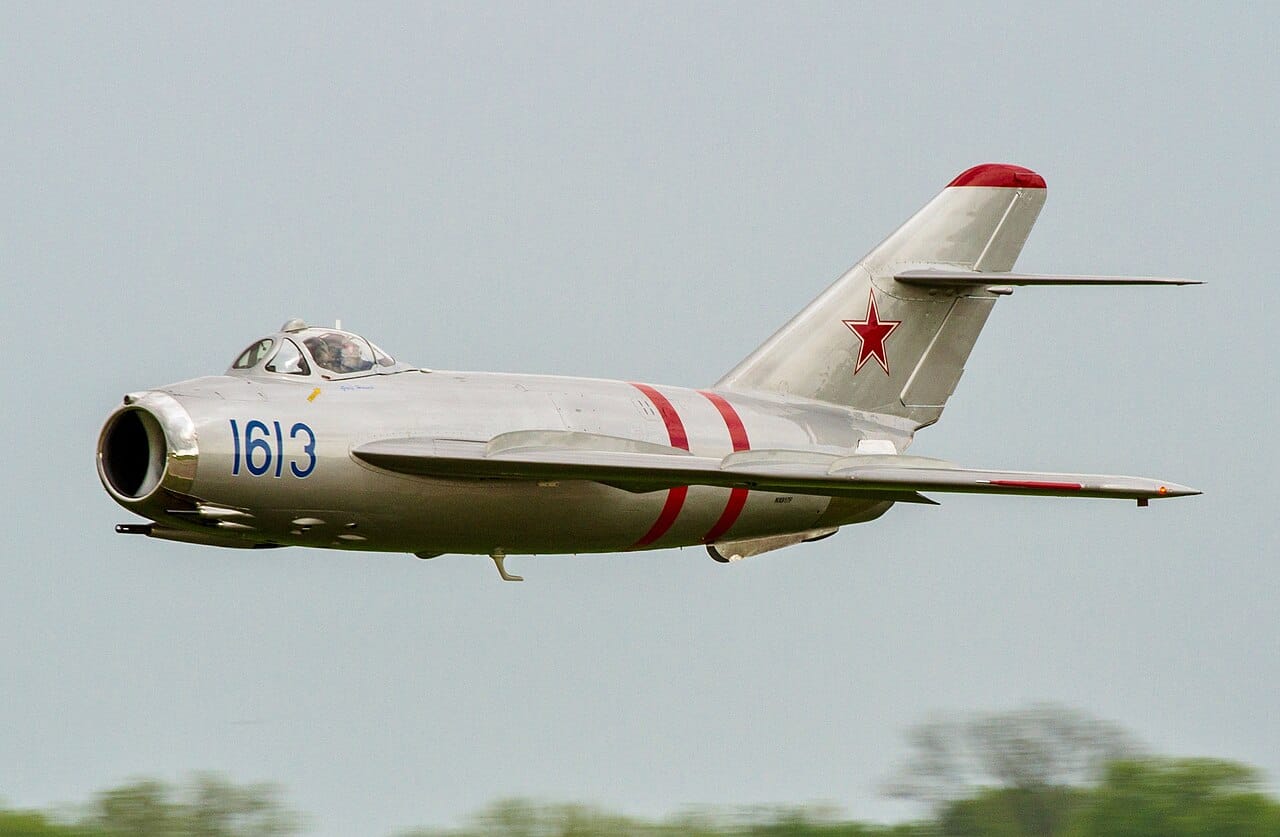
La mattina del 24 settembre 1958, un volo di nazionalisti cinesi F-86 Sabres stava salendo sopra lo Stretto di Taiwan quando una formazione di comunisti MiG-17 Sono scivolati via – un po' più in alto e, sulla carta, l'aereo migliore. Poi i Sabre hanno fatto qualcosa che nessun caccia aveva mai fatto in combattimento: hanno lanciato missili.
Sciando fumo bianco, i piccoli missili a ricerca di calore inseguirono i MiG durante le loro virate e detonarono. Nel giro di pochi minuti il mondo assistette alle prime vittorie aeree con missili guidati, e il combattimento aereo cambiò per sempre. L'arma era l'americano AIM-9 Sidewinder, e il suo debutto sullo stretto avrebbe avuto una risonanza che nessuno, in nessuna delle due cabine di pilotaggio, avrebbe potuto immaginare.
Perché pochi giorni dopo, uno di quei Sidewinder si è infilzato in un MiG-17 senza andare — e ha offerto all'Unione Sovietica una lezione magistrale gratuita sulla progettazione di missili.
• Evento: primo impiego in combattimento di missili guidati aria-aria
• Data e luogo: 24 settembre 1958, Stretto di Taiwan (Seconda crisi dello Stretto di Taiwan)
• Combattenti: F-86F Sabre della ROCAF con missili AIM-9B Sidewinder di fabbricazione statunitense contro MiG-17 della PLAAF.
• Risultato: Diversi MiG-17 abbattuti dai Sidewinder: le prime vittorie missilistiche della storia.
• Il colpo di scena: Il 28 settembre, una bomba Sidewinder inesplosa si incastrò in un MiG-17 e fu recuperata intatta.
• Eredità: sottoposto a ingegneria inversa per produrre il Vympel K-13 sovietico (NATO: AA-2 Atoll), in servizio dal 1960; PL-2 cinese
• Designer: William B. McLean, Stazione di collaudo degli armamenti navali statunitensi, China Lake — circa 24 parti mobili
Un piccolo serpente a buon mercato con un occhio caldo
Il Sidewinder era il progetto prediletto di William B. McLean, un fisico della stazione di collaudo della Marina di China Lake, nel deserto californiano. Mentre i team rivali costruivano missili grandi e complessi a guida radar, McLean perseguiva l'ideale opposto: un'arma che puntasse sul calore dei gas di scarico di un nemico, con pochissimi componenti soggetti a guasti. Il risultato era un sistema con appena una ventina di parti mobili e un generatore di gas al posto delle batterie. Era così semplice che gli scettici all'interno della Marina dubitavano persino della sua efficacia.
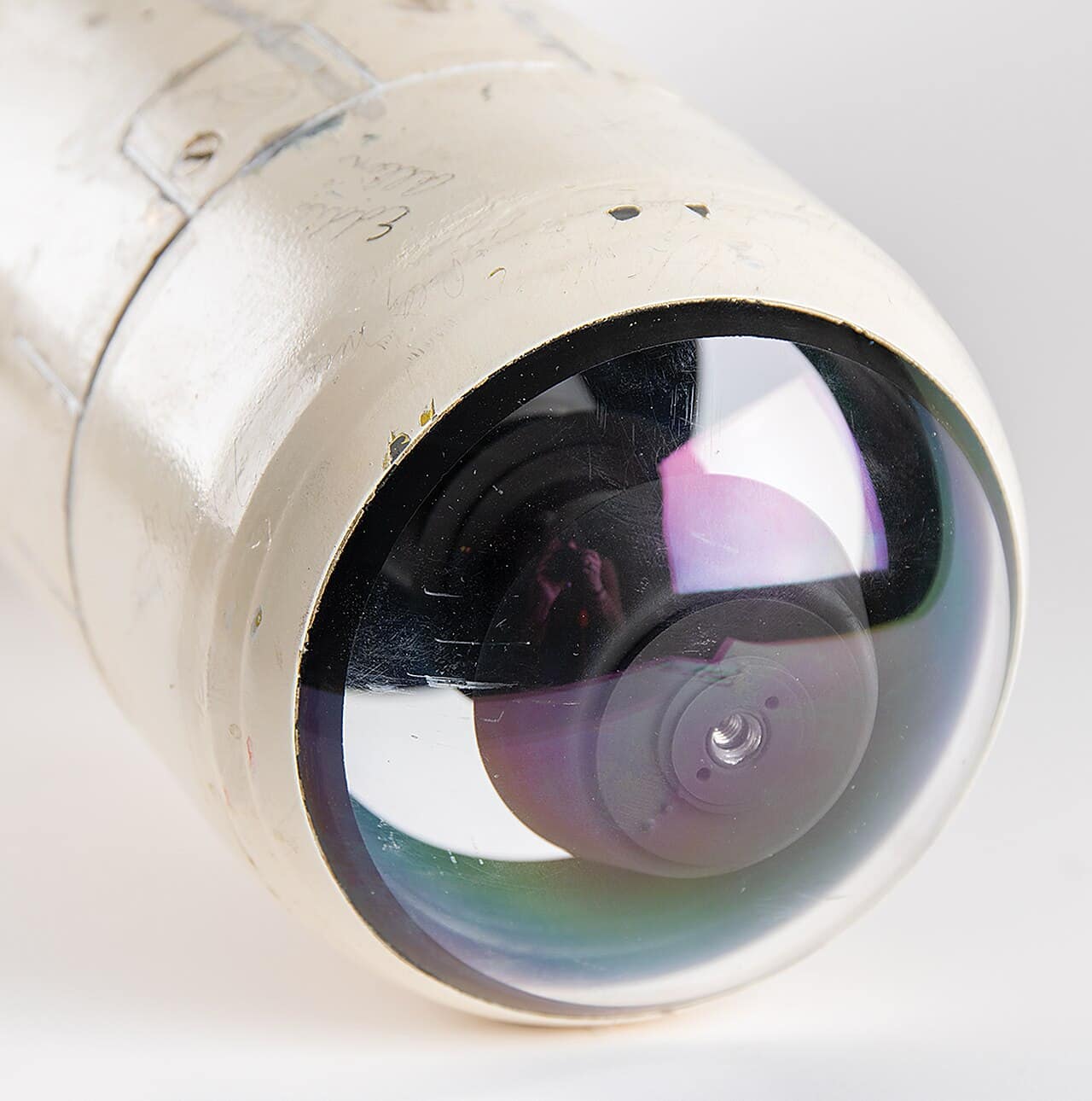
Le prime uccisioni dell'era missilistica
Quando nel 1958 scoppiò la seconda crisi dello Stretto di Taiwan, Washington inviò d'urgenza a Taiwan alcune decine di missili Sidewinder e una squadra statunitense per installarli sui Sabre dell'aeronautica sudcoreana. Il MiG-17 era in grado di superare in quota l'F-86, quindi i piloti nazionalisti avevano trascorso mesi a subire attacchi aerei. Il missile ribaltò la situazione. Il 24 settembre, i Sabre lasciarono passare i MiG e poi aprirono il fuoco: i missili a ricerca di calore li abbatterono. Fu la prima volta nella storia che un missile guidato distrusse un aereo in combattimento.
Il proiettile difettoso che ha armato il nemico
Poi arrivò il colpo di scena, nessun piano di pianificazione bellica. Il 28 settembre, in un altro scontro, un Sidewinder si schiantò contro un MiG-17 e semplicemente non è esploso. Il pilota cinese riuscì a riportare a casa il suo aereo con un missile americano attivo incastrato nella fusoliera. Le squadre di terra lo estrassero con cautela e, non appena Mosca seppe che la Cina possedeva un Sidewinder intatto, fece pressioni per impossessarsene.
In effetti, i sovietici ricevettero un progetto già completo. I loro ingegneri copiarono il sensore a infrarossi, il sistema di sterzo e di stabilizzazione e produssero il Vympel K-13 – nome in codice NATO AA-2 "Atoll" – che entrò in servizio intorno al 1960. La Cina costruì una propria versione, il PL-2. Per decenni, i MiG e le loro copie volarono in battaglia trasportando quasi dei cloni dello stesso missile che un tempo veniva lanciato contro di loro.
L'arma che non se n'è mai andata veramente
A distanza di oltre sessant'anni, il Sidewinder è ancora in prima linea nella sua ultima versione AIM-9X, e i suoi derivati sovietici e cinesi hanno continuato a operare per generazioni. Poche armi possono vantare di aver inaugurato un'intera era bellica fin dal loro primo giorno di impiego in combattimento, e ancor meno possono affermare di aver armato contemporaneamente entrambe le fazioni della Guerra Fredda. Tutto ebbe inizio con una manciata di missili Sidewinder economici, costruiti nel deserto e lanciati su una stretta striscia di mare contesa nel 1958.
Fonti: Wikipedia (AIM-9 Sidewinder; missile K-13; seconda crisi dello Stretto di Taiwan); The War Zone (TWZ); National Air and Space Museum; resoconti dell'epoca. Il numero di aerei abbattuti durante la crisi del 1958 varia a seconda delle fonti ed è riportato così come riportato.
Domande correlate
Quando è avvenuta la prima uccisione con un missile aria-aria nella storia?
Le prime vittorie aeree con missili guidati si verificarono il 24 settembre 1958 sullo Stretto di Taiwan, durante la seconda crisi dello Stretto di Taiwan. I caccia F-86F Sabre dell'aeronautica nazionalista cinese (ROCAF) lanciarono missili AIM-9B Sidewinder di fabbricazione statunitense contro i MiG-17 della Cina comunista, abbattendone diversi: fu la prima volta che un missile guidato distrusse un aereo in combattimento.
Cos'era il missile AIM-9 Sidewinder?
L'AIM-9 Sidewinder è un missile aria-aria a guida infrarossa (a ricerca di calore) di fabbricazione statunitense, sviluppato dal fisico William B. McLean presso la US Naval Ordnance Test Station di China Lake, in California. Progettato con una semplicità voluta – la prima versione dell'AIM-9B aveva circa una ventina di componenti mobili – ottenne i primi abbattimenti missilistici della storia nel 1958 ed è tuttora in servizio nella sua versione AIM-9X.
Come fece l'Unione Sovietica a procurarsi il missile Sidewinder?
Il 28 settembre 1958, durante gli scontri dello Stretto di Taiwan, un Sidewinder colpì un aereo cinese comunista MiG-17 ma non esplose. Il pilota tornò a casa con il missile attivo incastrato nella fusoliera, le squadre di terra lo recuperarono intatto e Mosca fece pressioni sulla Cina affinché restituisse il prezioso reperto, offrendo così agli ingegneri sovietici un esemplare completo e funzionante della nuova arma americana.
Che cos'era il missile sovietico K-13 (AA-2 Atoll)?
Il Vympel K-13, nome in codice NATO AA-2 Atoll, era una copia realizzata dall'Unione Sovietica tramite ingegneria inversa del missile americano AIM-9B Sidewinder. Costruito a partire da un Sidewinder inesploso recuperato da un MiG-17 nel 1958, ne copiava il sistema di ricerca a infrarossi, il sistema di sterzo e la stabilizzazione, ed entrò in servizio intorno al 1960. La Cina ne produsse una propria versione denominata PL-2.
Chi ha inventato il missile Sidewinder?
Il Sidewinder fu inventato da William B. McLean, un fisico della stazione di collaudo della Marina statunitense di China Lake, nel deserto della California. Mentre i team rivali costruivano missili a guida radar, grandi e complessi, McLean si dedicò alla realizzazione di un'arma a ricerca di calore economica e con pochissimi componenti soggetti a guasti: la sua filosofia progettuale era "semplice, affidabile ed economica".“
Perché gli F-86 Sabre trasportavano missili sopra lo Stretto di Taiwan nel 1958?
Quando la seconda crisi dello Stretto di Taiwan scoppiò nel 1958, i MiG-17 dell'Aeronautica militare cinese potevano superare in quota gli F-86F Sabre di Taiwan, quindi i piloti nazionalisti venivano continuamente abbattuti dall'alto. Washington inviò in fretta a Taiwan alcune dozzine di missili AIM-9B Sidewinder con una squadra statunitense per installarli, lasciando che i Sabre uccidessero dal basso: una storia che si è ripetuta per decenni. storia dell'aviazione militare.
Il missile Sidewinder è ancora in uso oggi?
Sì. Più di sessant'anni dopo il suo debutto in combattimento nel 1958, il Sidewinder rimane un armamento di prima linea nella sua ultima versione AIM-9X. Anche i suoi derivati sovietici e cinesi — il K-13/AA-2 Atoll e il PL-2 — sono stati in servizio per generazioni, il che significa che entrambe le parti della Guerra Fredda hanno utilizzato missili derivati dallo stesso progetto China Lake, mentre i piloti statunitensi imparavano a pilotarli. MiG catturati in segreto.
Che cos'è stata la seconda crisi dello Stretto di Taiwan?
La seconda crisi dello Stretto di Taiwan fu uno scontro del 1958 tra la Cina comunista (RPC) e la Cina nazionalista (Taiwan/ROC), sostenuta dagli Stati Uniti, per il controllo dello Stretto di Taiwan e delle isole al suo interno. Le battaglie aeree tra gli F-86 Sabre della ROCAF e i MiG-17 della PLAAF produssero i primi abbattimenti di missili guidati aria-aria al mondo nel settembre del 1958.
0 Commenti