
In una mattina di primavera del 1983, il pilota israeliano Zivi Nedivi era impegnato in un combattimento aereo quando un A-4 Skyhawk apparve alle sue sei. La collisione che ne seguì avrebbe dovuto essere fatale. Invece, è diventata la storia di sopravvivenza più incredibile della storia dell'aviazione.
L'ala destra dell'F-15D Eagle di Nedivi fu tranciata di netto a soli sessanta centimetri dalla fusoliera, staccata di netto dall'impatto con lo Skyhawk. L'altro pilota si eiettò in sicurezza, ma Nedivi si trovò di fronte a un incubo: un caccia supersonico fuori controllo, con il navigatore Yehoar Gal che urlava nel sedile posteriore.
La maggior parte dei piloti avrebbe azionato la maniglia di eiezione. Nedivi spinse le manette al massimo con il postbruciatore.
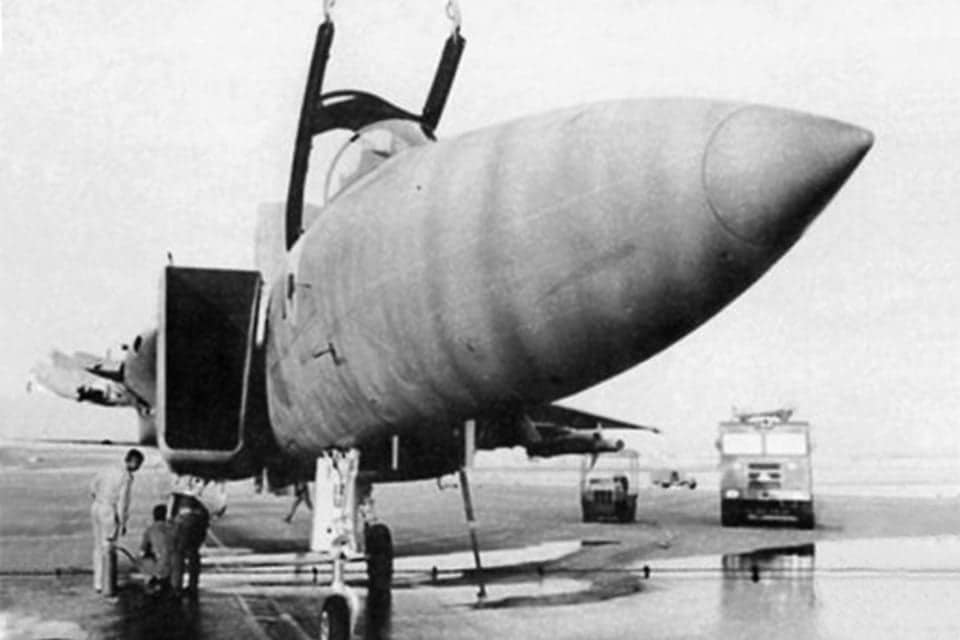
La fisica dell'impossibile
Ciò che ha salvato Nedivi non è stata la fortuna. È stata l'aerodinamica. L'F-15 Eagle, nonostante la sua reputazione di caccia da combattimento ravvicinato, è fondamentalmente un corpo portante: un fatto che fino a quel momento sarebbe stato solo un dettaglio insignificante.
Senza l'ala destra, l'ampia e piatta fusoliera dell'F-15 divenne la sua salvezza. Ad alta velocità e con la spinta massima del postbruciatore, la fusoliera stessa generava portanza sufficiente a mantenere l'aereo in volo. L'ala sinistra rimasta, combinata con gli stabilizzatori e l'enorme spinta dei motori, forniva un controllo sufficiente a mantenere stabile il jet. In sostanza, Nedivi pilotava un razzo che per caso assomigliava a un caccia.
Il pilota israeliano prese una decisione in una frazione di secondo: dirigersi verso la base aerea di Ramon, a 16 chilometri di distanza. Non poteva permettersi di salire di quota o di effettuare manovre aggressive. Qualsiasi tentativo di manovra brusca avrebbe fatto precipitare il jet danneggiato.
Dieci miglia su un'ala
Nedivi volò al doppio della normale velocità di atterraggio: una scommessa pericolosa che avrebbe potuto riportarlo a casa o distruggere quel che restava del suo aereo. Ogni secondo sembrava un'ora. Ogni raffica di vento, una potenziale minaccia mortale. La cloche richiedeva una pressione costante; perdere la concentrazione anche solo per un istante avrebbe significato il disastro.
Quando la base aerea di Ramon apparve all'orizzonte, Nedivi capì di avere una sola possibilità. Non poteva riattaccare. Non poteva abortire l'atterraggio e risalire in quota. Quello era l'atterraggio.
Atterrò a 300 nodi, quasi il doppio della velocità normale, e l'F-15 sfrecciò lungo la pista. Il gancio d'arresto si staccò completamente. La fusoliera gemette sotto forze che non era mai stata progettata per sopportare. Solo l'attrito fermò l'aereo a soli sei metri dalla fine della pista, sollevando una nuvola di polvere e detriti.
Il relitto che se n'è andato
Il personale di terra trovò i danni inimmaginabili. Un'intera ala, sparita. Eppure Nedivi e Gal riuscirono a uscire dall'abitacolo, vivi e illesi. Gli ingegneri non credettero al racconto del pilota finché non videro il relitto. L'ala mancante era appesa in un hangar della base aerea di Ramat David; la storia era talmente inverosimile, le prove fin troppo evidenti.
L'F-15, numero di coda 957 e con il nome ebraico di Markia Schakim (Pilota del Cielo), fu infine riparato e rimesso in servizio. Divenne la testimonianza sia dello straordinario design dell'F-15 sia del gelido coraggio di un uomo di fronte alla pressione estrema.
Il volo di Nedivi dimostrò ciò che i piloti collaudatori avevano solo teorizzato: l'F-15 Eagle, con la sua fusoliera cavernosa e la fenomenale potenza del motore, poteva sfidare le leggi più fondamentali dell'aviazione da combattimento. Ma ci vollero una collisione in volo, un'ala tranciata e nervi d'acciaio per dimostrarlo.
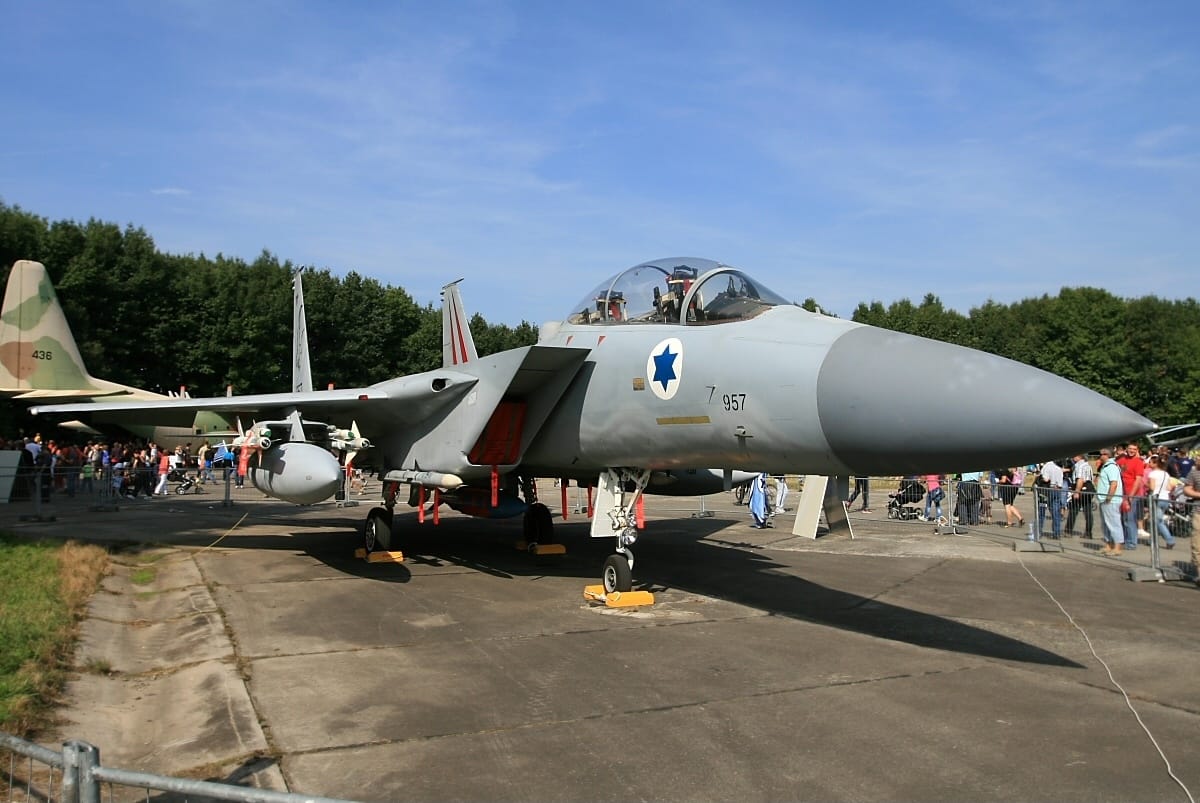
Un progetto concepito per l'impossibile
L'eccessiva spinta dei motori e i principi di portanza dell'F-15, caratteristiche normalmente associate ai prototipi dello Space Shuttle e non ai caccia, si rivelarono gli improbabili protagonisti di questa storia. L'aereo, progettato per il dominio aereo sui jet sovietici nei cieli d'Europa, dimostrò il suo valore nelle circostanze più catastrofiche immaginabili.
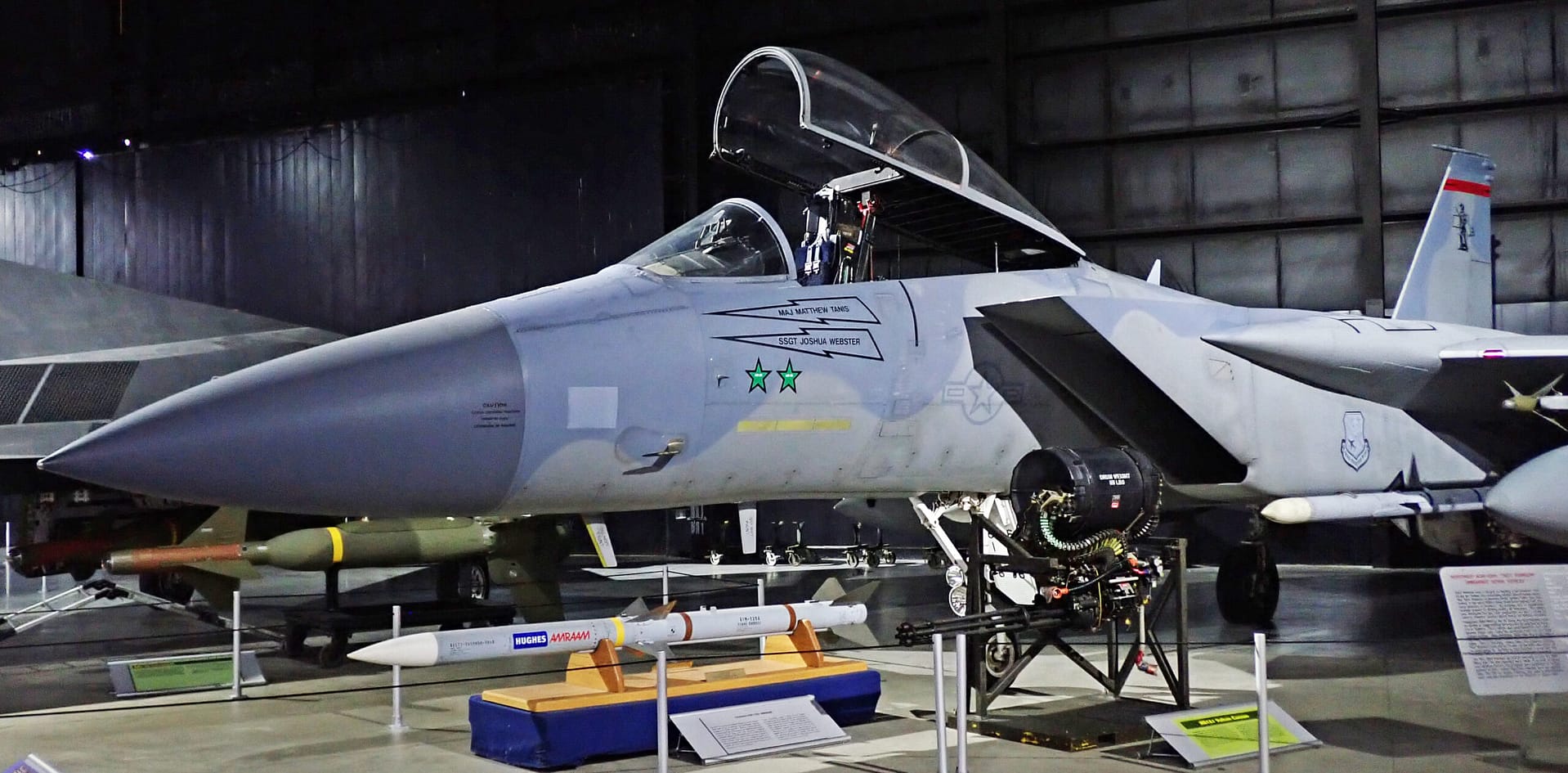
Ancora oggi, il volo di Nedivi rimane uno degli eventi aeronautici più studiati, oggetto di insegnamento nelle accademie militari e nei corsi di ingegneria di tutto il mondo. Ci ricorda che le circostanze straordinarie a volte rivelano verità straordinarie sulle macchine che costruiamo per volare e sulle persone eccezionali che le padroneggiano.
Fonti: 19FortyFive: Atterraggio con un'ala sola dell'F-15, The Aviationist: L'F-15 atterra con un'ala sola
Domande correlate
È vero che un F-15 è atterrato con un'ala sola?
Sì. Nel 1983, il pilota israeliano Zivi Nedivi riuscì ad atterrare con un F-15D dopo una collisione in volo con un A-4 Skyhawk che gli tranciò l'ala destra a circa sessanta centimetri dalla fusoliera. Volò per circa 16 chilometri fino alla base aerea di Ramon e atterrò a circa 300 nodi; entrambi i membri dell'equipaggio sopravvissero.
Come fa un F-15 a volare con una sola ala?
L'F-15 Eagle è essenzialmente un corpo portante: la sua fusoliera ampia e piatta genera una notevole portanza ad alta velocità. Con la spinta del postbruciatore al massimo, la fusoliera, l'ala sinistra rimasta e gli stabilizzatori producevano portanza e controllo sufficienti a mantenere in volo il jet danneggiato, facendolo volare di fatto come un razzo.
Chi era il pilota che fece atterrare l'F-15 con un'ala sola?
Il pilota dell'aeronautica israeliana Zivi Nedivi, con il navigatore Yehoar Gal sul sedile posteriore, stava pilotando un F-15D (numero di coda 957) durante un combattimento aereo di addestramento nel 1983 quando avvenne la collisione. Invece di eiettarsi, Nedivi azionò i postbruciatori al massimo e riuscì a riportare l'aereo alla base.
Cos'è l'F-15 Eagle?
L'F-15 Eagle è un caccia bimotore americano per la superiorità aerea, originariamente costruito dalla McDonnell Douglas, noto per la sua potenza e la sua abilità nei combattimenti aerei. La sua grande fusoliera e i potenti motori gli conferiscono un eccezionale rapporto spinta-peso e il tipo rimane in servizio statunitense in prima linea Oggi.
Perché il pilota dell'F-15 non si è eiettato?
L'eiezione era la scelta più ovvia, ma Nedivi giudicò di poter salvare l'aereo. Evitò manovre aggressive che avrebbero mandato in stallo il jet, volò a quasi il doppio della velocità di atterraggio normale e atterrò bruscamente, con il solo attrito che fermò l'aereo a circa sei metri dalla fine della pista.
Per cosa è nota l'aeronautica israeliana?
L'aeronautica israeliana è rinomata per l'innovazione in combattimento e l'abilità dei piloti. Nel 1982, ad esempio, Operazione Cricket Talpa 19 In soli tre giorni ha distrutto decine di aerei e postazioni missilistiche siriane nella valle della Bekaa.
0 Commenti