

Il volo di prova
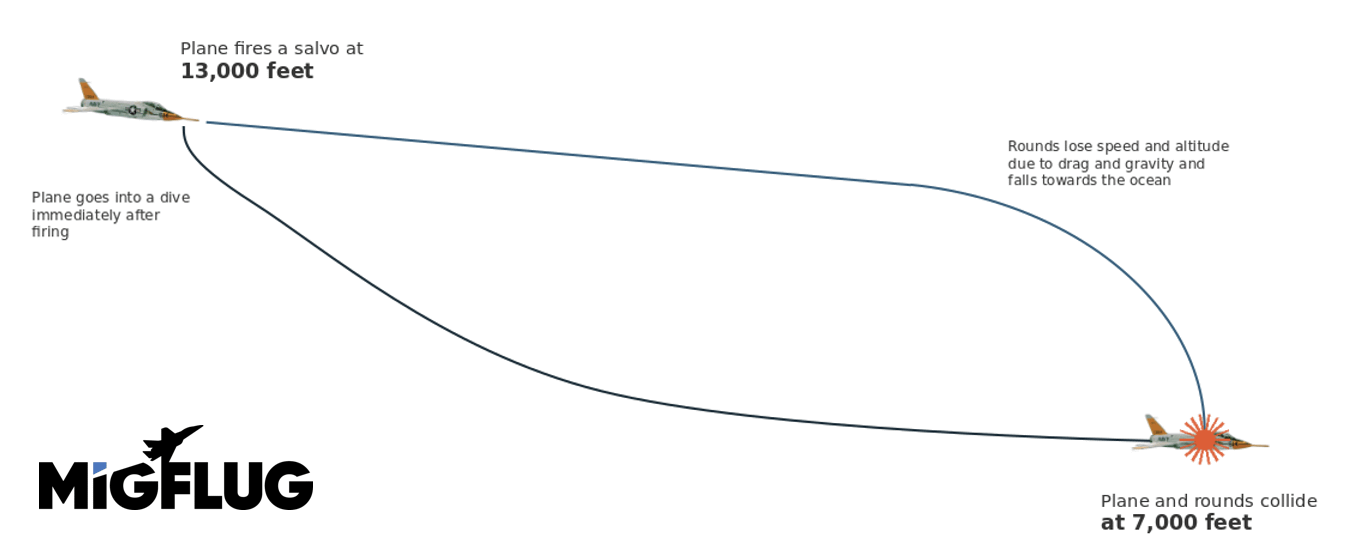
Attridge, un veterano della guerra di Corea di 33 anni che lavorava come pilota collaudatore per la Grumman Aircraft, stava conducendo un test di routine sulle armi sopra l'oceano al largo di Long Island, New York. L'obiettivo era semplice: sparare con i quattro cannoni Colt Mk 12 da 20 mm del Tiger in picchiata ad alta velocità e registrarne i risultati. Iniziò a 20.000 piedi, fece virare il Tiger in picchiata di 20 gradi e accese il postbruciatore. Quando l'altimetro superò i 13.000 piedi, sparò una raffica di quattro secondi. Tre secondi di raffreddamento. Poi una seconda raffica. I proiettili uscirono dalla canna a circa 3.400 piedi al secondo, molto più velocemente dell'aereo. Ciò che accadde dopo sfidò ogni intuizione.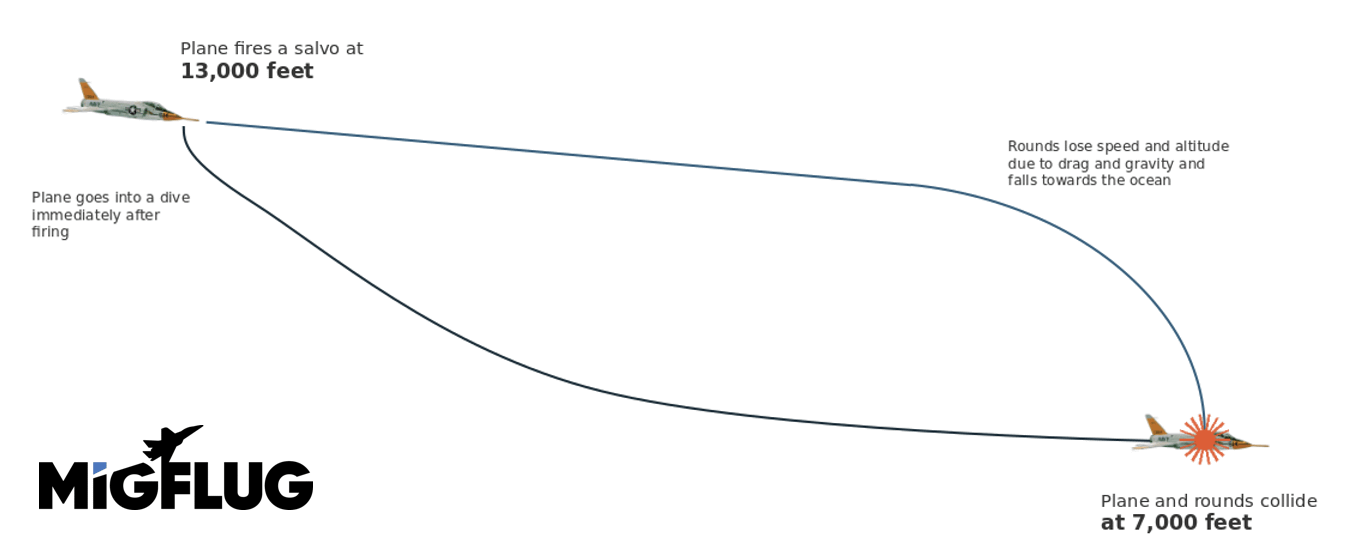
Sfuggire a un proiettile
Non appena i proiettili da 20 mm sfrecciarono davanti al Tiger, la resistenza dell'aria iniziò immediatamente a rallentarli. Un proiettile non ha un motore. Una volta uscito dalla canna, l'unica forza che agisce su di esso è la resistenza dell'aria, e in quota questa forza ha la meglio rapidamente. I proiettili decelerarono da circa 3700 km/h a circa 640 km/h in pochi secondi, e la loro traiettoria si incurvò verso il basso descrivendo un arco balistico. Nel frattempo, Attridge stava facendo l'opposto. In una picchiata ripida con il postbruciatore acceso, il Tiger accelerò oltre Mach 1, circa 1400 km/h a quell'altitudine. L'aereo stava diventando più veloce mentre i suoi proiettili diventavano più lenti.A 7.000 piedi di altitudine, undici secondi dopo lo sparo, il Tiger in fase di discesa raggiunse i propri proiettili in fase di decelerazione. Tre proiettili da 20 mm colpirono l'aereo: uno colpì il parabrezza, uno perforò il bordo della presa d'aria del motore destro e uno si conficcò nel cono di prua. Il motore, danneggiato dal proiettile inglobato, iniziò a perdere potenza rapidamente.""Alle velocità a cui voliamo oggi, potrebbe essere replicato in qualsiasi momento.""
— Tom Attridge, dopo l'incidente

L'atterraggio di fortuna
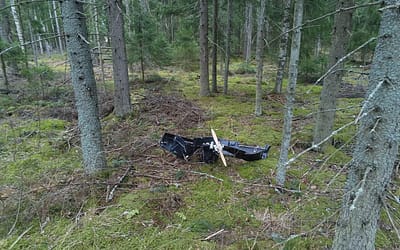
Con il motore che erogava appena il 78% della potenza e che stava rapidamente calando, Attridge fece inversione di marcia verso la pista della Grumman a Calverton, Long Island. Il parabrezza danneggiato gli impediva di spingere la manetta: a velocità più elevate, rischiava di frantumarsi completamente. Riuscì a guidare il Tiger danneggiato il più lontano possibile, ma a circa 400 metri dalla pista, il motore si spense. L'aereo si schiantò contro un boschetto, attraversando la chioma prima di fermarsi. Attridge sopravvisse, ma non illeso: riportò una frattura alla gamba e tre vertebre. Fedele alla sua indole di pilota collaudatore, non si eiettò. I piloti collaudatori proteggono il loro aereo – e i dati che trasporta – anche quando la cellula sta cercando di ucciderli.L'indagine
Quando gli investigatori raggiunsero il relitto, trovarono le prove incastonate nella fusoliera del Tiger. Uno dei proiettili da 20 mm era ancora conficcato nella presa d'aria del motore. L'analisi balistica confermò ciò che sembrava impossibile: il pilota si era abbattuto con il proprio cannone. La geometria era precisa. Nella picchiata poco profonda, i proiettili e l'aereo seguivano traiettorie quasi parallele: i proiettili descrivevano un arco verso il basso per effetto della gravità mentre rallentavano, il jet accelerava nella stessa traiettoria discendente. A una specifica altitudine e velocità, le due traiettorie convergevano. Gli ingegneri della Grumman calcolarono che la convergenza non era un evento anomalo. Qualsiasi caccia in una picchiata supersonica sufficientemente ripida e prolungata avrebbe potuto teoricamente intercettare i propri proiettili: una constatazione inquietante in un'epoca in cui la velocità dei jet aumentava rapidamente.Cosa è successo dopo?
Attridge trascorse sei mesi a riprendersi. Tornò alla Grumman come ingegnere di progetto e continuò a lavorare ad alcuni dei programmi più importanti nel settore aerospaziale, tra cui il Modulo Lunare che portò gli astronauti dell'Apollo sulla superficie lunare. L'F11F Tiger stesso ebbe una carriera breve ma notevole. La Marina lo utilizzò dal 1957 fino all'inizio degli anni '60 e i Blue Angels lo impiegarono come aereo dimostrativo dal 1957 al 1969. Ne furono costruiti solo 201. E nel 1973, Attridge ebbe ragione quando un Grumman F-14 Durante una prova di tiro dei suoi sistemi d'arma, il velivolo Tomcat è stato colpito dal suo stesso missile AIM-7 Sparrow: un'arma diversa, ma con le stesse leggi della fisica. Fonti: Task & Purpose, Simple Flying, The Aviation Geek Club, US Naval History and Heritage CommandDomande correlate
Quale aereo si è abbattuto da solo?
Il Grumman F11F-1 Tiger detiene il primato di essere l'unico caccia a reazione di cui sia confermata l'autodistruzione. Il 21 settembre 1956, il pilota collaudatore Tom Attridge sparò con i cannoni del velivolo durante una picchiata, per poi schiantarsi contro i propri proiettili pochi istanti dopo, al largo di Long Island, New York.
Come ha fatto un aereo da caccia ad abbattersi da solo?
Durante una picchiata supersonica a bassa quota, Attridge sparò con i quattro cannoni da 20 mm del Tiger, poi continuò a scendere e ad accelerare lungo la stessa traiettoria di volo. Circa undici secondi dopo raggiunse e si scontrò con i suoi stessi proiettili in fase di rallentamento: una combinazione bizzarra di fisica, velocità e sfortuna, piuttosto che un malfunzionamento.
Chi era il pilota che si è abbattuto da solo?
Il pilota era Thomas W. Attridge Jr., un collaudatore della Grumman che stava valutando l'F-11F-1 Tiger. Il suo aereo fu colpito dai propri proiettili e precipitò, ma Attridge sopravvisse riportando delle ferite, diventando così uno dei rari testimoni di uno degli incidenti più strani della storia dell'aviazione.
Quando si è auto-abbattito l'F11F Tiger?
L'incidente avvenne il 21 settembre 1956, durante un volo di prova al largo di Long Island, New York. Attridge pilotava un Grumman F11F-1 Tiger con numero di serie 138620 quando fu abbattuto dai colpi del suo stesso cannone da 20 mm.
Cos'era il Grumman F11F Tiger?
Il Grumman F11F Tiger era un caccia imbarcato supersonico monoposto che prestò servizio con la Marina degli Stati Uniti alla fine degli anni '50, incluso il team acrobatico Blue Angels. Faceva parte della lunga linea di aerei navali della Grumman, che includeva anche tipi sperimentali come il Grumman XF10F Jaguar ad ala basculante.
Altri piloti collaudatori sono sopravvissuti ad incidenti insoliti?
Sì. I voli di prova hanno prodotto molte improbabili sopravvivenze in cui abilità e fortuna si sono combinate per salvare il pilota, come l'aviatore che ha fatto atterrare un aereo dopo aver perso 25 piedi di ala. L'auto-uccisione di Attridge è tra le storie più insolite di questo genere.
0 Commenti