
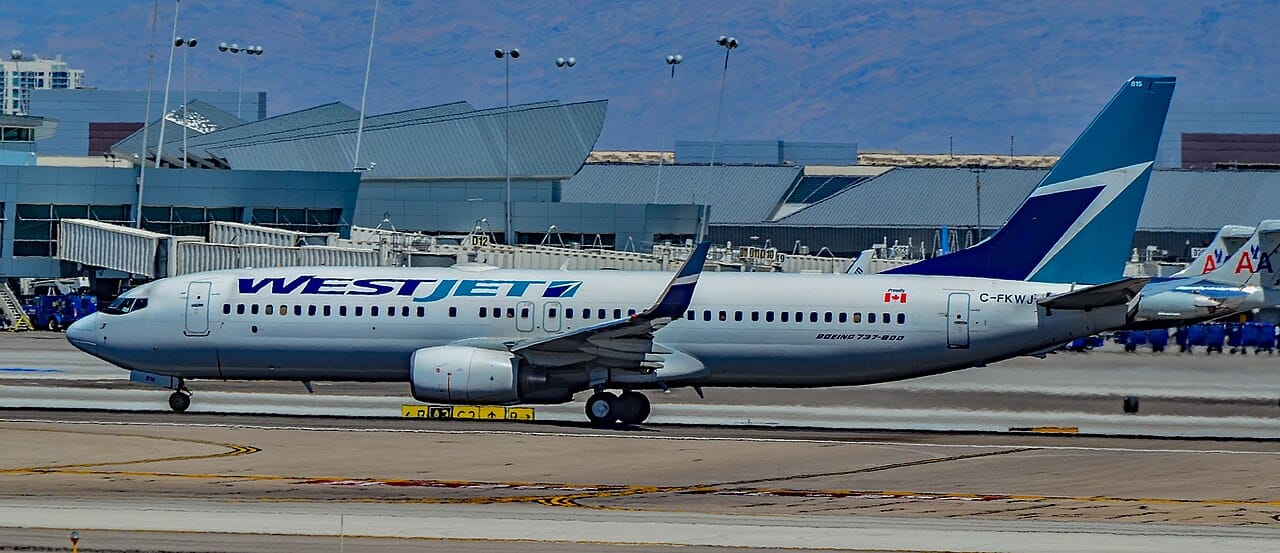
Poco dopo la mezzanotte di domenica, il fine settimana di viaggi più intenso dell'estate canadese è calato nel silenzio. Circa 150 aerei della WestJet, che avrebbero dovuto trasportare turisti tra Vancouver, Calgary, Toronto e una lunga lista di destinazioni soleggiate, sono rimasti esattamente dove si trovavano: parcheggiati, al buio e senza via d'uscita.
Alle 00:01 ora locale del 2 agosto 2026, circa 4.400 assistenti di volo della WestJet hanno incrociato le braccia e la seconda compagnia aerea più grande del Canada ha sospeso quasi completamente le sue operazioni di linea. La compagnia effettua normalmente circa 600 voli al giorno. Il primo giorno di sciopero, praticamente tutti i voli sono stati cancellati.
Noi l'ho segnalato venerdì, quando WestJet si preparava a uno sciopero del lungo fine settimana. Ora è arrivato, ed è la più grande interruzione che l'aviazione canadese abbia visto dallo sciopero degli assistenti di volo di Air Canada un anno fa.
Informazioni rapide
- Vettore: WestJet (la seconda compagnia aerea più grande del Canada)
- Chi è uscito: ~4.400 assistenti di volo della linea principale, CUPE Local 8125
- Lo sciopero è iniziato: 00:01 ora locale, domenica 2 agosto 2026
- Mandato di sciopero: 99,41 voti favorevoli su un'affluenza del 97,31% (votazione del 30 luglio)
- Controversia centrale: pagamento per le operazioni a terra: imbarco, ritardi e tempo prima della chiusura della porta della cabina
- Impatto: Circa 600 voli al giorno sospesi; circa 150 aerei di linea a terra.
- Ancora in volo: la maggior parte dei servizi WestJet Encore (regionali)
- Riprenotazione: La politica flessibile di modifica/cancellazione è stata prorogata fino al 6 agosto.
Perché 4.400 assistenti di volo hanno scioperato
La questione si riduce a una parola a cui la maggior parte dei passeggeri non pensa mai: imbarco. Per decenni, il personale di cabina in tutto il Nord America è stato pagato solo dal momento in cui la porta dell'aereo si chiudeva al momento in cui si riapriva. Tutto il lavoro precedente – accogliere i passeggeri, sistemare i bagagli nelle cappelliere, effettuare i controlli di sicurezza, attendere i ritardi a terra – era di fatto non retribuito.
Quel modello sta finalmente cedendo in tutto il settore, ed è il fulcro di questa controversia. Il CUPE, il sindacato che rappresenta il personale di cabina della WestJet, sostiene che l'attuale sistema di ore di lavoro a credito costringe i suoi iscritti a lavorare circa 35 ore al mese senza essere pagati. Il 30 luglio, i membri della sezione locale 8125 del CUPE hanno votato a favore dello sciopero con 99,41 voti a favore e 3 contrari, con un'affluenza alle urne del 97,31%, un risultato schiacciante come raramente si vede in un sindacato.
WestJet, dal canto suo, afferma di aver presentato un'offerta "trasformativa", comprensiva di un aumento salariale di circa 131.000 sterline. Le due parti non sono riuscite a colmare il divario. Il comitato negoziale del sindacato è tornato al tavolo delle trattative domenica mattina, ma in serata non si era ancora raggiunto un accordo e gli aerei sono rimasti a terra.
Il tempismo non poteva essere peggiore per i viaggiatori. L'inizio di agosto è l'alta stagione turistica in Canada e WestJet ha costruito gran parte del suo network proprio attorno a questo fine settimana: famiglie dirette in vacanza, riunioni di famiglia da una costa all'altra del Paese e le rotte transatlantiche che la compagnia aerea ha promosso con forza negli ultimi anni.
Cosa significa se hai prenotato con WestJet
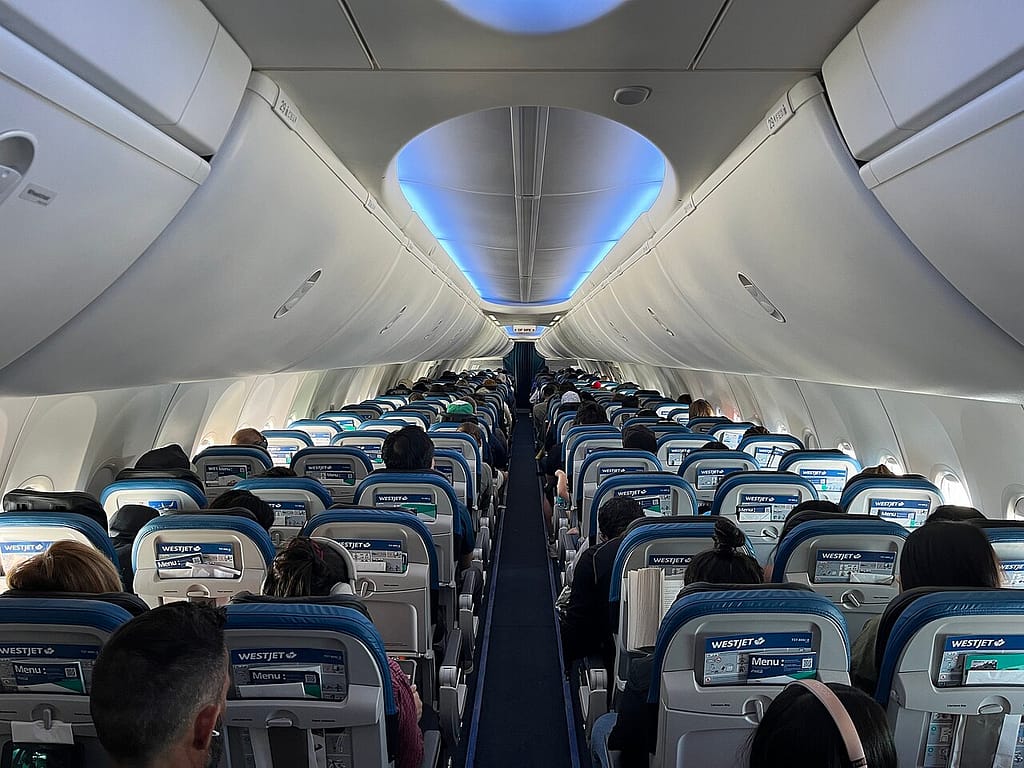
Se avete prenotato un volo con WestJet nei prossimi giorni, considerate il vostro volo cancellato fino a quando la compagnia aerea non vi comunicherà il contrario e non recatevi in aeroporto senza prenotazione. WestJet ha esteso la sua politica flessibile di cambio e cancellazione fino al 6 agosto, consentendo ai passeggeri interessati di riprenotare o cancellare il volo senza costi aggiuntivi.
C'è un aspetto positivo: la maggior parte dei voli operati da WestJet Encore, la compagnia regionale che utilizza i più piccoli turboelica Bombardier Q400, sono ancora operativi, poiché il personale di cabina di Encore lavora in base a un accordo separato. Sulle rotte regionali meno frequentate, questa potrebbe essere l'unica opzione WestJet disponibile fino al ritorno in servizio della flotta principale.
Quanto tempo ci vorrà ora dipende dal tavolo delle trattative e, potenzialmente, da Ottawa. Quando gli assistenti di volo di Air Canada scioperarono nel 2025, il governo federale si appoggiò all'arbitrato vincolante per far ripartire gli aerei. Che il blocco di WestJet si concluda con un accordo negoziato o con un intervento governativo, la domanda fondamentale è la stessa che gli equipaggi di tutto il settore si pongono ora ad alta voce: chi paga per il lavoro svolto prima che i voli riprendano?
Fonti: The Globe and Mail; FlightGlobal; CP24; Canadian Union of Public Employees (CUPE); WestJet.
Post correlati



0 Commenti