
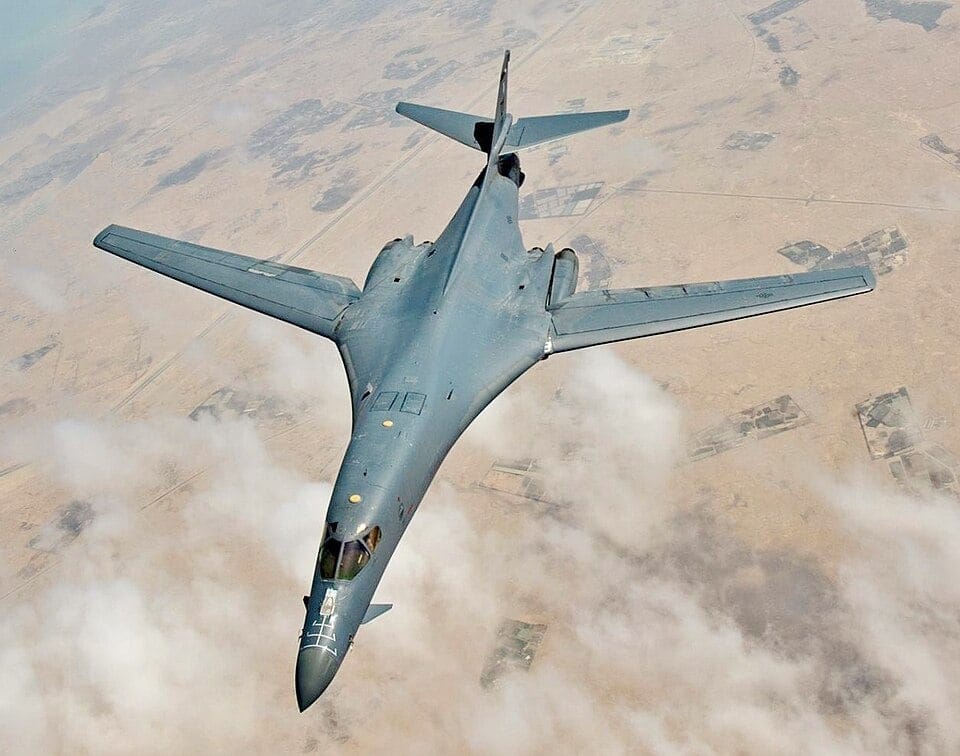
Quick Facts
Incident: Italy denied landing rights to U.S. military aircraft at Naval Air Station Sigonella, Sicily — the night of March 27, 2026
Reason: No prior clearance had been requested; Italian authorities discovered the flights were combat-related, not routine or logistical
Decision By: Italian Defence Minister Guido Crosetto
Parliamentary Address: Crosetto briefed Italy's Chamber of Deputies on April 7, 2026
Context: Spain simultaneously closed airspace to similar U.S. aircraft; European allies increasingly reluctant to be drawn into Operation Epic Fury
Legal Basis: 1954 bilateral defence agreement permits only logistical and non-combat activities at Italian bases; combat operations require case-by-case evaluation
Sigonella: America's Mediterranean Anchor
Naval Air Station Sigonella sits on the eastern coast of Sicily, in the shadow of Mount Etna. It is the largest U.S. Navy base in the Mediterranean and one of the most strategically important military installations in southern Europe. P-8 Poseidon maritime patrol aircraft fly from its runways. MQ-4C Triton drones orbit overhead. It serves as a logistics hub for operations across North Africa, the Middle East, and the eastern Mediterranean.
The Night Everything Changed
According to Italian news agency ANSA and subsequent parliamentary disclosures, Italian authorities were informed of the incoming U.S. aircraft only after they had already departed from American bases. When Italian military officials assessed the flights, they determined they were neither routine nor logistical in nature — they were combat-related, likely heading to support strikes on Iran as part of Operation Epic Fury. Crosetto acted immediately. The aircraft were denied landing rights. They would have to refuel elsewhere, find another staging point, or turn around.
Crosetto's Defence
The Defence Minister framed the denial as procedural, not political. Italy, he argued, had simply enforced the existing rules. Bilateral agreements require prior consultation for non-routine military activities. Washington had not consulted. Therefore, the flights were denied. This was, Crosetto insisted, how things had always worked.
A Wider European Reluctance
Italy was not alone. Spain simultaneously closed its airspace to similar U.S. aircraft, and several European capitals have been conspicuously cautious about associating themselves with Operation Epic Fury. The reasons vary — domestic politics, legal concerns, genuine opposition to the campaign — but the pattern is consistent: America's European allies are not eager to be co-belligerents in a war against Iran that they did not start and did not endorse.
What This Means for Air Operations
For the U.S. Air Force and Navy, the practical impact of the Italian denial is manageable but inconvenient. Sigonella is not the only option for Mediterranean staging. Aircraft can refuel from tankers, divert to bases in the Gulf states, or use other facilities with fewer political strings attached. But convenience is not the point. The point is that a NATO ally — one that hosts thousands of American military personnel — told the United States that its combat aircraft were not welcome. That signal reverberates far beyond a single denied landing. It tells the Pentagon that European basing cannot be assumed. It tells adversaries that the Western alliance has fractures. And it tells future war planners that political access is a variable, not a constant. The next time American bombers need a place to land on the way to a fight, the first phone call will come before takeoff, not after. Sources: Euronews, The Aviationist, ANSA, The Washington Post, Decode39Related Questions
Why did Italy block U.S. bombers at Sigonella?
On the night of March 27, 2026, Italy denied landing rights to U.S. military aircraft at Naval Air Station Sigonella because Washington had requested no prior clearance and the flights were combat-related, not logistical. A 1954 bilateral agreement permits only non-combat activity at Italian bases without case-by-case approval.
What is Naval Air Station Sigonella?
Naval Air Station Sigonella sits on the eastern coast of Sicily and is one of America's most important bases in the Mediterranean, hosting surveillance, logistics and strike-support operations. Its location makes it a natural staging point for missions across the Iranian strikes on U.S. assets region and the Middle East.
Who ordered Italy to deny U.S. landing rights?
Italian Defence Minister Guido Crosetto personally ordered the denial. He later briefed Italy's Chamber of Deputies on April 7, 2026, explaining that the combat-related flights fell outside what the 1954 defence agreement permits without specific Italian approval.
What is Operation Epic Fury?
Operation Epic Fury is the U.S. military campaign against Iran that the blocked aircraft were supporting. Several European allies grew reluctant to be drawn into it, part of the broader U.S. campaign against Iran that strained NATO unity in 2026.
Did other European countries also restrict U.S. flights?
Yes. Around the same time, Spain closed its airspace to similar U.S. aircraft, and other European allies signalled growing reluctance to support Operation Epic Fury. The episodes exposed the clearest cracks yet in NATO's outward unity over the campaign against Iran.
What does the 1954 U.S.-Italy defence agreement allow?
The 1954 bilateral defence agreement permits only logistical and non-combat activities at Italian bases. Combat operations require case-by-case evaluation and approval by Rome, which is why uncleared, combat-related flights to Sigonella could be turned away.

jetflights/italy-blocks-us-bombers-mid-flight-over-sigonella.
America is a force for good. Sigonella, UK, and Spain denials in 2026 give more justification to buy or take Greenland.