
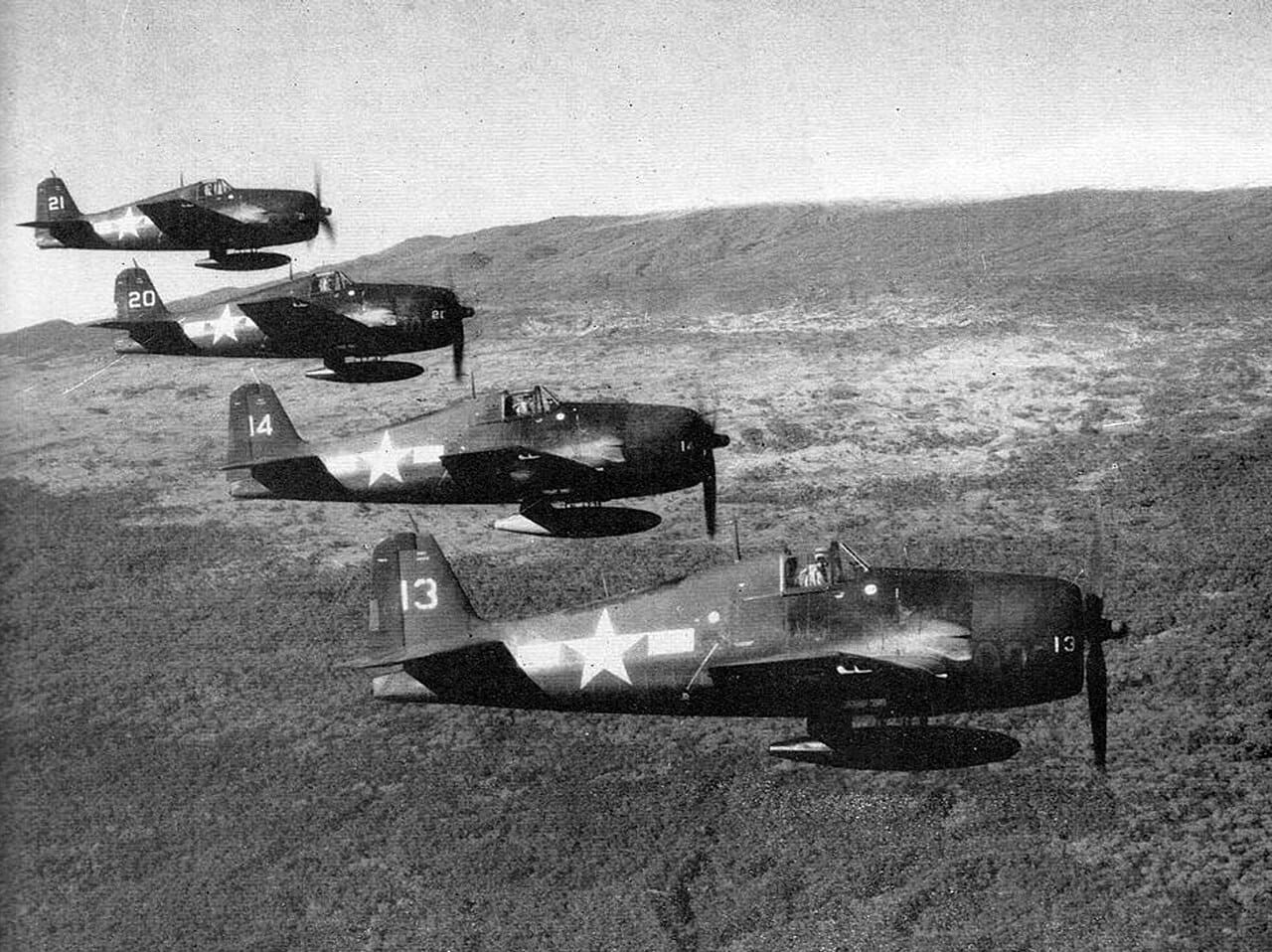
It is a little after dawn on 15 August 1945, and a flight of Grumman F6F Hellcats is droning north over the haze of Tokyo Bay. In the cockpits are young U.S. Navy pilots of Air Group 88, launched from the carrier USS Yorktown to strike airfields near the Japanese capital. The air is cold at altitude, the sea grey below, the war — though none of them yet knows it — only hours from over.
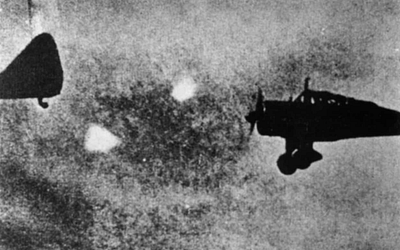
Midway through the mission, the radios crackle with a recall: Japan has surrendered, all offensive operations are to cease, return to the ship. The Hellcats bank for home. And then, out of the morning sun, roughly twenty Japanese fighters fall on them.
What follows is the last dogfight of the Second World War. It lasts about fifteen minutes. When it ends, four young Americans are dead — the last men to be killed in air combat in the war.
Quick Facts
| Date | 15 August 1945 — hours after Japan’s surrender announcement |
| Unit | Fighting Squadron 88 (VF-88), Air Group 88, USS Yorktown (CV-10) |
| Aircraft | Grumman F6F Hellcat fighters |
| The fight | ~20 Japanese fighters bounced the withdrawing Hellcats over Tokyo |
| The fallen | Billy Hobbs, Eugene Mandeberg, Howard “Howdy” Harrison and Joseph Sahloff |
| Their place in history | The last Americans killed in air combat in World War II |
The mission that should have been cancelled
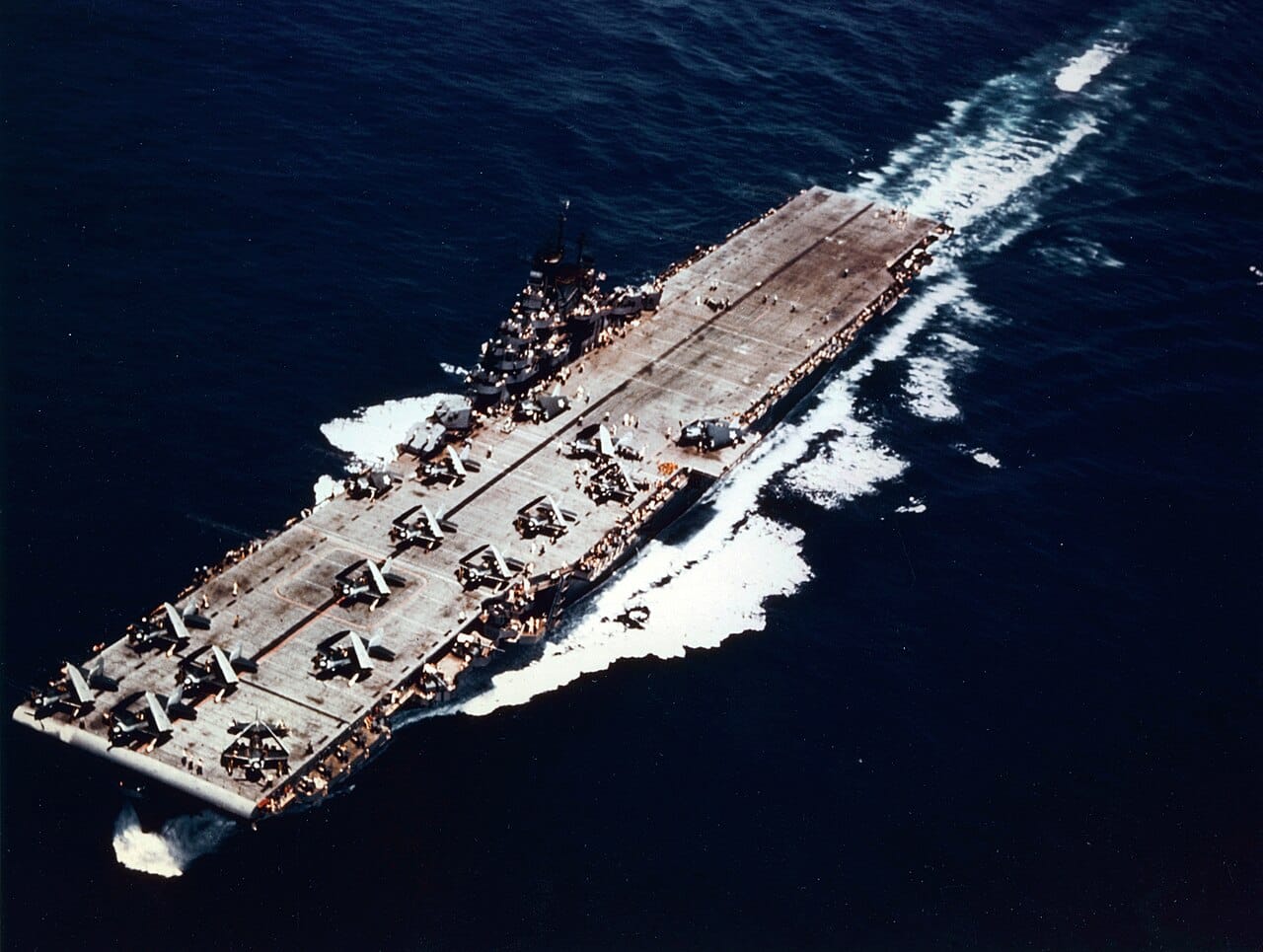
Air Group 88’s Hellcats had taken off that morning to hit airfields around Tokyo, part of the relentless pressure the U.S. Navy kept on Japan to the very end. But Emperor Hirohito had already announced his nation’s surrender, and Admiral Nimitz had ordered all offensive operations to stop. The recall order reached the pilots while they were already over hostile territory.
Turning for the carrier should have been the end of it. Instead, the withdrawal became the trap.
Bounced over Tokyo
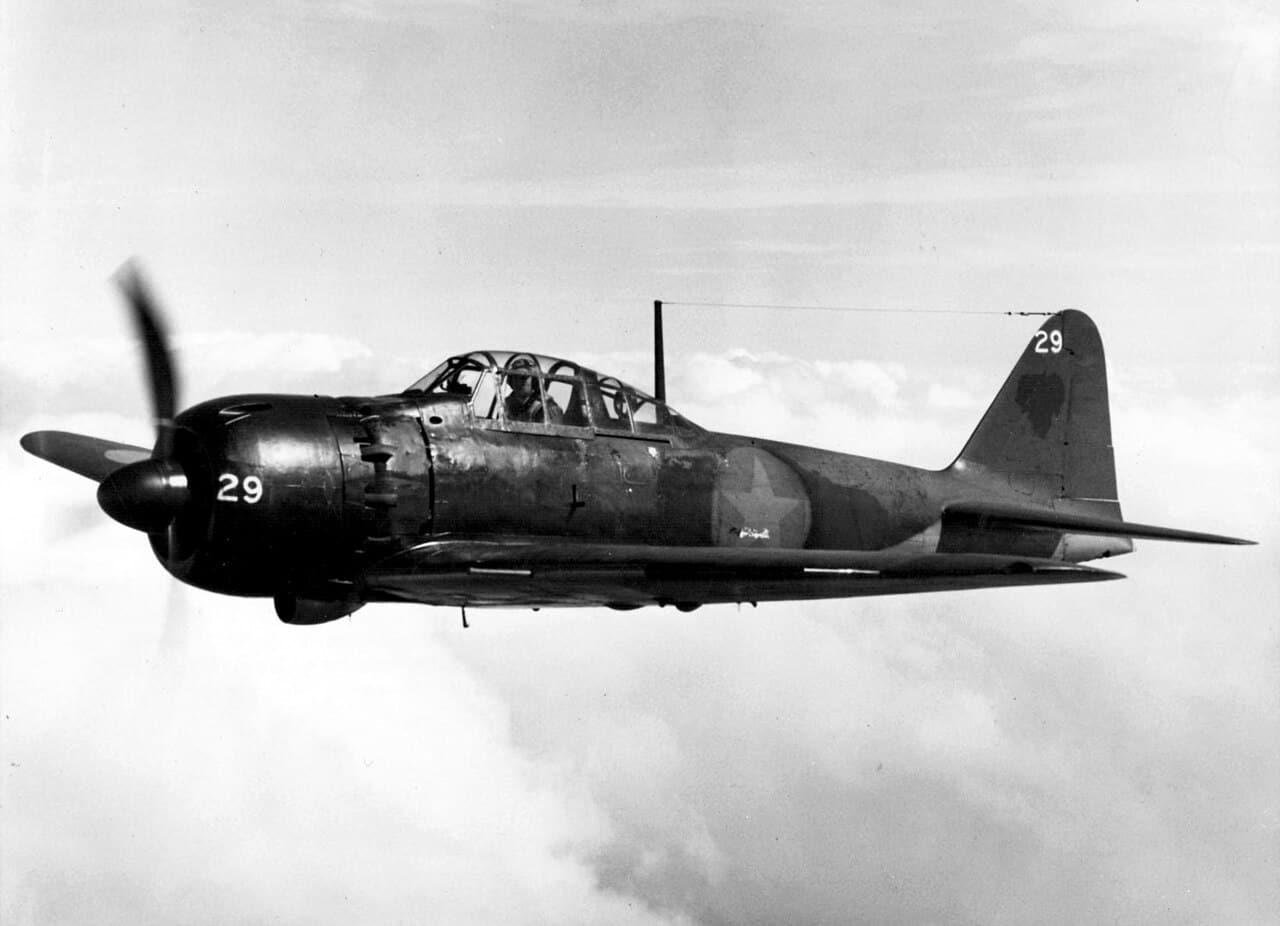
The Japanese fighters — among them nimble A6M Zeros — dived on the Hellcats as they headed out to sea. In the swirling, low-altitude brawl that followed, the Americans fought back hard and claimed several of their attackers. But the fight was savage and fast, and four of the Navy pilots did not come home: Billy Hobbs, Eugene Mandeberg, Howard Harrison and Joseph Sahloff.
By the time the surviving Hellcats reached the Yorktown, the news of the surrender had been confirmed across the fleet. The men who landed had fought the last aerial battle of a war that, on paper, was already finished.
The last to fall
That is what makes the story haunt. These four were not lost in some decisive battle that turned the war; they were lost after it had been decided, in a fight that history almost forgot. The historian John Wukovits later reconstructed their lives and their final mission from letters, diaries, interviews and archives in his book Dogfight over Tokyo — a young Indiana pilot who felt born to fly, a former Detroit newspaperman, a husband with a baby daughter he had never met.
They flew into the last morning of the Second World War and did not fly back. Remembering their names is the whole point.
Sources: The National WWII Museum; Smithsonian / Air & Space; MilitaryHistoryNow; John Wukovits, Dogfight over Tokyo.
Related Questions
When was the last dogfight of World War II?
The last aerial dogfight of World War II took place on the morning of 15 August 1945, over the Tokyo area, just hours after Japan announced its surrender. U.S. Navy F6F Hellcats of Air Group 88 were bounced by Japanese fighters while withdrawing.
Who were the last Americans to die in WWII air combat?
Four U.S. Navy pilots of Fighting Squadron 88 were killed: Billy Hobbs, Eugene Mandeberg, Howard \u201cHowdy\u201d Harrison and Joseph Sahloff. They are regarded as the last Americans killed in air combat in World War II.
Why did the dogfight happen after Japan surrendered?
Air Group 88 had launched to strike airfields near Tokyo before the surrender order took full effect. A recall reached the pilots in the air, but as they turned for their carrier they were attacked by roughly twenty Japanese fighters.
What aircraft were involved in the last dogfight?
The Americans flew Grumman F6F Hellcat fighters from the carrier USS Yorktown (CV-10). The attacking Japanese force included A6M Zero fighters.
What was Air Group 88?
Air Group 88 was a U.S. Navy carrier air group embarked on USS Yorktown in 1945. Its fighter squadron, VF-88, flew the final combat mission of the war over Japan on 15 August 1945.
Is there a book about the last dogfight of WWII?
Yes. Historian John Wukovits wrote Dogfight over Tokyo: The Final Air Battle of the Pacific and the Last Four Men to Die in World War II, drawing on the pilots\u2019 letters, diaries, interviews and archival records.
0 Comments