
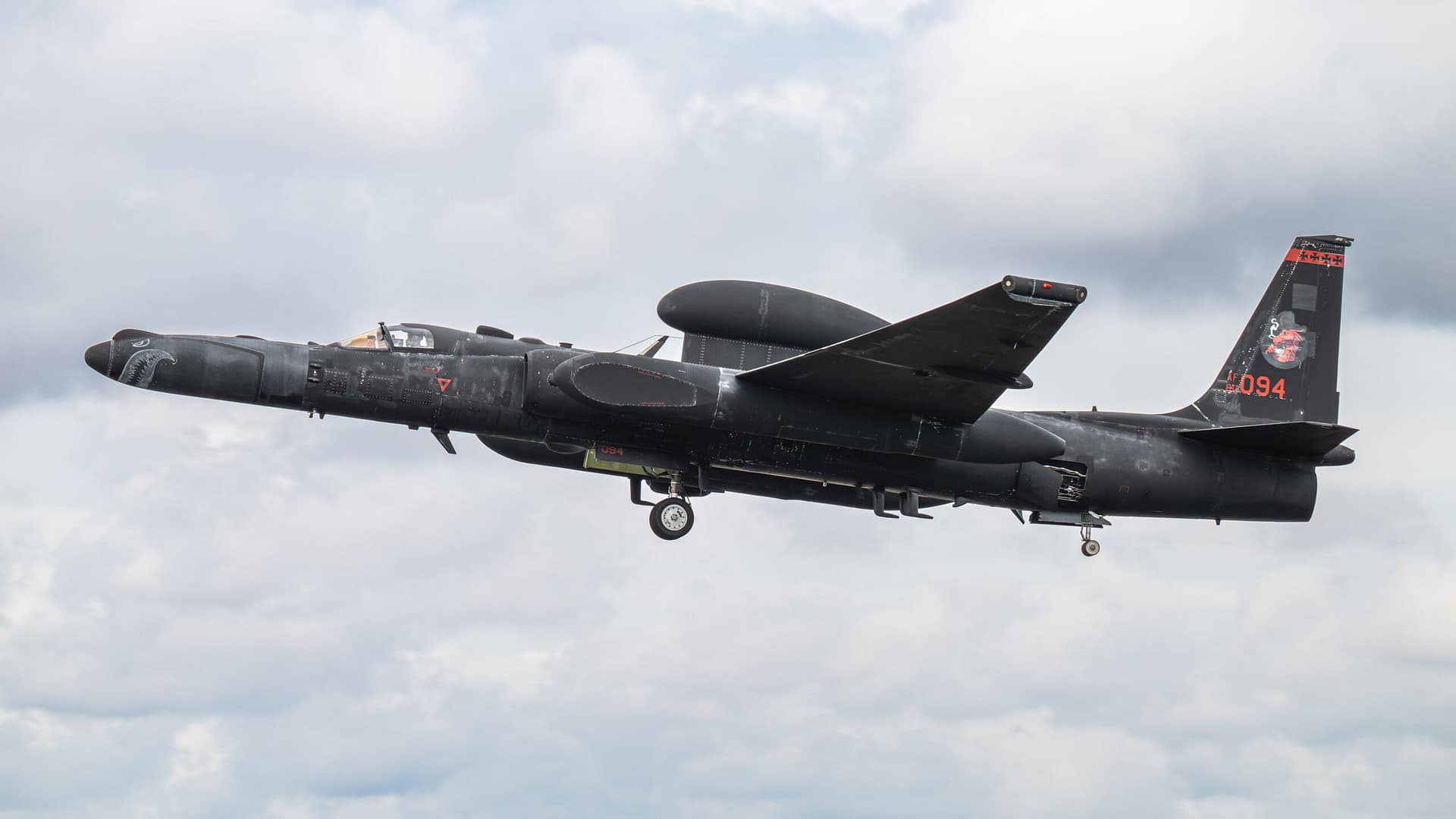
Quick Facts — U-2 FY2027 Reprieve
Bill: House Appropriations Defense FY2027 draft (June 10, 2026)
Retirement cap: No more than 2 U-2s may be retired in FY2027
Restoration funding: $81M to restore 4 aircraft via programmed depot maintenance
AF request: Retire all 23 U-2s, zero out O&M funding
Current fleet: 23 aircraft (20 single-seat U-2S + 3 two-seat TU-2S trainers)
Home base: Beale AFB, California (9th Reconnaissance Wing)
Operating altitude: 70,000+ feet
First flight: August 1, 1955 (Area 51)
A History of Not Dying
The timeline of U-2 retirement attempts reads like a comedy of repeated failure — if you are the Air Force, and a triumph of Congressional stubbornness if you are anyone else. The service has tried to retire the Dragon Lady in some form since the 1990s, arguing each time that satellites, drones, or some other platform could replicate its capabilities at lower cost and lower risk. Each time, Congress has disagreed. The FY2021 NDAA blocked retirement but included a waiver allowing the Pentagon to divest if the Secretary of Defense could certify that the resulting capability gap would be filled cost-effectively. On October 30, 2023, Secretary Lloyd Austin signed that waiver. The Air Force thought it was finally free. It was not. In June 2024, the House Appropriations draft for FY2025 explicitly blocked any U-2 divestment or even preparation to divest. The FY2026 spending bill, passed in January 2026, permitted the retirement of no more than eight aircraft and provided $55 million for depot maintenance. The first U-2 — tail number 80-1085 — was sent to the boneyard at Davis-Monthan AFB in December 2025. Now, with FY2027, the screws have tightened further: only two may go, and four must be restored.Why It Will Not Die
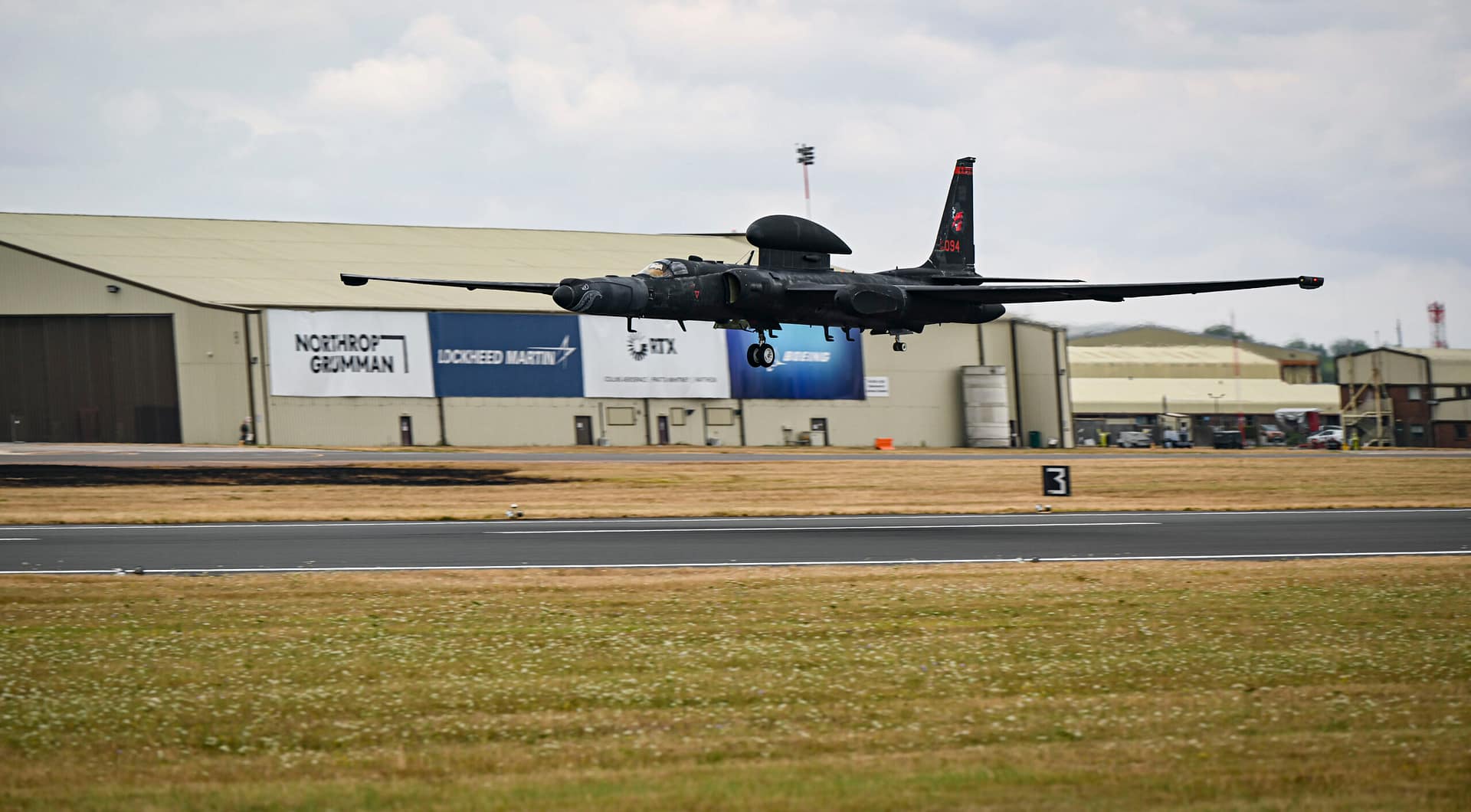
What Comes Next — Eventually
The planned successors are a mix of space-based surveillance satellite constellations, targeted for early fielding by 2028 under the U.S. Space Force, and a classified stealthy high-altitude drone widely referred to as the RQ-180. The drone — a 130-foot wingspan flying-wing design built by Northrop Grumman — was spotted operating from a base in Greece in April 2026, confirming what had long been rumoured about its advanced state of development. The B-21 Raider is also expected to contribute ISR capability. The RQ-4 Global Hawk, which the Air Force had once positioned as the U-2's replacement, is itself now slated for retirement by the end of FY2027. The irony is thick: the drone that was supposed to replace the spy plane is being retired first.What $81 Million Buys
Programmed depot maintenance for a U-2 is not a simple oil change. It is a full tear-down: paint stripped, aircraft completely dismantled, more than 1,800 parts removed, 40,000 rivets inspected, the structure checked for cracks and corrosion, then reassembled and flight-tested. Upgrades — including elements of the ongoing Block 20.1 modernisation — are often worked into PDM cycles. Previous depot maintenance was conducted at Lockheed's Skunk Works Site 2 in Palmdale; recent work has shifted to Beale AFB. Restoring four aircraft through this process is a signal that Congress does not merely want the U-2 to limp along. It wants the fleet healthy. The Dragon Lady first flew on August 1, 1955, from Area 51 under the CIA's Project Aquatone, designed by Clarence "Kelly" Johnson at Lockheed's Skunk Works. Francis Gary Powers was shot down over the Soviet Union on May 1, 1960. The aircraft survived that political crisis, survived the satellite revolution, survived the drone revolution, and is now surviving the Air Force's latest attempt to send it to the boneyard. Seventy-one years after its first flight, the U-2 Dragon Lady remains the aircraft the Pentagon cannot figure out how to replace — and Congress refuses to let go of until it does. Sources: Air & Space Forces Magazine, The War Zone, Dragon Lady Today, House Appropriations Committee, Pentagon FY2027 Force Structure ReportRelated Questions
What is the U-2 Dragon Lady?
The U-2 Dragon Lady is a high-altitude reconnaissance aircraft operated by the US Air Force since the 1950s. Flying above 70,000 feet, it gathers intelligence and imagery from the edge of the stratosphere. Despite repeated retirement attempts over three decades, the U-2 remains in service in 2026.
Why does the US Air Force keep trying to retire the U-2?
The Air Force has sought to retire the U-2 for the better part of three decades, arguing that satellites and newer systems can absorb its reconnaissance role and free up budget. In 2026 it requested retiring the entire 23-aircraft fleet in FY2027, but Congress has repeatedly intervened to keep the Dragon Lady flying.
How many U-2s does the Air Force have?
The US Air Force operates a fleet of 23 U-2s: 20 single-seat U-2S aircraft and 3 two-seat TU-2S trainers. In 2026 lawmakers moved to protect this fleet, capping retirements at no more than two aircraft and funding the restoration of four through programmed depot maintenance.
What did Congress decide about the U-2 in 2026?
On June 10, 2026, the House Appropriations Defense Subcommittee released a draft FY2027 spending bill that bars the Air Force from retiring more than two U-2s and adds 81 million dollars to fully restore four aircraft through programmed depot maintenance. This overrode the Air Force's request to retire the entire fleet.
How high can the U-2 fly?
The U-2 cruises above 70,000 feet, far higher than airliners and most other aircraft, so its pilots wear pressure suits resembling those of astronauts. From this altitude near the edge of space it can survey vast areas, which is one reason the famously demanding jet has a reputation for being hard to fly.
Why is the U-2 still useful in the age of satellites?
The U-2 remains useful because it offers flexibility satellites lack: it can be redirected quickly, loiter over an area, and carry large, upgradeable sensor payloads. Manned reconnaissance jets have a storied history, including the SR-71 Blackbird that was once escorted to safety by Swedish fighters. Satellites follow predictable orbits, so the U-2 still fills responsive intelligence gaps.
Wow, that was a very fun read. Thank you for the great work.