

Aero L-39
“Albatros”
The most-produced jet trainer in history — a docile, rugged Czech jet that taught pilots across more than 30 air forces, became the world’s most common privately-owned jet warbird, and is today MiGFlug’s flagship flight: the single most popular jet experience the company sells.
The jet that put everyone in a cockpit
If any single aircraft democratised the jet-fighter experience, it is the L-39 Albatros. Designed in the mid-1960s under Jan Vlček at Aero Vodochody to replace the first-generation L-29 Delfín, the Albatros was built to teach — its whole design philosophy is docile, forgiving, honest handling. First flown on 4 November 1968 and in service from 1972, it became the standardised jet trainer of almost the entire Warsaw Pact and trained tens of thousands of military pilots across more than 30 nations.
Its defining claim is scale. With roughly 2,900 airframes built into the late 1990s, the L-39 is the most widely produced jet trainer in history and the most exported trainer of the Cold War era. When the Cold War ended, hundreds of these rugged, cheap-to-run jets flooded onto the civilian market, and the Albatros quietly became the most common privately-owned jet warbird on Earth — flown by air-racers, collectors and civilian display teams like the Breitling Jet Team.
That is exactly why it is MiGFlug’s flagship jet experience, the single most popular flight the company sells. Strapped into the elevated rear seat under a long bubble canopy, an ordinary passenger gets aerobatics, high-G turns and a genuine taste of military jet flying — no licence required. The L-39 is the world’s jet-flight gateway, and MiGFlug flies you in one.
01The L-39 Albatros family: from the baseline trainer to the L-39NG
The baseline L-39C advanced trainer is by far the most numerous version. From it grew a whole family: the single-seat L-39V target-tug; the armed L-39ZO with four underwing hardpoints; and the light-attack L-39ZA, which added a belly-mounted 23 mm GSh-23L cannon. The heavily upgraded L-39MS / L-59 introduced a more powerful DV-2 engine and modern avionics, while the 1990s L-139 prototype tried a Western Garrett/Honeywell turbofan.
Aero never retired the design — it modernised it. The current L-39NG (“Next Generation”) swaps in a Williams FJ44-4M turbofan, glass cockpit, five hardpoints and a 15,000-hour airframe life, earning full certification and beginning deliveries in 2024. Half a century on, the Albatros line is in serial production again.
מה מייחד את ה-L-39
The frugal AI-25TL turbofan
The Albatros is powered by a single Ivchenko-Progress AI-25TL turbofan (~16.9 kN / 1,720 kgf). Chosen over a thirstier turbojet, the bypass engine gives good fuel economy, long endurance and modest running costs — a decisive reason the type stays cheap enough for civilian owners and flight operators to keep flying decades on. Shoulder-mounted lateral intakes keep the engine clear of runway debris.
Docile, forgiving handling
Everything about the L-39 is tuned to be teachable: benign stall behaviour, predictable controls, stable low-speed flight and straightforward systems. That same forgiving character is exactly what makes it ideal for civilian passenger rides — spirited and fully aerobatic, yet safe and manageable enough to carry a first-time flyer.
Rugged systems & stadium seating
The airframe is robust, low-maintenance and tolerant of rough fields. Instructor and student — or pilot and passenger — sit in tandem on VS-1 ejection seats, with the rear seat raised for a genuine forward view. That “stadium seating” under the long bubble canopy gives passengers one of the best all-round cockpit outlooks of any jet.
02Why the L-39’s turbofan is the secret to its survival
Most 1970s military jets are ruinously expensive to run, which is why so few survive in flying condition. The L-39 is the great exception. Its Ivchenko AI-25TL is a bypass turbofan, not a thirsty turbojet — economical, reliable and long-legged. That single engineering choice is the reason a Cold War military jet can still be operated by civilian owners and adventure-flight companies without bankrupting them, and it is the foundation of the L-39’s dominance of the private-warbird world.
03The L-39’s cockpit: built so the back-seater can actually see
The tandem cockpit raises the rear seat above the front so the instructor — or, on a MiGFlug ride, the passenger — gets a real forward view through the long one-piece canopy. It is a small design choice with a big payoff: the L-39 offers one of the best panoramic outlooks of any jet, which is exactly why it makes such a spectacular experience for a paying passenger who wants to actually watch the world roll around them during aerobatics.
Full specifications (L-39C)
Airframe & Performance
- צוות
- 2 (טנדם)
- מֶשֶׁך
- ~12.13 m (39.8 ft)
- מוּטַת כְּנָפַים
- ~9.46 m (31.0 ft)
- גוֹבַה
- ~4.77 m (15.6 ft)
- Max takeoff weight
- ~4,700 kg
- Max speed
- ~750 km/h (~466 mph) · subsonic
- תקרת השירות
- ~11,000–11,500 m (~37,700 ft)
- לָנוּעַ
- ~1,100 km (ferry; more with tip tanks)
Propulsion, Armament & Production
- מָנוֹעַ
- 1 × Ivchenko-Progress AI-25TL turbofan
- Thrust
- ~16.9 kN (1,720 kgf)
- Armament (L-39ZA)
- 1 × 23 mm GSh-23L; 4 hardpoints, ~1,000 kg (L-39C unarmed)
- First flight
- 4 November 1968
- Built
- ~2,900 (all variants)
- Unit cost
- ~US$1M new; used warbirds ~US$200k–500k
- Cost per flight hour
- ~US$1,000–2,000 (estimate, operator-dependent)
04The L-39’s running costs: why it rules the civilian jet world
Low operating cost is the entire reason the L-39 dominates private jet ownership. New airframes cost around a million dollars in the Cold War era; today ex-military examples change hands as civilian warbirds for roughly US$200k–500k, and cost-per-flight-hour figures are commonly cited around US$1,000–2,000 — a fraction of what a supersonic fighter costs to fly. Treat the exact numbers as estimates: they vary widely by variant, operator, country and how hard the jet is flown. But the comparison is what matters — no other jet of this capability is anywhere near as cheap to buy and run, which is precisely why the Albatros fills civilian hangars worldwide.
Six decades of the Albatros
Designed to replace the Delfín
Aero Vodochody develops the L-39 under Jan Vlček to succeed the L-29 Delfín as the Warsaw Pact’s standard jet trainer.
First flight
The prototype (XL-39) makes its maiden flight, powered by a new Soviet turbofan.
Series production begins
Full-scale manufacture starts at Aero Vodochody.
Enters service
The L-39 joins the Czechoslovak Air Force and becomes the standardised Warsaw Pact jet trainer.
Mass export
Sold to more than 30 air forces worldwide; the armed L-39ZO and L-39ZA light-attack variants are introduced.
The upgraded L-59
First flight of the more powerful second-generation L-39MS / L-59.
The warbird boom
Cold War surplus L-39s flood the civilian market; the type becomes the dominant privately-owned jet warbird.
MiGFlug adopts the L-39
MiGFlug begins operating the Albatros as its core civilian jet-flight aircraft.
The L-39NG revives the line
The next-generation L-39NG flies, earns full certification and begins deliveries, putting the Albatros back into serial production.
From the flight line: twelve Albatros stories
The most-produced jet trainer ever
~2,900 built — and still counting.
Read the full story
The civilian jet-warbird king
The world’s most common privately-owned jet.
Read the full story
The Breitling Jet Team
Europe’s largest civilian jet display team flew seven Albatros.
Read the full story
MiGFlug’s flagship jet experience
The signature flight, sold worldwide.
Read the full story
The L-39NG new generation
A 50-year-old design, reborn.
Read the full story
The armed ZA goes to war
A trainer that fought.
Read the full story
Stadium seating under glass
Built so the back-seater can see.
Read the full story
The frugal turbofan
Why the Albatros is still affordable.
Read the full story
Elon Musk flew one
Even billionaires pick the Albatros.
Read the full story
From Hanoi to Havana
A jet that circled the globe.
Read the full story
Replacing the Delfín
The Albatros grew from Aero’s first jet.
Read the full story
The people’s jet racer
Cheap jet thrills at the races.
Read the full story
The Albatros in pictures
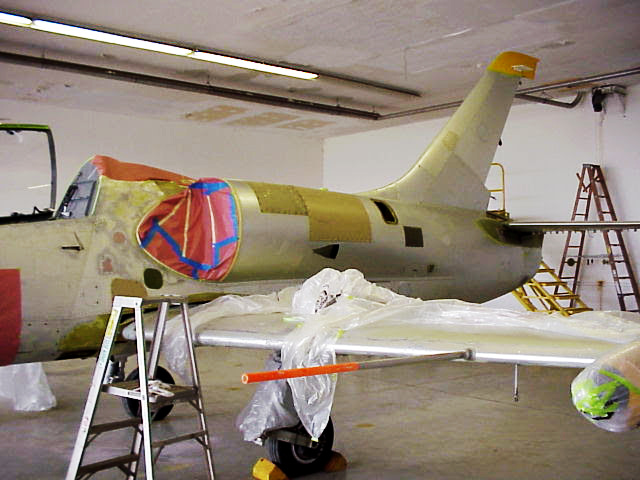
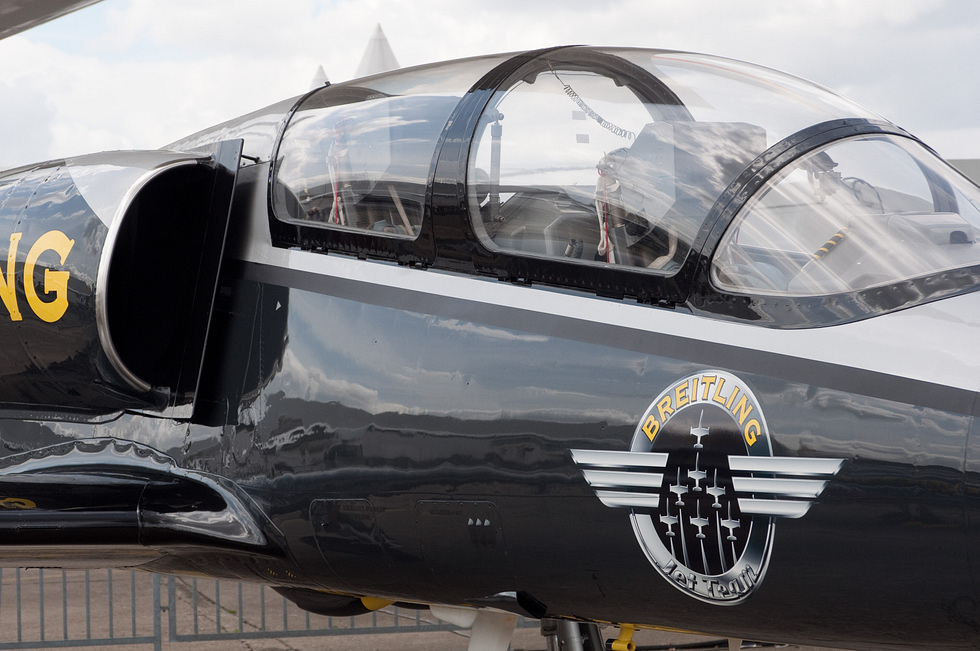
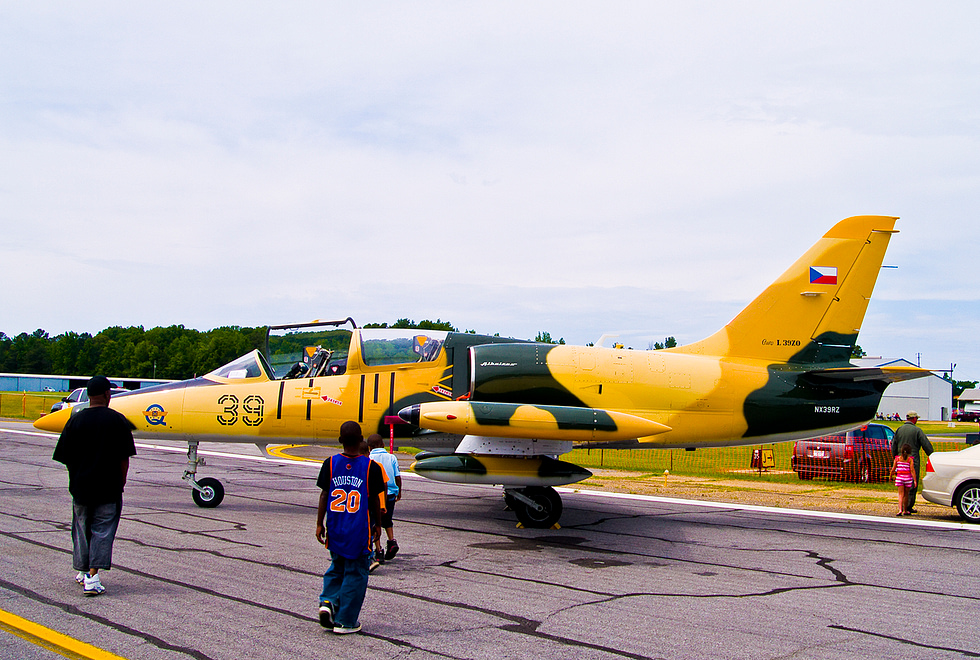
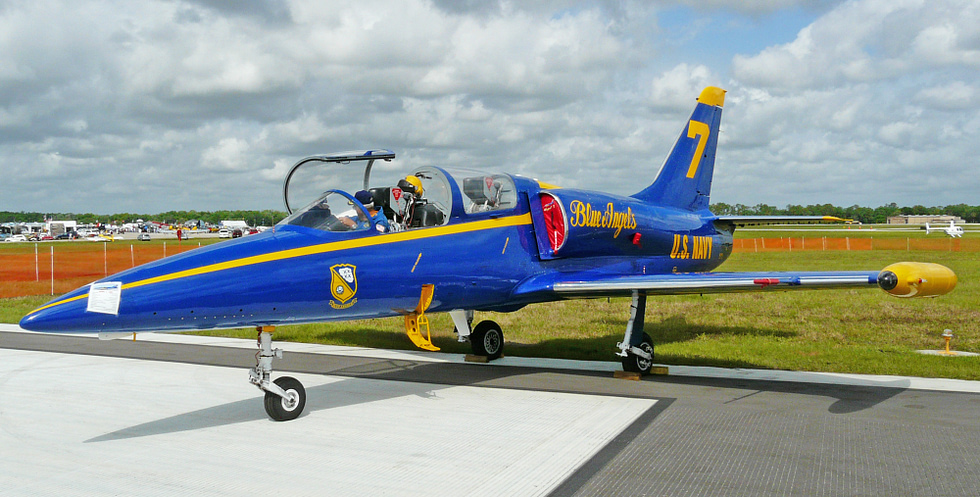
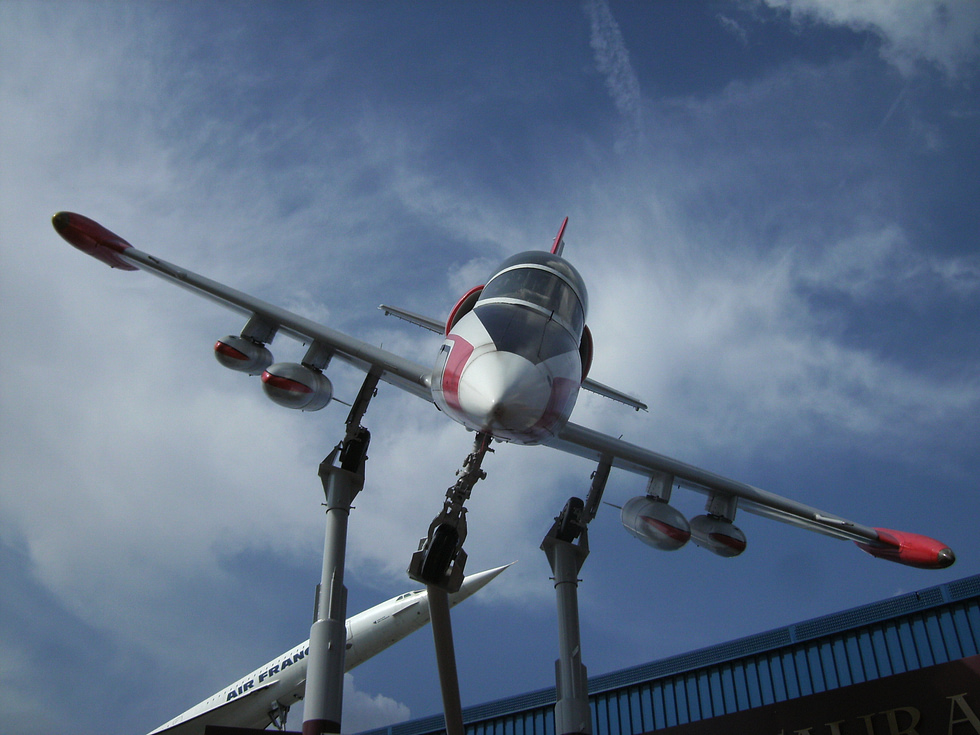
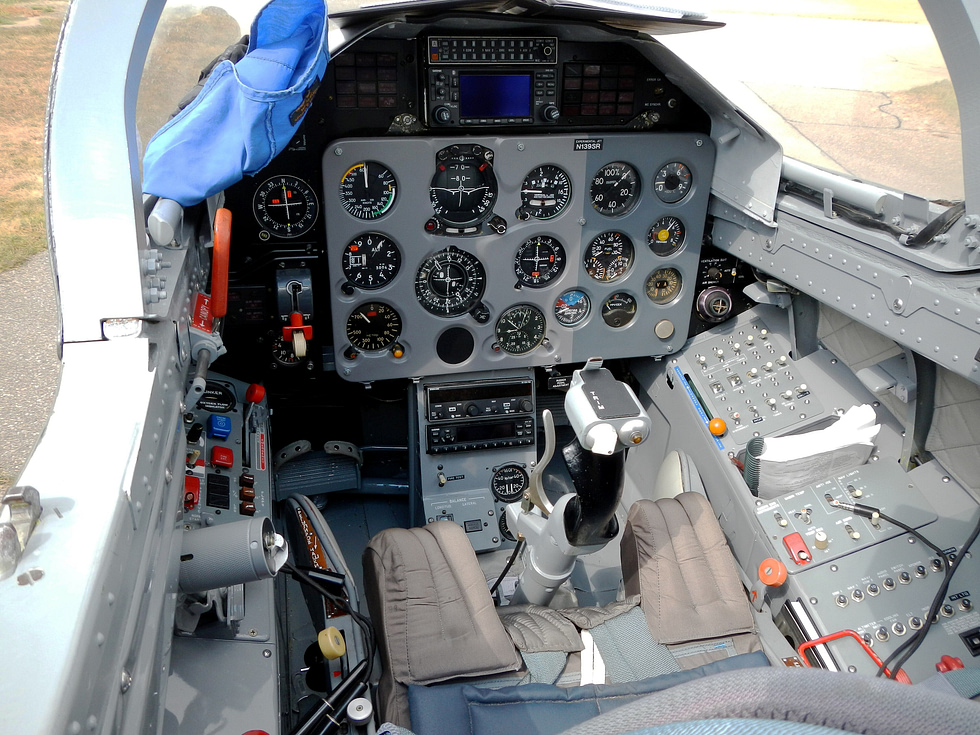
The Albatros in motion
Onboard aerobatic footage of the L-39 experience showcases exactly what makes it MiGFlug’s flagship flight — the elevated rear seat, the panoramic canopy and real high-G manoeuvring.
The L-39 Albatros in motion
Megaprojects — one of the most-watched L-39 Albatros films on YouTube.
Where the Albatros flew
A trainer that also went to war
First and foremost the L-39 is a trainer, but the armed L-39ZO / L-39ZA light-attack variants have seen real combat — a counter-insurgency and close-support record, not front-line air-to-air fighting. Its standout “record” is industrial rather than martial: the best-selling and most-produced jet trainer ever built, and the most numerous civilian jet warbird in the world.
Combat highlights: Syria (2011– ), where ~50 armed L-39s became a preferred ground-attack platform around Aleppo; Libya (2011); appearances in the Nagorno-Karabakh conflict; and delivery of surplus L-39ZA jets to Ukraine in 2024. Compare the combat record of every military aircraft. Figures as of July 2026.
Everything people ask about the L-39 Albatros
Can I fly an L-39 Albatros?
How fast is the L-39? Is it supersonic?
How much does an L-39 flight cost and where can I do it?
Is the L-39 still made?
How many L-39s were built?
Is the L-39 hard to fly?
אַתָה can actually fly the L-39.
Pick your cockpit.
Some legends only live in museums — others are fuelled and waiting. MiGFlug has put civilians in real military jet cockpits since 2004.
 Fly the L-39 AlbatrosThe world’s most-flown jet trainer — aerobatics included
 Fly the F-104 Starfighter“The missile with a man in it”
 Fly the MiG-21The Cold War’s most-produced jet
 טסו על ה-T-33 Shooting StarAmerica’s first jet trainer
 Fly the DH VampireA piece of early jet history
 Fly the S.211Agile Italian jet trainer
 Fly the MB-326The classic Aermacchi jet
 Fly the MiG-15The Soviet legend of the Korean War
Continue the tour
Every fact, checked
- MiGFlug — L-39 Albatros flight experienceThe flagship booking page: locations, prices and what the flight includes.
- MiGFlug — Flights & PricesConfirms the L-39 as MiGFlug’s most popular jet-flight offering.
- MiGFlug blog — “Elon Musk flew an L-39”The celebrity L-39 story and the accessibility of the flight.
- GlobalMilitary.net — L-39 specs & operatorsPerformance data and a current operator list (2026).
- MilitaryFactory — Aero L-39 AlbatrosDevelopment history, variants and specifications.
- Airforce-Technology — Aero L-39Trainer and ground-attack role overview.
- The Aviation Geek Club — Breitling Jet Team L-39sThe civilian display team and the jets’ later life training fighter pilots.
- FlyingMag — L-39NG certificationThe modernised L-39NG and its return to production.
- EurasianTimes — L-39 combat use in SyriaThe armed Albatros in the Syrian civil war.