
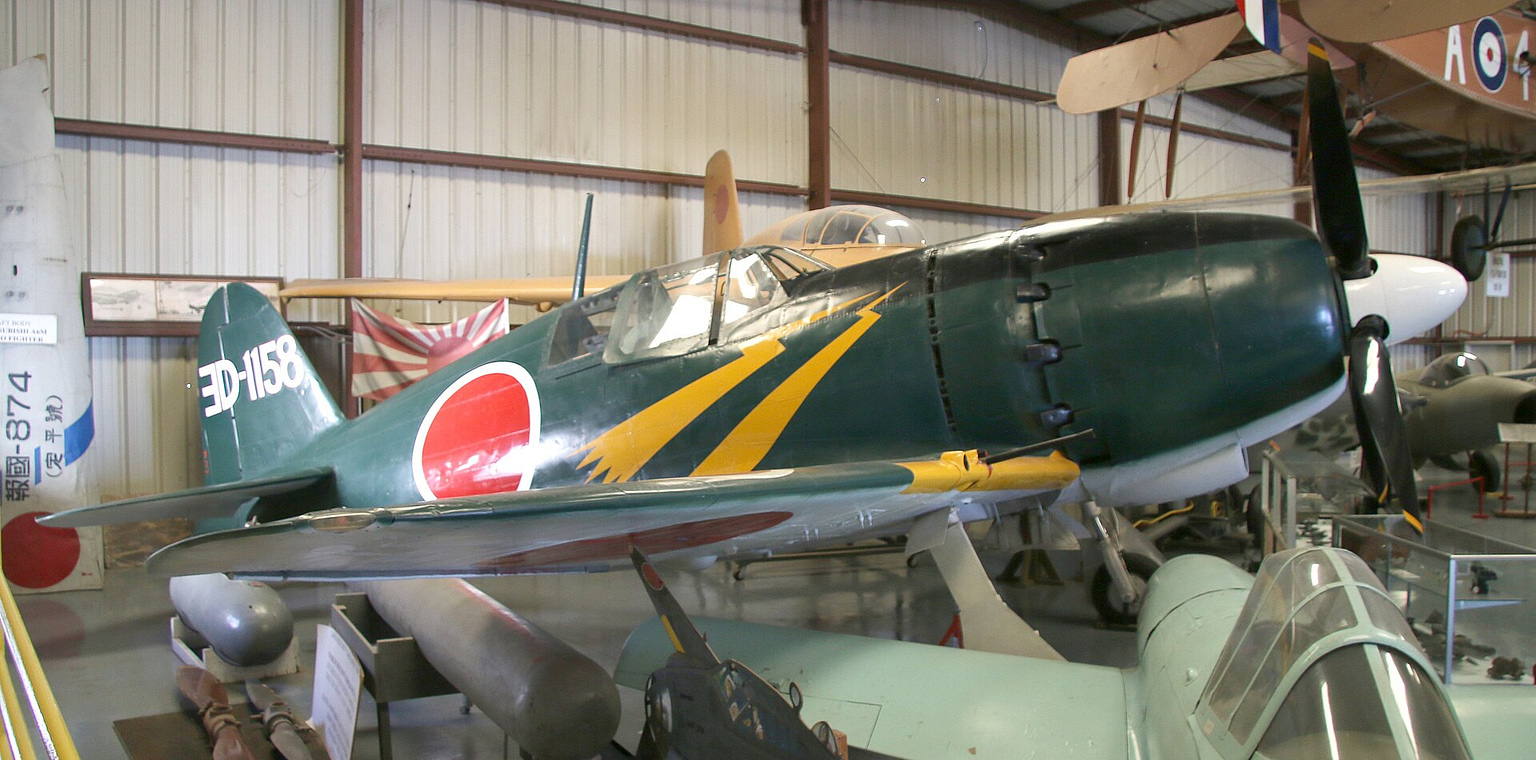
J2M Raiden
The Zero designer’s opposite fighter
The interceptor Jiro Horikoshi built to stop the bombers — fast-climbing, heavily armed and armoured, and almost everything the nimble Zero was not.
The Raiden: when the Zero’s designer built its opposite
The same engineer who gave Japan the featherlight, dancing A6M Zero also gave it the Raiden — and the two could hardly be less alike. Jiro Horikoshi designed the J2M not to turn and twist in a dogfight, but to climb fast, hit hard and knock down bombers. It was a deliberate rejection of the philosophy that had made the Zero famous.
The idea went back to a 1939 Imperial Japanese Navy requirement for a “local-defence interceptor” — a short-ranged fighter whose job was to scramble, climb and destroy high-flying raiders over Japan’s own cities and bases. Where the Zero traded everything for range and agility, the Raiden traded agility for speed, climb and firepower.
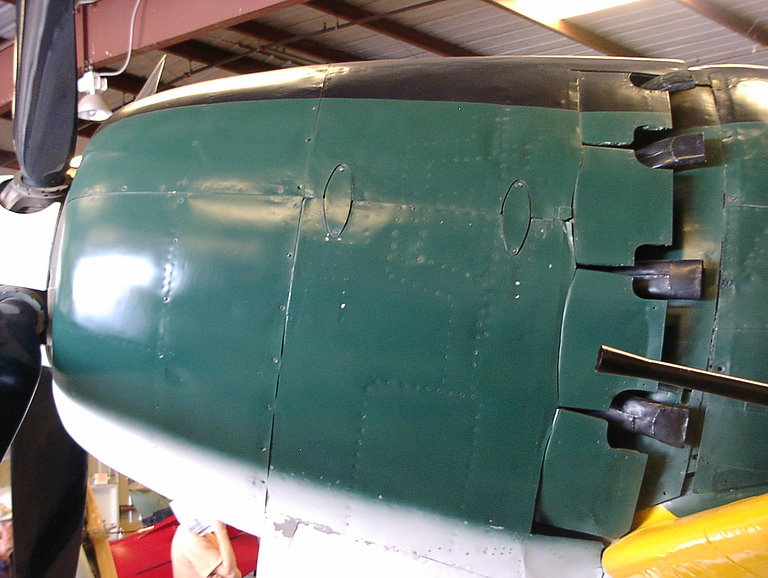
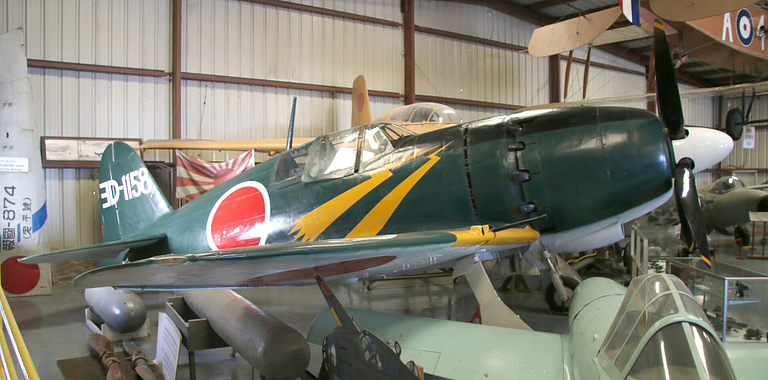
To get there, Horikoshi wrapped the airframe around a big Mitsubishi Kasei radial engine, mounting it well back behind a long, pointed cowling driven through an extension shaft and cooled by a forced-draught fan. The result was a fat, streamlined, purposeful-looking fighter with four 20 mm cannon — heavy armament by Japanese standards — but with a poor view over that long nose.
It was also a troubled aircraft. Engine vibration, cooling problems, a weak undercarriage and unreliable turbochargers dogged the programme for years. The Raiden that should have been ready to meet the American bombers arrived late, in small numbers, and never fully cured of its faults.
When the B-29 Superfortresses began their raids on Japan in 1944, the Raiden was one of the very few Japanese fighters with the climb and the guns to reach them and do real damage. But there were never enough, and even the Raiden struggled at the extreme altitudes the Superfortress preferred.
Only 493 were built before the war ended. The Raiden — codenamed “Jack” by the Allies — was a glimpse of where Japanese fighter design was heading: heavier, faster, built to kill bombers rather than dogfight. The war ended before that direction could bear full fruit.
01Why the Raiden mattered: the Zero’s designer changes his mind
The J2M is fascinating precisely because of who designed it. Jiro Horikoshi had built his reputation on the Zero’s astonishing lightness and agility, but he understood better than anyone that those qualities came at a cost in speed, climb, armour and firepower — exactly the qualities an interceptor needs.
The Raiden was his answer to a different question: not “how do we win a turning fight?” but “how do we stop a high, fast bomber?” That it arrived late and flawed reflects Japan’s wartime industrial strain more than any failure of the concept — the concept itself pointed straight at the future of piston fighter design.
How Horikoshi built a bomber-killer
An interceptor, not a dogfighter
Everything about the Raiden was tuned for one job: reaching a high, fast bomber quickly and destroying it. That meant power, climb, heavy cannon, armour and self-sealing tanks — and a willingness to sacrifice the very agility that had made Horikoshi’s Zero a legend.
The buried engine
To streamline the airframe around a bulky radial, Horikoshi set the Mitsubishi Kasei well back in the fuselage, driving the propeller through an extension shaft behind a long, pointed cowling. A forced-draught cooling fan kept the buried engine alive. The result was fast and clean — but the long nose left the pilot with a poor view forward.
Four heavy cannon
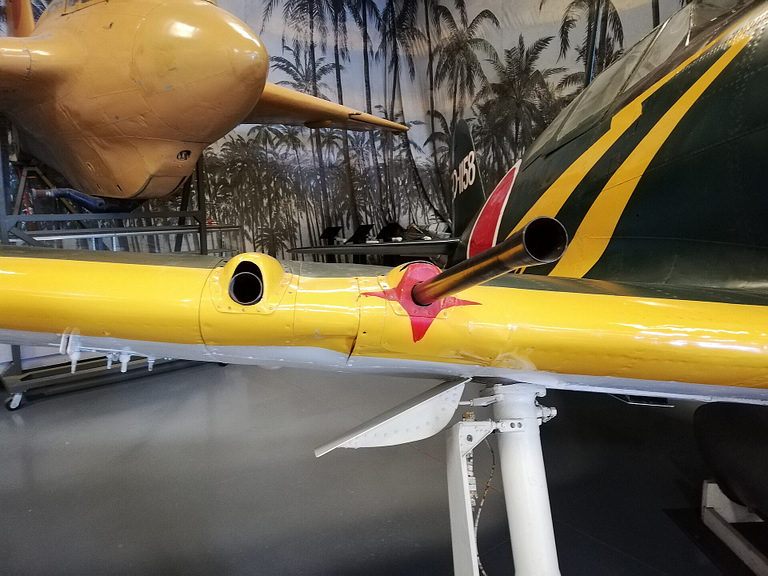
Where many Japanese fighters relied on a mix of light machine guns and one or two cannon, the Raiden carried four 20 mm cannon. Against the aluminium bulk of a B-29, that concentrated firepower was exactly what an interceptor needed.
02Why the Raiden was late: a programme fighting itself
The J2M’s development was plagued by the very features that made it advanced. The extension-shaft-and-fan cooling arrangement was complex and prone to vibration; the undercarriage and turbochargers gave trouble; and each fix took time Japan did not have. The upshot was that the interceptor designed in 1939 to stop bombers was still being sorted out when the bombers finally arrived in force in 1944 — and was never available in the numbers that were needed.
Mitsubishi J2M Raiden — by the numbers
Airframe & performance
- צוות
- 1
- מֶשֶׁך
- 9.95 m (32 ft 8 in)
- מוּטַת כְּנָפַים
- 10.8 m (35 ft 5 in)
- משקל ריק
- ~2,460 kg (5,423 lb)
- Max takeoff weight
- ~3,435 kg (7,573 lb)
- Max speed
- ~587 km/h (365 mph)
- תקרת השירות
- ~11,700 m (38,400 ft)
- לָנוּעַ
- ~1,900 km (1,180 mi)
Powerplant, armament & programme
- מָנוֹעַ
- Mitsubishi Kasei 23a radial, ~1,800 hp
- הְתחַמְשׁוּת
- 4 × 20 mm Type 99 cannon (armament varied by mark)
- First flight
- 20 March 1942 (J2M1 prototype)
- Built
- 493 (1942–1945)
- Operators
- Japan (Imperial Japanese Navy)
- Cost per flight hour
- Not recorded — retired at war’s end, 1945
- Variants
- J2M2 / J2M3 (most built) / J2M5 (high-altitude)
03Marks and armament
The Raiden evolved quickly across its short life. The early J2M2 gave way to the most-produced J2M3, which standardised the four-cannon armament, and the high-altitude J2M5 added a revised supercharger to claw back performance against the B-29 at height. Figures vary between marks, so the numbers above are representative of the type rather than any single version.
From a 1939 requirement to the last days of the war
A call for an interceptor
The Imperial Japanese Navy issues its “14-Shi” requirement for a fast-climbing, short-range local-defence interceptor — a very different aircraft from the Zero.
First flight, first troubles
The J2M1 prototype flies on 20 March 1942, but engine vibration, cooling and undercarriage problems immediately slow the programme.
Into service, slowly
The J2M2 and improved J2M3 reach navy units, though continuing teething troubles keep numbers low.
Meeting the Superfortress
As B-29 raids on Japan begin, the Raiden becomes one of the few interceptors able to climb to the bombers and hurt them with its four cannon.
Too few, too late
The high-altitude J2M5 appears, but the Raiden is never available in the numbers needed to blunt the American bombing campaign.
The final sorties
Raidens fly to the very end — a handful even tangling with US Navy Hellcats on 15 August 1945, hours before Japan’s surrender.
Eight chapters in the Raiden’s short life
Horikoshi’s other aircraft
The man who created the impossibly agile A6M Zero also designed the heavy, fast-climbing Raiden — a deliberate opposite.
The full story
The interceptor’s single-minded mission
The Raiden existed to do one thing: get off the ground, climb hard, and destroy a high-flying bomber.
The full story
Streamlining a fat radial
To wrap a slim fuselage around a bulky radial engine, Horikoshi buried the engine and drove the propeller through a long extension shaft.
The full story
Years of trouble
The Raiden should have been ready to meet the American bombers. Instead it spent years fighting its own engineering.
The full story
One of the few that could reach them
When the Superfortresses came, the Raiden was among the handful of Japanese fighters that could climb to meet them and do real harm.
The full story
Firepower built for bomber-killing
Where many Japanese fighters mixed light machine guns with a cannon or two, the Raiden carried four 20 mm cannon.
The full story
The Allied codename
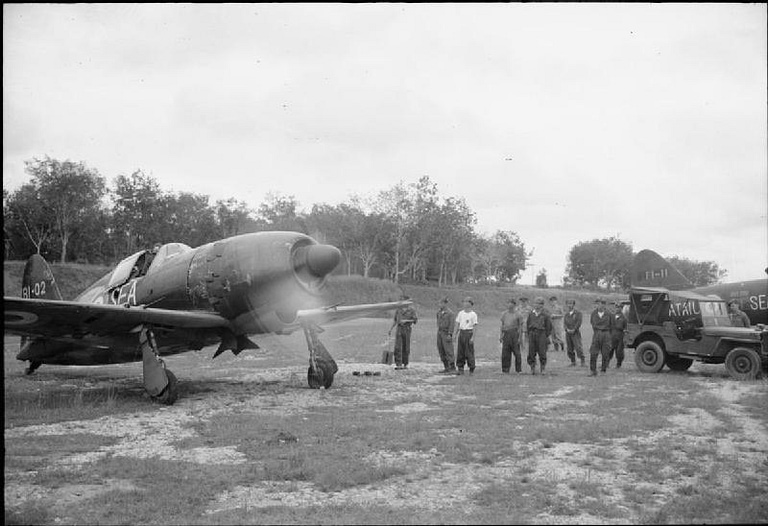
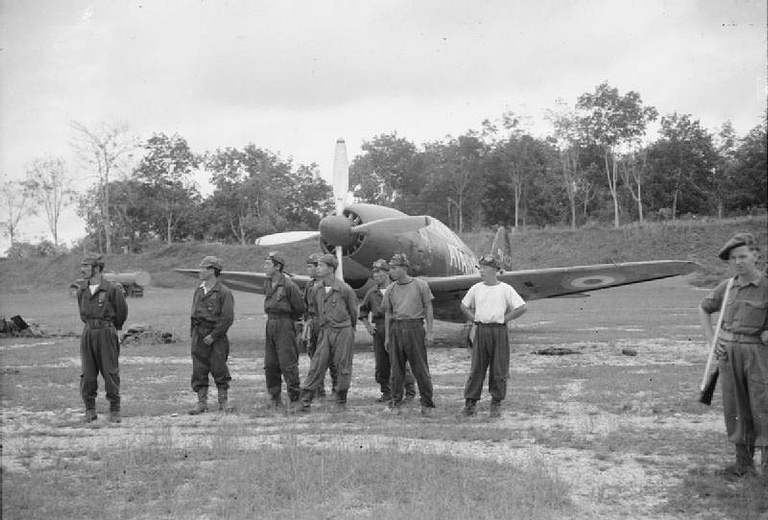
To Allied intelligence the Raiden was “Jack” — and after the war, captured examples were flown and studied.
The full story
One Raiden still exists
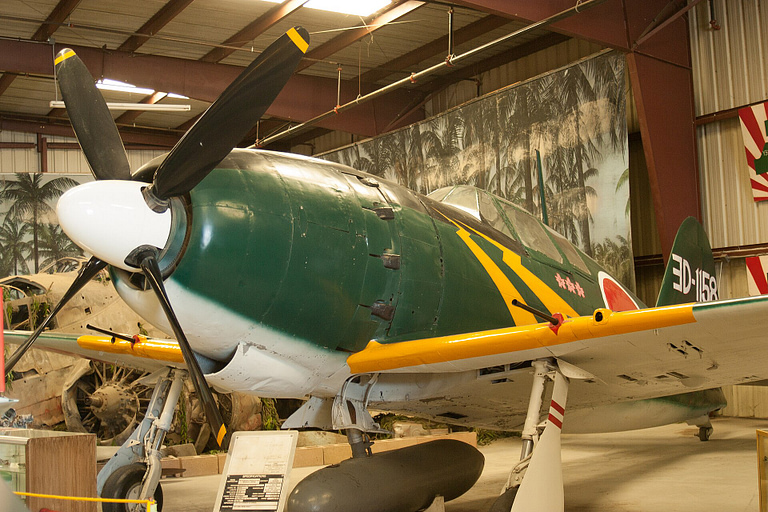
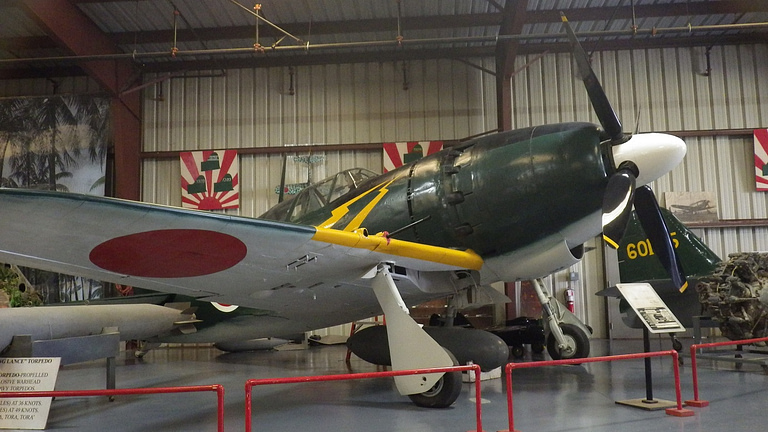
Of the 493 built, a single complete Raiden survives today — at the Planes of Fame Air Museum in California.
The full story
The Raiden in pictures
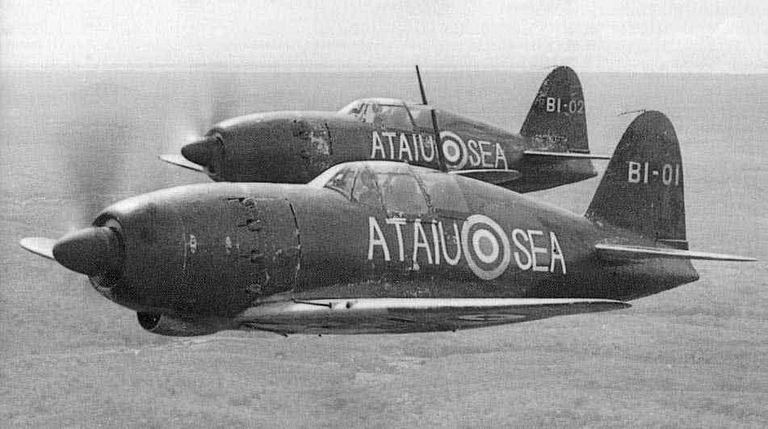
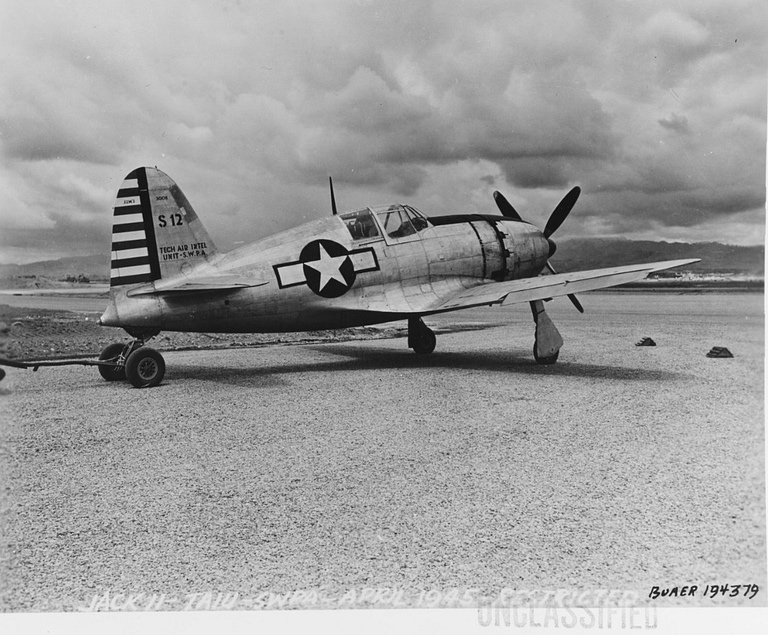
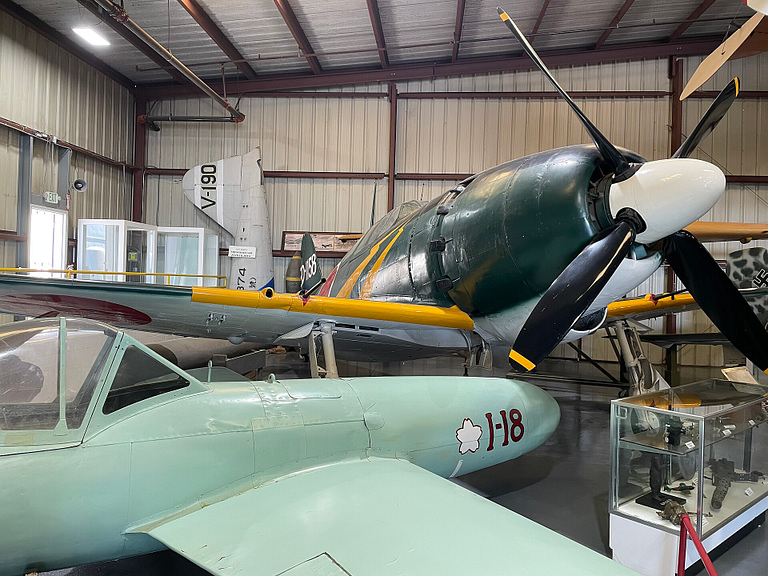
See the Raiden in context
Could a better interceptor have changed Japan’s air war? This history follows the Raiden from Horikoshi’s drawing board through its troubled development to its brief, hard-fought career against the B-29.
Video: “The Plane That (Hypothetically) Could Have Saved Japan: Mitsubishi J2M Raiden” by IHYLS (~122,000 views). Embedded via YouTube.
Where the Raiden fought
The Raiden, by the numbers
The J2M Raiden fought a short, concentrated war: a home-defence interceptor that arrived just as the American bombing campaign against Japan was building to its peak. Its record is defined less by aces than by a race against time — a promising bomber-killer that never reached the front in the numbers its mission demanded.
Wartime Japanese records are fragmentary, and individual Raiden victory tallies are hard to verify; the figures above reflect the type’s production and role rather than a detailed combat account.
Mitsubishi J2M Raiden — questions & answers
Can you fly a Mitsubishi J2M Raiden today?
No. Only one complete Raiden survives — at the Planes of Fame Air Museum in California — and there are no public J2M flights anywhere. If you want to fly a real fighter yourself, MiGFlug offers cockpit experiences in genuine jet fighters you can actually strap into.
Why did the designer of the Zero build such a different fighter?
Because the mission was different. The Zero was built for very long range and dogfighting agility; the Raiden was built as a short-range interceptor to climb quickly and destroy high-flying bombers. Jiro Horikoshi designed each aircraft for the job it had to do.
What was the Raiden’s Allied codename?
“Jack.” The Allies gave short reporting names to Japanese aircraft, and the J2M Raiden became known to American and British crews as “Jack.”
Was the J2M Raiden a good fighter?
For its role, yes — it had a strong climb and heavy cannon armament that made it dangerous to bombers. But chronic engine, cooling and reliability problems delayed it and kept numbers low, so it never had the impact its design promised.
How many Raidens survive?
Just one complete example is known to survive, preserved at the Planes of Fame Air Museum in Chino, California — the last of nearly 500 built.
You can’t fly a Raiden — but you can fly a fighter jet
The Raiden’s war belongs to history, but the thrill of flying a real fighter doesn’t. With MiGFlug you can strap into a genuine jet — from the L-39 Albatros to a MiG-29 at the edge of space — with an experienced fighter pilot beside you.
 Fly the L-39 AlbatrosThe world’s most-flown jet trainer — aerobatics included
 Fly the F-104 Starfighter“The missile with a man in it”
 Fly the MiG-21The Cold War’s most-produced jet
 טסו על ה-T-33 Shooting StarAmerica’s first jet trainer
 Fly the DH VampireA piece of early jet history
 Fly the S.211Agile Italian jet trainer
 Fly the MB-326The classic Aermacchi jet
 Fly the MiG-15The Soviet legend of the Korean War
Related aircraft
Where these facts come from
- Planes of Fame Air Museum — J2M3 RaidenThe world’s only surviving Raiden
- Vintage Aviation News — the last RaidenSurvivor history & restoration
- Plane-Encyclopedia — J2M Raiden “Jack”Development, variants & service
- San Diego Air & Space MuseumArchive photography of Japanese aircraft
Figures are drawn from museum and reference sources and cross-checked; where sources differ, the most commonly cited value is given. Performance and armament varied between the J2M2, J2M3 and J2M5 marks.