
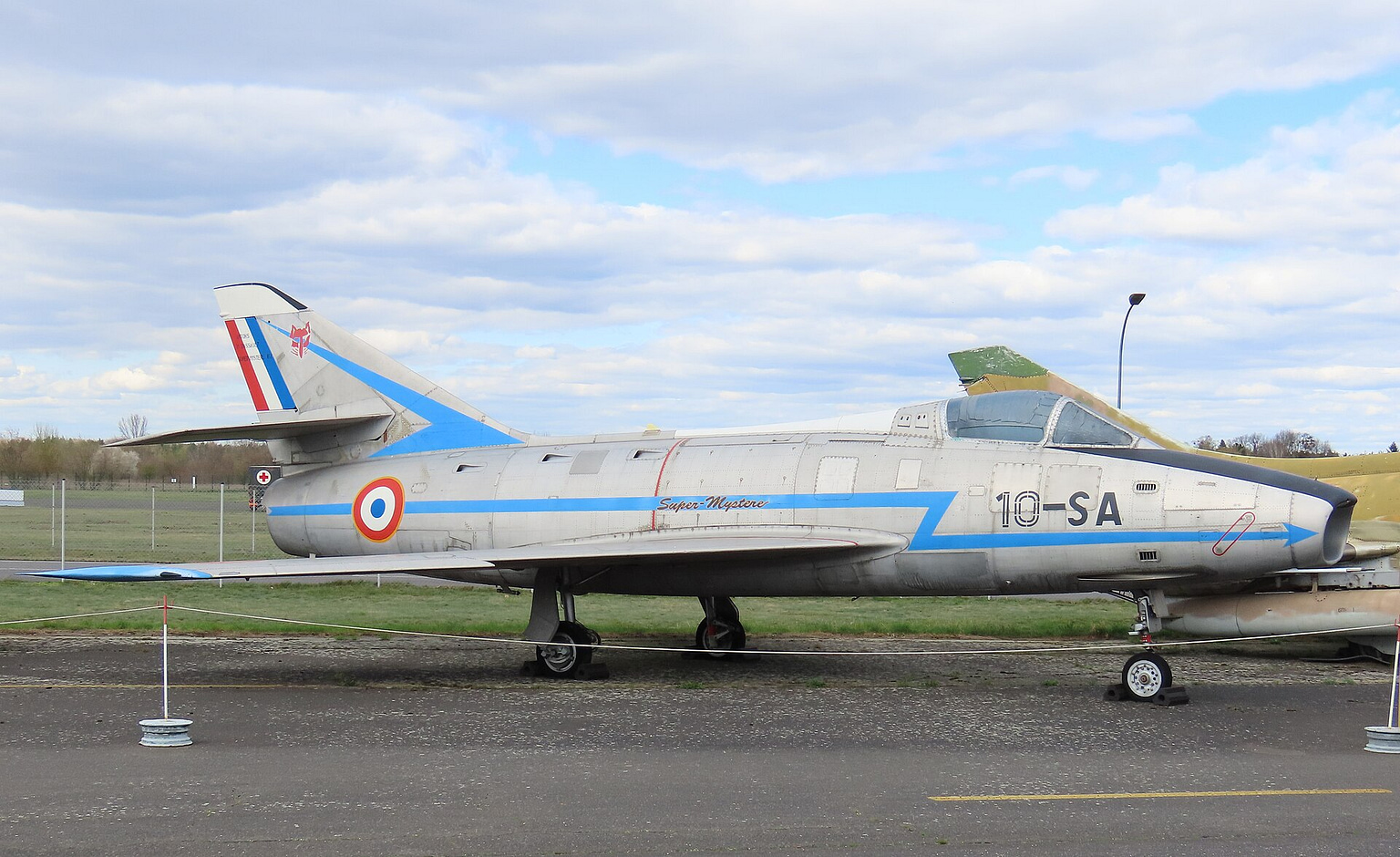
Dassault Super Mystère
Europe’s first supersonic
The first mass-produced supersonic aircraft built in Western Europe — a thin-winged, afterburning fighter-bomber that could hold Mach 1 in level flight, then went to war for Israel over Sinai and ended its days guarding Honduras.
Europe’s first supersonic, built for the everyday war
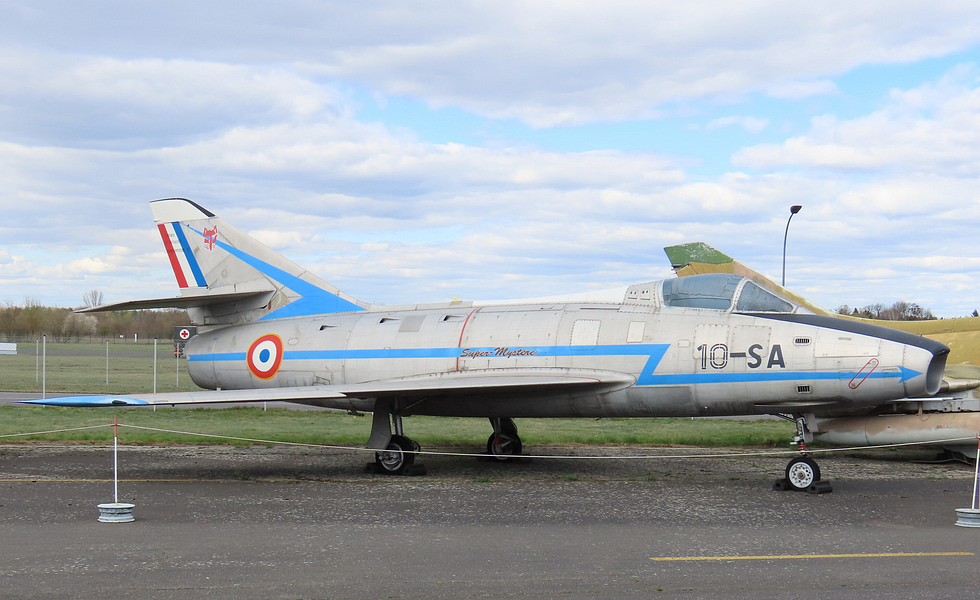
In the early 1950s Western Europe was still chasing an American and Soviet lead into supersonic flight. Dassault’s answer was not a revolutionary design but a careful, decisive evolution: take the successful Mystère IV day fighter, give it a thinner wing swept at 45 degrees, and bolt on an afterburning engine. The result, the Super Mystère, first flew on 2 March 1955 and reportedly went supersonic in level flight the very next day — something no earlier European production jet could do without diving.
That made it the first Western European aircraft to enter mass production capable of level supersonic flight. The prototype used a British Rolls-Royce Avon, but production Super Mystère B.2s switched to the home-grown SNECMA Atar 101G with reheat. Only around 180 were built between 1956 and 1959 — the type was quickly overtaken by Dassault’s own delta-winged Mirage III — yet it gave France, and then Israel, a genuine supersonic fighter-bomber years ahead of most of the continent.
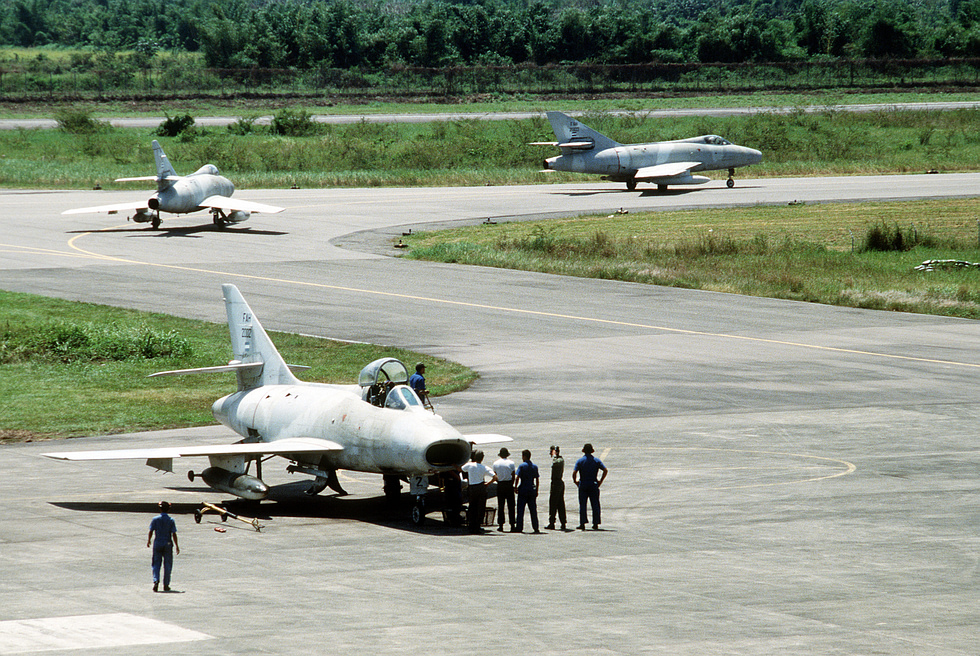
Its real fame came far from France. Israel bought two dozen in 1958 and flew them hard through the 1967 Six-Day War, the War of Attrition and the 1973 Yom Kippur War, mostly as a ground-attack aircraft. Survivors were re-engined with an American Pratt & Whitney J52 as the Sa’ar, then sold to Honduras — which flew them into the mid-1990s, making the little Dassault the last of its kind in the sky.
01How the Super Mystère turned the Mystère IV into Europe’s first level-supersonic fighter
The jump from the Mystère IV to the Super Mystère looks small on paper but was decisive in the air. Dassault gave the new aircraft a wing that was both thinner and more sharply swept — roughly 45 degrees — which cut transonic drag, and paired it for the first time in the family with an afterburning engine. The Mystère IV could only exceed the speed of sound in a dive; the Super Mystère could sustain it in level flight.
That single capability is why the type matters historically. When the B.1 prototype flew in March 1955 and broke the sound barrier in level flight the next day, Western Europe had, for the first time, a production-bound fighter that did not need gravity’s help to go supersonic. It was a bridge aircraft — the last of Dassault’s swept-wing line before the delta Mirage III rewrote the rules — but for a few years it was the fastest thing the continent built in numbers.
What makes it special
A thin wing and an afterburner
The Super Mystère’s breakthrough was aerodynamic, not exotic. A thinner wing swept at about 45 degrees reduced transonic drag, and an afterburning engine finally gave the family the thrust to push through the sound barrier in level flight. Earlier Mystères needed a dive; this one did not — the change that made it Western Europe’s first level-supersonic production jet.
The SNECMA Atar 101G
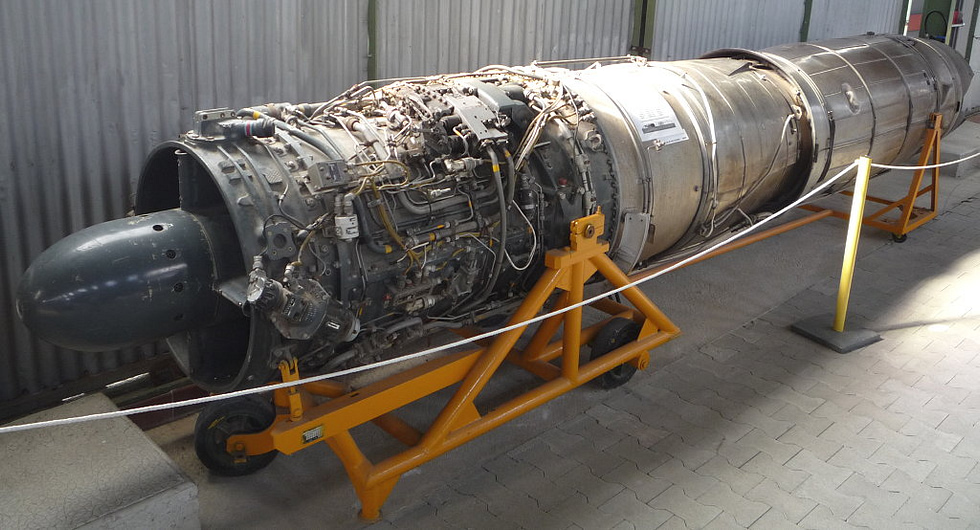
The prototype flew on a British Rolls-Royce Avon, but production aircraft used the French SNECMA Atar 101G-2 with reheat — about 44 kN (roughly 9,900 lbf) in afterburner. It was a milestone for French engine independence, an axial-flow turbojet whose Atar lineage would go on to power the Mirage III, Mirage F1 and beyond.
A true fighter-bomber
Armed with two 30 mm DEFA cannon and four hardpoints for bombs, rocket pods and later Shafrir missiles, the Super Mystère was built to fight air-to-air and hit the ground. That versatility is what kept it useful for decades — Israel and Honduras alike valued it far more as a rugged strike aircraft than as a pure interceptor.
02The Super Mystère’s engine: from Rolls-Royce Avon to the French Atar
The first Super Mystère prototype, the B.1, was powered by a British Rolls-Royce Avon RA.7R — a pragmatic choice while French engine development caught up. For the production B.2, Dassault fitted the home-grown SNECMA Atar 101G, an axial-flow turbojet with an afterburner producing around 44 kN of thrust in reheat. It was less powerful than the Avon but strategically vital: it kept the aircraft, and France’s fighter programme, independent of foreign engines. The Atar family matured into one of the most successful European jet engines ever, powering the entire Mirage dynasty.
03Why the Super Mystère fought as a bomber, not a dogfighter
On paper the Super Mystère was a supersonic day fighter, and Israeli pilots rated it a fair match for the MiG-19 in a turning fight. In practice, by the time it saw heavy combat in the late 1960s and 1970s it was outclassed in the air by newer types like the Mirage III and MiG-21. Its strength was as a fighter-bomber: fast, stable, hard-hitting with cannon, bombs and rockets, and rugged enough to absorb battle damage. Israel used it overwhelmingly for ground attack, and Honduras bought it for exactly the same reason — close air support over a contested border.
Full specifications
Airframe & Performance
- צוות
- 1
- מֶשֶׁך
- ~14.13 m
- מוּטַת כְּנָפַים
- ~10.51 m
- גוֹבַה
- ~4.55 m
- משקל ריק
- ~6,930 kg
- Max takeoff weight
- ~10,000 kg
- Max speed
- Mach 1.12 · ~1,195 km/h at altitude
- תקרת השירות
- ~17,000 m
- Combat range
- ~870 km
- קצב הטיפוס
- ~89 m/s
Propulsion & Systems
- מָנוֹעַ
- 1 × SNECMA Atar 101G-2
- Thrust
- ~44 kN (~9,900 lbf) with afterburner
- Cannon
- 2 × 30 mm DEFA 552
- External stores
- Rockets, bombs, Shafrir AAM (Israeli)
- נקודות קשיחות
- 4 · up to ~2,680 kg
- First flight
- 2 March 1955 (B.1 prototype)
- Built
- ~180 (1956–1959)
- Unit cost
- No reliable public figure
- Cost per flight hour
- No reliable public figure
04The Super Mystère’s cost: why no reliable dollar figure exists
The Super Mystère was a 1950s French military product, procured by France and then transferred between Israel and Honduras through government deals rather than sold on an open market. As a result there is no reliable public flyaway unit price or cost-per-flight-hour figure for the type, and any precise dollar number should be treated with caution. What can be said is that it was a relatively simple, single-engine aircraft — cheap enough that Honduras could buy and operate a handful into the 1990s, decades after France had retired the type. Several published specifications also disagree on small details such as height and empty weight; the figures here are given as approximate.
From French prototype to the last supersonic in Central America
Development begins
Dassault starts work on a supersonic evolution of the Mystère IV, with a thinner swept wing and an afterburning engine.
First flight
The Super Mystère B.1 prototype flies on 2 March, powered by a Rolls-Royce Avon, and reportedly goes supersonic in level flight the next day.
French service
The production B.2, re-engined with the SNECMA Atar 101G, enters French Air Force service — Western Europe’s first mass-produced supersonic aircraft.
Israel buys in
Israel receives its first Super Mystères — 24 aircraft — its first supersonic fighter type.
Six-Day War
Israeli Super Mystères fly strike and ground-attack missions in the June 1967 war, hitting Arab airfields and armour.
Yom Kippur & the Sa’ar
The type flies its last major Israeli battles; survivors are re-engined with the Pratt & Whitney J52 as the IAI Sa’ar.
Sold to Honduras
Honduras buys about a dozen ex-Israeli Super Mystères, later adding more — the last export customer for the type.
The last ones retire
Honduras finally withdraws its Super Mystères, replacing them with F-5s — ending the career of the world’s first Western-European production supersonic jet.
From the flight line: twelve Super Mystere stories
Born from the Mystère IV
Dassault took its Mystère IV day fighter, gave it a thinner wing and an afterburner, and cracked Mach 1 in level flight.
Read the full story
Supersonic the next day
The B.1 prototype flew on 2 March 1955 and, by the most-repeated account, broke the sound barrier in level flight the following day.
Read the full story
From British Avon to French Atar
The prototype flew on a Rolls-Royce Avon; production Super Mystères switched to the home-grown SNECMA Atar 101G.
Read the full story
Israel’s first supersonic fighter
The Israeli Air Force bought 24 Super Mystères in 1958, its first supersonic type and a fair match for the MiG-19.
Read the full story
Into the opening strike
On 5 June 1967 Israeli Super Mystères joined the pre-emptive assault on Arab airfields, then flew ground attack for the rest of the war.
Read the full story
Duelling along the canal
Through 1967–1970 Super Mystères flew strike and patrol missions in the grinding artillery war along the Suez Canal.
Read the full story
The last Israeli battles
By October 1973 the Super Mystère was elderly but still flew ground-attack sorties; around six were lost in the war.
Read the full story
Re-engined as the ‘Storm’
Israel re-engined survivors with a non-afterburning Pratt & Whitney J52 and new avionics, renaming them the IAI Sa’ar.
Read the full story
A second life in Central America
Honduras bought about a dozen ex-Israeli Super Mystères in 1976, later adding a handful more.
Read the full story
Guarding the Nicaraguan border
In the 1980s Honduran Super Mystères flew patrol and support missions along a tense frontier with Sandinista Nicaragua.
Read the full story
The last Super Mystères in the sky
Honduras flew the type until 1996, making it the final operator of Western Europe’s first production supersonic aircraft.
Read the full story
The bridge to the Mirage
The Super Mystère was the last of Dassault’s swept-wing line before the delta Mirage III changed everything.
Read the full story
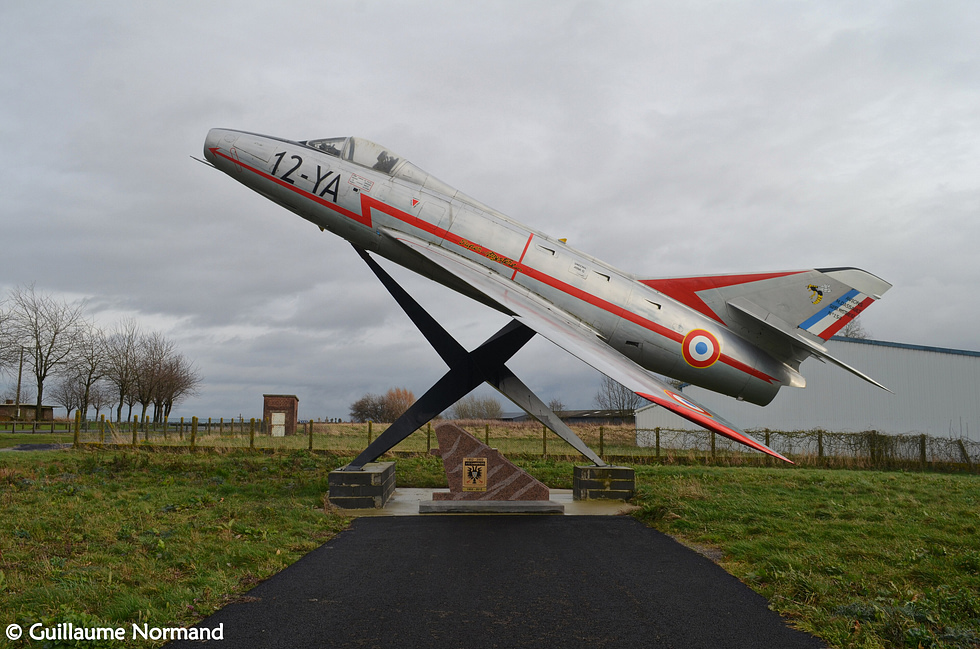
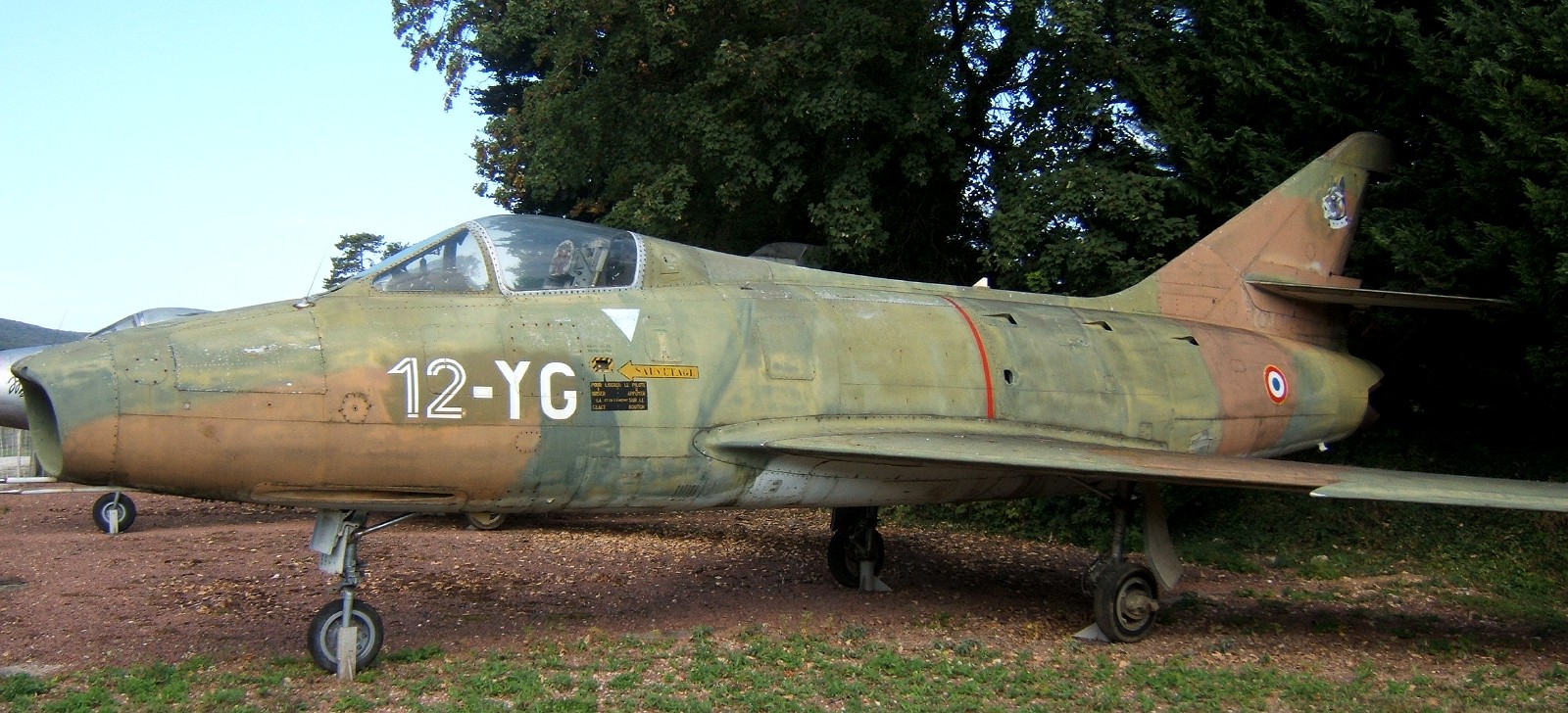
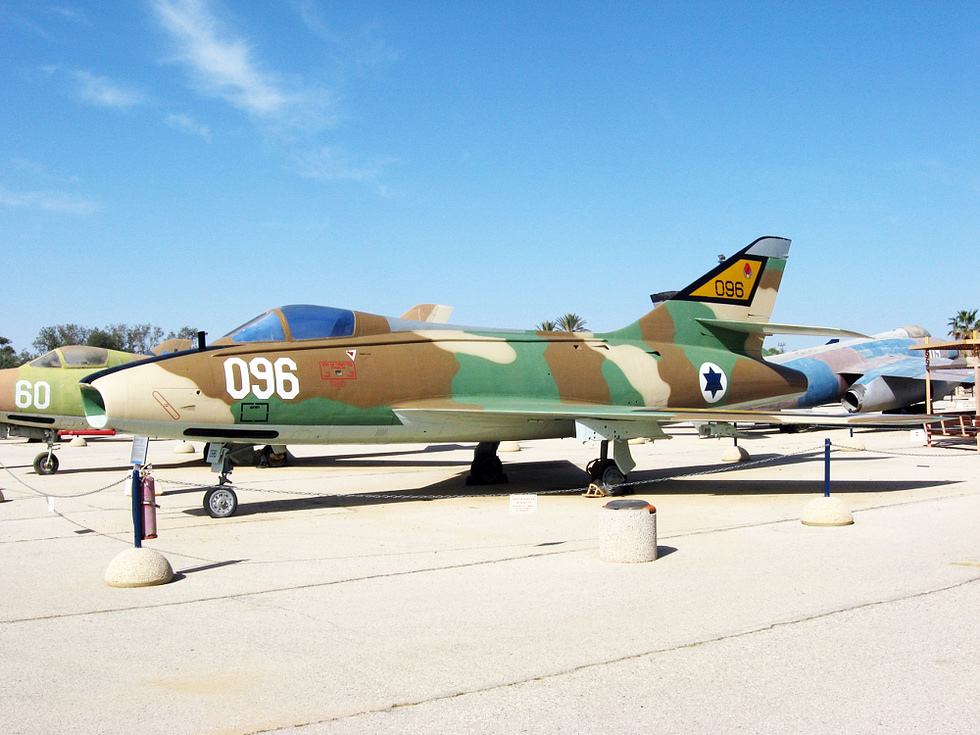
The Super Mystere in pictures
The Super Mystère in motion
Video coming soon. We are still sourcing a good, properly licensed film of the Dassault Super Mystère in flight and in service. In the meantime, explore the photo gallery, timeline and stories above for the full picture of Western Europe’s first production supersonic jet.
The Super Mystère in motion
Not A Pound For Air To Ground — one of the most-watched Super Mystère films on YouTube.
Where the Super Mystere flew
The score that defines it
The Super Mystère earned its combat reputation not in the record books but in the hard, repeated work of ground attack. In Israeli hands it fought through three wars — the 1967 Six-Day War, the War of Attrition and the 1973 Yom Kippur War — mostly striking airfields, armour and troops rather than duelling for air superiority. Precise air-to-air tallies for the type are contested and modest; its lasting mark is longevity, flying front-line missions for nearly four decades.
Compare the combat record of every military aircraft. Figures as of July 2026 and, for older conflicts, inevitably approximate.
Everything people ask about the Super Mystère
Can I fly in a Super Mystère?
Why is the Super Mystère historically important?
How is it different from the Mystère IV?
What is the IAI Sa’ar?
Did the Super Mystère see combat?
Who was the last operator?
How fast was it?
You can’t fly the Super Mystère.
These, you can.
Some legends only live in museums — others are fuelled and waiting. MiGFlug has put civilians in real military jet cockpits since 2004.
 Fly the L-39 AlbatrosThe world’s most-flown jet trainer — aerobatics included
 Fly the F-104 Starfighter“The missile with a man in it”
 Fly the MiG-21The Cold War’s most-produced jet
 טסו על ה-T-33 Shooting StarAmerica’s first jet trainer
 Fly the DH VampireA piece of early jet history
 Fly the S.211Agile Italian jet trainer
 Fly the MB-326The classic Aermacchi jet
 Fly the MiG-15The Soviet legend of the Korean War
Continue the tour
Every fact, checked
- Vintage Aviation News — First Flight of the Dassault Super MystèreDevelopment from the Mystère IV, the 1955 first flight and the level-supersonic milestone.
- Military Factory — Dassault Super MystèreSpecifications, armament and operator history for France, Israel and Honduras.
- Fastest Planes — Dassault Super MystèrePerformance figures, Israeli combat service and the Sa’ar re-engining.
- Ailes Anciennes ToulouseFrench preservation notes and airframe history for the Super Mystère B.2.
- Jewish Virtual Library — IAI Sa’arThe Israeli Sa’ar conversion and its Pratt & Whitney J52 re-engining.
- The Little Aviation MuseumConcise type history, variants and service summary.
- National Museum of the US Air ForceReference for preserved supersonic fighter airframes on display.