
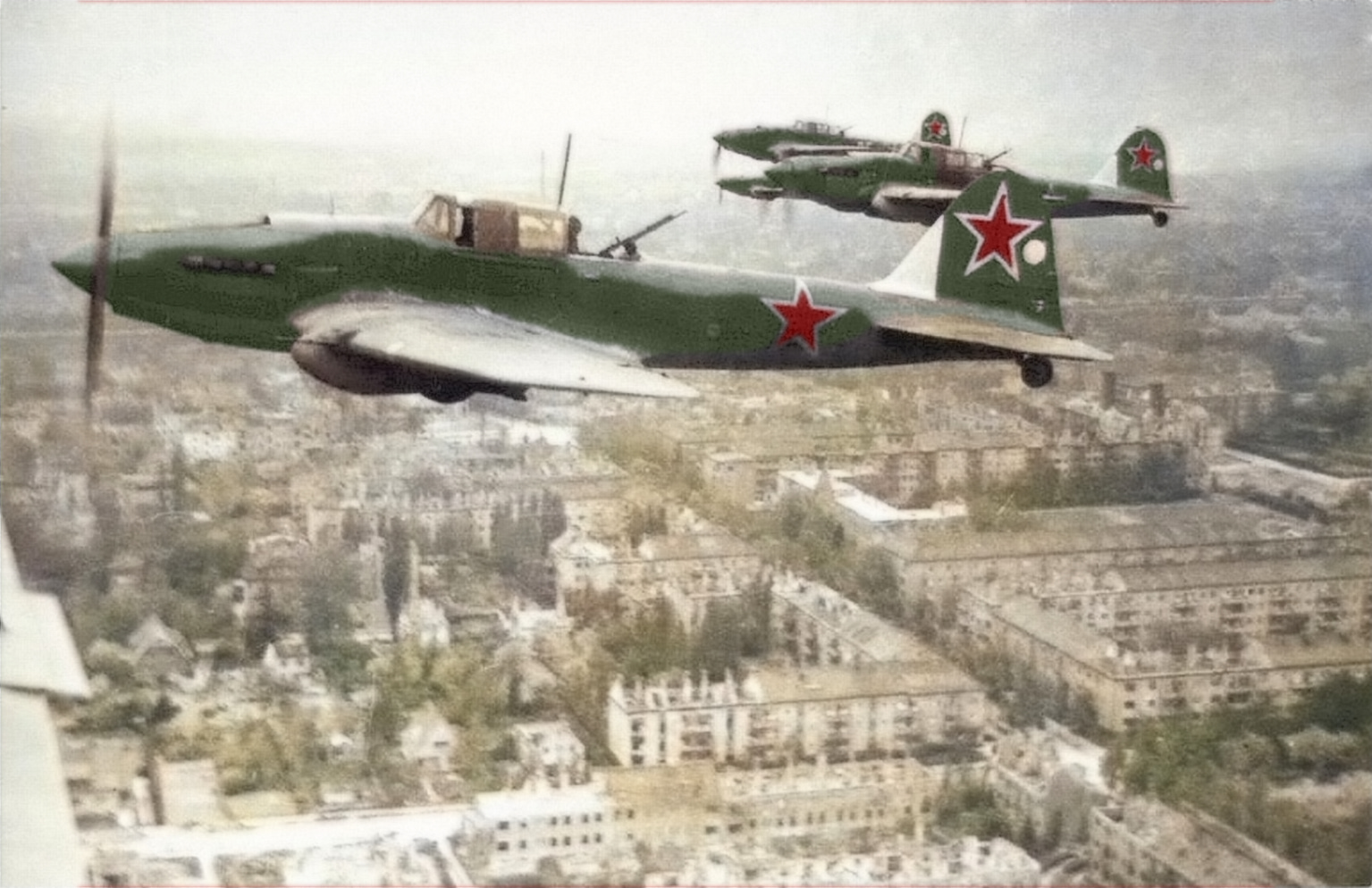
Ilyushin Il-2
“Sturmovik”
The Red Army’s armoured “flying tank” — a ground-attack aircraft whose armour was its airframe, built in greater numbers than any other military aircraft in history and central to victory on the Eastern Front.
The Il-2 Sturmovik: Stalin’s flying tank
In the late 1930s the Soviet designer Sergey Ilyushin set out to solve a problem that had defeated every other air force: how to build a ground-attack aircraft that could survive flying low and slow over a battlefield thick with rifle, machine-gun and light flak fire. His answer, first flown in 1939, was radical. Instead of bolting armour plate onto an existing airframe, he made the armour ה airframe. A single formed shell of steel — the “bronekorpus,” commonly likened to a bathtub — wrapped the engine, coolant system, fuel and cockpit and carried structural loads itself. The armour did not just protect the aircraft; it was a load-bearing part of it.
The Il-2 entered service in 1941, days before the German invasion, and its early career was brutal. To boost performance the type initially flew as a single-seater, with no defence against fighters attacking from behind — and German pilots quickly learned to strike from the unprotected rear. Losses were severe. From late 1942 Ilyushin restored a second crewman: a rear gunner with a heavy 12.7 mm machine gun, sitting behind the armoured tub in a far less protected position. The two-seat Il-2 was still vulnerable, but it could now bite back, and it is the version most people picture today.
What made the Sturmovik feared was its firepower. It carried 23 mm cannon, unguided RS-82 and RS-132 rockets, and from 1943 the PTAB — small shaped-charge anti-tank bomblets scattered by the hundred, able to punch through the thinner top armour of German tanks. At the Battle of Kursk in July 1943, Il-2 units flying the “circle of death” carousel attacked massed Panzers with these weapons. German troops reportedly nicknamed the aircraft the “Black Death” and the “Concrete Plane” for its toughness. Built in staggering numbers — roughly 36,000 Il-2s, and about 42,000 counting the follow-on Il-10 — it remains the most-produced military aircraft in history.
01The Il-2 Sturmovik’s armoured bathtub: how the armour became the airframe
Most armoured aircraft of the era carried protection as dead weight — plates added on top of a conventional structure. Ilyushin inverted the idea. The Il-2’s forward fuselage was a single moulded shell of hardened steel, commonly cited between roughly 4 and 12 mm thick depending on location, that enclosed the Mikulin engine, the radiators, the fuel and the pilot, and simultaneously served as primary structure. Because the armour did double duty as skin and frame, the aircraft carried far more protection for a given weight penalty than a bolt-on scheme would allow — commonly cited at several hundred kilograms of steel.
The trade-off was performance: the Il-2 was heavy, and never fast or agile. But over the battlefield that mattered less than survivability. Returning Sturmoviks were routinely counted with dozens of hits, and accounts describe individual aircraft absorbing very large numbers of strikes and still flying home — figures that should be read as illustrative of its reputation for toughness rather than precise engineering data.
What makes the Il-2 special
Structural armour — the ‘bathtub’
The Il-2’s defining feature was its armoured shell, a single formed tub of steel that enclosed engine, radiators, fuel and pilot and doubled as load-bearing structure. Because the armour was the airframe, the aircraft could carry heavy protection where a bolted-on scheme could not — the origin of its “flying tank” reputation.
Anti-tank firepower — cannon, rockets & PTAB
The Sturmovik carried 2 × 23 mm cannon, machine guns, and up to eight RS-82 / RS-132 rockets. Its most devastating weapon arrived in 1943: the PTAB shaped-charge bomblet, dropped in hundreds to defeat the thin top armour of tanks — used to great effect at Kursk.
Built by the tens of thousands
Rugged, simple and made partly of wood and steel rather than scarce light alloys, the Il-2 was ideal for mass production. Around 36,000 were built — about 42,000 with the Il-10 successor — making it the most-produced military aircraft in history and a backbone of Soviet air power.
02The Il-2 Sturmovik at Kursk: PTAB bomblets and the ‘circle of death’
The PTAB (protivotankovaya aviabomba) was a small shaped-charge bomblet weighing about 1.5 kg. A single Il-2 could carry hundreds of them in its bomb bays and scatter them across an area, so that even near-misses could pierce the thinner armour on a tank’s engine deck and turret roof. First used in strength at the Battle of Kursk in July 1943, they let the Sturmovik attack massed armour far more effectively than free-fall bombs or cannon alone. Il-2 units also flew the “krug smerti” or circle of death — a rotating wheel of aircraft in which each covered the tail of the one ahead while taking turns to dive on the target. Soviet claims of tanks destroyed at Kursk were very high and are now regarded by historians as inflated, but the psychological and disruptive effect on German armour was real.
03The single-seat Il-2’s fatal blind spot — and the rear gunner who fixed it
To wring more speed and range out of the design, the Il-2 entered service as a single-seater. It was well protected from the front and below, but had nothing covering its tail — and German fighter pilots soon learned to attack from behind and slightly below, into the aircraft’s blind spot. Loss rates in 1941–42 were punishing. The fix was to restore the rear gunner that early prototypes had carried, armed with a 12.7 mm UBT machine gun, from late 1942. The gunner sat behind the armoured tub with much less protection than the pilot, and gunner casualties were heavy — but the two-seat Il-2 could finally defend its tail, and survivability improved markedly.
Full Il-2 specifications
Airframe & Performance
- צוות
- 2 (pilot + rear gunner; early aircraft single-seat)
- מֶשֶׁך
- ~11.6 m
- מוּטַת כְּנָפַים
- ~14.6 m
- גוֹבַה
- ~4.2 m
- Max takeoff weight
- ~6,360 kg
- Max speed
- ~410 km/h (at low level)
- לָנוּעַ
- ~720 km
- תקרת השירות
- ~5,500 m
- Armoured shell
- Structural steel “bathtub” (several hundred kg)
- First flight
- 2 October 1939 (TsKB-55 / BSh-2)
Propulsion & Armament
- מָנוֹעַ
- 1 × Mikulin AM-38 (later AM-38F)
- Power
- ~1,600–1,720 hp
- Cannon
- 2 × 23 mm VYa-23 (early: 20 mm ShVAK)
- Machine guns
- 2 × 7.62 mm ShKAS + 1 × 12.7 mm UBT (rear)
- Rockets
- Up to 8 × RS-82 / RS-132
- Bombs
- Up to ~600 kg, incl. PTAB bomblets
- Built
- ~36,000 Il-2 (1941–1945)
- Cost per flight hour
- No meaningful modern figure (wartime state product)
04The Il-2 Sturmovik’s cost: why no dollar price exists
The Il-2 was a wartime Soviet state product, built to a planned economy’s output targets rather than sold on an open market, so there is no meaningful flyaway dollar price or cost-per-flight-hour figure for it. What the record does make clear is that it was designed to be cheap and fast to build — using wood in the rear fuselage and outer wings to spare scarce aluminium, and simple enough that factories could turn out thousands per month at the production peak. That affordability, as much as its armour, is why roughly 36,000 were built. Any precise cost figure attached to the type should be treated as an estimate.
The Il-2 from drawing board to war’s end
Ilyushin proposes an armoured attacker
Sergey Ilyushin pitches a heavily armoured ground-attack aircraft (the BSh / TsKB-55) with an armour shell that forms part of the structure.
First flight
The prototype flies on 2 October 1939, initially as a two-seat design with a rear crewman.
Enters service — as a single-seater
The Il-2 reaches units just as Germany invades. Flown single-seat for performance, it proves dangerously exposed to fighters from behind.
The rear gunner returns
From late 1942 the two-seat Il-2 restores a rear gunner with a 12.7 mm machine gun, sharply improving survivability.
PTAB bomblets debut at Kursk
At the Battle of Kursk, Sturmoviks scatter shaped-charge PTAB bomblets over massed German armour to devastating disruptive effect.
Peak production
Soviet factories pour out Il-2s in enormous numbers; the type becomes the backbone of Red Army close air support.
War’s end — ~36,000 built
By VE-Day the Il-2 is the most-produced military aircraft in history; the more refined Il-10 is entering service alongside it.
Service across the Eastern Bloc
Poland, Czechoslovakia, Yugoslavia, Bulgaria and Mongolia operate Il-2s and Il-10s into the early 1950s before jets replace them.
From the Eastern Front: twelve Sturmovik stories
The armour that became the airframe
Sergey Ilyushin’s insight: make the armour a structural part of the aircraft, not dead weight.
Read the full story
Why they called it the ‘flying tank’
The armoured tub protected the vital core of the aircraft against small-arms and light flak.
Read the full story
The single-seat blind spot
Flown without a rear gunner for speed, early Il-2s were savaged by fighters attacking from behind.
Read the full story
The gunner who fixed it
A rear gunner with a heavy machine gun was restored — brave, exposed work behind the armour.
Read the full story
‘Like air, like bread’
A 1941 telegram reportedly demanded more Sturmoviks in the bluntest possible terms.
Read the full story
The ‘Black Death’
German troops are said to have given the Il-2 grim nicknames born of its toughness.
Read the full story
PTAB against the Panzers
Tiny shaped-charge bomblets, dropped by the hundred, could pierce a tank’s thin top armour.
Read the full story
The circle of death
Il-2s attacked in a rotating wheel, each covering the tail of the one ahead.
Read the full story
Home on a wing and a prayer
Sturmoviks routinely returned riddled with hits that would have downed lesser aircraft.
Read the full story
More than any aircraft ever built
Around 36,000 Il-2s rolled out — a number no other military aircraft has matched.
Read the full story
From Il-2 to Il-10
A cleaner, faster all-metal development carried the Sturmovik idea past 1945.
Read the full story
The Sturmovik after the war
Il-2s and Il-10s flew on across the Eastern Bloc before jets took over.
Read the full story
The Sturmovik in pictures
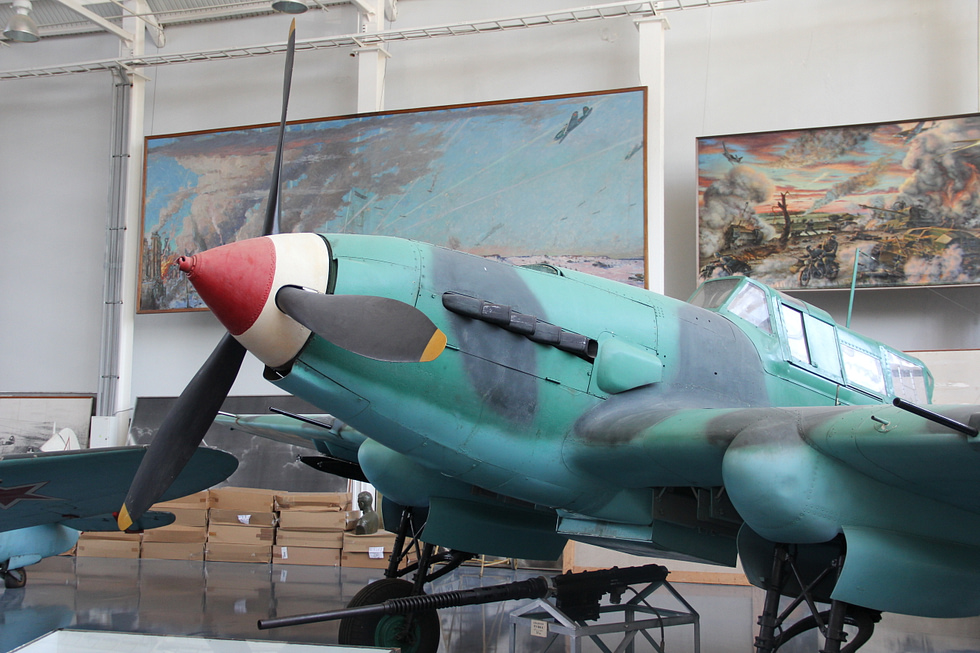
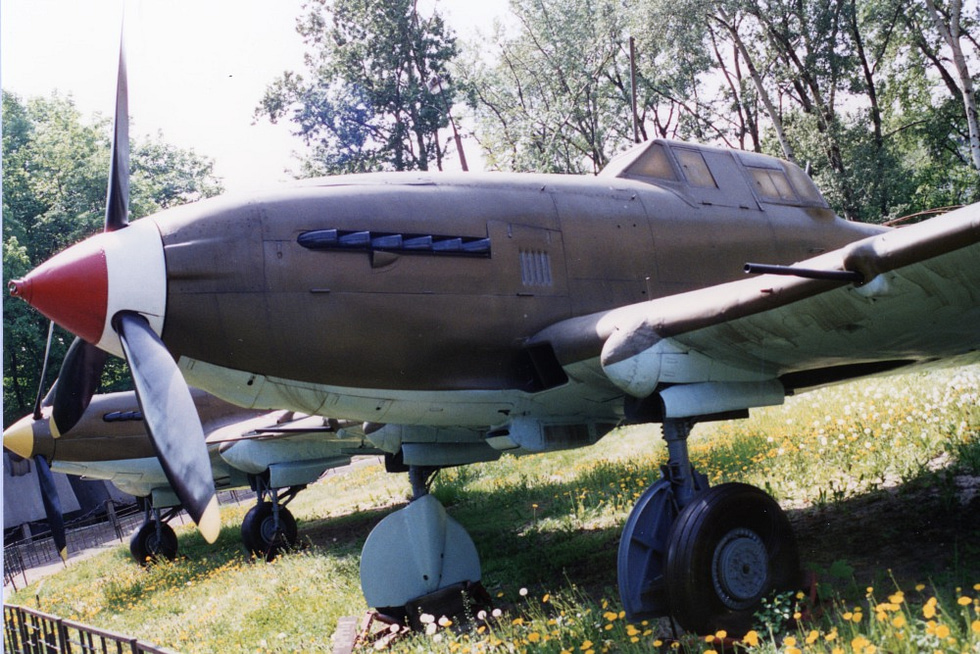
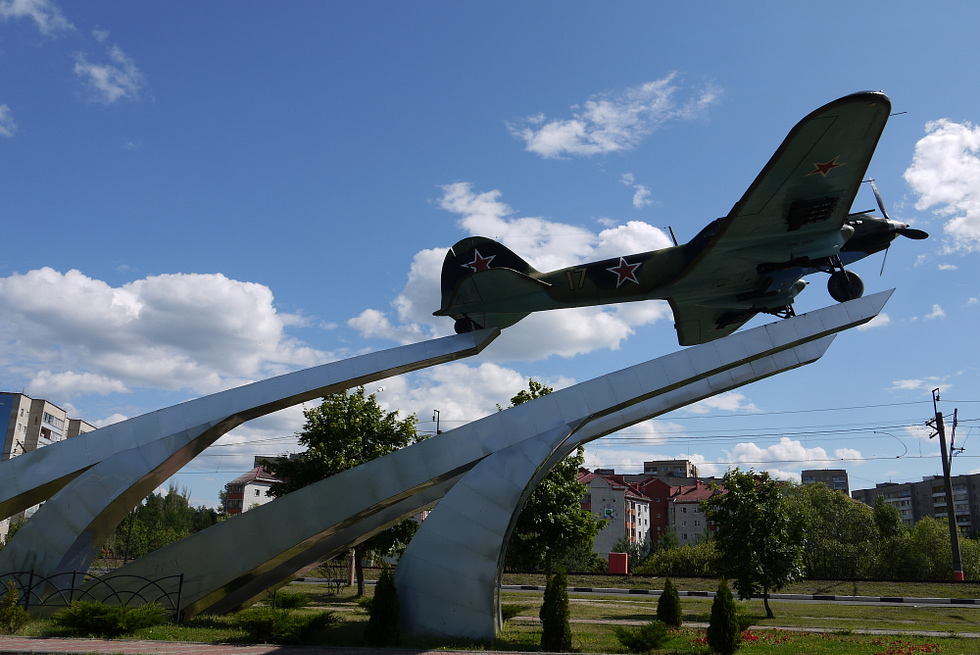
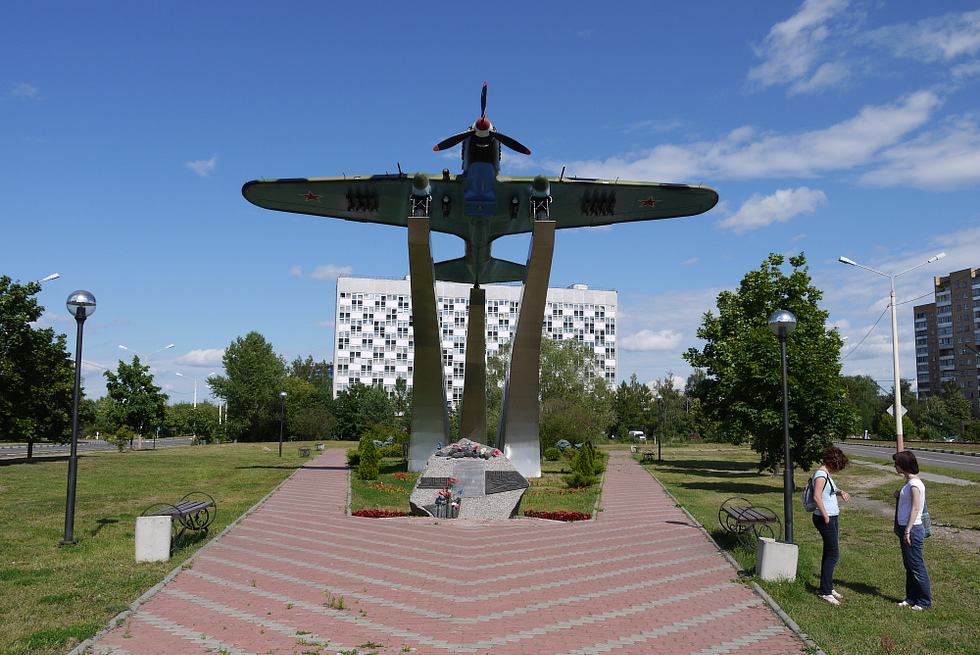
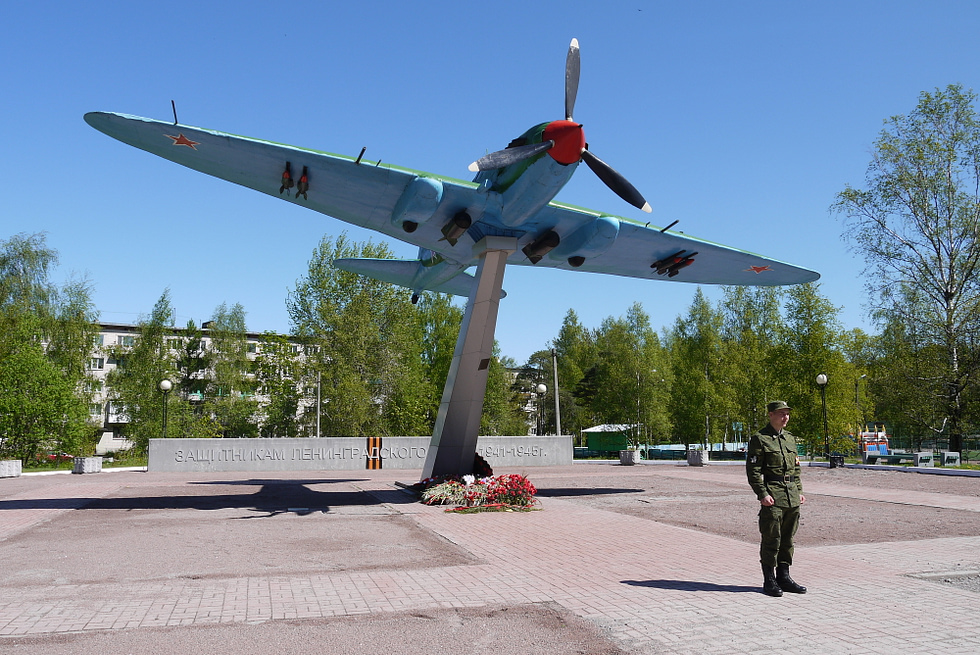
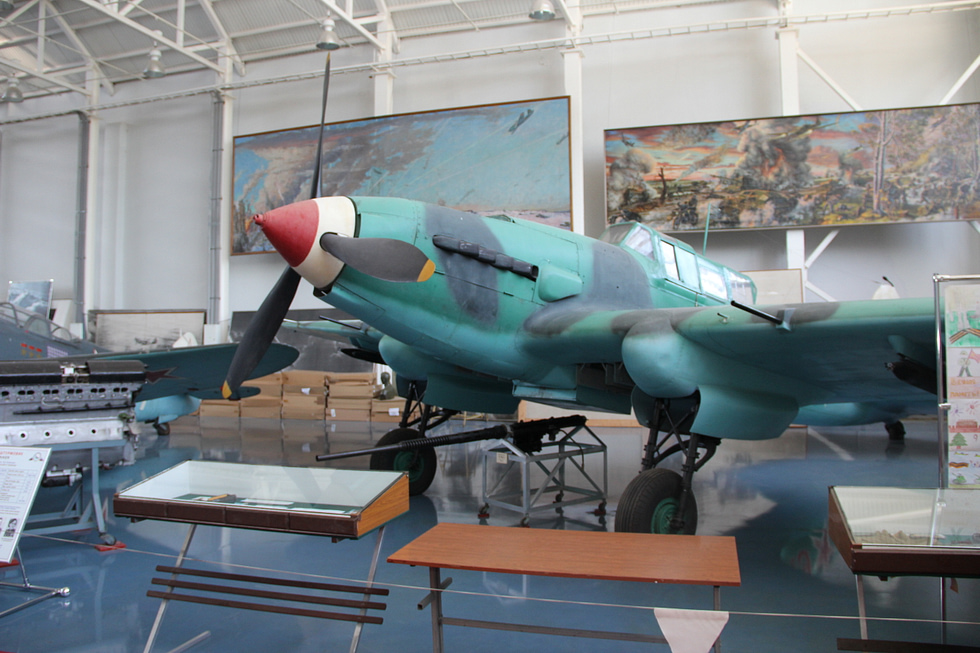
The Sturmovik in motion
A verified documentary feature for the Il-2 is on the way — video coming soon. In the meantime, explore the photo gallery above and the eyewitness stories from the Eastern Front.
Where the Sturmovik flew
The record that defines the Il-2
The Sturmovik’s significance is not measured in air-to-air kills but in mass, endurance and effect on the ground. It flew hundreds of thousands of close-support sorties over the Eastern Front, blunting German offensives and supporting Soviet advances from Moscow to Berlin — and it did so in numbers no other combat aircraft has ever matched.
Compare the combat record of every military aircraft. Figures as of July 2026.
Everything people ask about the Il-2 Sturmovik
Can I fly in an Il-2?
Why was the Il-2 called the ‘flying tank’?
How many Il-2s were built?
Why did the Il-2 add a rear gunner?
What were PTAB bomblets?
Why did the Germans call it the ‘Black Death’?
Is the Il-2 still flying?
You can’t fly the Il-2.
These, you can.
Some legends only live in museums — others are fuelled and waiting. MiGFlug has put civilians in real military jet cockpits since 2004.
 Fly the L-39 AlbatrosThe world’s most-flown jet trainer — aerobatics included
 Fly the F-104 Starfighter“The missile with a man in it”
 Fly the MiG-21The Cold War’s most-produced jet
 טסו על ה-T-33 Shooting StarAmerica’s first jet trainer
 Fly the DH VampireA piece of early jet history
 Fly the S.211Agile Italian jet trainer
 Fly the MB-326The classic Aermacchi jet
 Fly the MiG-15The Soviet legend of the Korean War
Continue the tour
Every fact, checked
- Military Machine — Ilyushin Il-2 ShturmovikSpecifications, armour construction, production totals and the Stalin telegram.
- PlaneHistoria — The Flying TankThe structural armour bathtub, AM-38 engine, PTAB bomblets and the two-seat fix.
- The National Interest — The ‘Flying Tank’Why no aircraft has been built in bigger numbers, and its role crushing German armour.
- Military Factory — Ilyushin Il-2 (Bark)Reference specifications, armament fits and variant history.
- Iconic WW2 — Il-2, the flying tankDesign origins, the circle-of-death tactic and Eastern-Front service.
- MiGFlug Afterburner — The Il-2, the Most-Produced Military AircraftMiGFlug’s own feature on the Sturmovik’s record-setting production.
- The National WWII MuseumContext on Eastern-Front air power and Soviet ground-attack operations.