
Designed by Geoffrey de Havilland in 1916, the DH.4 was widely regarded as the finest single-engined day bomber of the First World War — fast enough to outrun many fighters, and the one aircraft the United States mass-produced to send its own airmen into battle.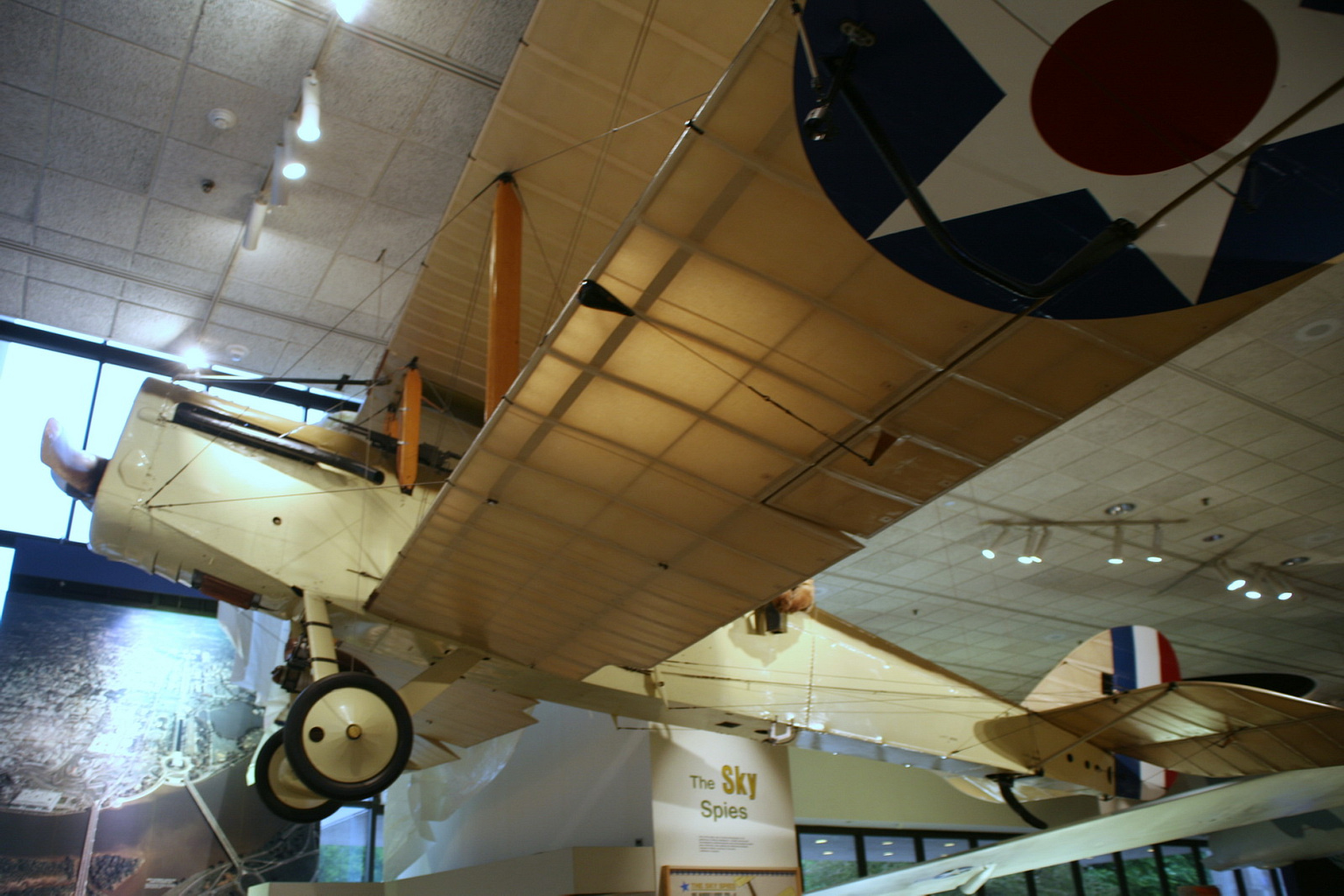
Airco DH.4
Britain’s fast day bomber — and America’s “Liberty Plane”
The Airco DH.4: how a fast day bomber outran the fighters — and armed the American Expeditionary Force
By 1916 the Royal Flying Corps needed a bomber that could reach its target, hit it accurately in daylight, and come home again — ideally without an escort. Geoffrey de Havilland, chief designer at the Aircraft Manufacturing Company (Airco), answered with the DH.4: a clean, conventional two-bay biplane built around the most powerful reliable engine Britain could offer. It first flew in August 1916 and reached the Western Front with No. 55 Squadron in spring 1917.
What set the DH.4 apart was speed. With the 375 hp Rolls-Royce Eagle VIII, a good example could reach roughly 230 km/h (about 143 mph) — fast enough that it could often outrun the German fighters sent to intercept it. Contemporaries and later historians frequently called it the best single-engined day bomber of the war, a reputation earned by its combination of pace, load and handling. We hedge that superlative deliberately: it is a widely repeated judgement rather than a measurable fact, and much depended on which engine a given airframe carried.
Fast, strong and accurate, the DH.4 could carry the fight to the enemy by day — and, uniquely, it became the aircraft that took Americans into the air war in their own machines.
That engine question was the DH.4’s great weakness. The Eagle was superb but always in short supply, so many British DH.4s were fitted with less satisfactory powerplants — the BHP/Puma, the RAF 3a, the Fiat A-12 and others — which blunted the very performance that made the design special. A DH.4 was only ever as good as the engine bolted to its nose.
The aircraft’s other notorious feature sat in the middle of the fuselage: the main fuel tank was placed between the pilot and the observer. That widened the gap between the two crew, making it hard for them to communicate in the noise and slipstream of combat, and it gave the type a grim reputation in some accounts as a fire risk — the nickname “the Flaming Coffin” appears in popular retellings. As we explain below, that reputation is disputed and probably exaggerated; the DH.4 was not measurably more prone to burning than other aircraft of its day.
The DH.4’s second life was American. When the United States entered the war in 1917 with almost no combat aircraft of its own, it chose the DH.4 for mass production, re-engined with the new 400 hp Liberty L-12. The US-built machine — often called the “Liberty Plane” — became by far the most-produced American aircraft of the war and essentially the only US-built combat type to see action with American forces in France, though many arrived late and production ran far ahead of what reached the front.
When the guns fell silent, thousands of surplus DH-4s found peacetime work. The US Air Mail Service flew them through the 1920s in one of aviation’s most dangerous and legendary chapters, and others went to forestry patrol, border and Army duties around the world. Few First World War designs had so long or varied an afterlife.
The result is an aircraft that belongs to two histories at once: a British bomber that helped define daylight strategic bombing, and an American production story that put the young US air arm into the sky.
01The Airco DH.4’s origins: de Havilland’s answer to the daylight bombing problem
A purpose-built day bomber. Early RFC bombing was improvised on aircraft designed for other roles. The DH.4 was conceived from the start as a fast, single-engined machine that could carry a useful bomb load into German-held territory by day and defend itself on the way home. De Havilland kept the airframe simple and aerodynamically clean, and designed it around a high-powered inline engine rather than a rotary — a choice that pointed the way to the fast bombers of the 1920s and 1930s.
From prototype to squadron. The prototype flew in August 1916; No. 55 Squadron took the type to France in March 1917 and flew its first operations that April. It served with the RFC and the Royal Naval Air Service, and after April 1918 with the new Royal Air Force, on bombing, long-range reconnaissance, artillery observation and anti-submarine patrol.
02Why the DH.4 mattered: speed as a defence, and a template for the future
Outrunning the interceptors. The design philosophy — use performance, not just guns, to survive — anticipated later fast bombers such as the de Havilland Mosquito of the Second World War, another de Havilland design that relied on speed. A well-engined DH.4 could cruise high and fast enough to make interception difficult.
A two-nation legacy. Few aircraft of the era served so widely: British-built machines on multiple fronts, US-built “Liberty Planes” with the American Expeditionary Force, and post-war examples flying mail, patrol and survey work for years. The DH.4’s influence on the later DH.9 and DH.9A extended its lineage well beyond the Armistice.
How the Airco DH.4 was built: Eagle power, a clean airframe — and that fuel tank
Rolls-Royce Eagle power
The DH.4 was designed around a powerful water-cooled V12. At its best, the Rolls-Royce Eagle VIII gave about 375 hp and the aircraft’s headline speed. Eagle supply never met demand, so many airframes received weaker substitutes — the aircraft’s greatest strength and its greatest inconsistency in one component.
Clean two-bay biplane
A conventional wood-and-fabric two-bay biplane, aerodynamically tidy for its day, with a fixed tailskid undercarriage and a useful bomb load carried under the fuselage and wings. Simplicity made it strong, easy to build in quantity and adaptable to several different engines.
The tank between the crew
The main fuel tank sat between the pilot’s and observer’s cockpits. It kept the centre of gravity sensible but forced the two men far apart, hampering communication — and, being large and pressurised, it fed the type’s later “Flaming Coffin” reputation, a claim historians now treat with scepticism.
03The DH.4’s engines: the Eagle, the Liberty and a long list of compromises
The good engine. The Rolls-Royce Eagle — a 20-litre-plus V12 developed through the war from about 250 hp to 375 hp in the Eagle VIII — made the DH.4 what it was. Eagle-powered aircraft were fast, high-flying and effective.
The substitutes. Because Rolls-Royce could not build Eagles fast enough, DH.4s were fitted with the 200 hp BHP/Galloway, the 230–250 hp Siddeley Puma, the RAF 3a, the 260 hp Fiat A-12 and others. These reduced performance and, crews felt, reliability — a genuine operational weakness we present without gloss.
The Liberty. For American production the aircraft was redesigned around the 400 hp Liberty L-12, a US-designed V12 built in enormous numbers. The Liberty made the US DH-4 a capable machine, though early installations had their own teething troubles.
04The fuel tank and the “Flaming Coffin”: reputation versus the record
The design fact. The large pressurised fuel tank genuinely sat between the two cockpits. That is not in dispute, and it did separate the crew awkwardly. In US service the position and the pressurised feed drew particular criticism, and the feed system was revised in the improved DH-4B, which moved the tank and brought the crew together.
The disputed reputation. The lurid “Flaming Coffin” nickname is often repeated but poorly supported. One frequently cited analysis notes that of 33 US DH-4s lost to enemy action, eight came down in flames — no worse than the average for aircraft of the period, which were generally prone to fire. We therefore present the nickname as reputation and folklore, not as an established measure of the aircraft’s safety.
05The DH-4B and later marks: fixing the flaws after the war
The DH-4B. The most important American revision moved the fuel tank forward, seated the crew together for better communication, and strengthened the airframe. Large numbers of wartime DH-4s were rebuilt to DH-4B standard, and it was the DH-4B that flew most of the type’s famous post-war careers.
Metal-fuselage marks. Later US rebuilds such as the DH-4M used welded steel-tube fuselages in place of the original wooden structure, keeping the type in Army and civil service well into the 1920s.
Airco DH.4 specifications: dimensions, performance, engines and armament
Airframe & powerplant
- クルー
- 2 (pilot & observer/gunner)
- 長さ
- ~9.35 m (30 ft 8 in)
- 翼幅
- ~12.9 m (42 ft 5 in)
- 身長
- ~3.35 m (11 ft)
- 空虚重量
- ~1,080 kg (2,387 lb) (Eagle)
- Loaded weight
- ~1,575 kg (3,472 lb) (Eagle)
- Engine (best)
- Rolls-Royce Eagle VIII V12, ~375 hp
- Engine (US)
- Liberty L-12 V12, ~400 hp
- Other engines
- BHP/Puma, RAF 3a, Fiat A-12 (varied, weaker)
Performance, armament & cost
- Max speed
- ~230 km/h (143 mph) with Eagle VIII
- サービス天井
- ~6,700 m (22,000 ft) (estimated, Eagle)
- Endurance
- ~3.5–6.5 hours (varied by tank/engine)
- Forward armament
- 1–2 fixed synchronised Vickers guns
- Rear armament
- 1–2 flexible Lewis guns (observer)
- Bomb load
- ~209 kg (460 lb) maximum
- First flight
- August 1916
- Number built
- ~1,449 UK + ~4,846 US (figures vary)
- Cost per flight hour
- Not reliably recorded (WWI)
06The DH.4’s variants: from British bomber to American Liberty Plane
British marks. DH.4s differed mainly by engine, and the RFC/RNAS/RAF operated them on bombing, reconnaissance, artillery observation and coastal anti-submarine patrol. A handful were built as unarmed high-speed communications aircraft (the DH.4A) after the war.
American marks. The US-built DH-4 (Liberty), the revised DH-4B with the tank moved and crew together, and the steel-tube DH-4M were the principal variants. Belgium’s SABCA even built a small batch as late as 1926. Precise totals differ between sources, so treat all production figures as approximate.
07The Airco DH.4’s operating costs: why the numbers were never really kept
No modern cost accounting. First World War aircraft were not costed by flight hour in the way modern military jets are, and wartime unit prices were bound up in contracts, inflation and rapid change. We therefore record the cost-per-flight-hour as “not reliably recorded” rather than invent a figure.
What we can say. The DH.4’s economic story is really one of scale: the United States poured enormous resources into building thousands of Liberty-engined machines, and the peacetime value of the type came from the vast pool of cheap surplus airframes that flew mail, patrol and survey work through the 1920s.
Airco DH.4 timeline: from de Havilland’s drawing board to the airmail era
First flight
De Havilland’s DH.4 prototype flies in August 1916, built around the Rolls-Royce Eagle and conceived as a fast single-engined day bomber.
Into service with No. 55 Squadron
The DH.4 reaches the Western Front with No. 55 Squadron RFC in March 1917 and flies its first operations that April, quickly proving fast and effective.
America chooses the DH.4
Entering the war with almost no combat aircraft, the United States selects the DH.4 for mass production, re-engined with the 400 hp Liberty L-12.
The Liberty Plane goes to war
US-built DH-4s reach France with the American Expeditionary Force — essentially the only US-built combat aircraft to see action with American squadrons, though many arrive late.
The improved DH-4B
The revised DH-4B moves the fuel tank forward and seats the crew together, answering the criticisms of the original layout; thousands of wartime machines are rebuilt to this standard.
Transcontinental airmail
US Air Mail Service DH-4Bs help establish coast-to-coast mail with night flying — a dangerous, legendary chapter that runs through the mid-1920s.
The last DH.4s retire
After forestry, border, survey and Army work around the world, the last military DH-4s are finally withdrawn in the early 1930s, ending an unusually long career.
Airco DH.4 stories: day bombing, the Liberty Plane and the airmail pilots
The best day bomber?
Why the DH.4 earned its reputation — and why we hedge it.
続きを読む
The DH.4 is repeatedly described as the finest single-engined day bomber of the war. With an Eagle VIII it was fast, climbed well and hit hard for its size. But the judgement is a historical consensus rather than a measured ranking, and a Puma-engined DH.4 was a very different aircraft from an Eagle one. We present the superlative as widely held opinion, not fact.
The Eagle problem
The engine that made it — and the ones that didn’t.
続きを読む
Rolls-Royce could never build Eagles fast enough. So DH.4s went to war with a grab-bag of substitutes that cut speed and, crews complained, reliability. The aircraft’s inconsistency was really an engine-supply story: identical airframes performed very differently depending on what was under the cowling.
A tank between them
The fuel tank that split pilot and observer.
続きを読む
With the main tank between the two cockpits, pilot and observer sat too far apart to talk easily over the engine and slipstream — a real handicap when coordinating defence against attacking fighters. The DH-4B finally moved the tank and brought the crew together.
“The Flaming Coffin”
A grim nickname that the record does not support.
続きを読む
The nickname is popular but shaky. One cited study found that of 33 US DH-4s lost to enemy fire, eight burned — no worse than typical for the period. Contemporary aircraft were widely fire-prone. Historians increasingly treat “Flaming Coffin” as exaggeration; we do too.
The Liberty Plane
How a British bomber armed the US air arm.
続きを読む
With no combat aircraft of its own in 1917, the United States mass-produced the DH.4 with the Liberty engine. It became the most-produced American aircraft of the war and essentially the only US-built type to fight with American squadrons in France — a remarkable act of industrial improvisation, even if output ran far ahead of what reached the front.
Ordered by the thousand
Vast plans, late deliveries.
続きを読む
American authorities ordered DH-4s in enormous numbers — figures of around 9,500 ordered are cited — but only a fraction, on the order of 1,800–1,900, actually reached France before the Armistice. The gap between plan and reality is a recurring theme in the DH.4 story, and a caution against tidy numbers.
Flying the mail
The DH-4B’s dangerous peacetime career.
続きを読む
Surplus DH-4Bs became the workhorse of the US Air Mail Service. Pilots flew them in all weathers, and from 1924 helped pioneer transcontinental service with night flying guided by bonfires and, later, lighted airways. It was perilous work; the airmail pilots’ losses became part of aviation legend.
More than a bomber
Reconnaissance, artillery spotting and patrol.
続きを読む
Fast and stable, the DH.4 was also a fine reconnaissance and artillery-observation platform, and RNAS machines flew long anti-submarine and coastal patrols over the North Sea. The same qualities that made it a good bomber made it a good camera and radio ship.
Beyond the Western Front
Where else the DH.4 served.
続きを読む
Although the Western Front over France and Belgium was its main theatre, DH.4s also served in other areas and were ordered by Russia late in the war. Post-war, examples reached operators from Belgium and Canada to Cuba, Nicaragua, New Zealand and beyond.
Forestry, borders and survey
The type that would not retire.
続きを読む
Cheap surplus airframes found endless peacetime work: forest-fire patrol, aerial photography and survey, border patrol and Army utility flying. The DH-4 kept flying in these roles into the early 1930s, an unusually long life for a 1916 design.
DH.4 to DH.9A
How the design lived on.
続きを読む
The DH.4 led directly to the DH.9 and the excellent DH.9A, which corrected the DH.9’s weak engine and served the RAF for years after the war. The DH.4’s clean, engine-led philosophy echoed on into de Havilland’s later fast aircraft.
What survives today
Museums and a flying reproduction.
続きを読む
Original DH-4s survive in US collections including the Smithsonian’s National Air and Space Museum and the National Museum of the United States Air Force, with others at the National Postal Museum and elsewhere. In New Zealand, a Liberty-powered airworthy reproduction flies, keeping the sound of the type alive.
Can you fly one?
The honest answer for enthusiasts.
続きを読む
The DH.4 is a museum aircraft, not a bookable ride — MiGFlug does not offer flights in one. But if you want to fly a genuine piece of military aviation history yourself, MiGFlug does offer flights in real jet warbirds. See the options below and on the flights page.
Airco DH.4 photos: British bombers, Liberty Planes and the airmail era
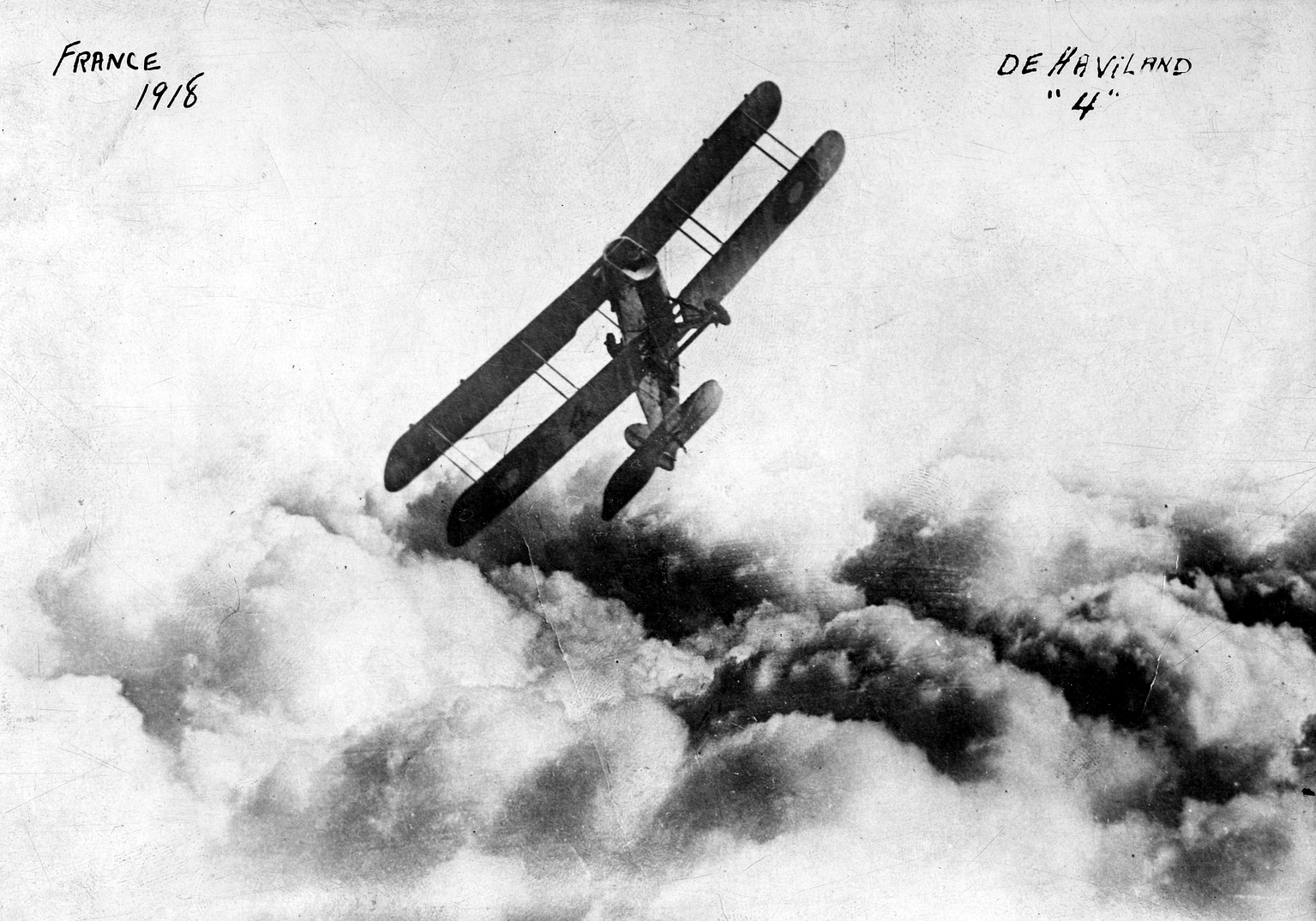
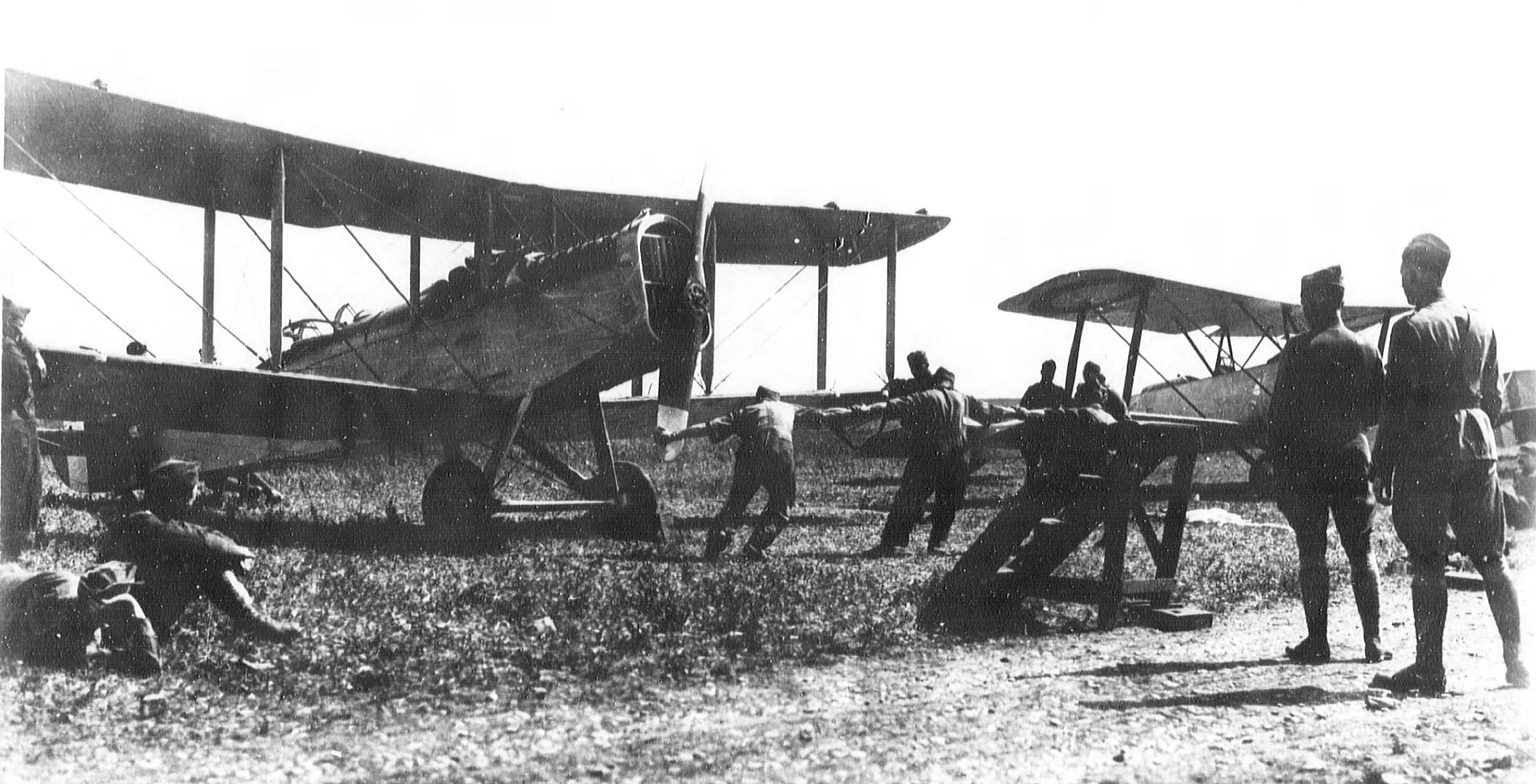
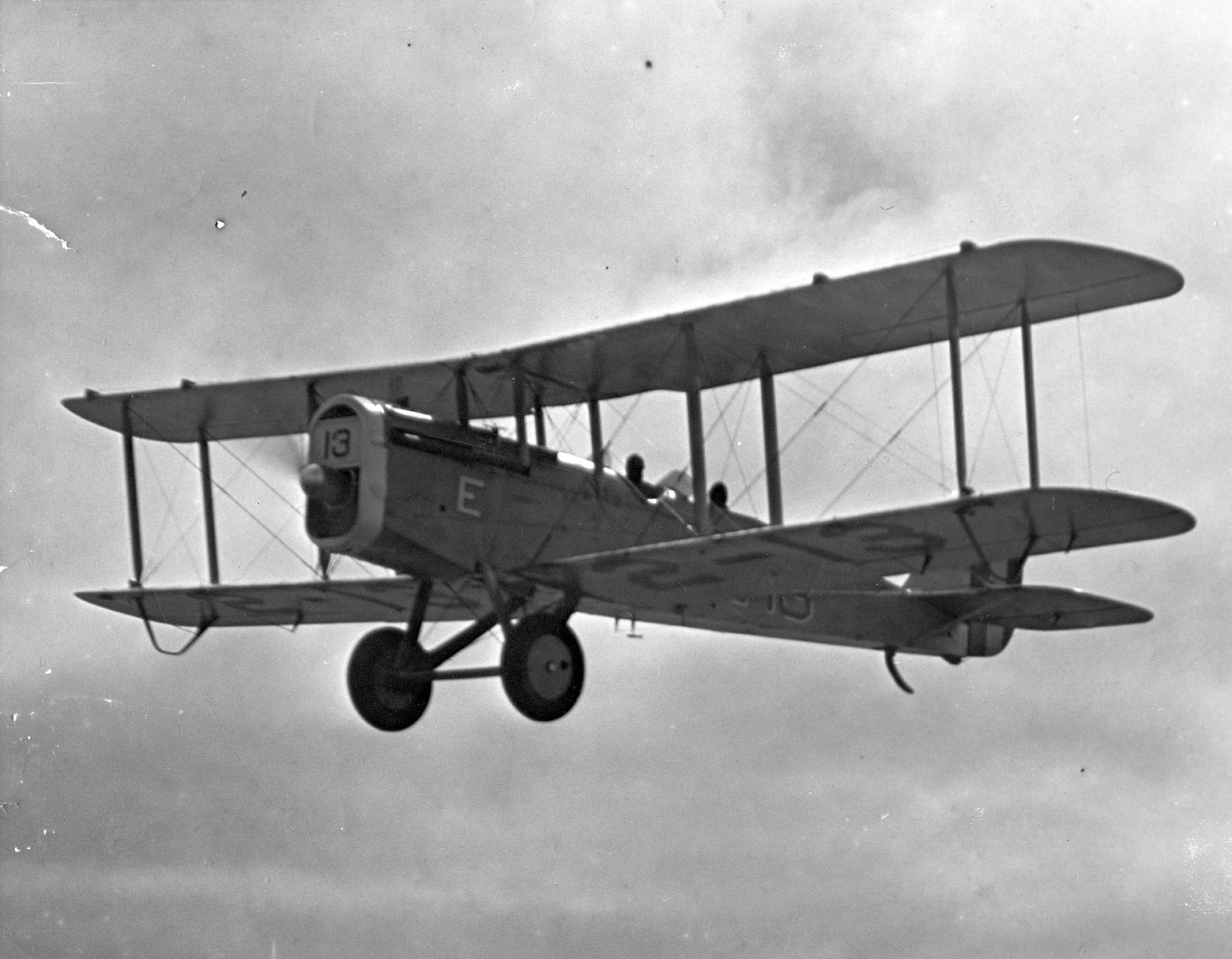
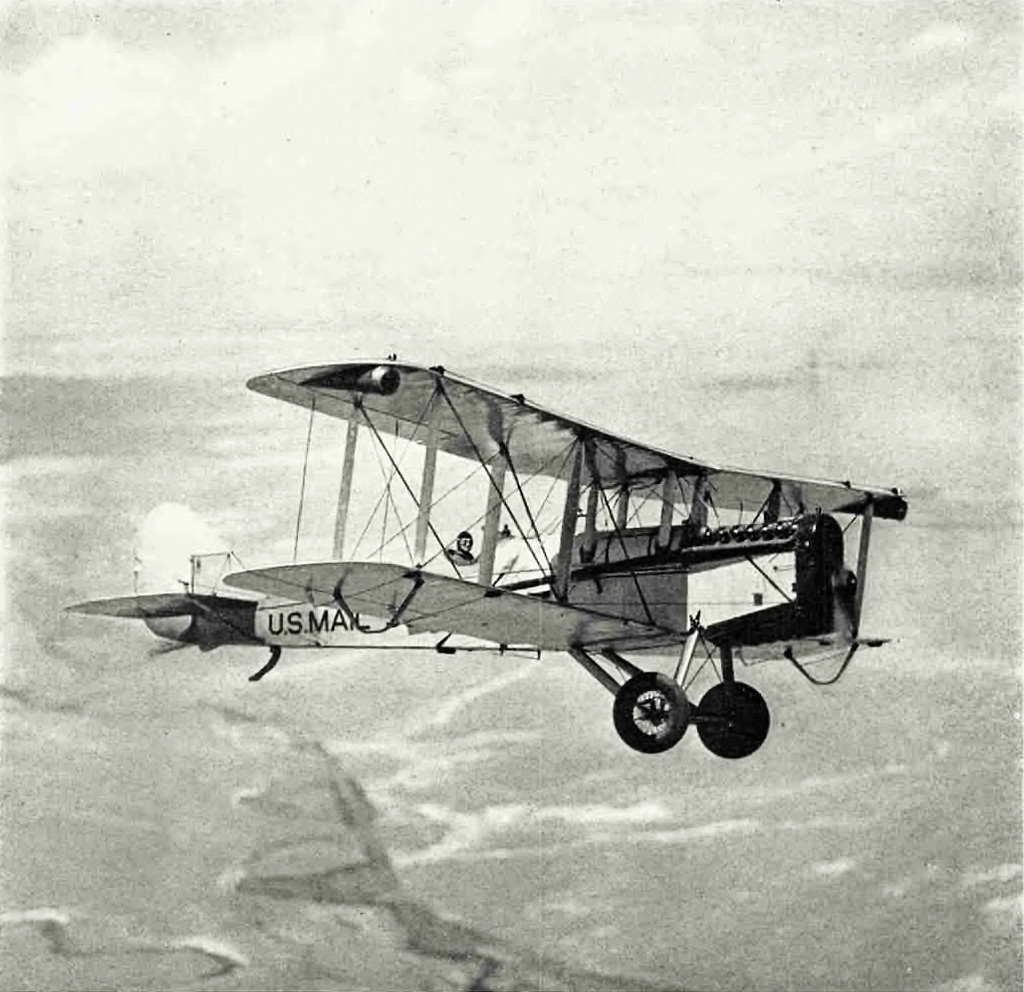
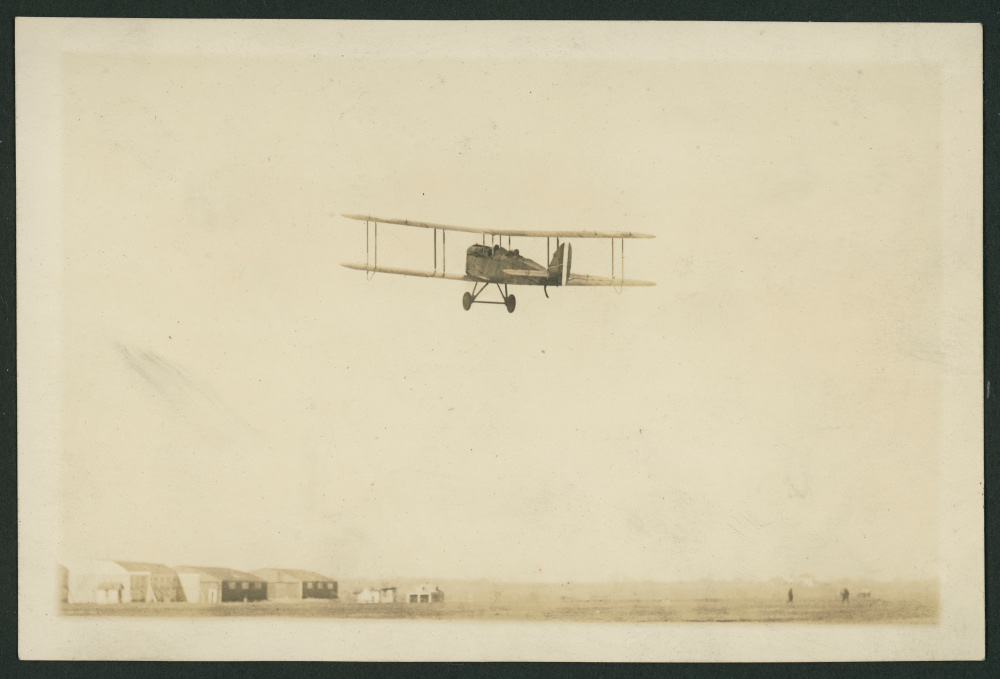
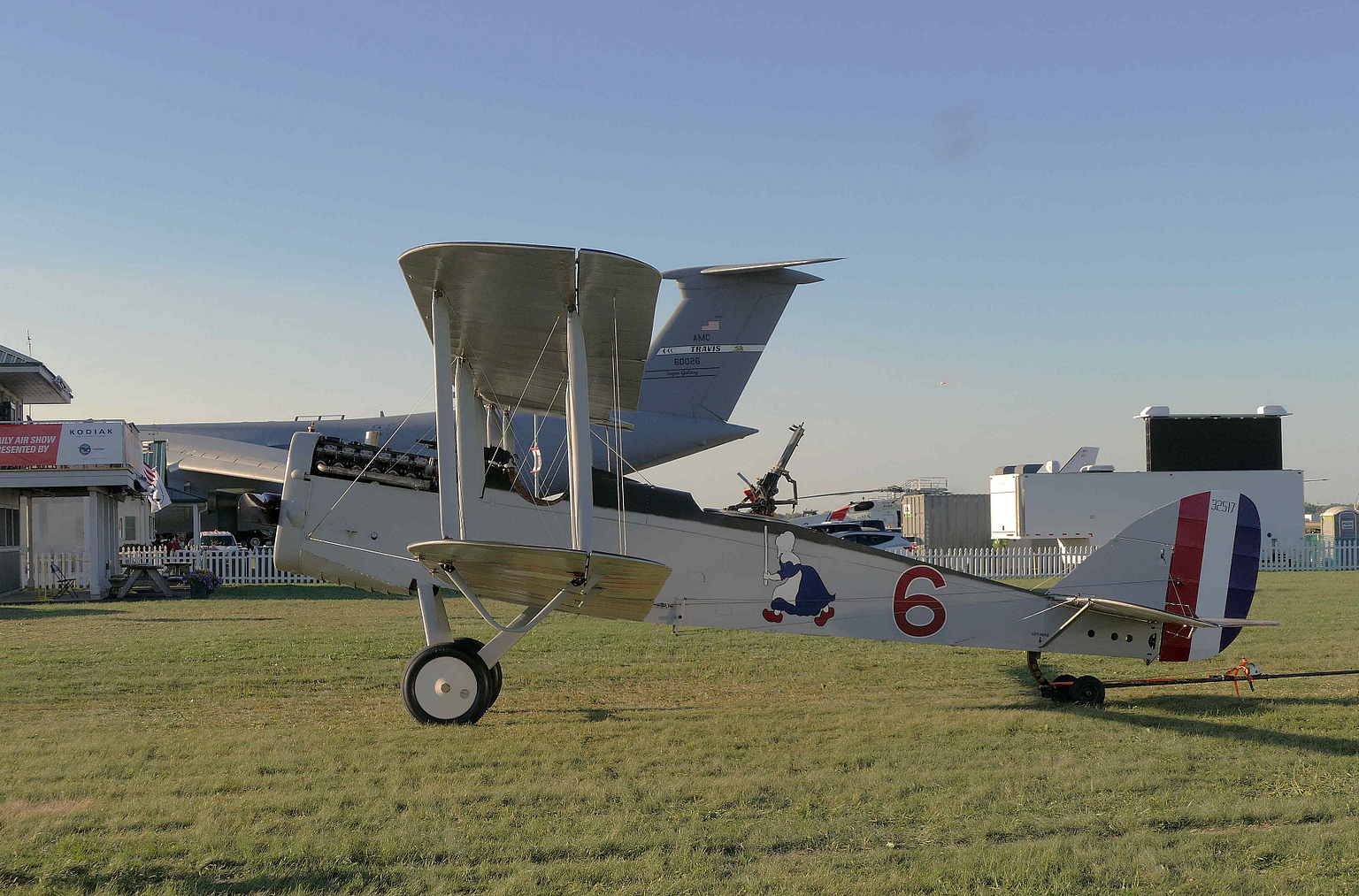
Tap or click any photo to enlarge. All images are used under their stated licences; credits appear in each caption.
The Airco DH.4 on film: a fast light bomber of the First World War
“The de Havilland DH-4: A Fast Light Bomber In WW1” by the Historical Aviation Film Unit — a specialist First World War aviation film and restoration group (around 18,000 views). We chose it for accuracy and provenance rather than raw popularity; the DH.4 is a niche subject with no high-view documentary.
Airco DH.4 operations map: origin, wartime fronts and surviving airframes
The Airco DH.4’s mark on history: a bomber that outlived the war twice over
The DH.4 shaped two stories at once: daylight strategic bombing in Europe, and the industrial birth of American military aviation. Figures are approximate and drawn from published histories; we flag them as estimates.
Airco DH.4: your questions answered
Can I fly in an Airco DH.4?
No — the DH.4 is a museum aircraft, not a bookable flight. Original DH-4s survive only in museums such as the Smithsonian and the National Museum of the US Air Force, and the handful of airworthy reproductions (for example in New Zealand) are not available as passenger rides. MiGFlug does not offer flights in a DH.4.
However, you can fly in genuine military jets today — from the L-39 Albatros to the MiG-29 — through MiGFlug. See the current options and prices at migflug.com/flights-prices.
Was the DH.4 really the best day bomber of WWI?
It is very widely regarded as the finest single-engined day bomber of the war — fast, effective and able to outrun many fighters when fitted with the Rolls-Royce Eagle. We hedge the claim deliberately: it is a long-standing historical judgement rather than a measurable fact, and a DH.4 with a weaker substitute engine was a much less impressive machine.
Why was the DH.4 called “the Flaming Coffin”?
Because its large pressurised fuel tank sat between the pilot and observer, giving the type a reputation as a fire risk. That reputation is disputed and probably exaggerated: one cited analysis found that of 33 US DH-4s lost to enemy action, about eight burned — no worse than average for aircraft of the time. We present the nickname as folklore, not established fact.
What was the American “Liberty Plane”?
It was the US-built DH.4, re-engined with the 400 hp Liberty L-12. Entering the war with almost no combat aircraft, the United States mass-produced the DH.4 — it became the most-produced American aircraft of WWI and essentially the only US-built combat type to fight with American squadrons in France, although many were completed too late to reach the front.
Did the DH.4 have a career after the war?
Yes — an unusually long one. Surplus US-built DH-4Bs flew for the US Air Mail Service through the 1920s, including pioneering transcontinental night mail, and others served in forestry patrol, aerial survey, border patrol and Army roles into the early 1930s.
How many DH.4s were built?
Roughly 1,449 in Britain and about 4,846 in the United States, for a combined total of around 6,300 — though sources differ and US order figures (often quoted near 9,500) far exceeded the number actually completed and delivered. Treat all totals as approximate.
You cannot fly the Airco DH.4 —
but these, you can
The DH.4 lives on only in museums and a rare airworthy reproduction. But you can still strap into a real military jet and fly it yourself. Here is what MiGFlug can put you in.
 Fly the L-39 AlbatrosThe world’s most-flown jet trainer — aerobatics included
 Fly the F-104 Starfighter“The missile with a man in it”
 Fly the MiG-21The Cold War’s most-produced jet
 T-33シューティングスターを操縦しようAmerica’s first jet trainer
 Fly the DH VampireA piece of early jet history
 Fly the S.211Agile Italian jet trainer
 Fly the MB-326The classic Aermacchi jet
 Fly the MiG-15The Soviet legend of the Korean War
Explore more First World War aircraft
Airco DH.4: sources & further reading
- Smithsonian National Air and Space Museum — Dayton-Wright DH-4Collection record for a surviving US-built DH-4, with history and provenance.
- National Museum of the US Air Force — DH-4 fact sheetOfficial history of the American DH-4 and its wartime and post-war service.
- Smithsonian National Postal MuseumBackground on the US Air Mail Service and the DH-4B airmail aircraft.
- History of War — Airco D.H.4Detailed reference on engines, variants, performance and production numbers.
- Imperial War Museums — collectionsPhotographs and records of RFC/RAF DH.4 operations on the Western Front.
- Historical Aviation Film Unit — DH-4 documentaryFilm treatment of the DH.4 by a specialist WWI aviation restoration group.
- Bruce, J. M., The Aeroplanes of the Royal Flying Corps (Military Wing) — standard reference on RFC types including the DH.4.
- Production and loss figures vary between published sources; all numbers on this page are given as approximate and flagged where contested.