
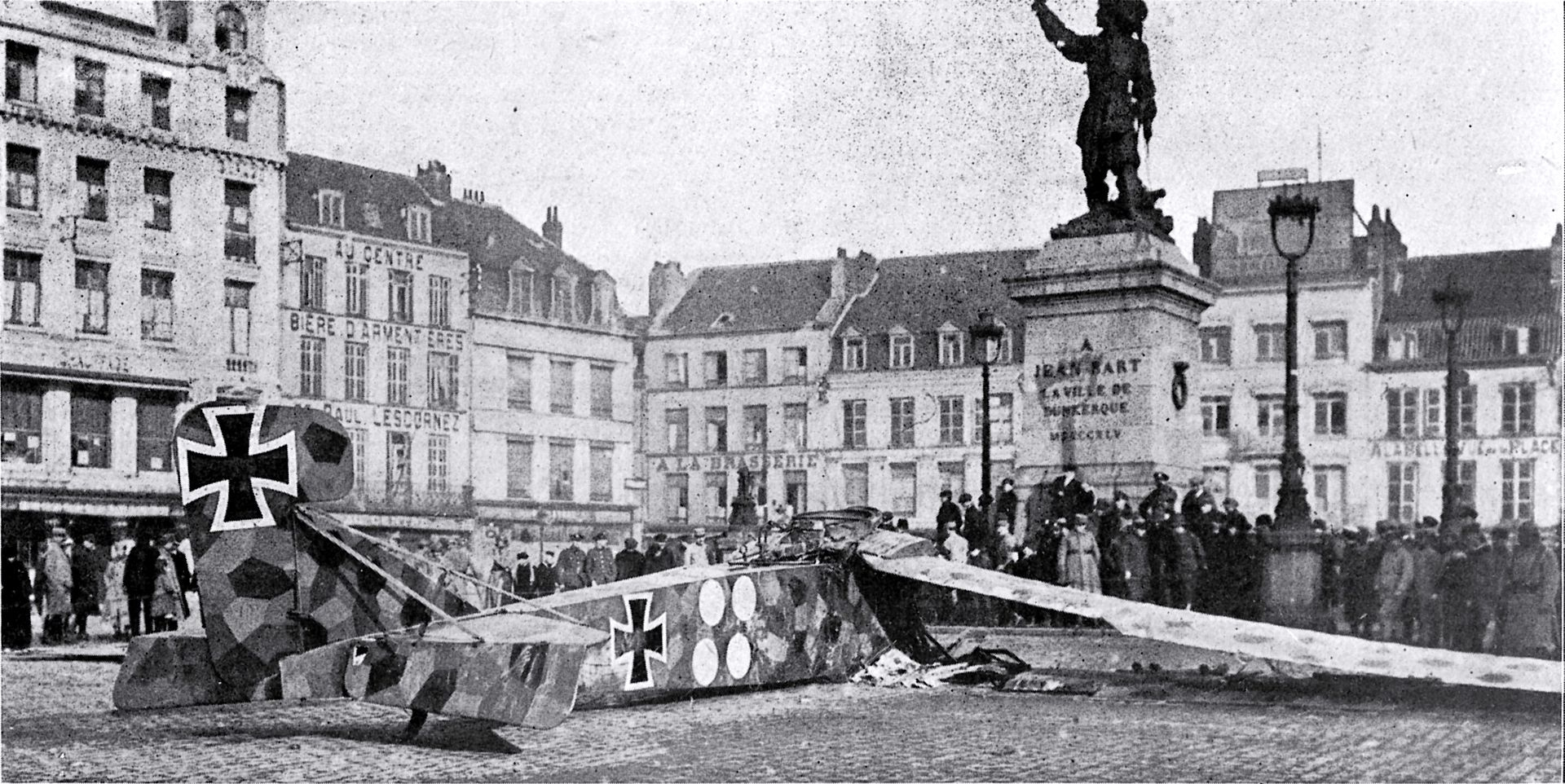
Gotha G.V — the bomber that darkened London and helped invent the RAF
Want to fly a real military jet? See what you can actually book
The Gotha G.V and the Gotha raids: how a slow biplane changed air power forever
For two years the people of London had learned to fear the night sky, but the terror had a shape they thought they understood: the Zeppelin, vast, silver and slow, drifting overhead to drop its bombs. By the summer of 1917 a new sound was coming instead, and it came in daylight. On 13 June 1917 a formation of Gotha bombers droned over the capital in broad daylight and dropped their bombs on the largest city on Earth. It was the deadliest air raid London would suffer in the entire First World War, and it announced that strategic bombing had passed from the airship to the aeroplane.
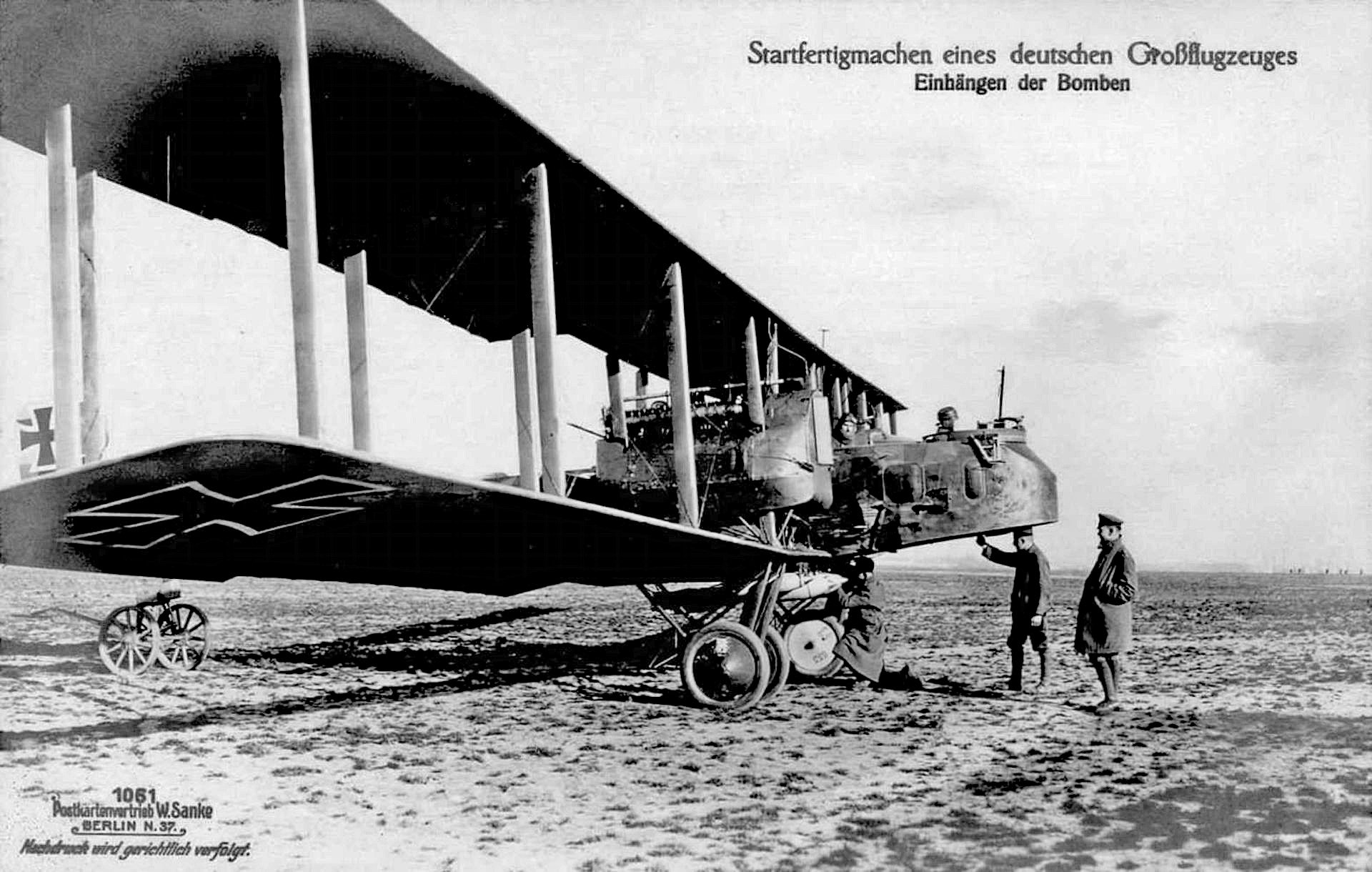
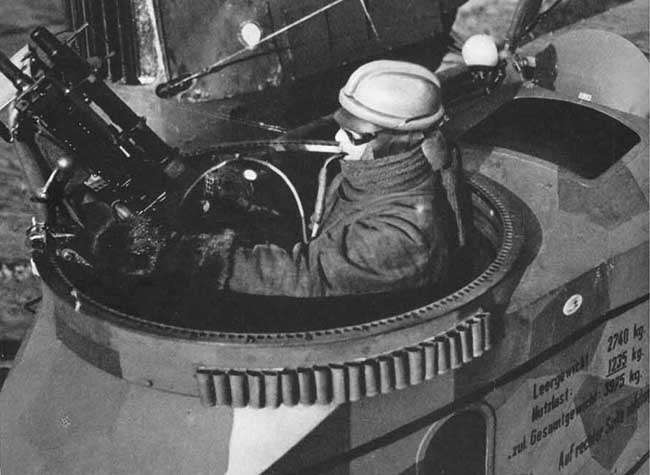
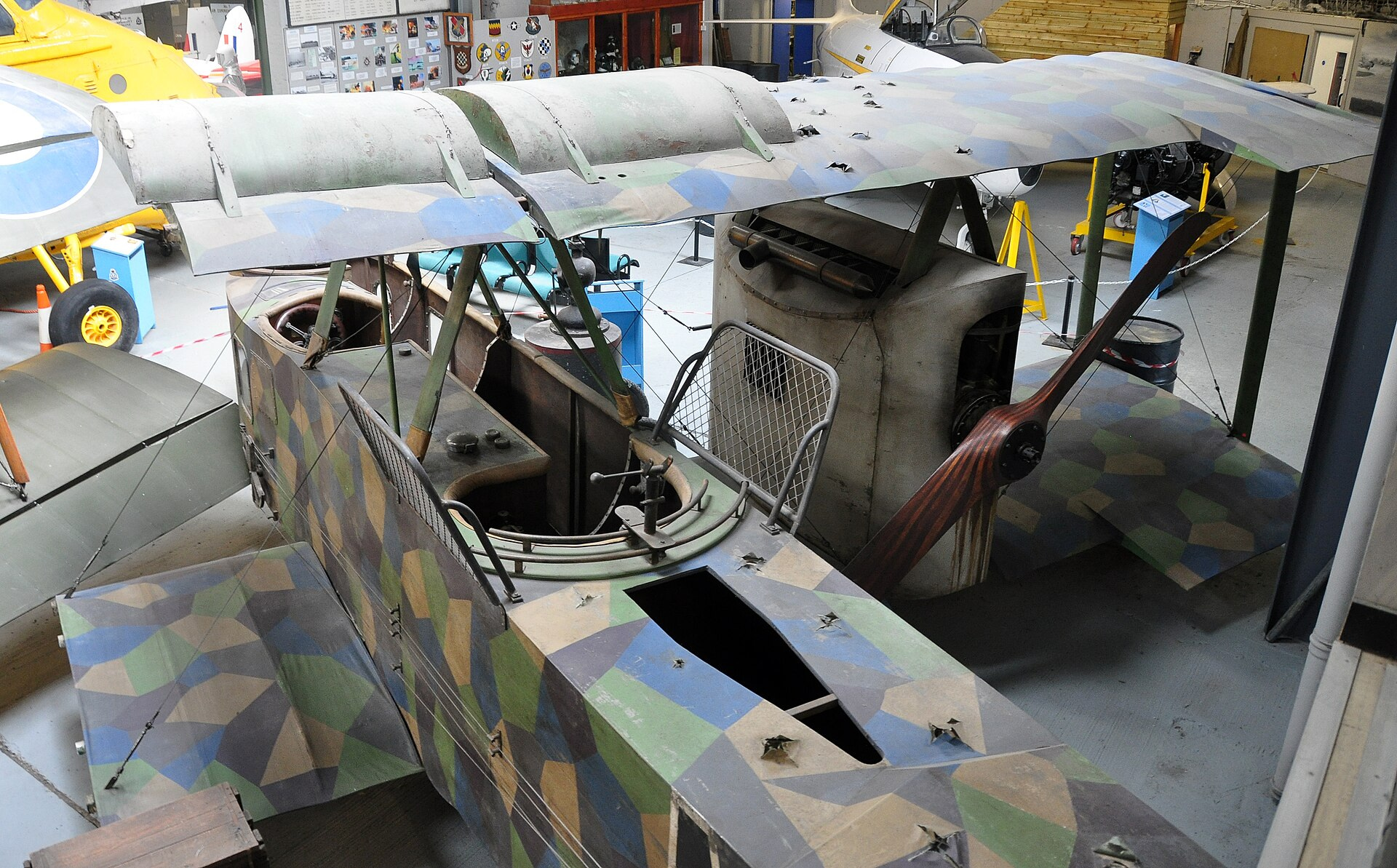
The aircraft that led that campaign was the Gotha G.V, built by the Gothaer Waggonfabrik, a railway-carriage maker in the Thuringian town of Gotha. It was a big, angular biplane spanning some 23.7 metres, its two Mercedes D.IVa inline engines of about 260 horsepower each mounted between the wings and driving pusher propellers that faced backwards. A crew of three, a pilot with a gunner in the nose and another behind the wings, flew it slowly, at little more than 140 km/h, and defended it with two or three Parabellum machine guns. It was not fast, and it was famously hard to land. Its power lay in reach: from airfields near Ghent in occupied Belgium it could cross the North Sea, strike England and return.
The G.V and its near-identical predecessor the G.IV were flown by Kagohl 3, the unit history remembers as the England Squadron. Their first big daylight raid on London, on 13 June 1917, killed around 160 people and injured more than 400, among them eighteen young children at a school in Poplar. The public outcry was immense. A second daylight raid on 7 July made the point again, and Britain pulled fighter squadrons back from the Western Front to defend the capital. As daylight raids grew too costly the Gothas switched to night attacks, the so-called harvest-moon raids of late 1917.
The material damage was modest by the standards of the war that followed. The consequences were not. The alarm the Gothas caused led directly to the Smuts report, and to the creation of the Royal Air Force on 1 April 1918, the world’s first independent air force, and to a reorganised home air defence that would become the template for the Battle of Britain a generation later. The Gotha did far more damage to the future than to the present. And the word itself entered the language: to a wartime Londoner, any large German bomber, even the far bigger Zeppelin-Staaken Giants that flew alongside them, was simply a Gotha.
It was also a dangerous aircraft to fly. Nose-heavy and tricky on the approach, the Gotha killed many of its own crews in landing accidents, and losses to weather and mishap rivalled or exceeded those inflicted by British guns and fighters. No complete example survives today. What is left are fragments, relics and a full-scale replica, the physical remains of an aircraft whose real monument is an air force it helped bring into being.
The Gotha G.V in detail: the raids, the engineering and the consequences
01How the Gotha raids worked: from the Zeppelin to the aeroplane
Germany’s strategic bombing of Britain began with the Zeppelins, but by 1917 the great airships were increasingly vulnerable to incendiary ammunition and bad weather. The heavy aeroplane offered a harder target and a more accurate one. The Gotha G-series, maturing through the G.IV and G.V, gave the German command a machine that could carry a useful bomb load across the North Sea and defend itself in a tight formation, where overlapping fields of fire from many gunners made a mass of bombers dangerous to attack. The raids were flown by Kagohl 3, the England Squadron, from airfields around Ghent in occupied Belgium. Early raids were flown in daylight to aid navigation and bombing accuracy; as British defences stiffened, the squadron shifted to moonlit night raids. It was the transition that mattered: the Gotha proved that fixed-wing bombers, not airships, were the future of the long-range attack.
02The Gotha tunnel: engineering a firing channel through the fuselage
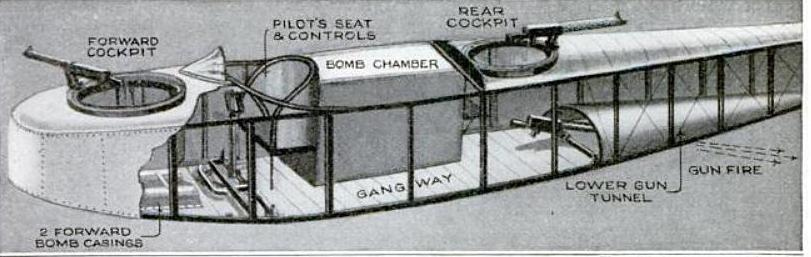
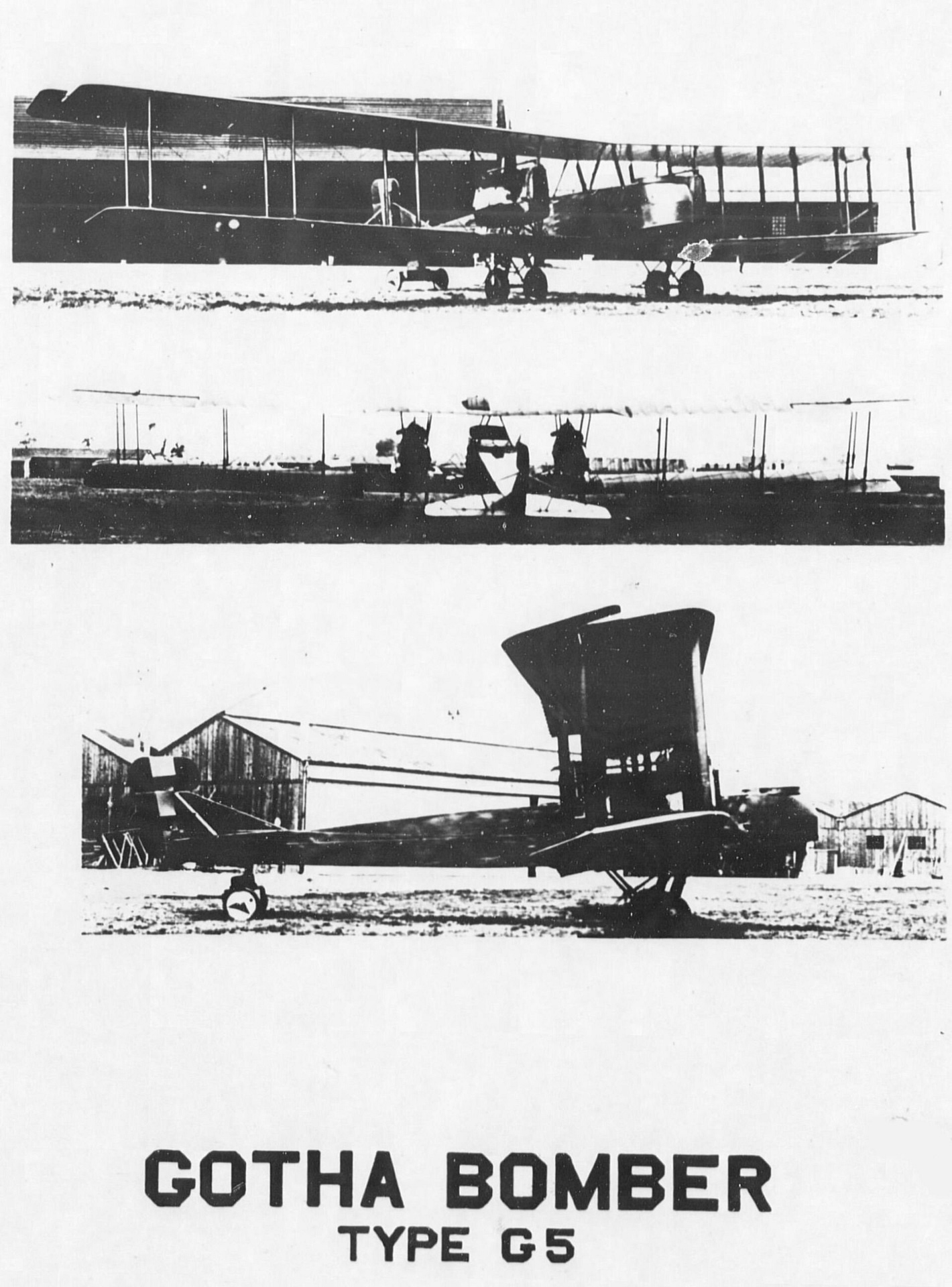
The most distinctive feature of the Gotha was defensive. Every large bomber of the period shared a fatal blind spot: an attacker climbing up beneath the tail could not be seen or shot at. The Gotha’s designers answered with what British airmen called the Gotha tunnel, a channel arched through the rear fuselage and an opening in the belly that allowed the rear gunner to fire downward and rearward through the aircraft itself, covering the vulnerable underside and tail from below. More than one Allied pilot who slid in under a Gotha expecting a safe firing position was met by fire from the tunnel. It was a simple idea, elegantly executed, and it made the Gotha a markedly tougher opponent than its size and speed suggested.
03Why pushers? The Gotha’s engine layout and the price it paid
The Gotha’s two Mercedes D.IVa engines were mounted between the wings and drove pusher propellers, facing aft rather than forward. The layout kept the propeller discs clear of the nose gunner’s field of fire and helped balance the aircraft around its bomb load. It came at a cost. Pusher installations are draggy, cooling and maintenance are harder, and the engines sat well back, contributing to the aircraft’s awkward handling on the ground and in the landing flare. A number of quick reference sources describe the Gotha as a conventional tractor design; that is an error. Contemporary cutaways and the surviving technical record confirm the pusher arrangement, which is one of the aircraft’s defining visual signatures.
0413 June 1917: the deadliest raid, and the school in Poplar
The daylight raid of 13 June 1917 was the worst single air attack on London of the war. A formation of Gothas reached the capital unopposed and bombed the densely populated East End and City. Around 160 people were killed and more than 400 injured. Among the dead were eighteen children at the Upper North Street School in Poplar, where a bomb passed through the upper floors and detonated in an infants’ classroom. The deaths of the schoolchildren turned public grief into fury and became a rallying point for demands that the government defend the capital and hit back at Germany. Figures for the raids vary between sources and should be treated as close estimates, but the shock of that single morning is not in doubt.
05From the Gotha panic to the Royal Air Force: the Smuts report and 1 April 1918
The political consequences of the raids outran the bombs. With squadrons pulled back from France and the public demanding action, the War Cabinet asked the South African statesman Jan Smuts to review Britain’s air organisation. His report of 1917 argued that air power had become a strategic arm in its own right and recommended a unified, independent air service and a coordinated home defence. The result was the amalgamation of the Royal Flying Corps and the Royal Naval Air Service into the Royal Air Force on 1 April 1918, the world’s first independent air force, together with the London Air Defence Area that knitted together fighters, guns, searchlights and observers. It is not an exaggeration to say the Gotha raids were a direct catalyst for the birth of the RAF.
06The Gotha G.V’s operating costs: why the aircraft cannot be priced today
Unlike a modern jet, the Gotha G.V has no meaningful cost-per-hour figure. Its unit price in 1917 was recorded, if at all, in wartime Reichsmark inside a collapsing war economy, and the numbers that survive are not reliable or comparable to anything today. More to the point, there is no surviving or airworthy Gotha G.V, so there is no fuel bill, no maintenance schedule and no insurance quote to draw on. Any cost-per-flight-hour claim for a Gotha would be invented. We record it honestly on the specification table below: unit cost not reliably recorded, and cost per flight hour not applicable because no example flies. If you want to know what operating a genuine vintage or military aircraft costs today, that is exactly the kind of question the MiGFlug fleet can answer, with real, current prices.
How the Gotha G.V was built to reach London and survive the trip
Two Mercedes D.IVa pushers
Twin six-cylinder inline engines of about 260 hp each, mounted between the wings and turning pusher propellers. They gave the Gotha the range to cross the North Sea and return, at the price of drag, difficult cooling and heavy, awkward handling near the ground.
The Gotha tunnel and its guns
Two, sometimes three, 7.92 mm Parabellum machine guns covered the nose and dorsal positions, while the arched belly tunnel let the rear gunner fire down and back to protect the classic bomber blind spot beneath the tail. It made a slow aircraft genuinely dangerous to intercept.
Reach over speed
A 23.7 m wingspan, a ceiling near 5,500 m and a bomb load in the region of 300 to 500 kg on the long London run. The Gotha traded speed for altitude, endurance and load, flying high and, later, by night to stay beyond the reach of the defences.
Gotha G.V specifications: dimensions, performance, powerplant and cost
Figures below are drawn from standard references on the Gotha G.IV and G.V. Many WWI figures vary between sources and are flagged as estimates; where a value is contested we have hedged rather than pick a false precision.
- タイプ
- Twin-engined biplane heavy bomber
- Manufacturer
- Gothaer Waggonfabrik, Gotha
- First service
- 1917 (G.V; G.IV from spring 1917)
- クルー
- 3 (pilot, front gunner, rear gunner)
- 翼幅
- ~23.7 m
- 長さ
- ~12.4 m
- 身長
- ~4.3 m
- 空虚重量
- ~2,740 kg (estimate)
- Max takeoff weight
- ~3,975 kg (estimate)
- Max speed
- ~140 km/h at low level (estimate)
- サービス天井
- ~5,500 m (estimate)
- Endurance
- ~6 hours / radius ~500 km (estimate)
- Powerplant
- 2 × Mercedes D.IVa 6-cyl inline
- Power
- ~260 hp each (some sources ~252 hp)
- Propellers
- Two-blade, pusher configuration
- Defensive armament
- 2–3 × 7.92 mm Parabellum MG
- Special feature
- Ventral firing channel (the Gotha tunnel)
- Bomb load
- ~300–500 kg on the London run; up to ~600 kg (estimate)
- Number built
- ~205 G.V (figures vary; all G-types higher)
- Operator
- German Luftstreitkraefte (Kagohl 3)
- Unit cost
- Not reliably recorded (WWI)
- Cost per flight hour
- Not applicable — no surviving / airworthy example
- Survivors
- None complete; relics and a replica only
The Gotha G.V timeline: from the workshops of Gotha to the birth of the RAF
The G-series matures
Gothaer Waggonfabrik develops its heavy bomber line toward a machine able to reach England, refining the twin-pusher layout that defines the G.IV and G.V.
The raids begin
The England Squadron opens its campaign: Folkestone is hit on 25 May, and on 13 June the deadliest daylight raid of the war strikes London, killing around 160 people.
Into the dark
As daylight losses mount and British fighters and guns concentrate over the capital, the Gothas switch to moonlit night raids, the harvest-moon attacks.
The Royal Air Force is born
Prompted by the Smuts report and the alarm of the raids, Britain merges the RFC and RNAS into the Royal Air Force, the world’s first independent air force.
The reckoning
The raids wind down as defences and losses bite; many Gothas are lost to accidents as much as to the enemy. With the Armistice the campaign ends, and no complete Gotha will survive the peace.
The Gotha raids in twelve stories: the nights London learned to fear the aeroplane
Folkestone, the first blow
The opening aeroplane raid of the campaign fell not on London but on a Kent town crowded with Saturday shoppers.
Read the full account
On 25 May 1917 the England Squadron’s Gothas, turned back from London by cloud, unloaded on Folkestone and the army camp at Shorncliffe instead. Around 95 people were killed, many of them civilians queueing outside shops. It was a brutal introduction to a new kind of war, and a warning of what was coming to the capital three weeks later.
London’s deadliest raid
In clear daylight a Gotha formation bombed the City and East End, and no defender could stop them.
Read the full account
Fourteen or so Gothas reached London on the morning of 13 June 1917 and bombed at will. Around 160 people were killed and over 400 injured, the highest toll of any air raid on the city during the war. The bombers turned for home almost untouched. The sight of enemy aircraft over London in broad daylight, unpunished, did more political damage than the bombs themselves.
The school in the East End
A single bomb that morning fell through the Upper North Street School and killed eighteen children.
Read the full account
The bomb passed through the upper storeys of the Upper North Street School in Poplar and burst in an infants’ class on the ground floor. Eighteen children died and many more were injured. The funeral drew huge crowds, and the deaths became a symbol of the raids’ cruelty and of the government’s failure to defend the capital. It is remembered as one of the most poignant civilian tragedies of the British home front.
The second daylight raid
Three weeks later the Gothas came again, and the public patience with an undefended sky ran out.
Read the full account
On 7 July 1917 another daylight formation struck London. This time defenders were up in numbers, but coordination was poor and the Gothas again escaped with light losses. The raid confirmed that piecemeal defence was not working and hardened the case for a unified command. Squadrons were recalled from the Western Front, to the dismay of commanders in France who needed every aircraft.
The harvest-moon raids
Beaten in daylight, the Gothas turned to the dark and the light of the moon.
Read the full account
From September 1917 the England Squadron flew mainly at night, using moonlit periods for navigation. Night raids were less accurate but far harder to intercept, and they prolonged the campaign into 1918. Londoners took to the Underground stations for shelter in scenes that prefigured the Blitz of the next war. The psychological effect of repeated night alarms, sirens and blackouts was out of all proportion to the tonnage dropped.
The Gotha tunnel bites back
Pilots who attacked from below sometimes found the belly was not the safe approach they expected.
Read the full account
The arched tunnel through the Gotha’s rear fuselage let its rear gunner fire down and back at aircraft climbing beneath the tail, the classic blind spot of every large bomber. British and Commonwealth pilots learned to respect it. A slow, ungainly bomber that could shoot at what was under it was a far tougher target than its performance figures implied, and the tunnel is one reason the Gothas were not swept from the sky as quickly as their speed suggested they should have been.
The enemy that was the landing
The Gotha killed many of its own crews without a shot being fired, on the approach and the flare.
Read the full account
Nose-heavy, with its engines set well back and a tendency to nose over, the Gotha was notoriously difficult to land, especially at night and when tired crews returned from a long raid. Later variants added an auxiliary nose wheel to reduce the risk of tipping. A large share of the Gothas lost during the England campaign were destroyed in accidents and crash landings rather than by British guns or fighters, a sobering reminder of how dangerous early aviation was even without an enemy.
The England Squadron
From a cluster of airfields in occupied Belgium, Kagohl 3 aimed itself squarely at England.
Read the full account
The raids were flown by Kagohl 3, the unit remembered as the England Squadron, based around Ghent in German-occupied Belgium. From there the Gothas had just enough range to reach London and return, weather permitting. The squadron’s story is one of ambition stretched to the limit of the machines: long over-water flights, uncertain navigation, and the constant threat of running out of fuel or being caught by the weather on the way home.
How Gotha became a word
To a wartime Londoner, every big German bomber was a Gotha, even when it was not.
Read the full account
So closely was the type identified with the raids that Gotha became the generic British term for any large German bomber. The far bigger Zeppelin-Staaken R-planes, the Riesenflugzeug Giants that flew some of the same raids, were routinely called Gothas by the press and public. The name outlived the aircraft: for a generation, a Gotha meant the threat from the sky.
The Giants alongside the Gothas
The Gotha did not fly alone; the enormous R-planes shared some of the raids.
Read the full account
Germany also fielded the Riesenflugzeuge, giant multi-engined bombers such as the Zeppelin-Staaken R.VI, which flew a number of raids on Britain alongside the Gothas and carried heavier single bombs. They were far fewer in number and are a story in their own right; this page is about the Gotha, the aircraft that carried the weight of the campaign and gave it its name. But it is worth remembering that the Gotha was the workhorse of a broader effort, not the whole of it.
Learning to fight back
Britain rebuilt its home defence around the lesson the Gothas taught.
Read the full account
Under the pressure of the raids, Britain created the London Air Defence Area, coordinating fighters, anti-aircraft guns, searchlights and an observer network into a single system. Pilots flying Sopwith Camels and S.E.5a fighters gradually made the daylight sky too dangerous for the Gothas, and night defence improved through 1918. The organisation and doctrine built to stop the Gothas became the direct ancestor of the integrated air defence that would win the Battle of Britain in 1940.
The last raids and the legacy
The bombers faded from the sky, but what they set in motion did not.
Read the full account
By mid-1918 the raids had largely petered out as losses mounted and priorities shifted. In all, the German aeroplane raids on Britain killed roughly 850 people and injured close to 2,000, figures that vary by source and should be read as estimates. The physical damage was slight next to what aircraft would do in later wars. The lasting legacy was strategic and institutional: a new independent air force, a template for air defence, and a permanent lesson that no city was now beyond reach.
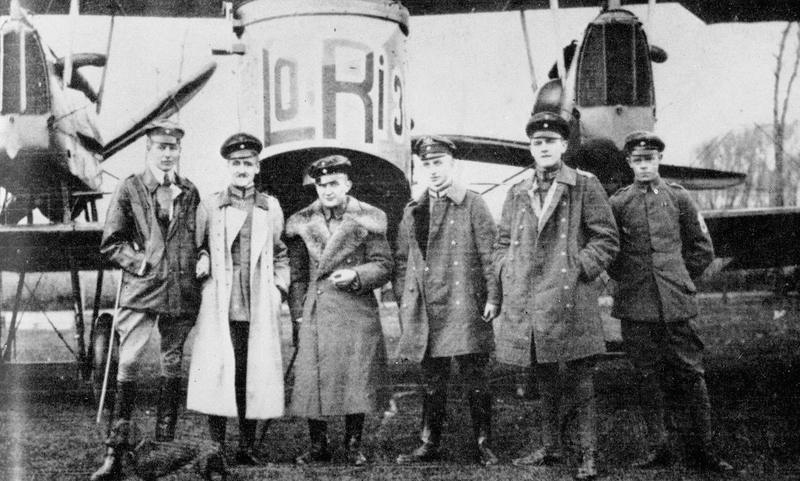
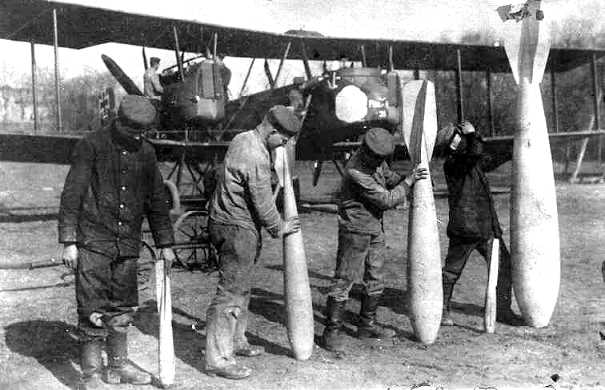
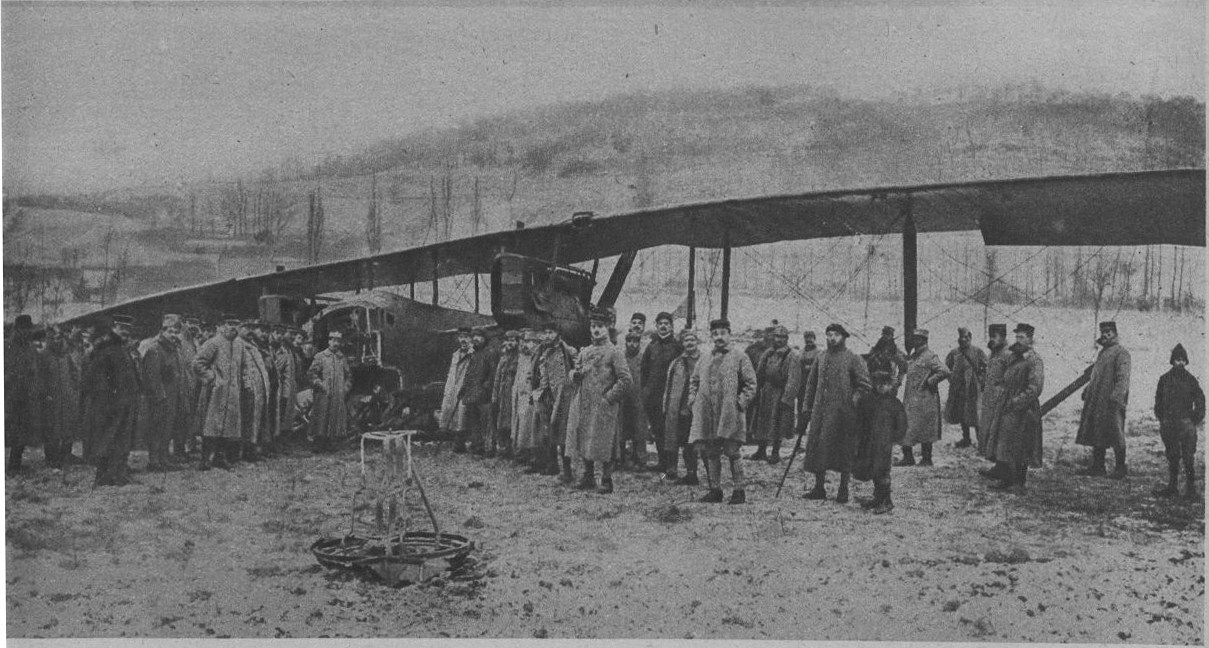
The Gotha G.V in photographs: crew, bombs, the tunnel and the wrecks
The Gotha raids on film: the first London Blitz, 1917
Video: “Gotha Attack! The First London Blitz 1917” by Mark Felton Productions, a military historian’s channel, with over 615,000 views. Embedded from YouTube.
Mapping the Gotha G.V: a short reach with long consequences
The Gotha operated in a narrow theatre, but its influence spread far beyond it. Origin and manufacture in Germany, targets across Britain and France and along the Western Front, and a lasting mark on British air power. Toggle the categories and hover a country for detail. No complete Gotha survives; the relics category marks where fragments and a replica are held.
The Gotha raids by the numbers: alarm out of proportion to the tonnage
Gotha G.V questions and answers
Can I fly in a Gotha G.V?
No. No complete Gotha G.V survives anywhere in the world, so there is no airworthy or bookable example, and MiGFlug does not offer Gotha flights. What remains are relics, fragments and a full-scale replica at the RAF Manston History Museum. You can, however, fly today in genuine military jets with MiGFlug, from the L-39 Albatros to the MiG-29. See what is actually available at migflug.com/flights-prices/.
What was the Gotha G.V and who built it?
The Gotha G.V was a large twin-engined biplane heavy bomber built by Gothaer Waggonfabrik and flown by the German Luftstreitkraefte in 1917 and 1918. It was the aircraft most associated with Germany’s strategic bombing campaign against Britain, the Gotha raids.
Why were the Gotha raids on London so important?
They took strategic bombing from the Zeppelin airships to fixed-wing bombers and caused civilian casualties and public alarm out of all proportion to the physical damage. Their strategic consequences were far larger than the bombs: Britain had to divert fighter squadrons and guns to home defence, and the shock reshaped British air power.
Did the Gotha raids really lead to the creation of the RAF?
They were a major catalyst. The alarm caused by the daylight raids on London prompted the Smuts report of 1917, which recommended a unified, independent air service. That led directly to the formation of the Royal Air Force on 1 April 1918, the world’s first independent air force, along with a reorganised home air defence.
What was the Gotha tunnel?
A firing channel arched through the rear fuselage that let the rear gunner fire downward and rearward to cover the aircraft’s vulnerable underside and tail, a blind spot earlier bombers could not defend. Allied pilots who assumed the belly was a safe approach were sometimes met by fire from the tunnel.
Were the engines really pushers?
Yes. The two Mercedes D.IVa inline engines of about 260 horsepower each were mounted between the wings and drove pusher propellers, facing rearward. Some quick reference sources describe the layout incorrectly; the pusher arrangement is well documented in contemporary cutaways and the technical record.
How many Gotha G.Vs were built, and how fast was it?
Roughly 205 Gotha G.V are commonly cited, though figures vary and totals for all Gotha G-types are higher. Top speed was about 140 km/h at low level, so the Gotha relied on altitude, defensive fire and, later, darkness rather than speed.
Does any Gotha G.V survive today?
No complete Gotha G.V survives. Only relics, fragments and a full-scale replica exist; the RAF Manston History Museum displays a replica and fragments are held in British collections. That is why there is no airworthy Gotha and no way to book a flight in one.
You can’t fly the Gotha G.V.
These, you can.
Some legends only live in museums — but a genuine fighter-jet flight is real, and bookable. Take the controls of a supersonic jet, pull real g and see the curvature of the Earth with MiGFlug.
 Fly the L-39 AlbatrosThe world’s most-flown jet trainer — aerobatics included
 Fly the F-104 Starfighter“The missile with a man in it”
 Fly the MiG-21The Cold War’s most-produced jet
 T-33シューティングスターを操縦しようAmerica’s first jet trainer
 Fly the DH VampireA piece of early jet history
 Fly the S.211Agile Italian jet trainer
 Fly the MB-326The classic Aermacchi jet
 Fly the MiG-15The Soviet legend of the Korean War
Explore more of the Book of Beasts
Sources & further reading
- Imperial War Museums — the Gotha raids and Britain’s home defence in the First World War.Museum collections and archive material on the 1917–18 raids.
- Royal Air Force Museum — the first Battle of Britain and the founding of the RAF.On the raids’ role in the creation of an independent air force.
- Smithsonian National Air and Space Museum — German WWI bombers.Reference material on the Gotha G-series and strategic bombing.
- The Smuts report, 1917.The recommendation for a unified air service that led to the RAF.
- First World War.com — Bombers: Germany, Gotha and Giant.Overview of the Gotha and Riesenflugzeug campaign against Britain.
- Military History Matters — Strategic bombing: Gothas over London.Feature on the raids and their consequences.
- RAF Manston History Museum.Home of the full-scale Gotha replica referenced in the gallery.
- Cross & Cockade and standard First World War aviation references.For specifications, unit history and production figures, which vary between sources.
- Mark Felton Productions — “Gotha Attack! The First London Blitz 1917”.The video embedded above, from a military historian’s channel.
- MiGFlug — Afterburner magazine and flight catalogue.For what you can actually fly today: migflug.com/flights-prices/.
Note on figures: many First World War statistics, including production totals, casualty counts and performance figures, vary between sources and are given here as widely cited estimates. Where a figure is contested we have hedged rather than imply a false precision. Corrections welcome.