
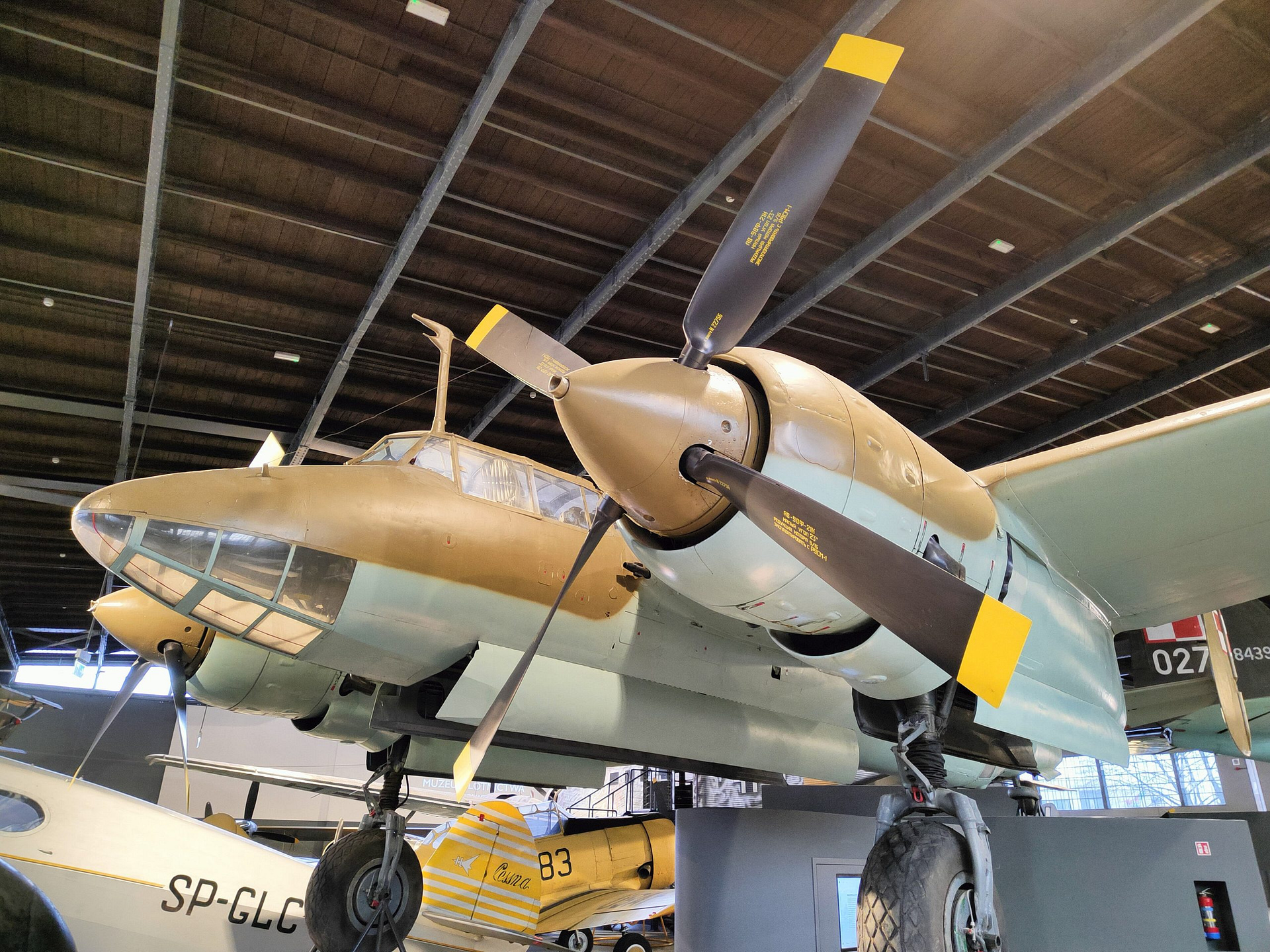
Tupolev Tu-2
“Bat”
The Soviet fast medium bomber that could outrun fighters — designed by Andrei Tupolev while he was a prisoner of the very state he was building it for.
Tupolev Tu-2: the fast bomber designed behind bars
In 1937, at the height of Stalin’s purges, the Soviet Union arrested its most brilliant aircraft designer. Andrei Tupolev was charged with absurdities — sabotage, selling secrets to Germany — and swept into the Gulag. Yet the state still needed his mind. Tupolev was set to work in a sharashka, a prison design bureau known as TsKB-29, where jailed engineers drew warplanes under guard. The aircraft he sketched there, “Samolyot 103,” would become the Tu-2 — one of the finest bombers of the Second World War, created by a man the regime had branded a traitor.
The design that emerged was fast. Powered in its definitive form by two big Shvetsov ASh-82 air-cooled radials of about 1,850 hp each, the Tu-2 could reach roughly 521 km/h — quicker than many contemporary fighters and far faster than the Petlyakov Pe-2 it was meant to complement. It carried a heavy bomb load, could dive-bomb accurately, bristled with cannon and machine guns, and gave its four-man crew a rugged, well-liked aircraft. First flown on 29 January 1941, it looked like a war-winner from the start.
But its path to the front was tortuous. When Germany invaded in June 1941, Soviet industry was thrown into chaos and evacuated east; priority went to cheaper, simpler types, and Tu-2 production was actually halted in 1942 in favour of fighters. Only a handful reached combat units at first. It was 1944 before the aircraft was built in real numbers and became a mainstay of Soviet bomber regiments in the last year of the war, pounding German positions from Belorussia to Berlin. Tupolev himself was released and eventually rehabilitated — the bomber conceived in a prison cell outlived the war that made it.
Postwar, the Tu-2 had a long second life. The USSR passed hundreds to the new People’s Republic of China and to North Korea, and the type saw combat again in the Korean War and in China’s offshore-island campaigns of the 1950s. NATO gave it the reporting name “Bat.” Reliable, fast and adaptable, it soldiered on into the 1950s — and, in Chinese hands, right up to about 1982. Around 2,257 were built, though counts run higher once postwar production is included.
01The Tupolev Tu-2’s prison origins: how a jailed designer built a war-winner
TsKB-29 was one of Stalin’s sharashki — secret design bureaus staffed by imprisoned specialists. Behind its walls sat some of the greatest names in Soviet aviation, all of them prisoners: Andrei Tupolev, Vladimir Petlyakov, and Robert Bartini among them. Petlyakov’s team there produced the Pe-2; Tupolev’s produced the “103,” the future Tu-2. The engineers were told that a successful design might buy their freedom.
It worked. The quality of the Tu-2 helped win Tupolev his release during the war and, in time, full rehabilitation, a Stalin Prize and the highest honours of the state that had jailed him. It is one of history’s strangest aircraft pedigrees: a front-line bomber, admired by its crews, drawn up by convicts who did not know whether the work would end in freedom or a firing squad.
What makes the Tu-2 special
A bomber drawn in a Gulag design bureau
The Tu-2 was conceived inside TsKB-29, a prison design office where jailed engineers worked under guard. Its lead designer, Andrei Tupolev, was a convict when he laid out the aircraft. The result was no makeshift — it was among the most capable medium bombers of the war, and its success ultimately bought its creator his freedom.
Two Shvetsov ASh-82 radials — and fighter-like speed
Early prototypes used liquid-cooled AM-37 engines, but shortages forced a switch to the reliable, plentiful Shvetsov ASh-82 air-cooled radial of roughly 1,850 hp. Far from a compromise, it made the Tu-2 quick: about 521 km/h, enough to outpace some of the fighters sent to stop it.
Level bomber, dive bomber and scout in one
The Tu-2 was unusually versatile. It could bomb from level flight or in a dive, carried up to about 3,000 kg of bombs between an internal bay and external racks, and defended itself with two 20 mm ShVAK cannon and several machine guns. Reconnaissance and torpedo-carrying versions followed.
02The Tupolev Tu-2’s engines: from the AM-37 to the ASh-82 radial
The “103” prototype flew in 1941 on Mikulin AM-37 liquid-cooled V12s, which promised high performance but were troublesome and in short supply as the war disrupted Soviet industry. The design was reworked around the air-cooled Shvetsov ASh-82 radial — the same family that powered the La-5 fighter — which was rugged, available and easy to maintain. The change delayed the programme but saved it: the radial-engined Tu-2S became the definitive version and the one built in the thousands.
03The Tupolev Tu-2 in the Korean War: North Korean and Chinese bombers over the front
By the Korean War the Tu-2 was obsolescent, but China and North Korea flew it in anger. On 30 November 1951, in an action American airmen dubbed “Black Tuesday,” a formation of Tu-2s escorted by MiG-15s and piston fighters was intercepted by USAF F-86 Sabres near Namsi; several Tu-2s were shot down. It was a stark lesson that a fast wartime bomber had become vulnerable in the jet age — yet the type kept flying in Chinese service for three more decades.
Tupolev Tu-2 full specifications
Airframe & Performance
- クルー
- 4 (pilot, navigator, radio operator, gunner)
- 長さ
- 13.80 m
- 翼幅
- 18.86 m
- 身長
- 4.13 m
- Max takeoff weight
- ~11,360 kg
- Max speed
- ~521 km/h at altitude
- 巡航速度
- ~442 km/h
- サービス天井
- ~9,000 m
- 範囲
- ~2,020 km
- Bomb load
- ~1,500 kg normal · up to ~3,000 kg
Propulsion & Systems
- Engines
- 2 × Shvetsov ASh-82FN radial
- Power (each)
- ~1,850 hp
- Gun armament
- 2 × 20 mm ShVAK cannon + 3 machine guns
- First flight
- 29 January 1941
- Service entry
- 1942 (mass production 1944)
- Built
- ~2,257 (1941–1952)
- NATO reporting name
- Bat (assigned 1949)
- Unit cost
- No reliable public figure (Soviet state product)
- Cost per flight hour
- No reliable public figure exists
04The Tupolev Tu-2’s cost: why no dollar price exists
The Tu-2 was a wartime Soviet state product, built to plan and never sold on an open market, so a firm flyaway unit price simply does not exist in the public record — and no credible cost-per-flight-hour figure exists for the type either. Costs were counted in rubles, labour and scarce materials inside a command economy under siege, not in dollars. Any precise price you see attached to a Tu-2 is, in practice, a modern estimate rather than a sourced historical figure.
From prison drawing board to Korean War
Tupolev arrested
Andrei Tupolev is swept up in Stalin’s purges and put to work in the TsKB-29 prison design bureau.
First flight
The “103” prototype — the future Tu-2 — makes its maiden flight on 29 January, weeks before the German invasion.
Stalled by war
A few reach the front, but production is halted as Soviet industry concentrates on cheaper fighters.
Radial rebirth
Re-engined with Shvetsov ASh-82 radials, the definitive Tu-2S is readied and production restarts.
Mass production
The Tu-2 finally reaches Soviet bomber regiments in numbers and becomes a front-line mainstay.
On to Berlin
Tu-2s support the final Soviet offensives into Germany in the closing months of the war.
Black Tuesday
Chinese and North Korean Tu-2s fight in Korea; on 30 November USAF F-86 Sabres down several near Namsi.
The last Bats
China finally retires its Tu-2s, ending some four decades of service for a bomber begun in a cell.
From the front: twelve Tu-2 stories
Designed in a prison
The Tu-2 was drawn inside TsKB-29, a design bureau staffed by imprisoned engineers.
Read the full story
“Aircraft 103”
Before it was the Tu-2, the design was known simply by its bureau number, the “103.”
Read the full story
Faster than the fighters
The 1941 prototype impressed everyone with speed few expected from a bomber.
Read the full story
The production that was cancelled
In 1942 the Tu-2’s production was actually stopped in favour of fighters.
Read the full story
Radials to the rescue
Swapping troublesome V12s for ASh-82 radials saved the whole programme.
Read the full story
1944: the Tu-2 goes to war for real
After years of delay, the bomber finally reached the front in force.
Read the full story
A medium bomber that could dive
Unusually, the Tu-2 could attack in a steep dive as well as from level flight.
Read the full story
Over the Reich
Tu-2 regiments supported the final drive into Germany.
Read the full story
The convict becomes a Hero
The Tu-2’s success helped turn its imprisoned designer into a decorated hero of the state.
Read the full story
Hundreds of Bats for Beijing
The USSR handed large numbers of Tu-2s to the new People’s Republic of China.
Read the full story
Black Tuesday
On 30 November 1951 US Sabres shattered a Tu-2 formation over Korea.
Read the full story
The bomber that outlived Stalin
Begun under Stalin’s purges, the Tu-2 flew on for decades after his death.
Read the full story
The Tu-2 in pictures
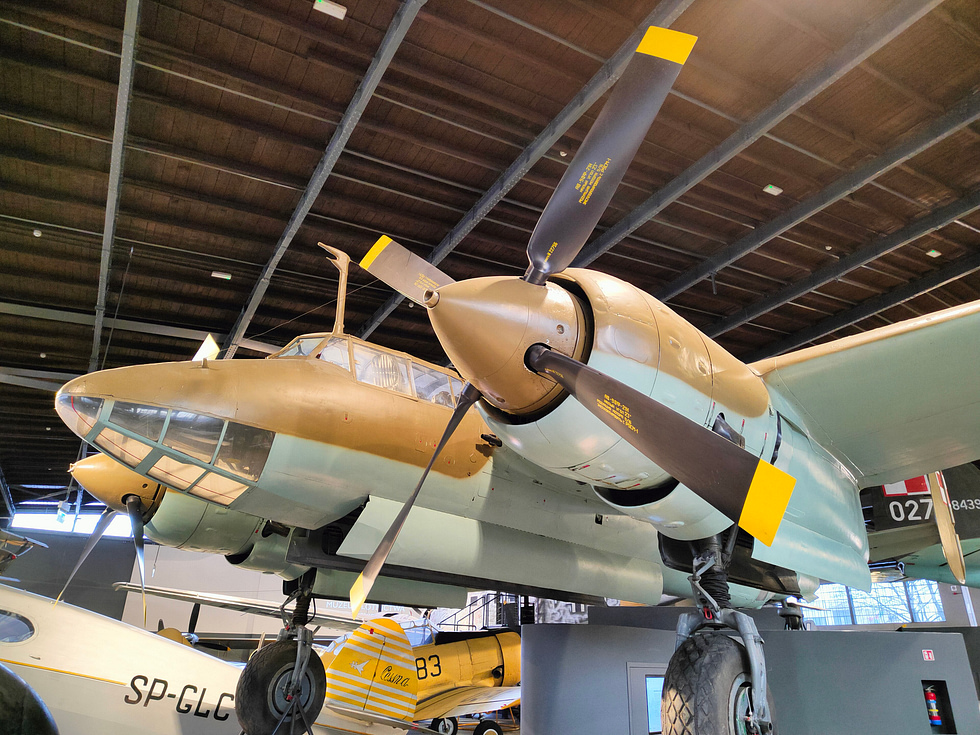
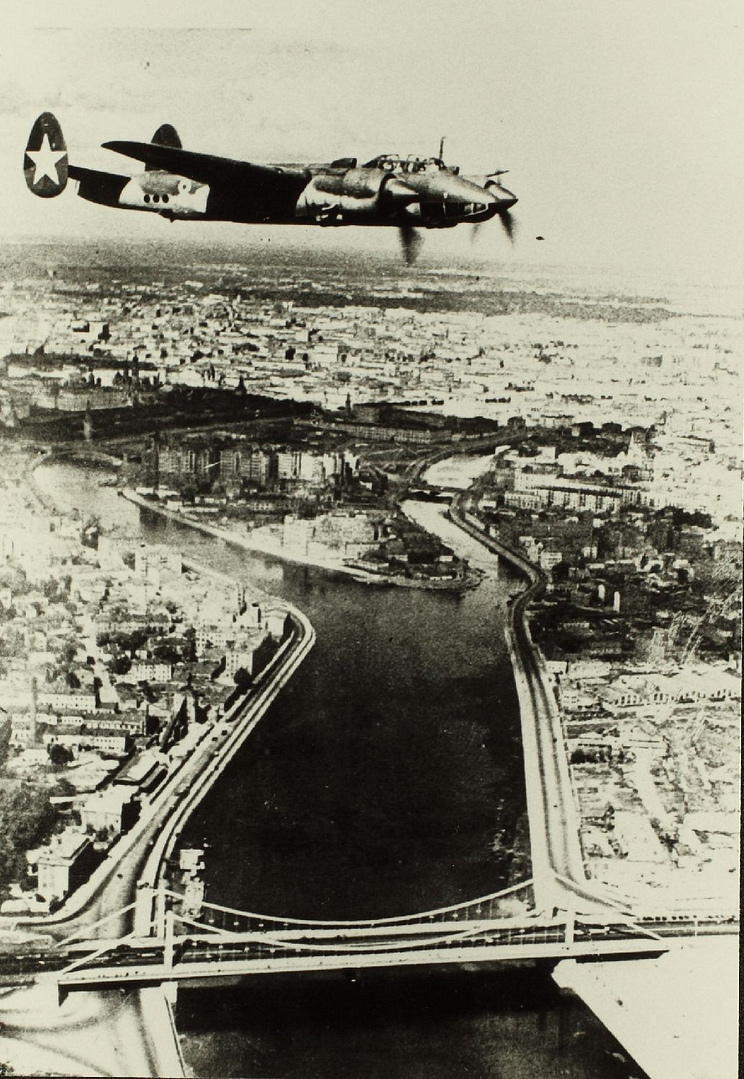
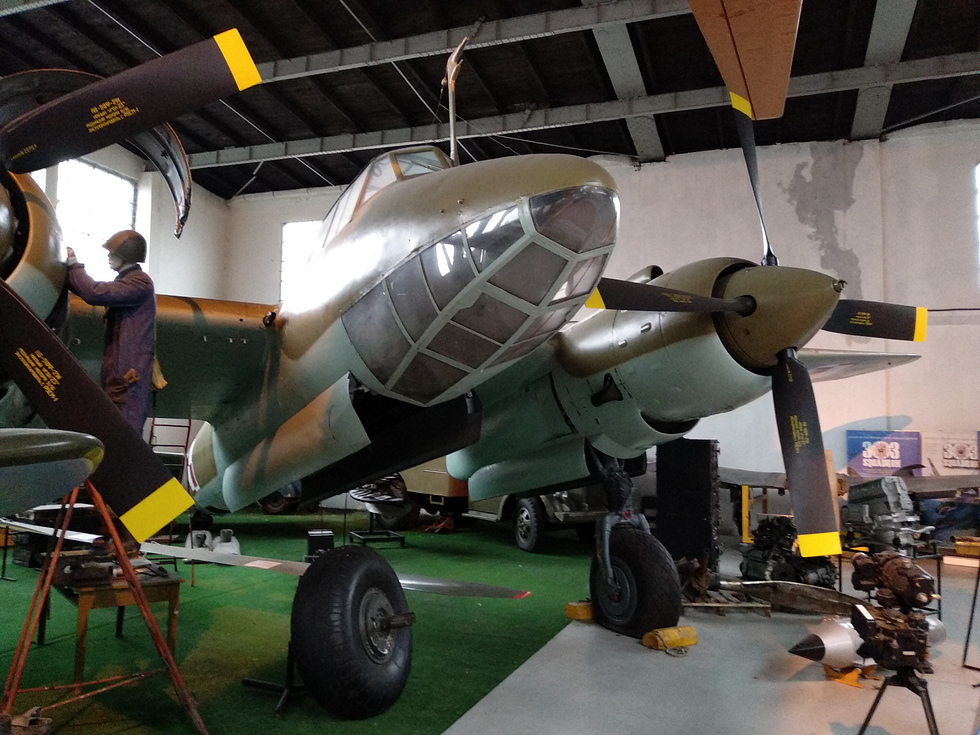
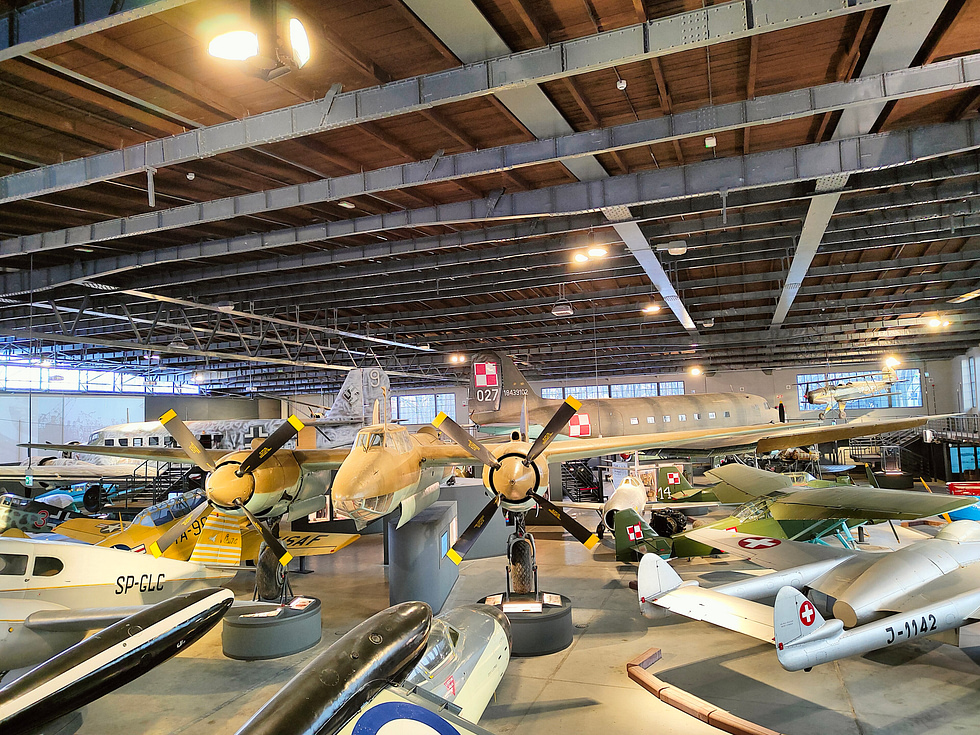
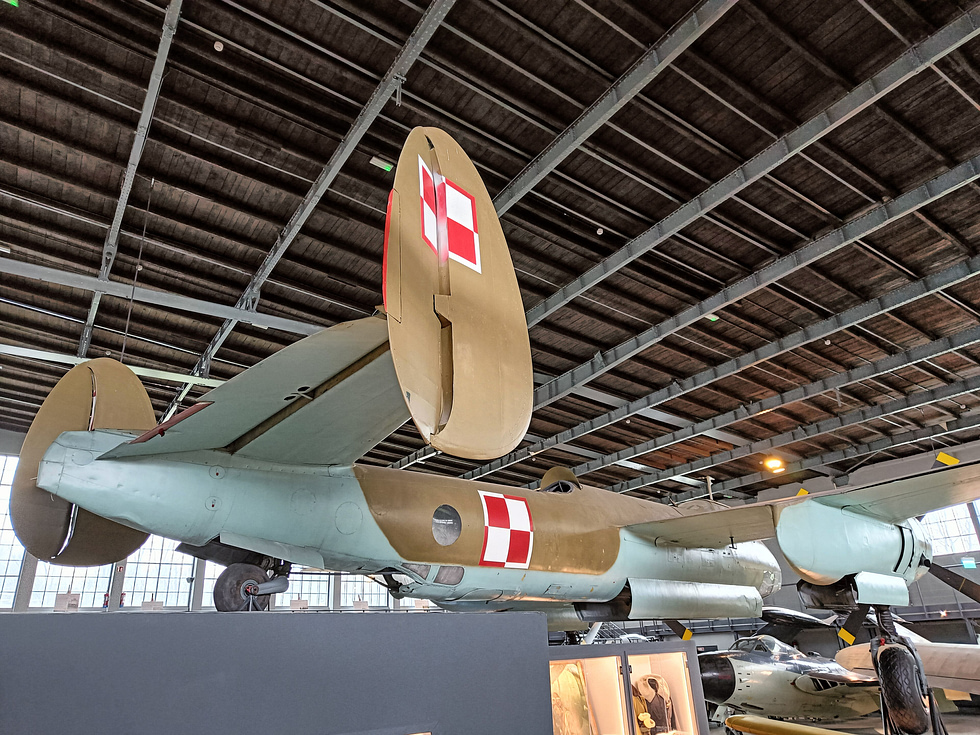
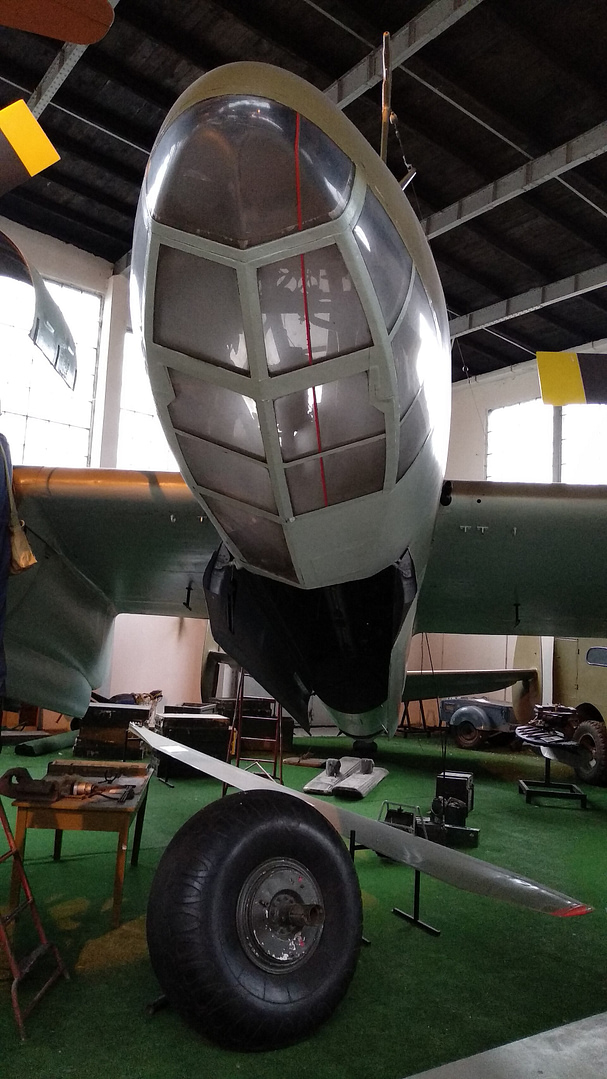
The Tupolev Tu-2 up close
OFF TRACK PLACES: a detailed 4K walk-around of a preserved Tu-2S, taking in the cockpit, glazed nose, ASh-82 engines and defensive gun positions — a close look at a genuinely rare aircraft.
Where the Tu-2 flew — and fought
Tupolev Tu-2: the combat record
The Tu-2 came to the war late but hit hard. In the last year of WWII it was one of the Soviet Union’s most effective bombers; postwar, in Chinese and North Korean hands, it fought on through the Korean War and China’s coastal campaigns — until jet fighters made a piston bomber’s work deadly.
Compare the combat record of every military aircraft. Figures as of August 2026.
Everything people ask about the Tupolev Tu-2
Can I fly in a Tupolev Tu-2?
Who designed the Tupolev Tu-2?
How fast was the Tu-2?
What engines did the Tu-2 use?
How many Tu-2s were built?
Did the Tu-2 fight in the Korean War?
What was the Tu-2’s NATO reporting name?
Are any Tu-2s still around?
You can’t fly the Tupolev Tu-2.
These, you can.
Some legends only live in museums — others are fuelled and waiting. MiGFlug has put civilians in real military jet cockpits since 2004.
 Fly the L-39 AlbatrosThe world’s most-flown jet trainer — aerobatics included
 Fly the F-104 Starfighter“The missile with a man in it”
 Fly the MiG-21The Cold War’s most-produced jet
 T-33シューティングスターを操縦しようAmerica’s first jet trainer
 Fly the DH VampireA piece of early jet history
 Fly the S.211Agile Italian jet trainer
 Fly the MB-326The classic Aermacchi jet
 Fly the MiG-15The Soviet legend of the Korean War
Continue the tour
Every fact, checked
- Military Factory — Tupolev Tu-2 (Bat)Specifications, production total and the operator list used here.
- Vintage Aviation News — First Flight of the Tupolev Tu-2Development history and the 29 January 1941 first flight.
- World War II Database — Tu-2 medium bomberWartime service history and variants.
- Muzeum Lotnictwa Polskiego (Polish Aviation Museum)Home of the preserved Tu-2S photographed for this exhibit.
- Yefim Gordon & Vladimir Rigmant — Tupolev Tu-2 (Red Star series)Detailed design and service monograph on the type.
- Bill Gunston — Tupolev Aircraft since 1922The TsKB-29 sharashka origins and Tupolev’s imprisonment.
- National Museum of the US Air ForceF-86 Sabre operations over Korea and the “Black Tuesday” context.
- The Aviation Geek ClubRetrospectives on Korean-War Tu-2 operations.