
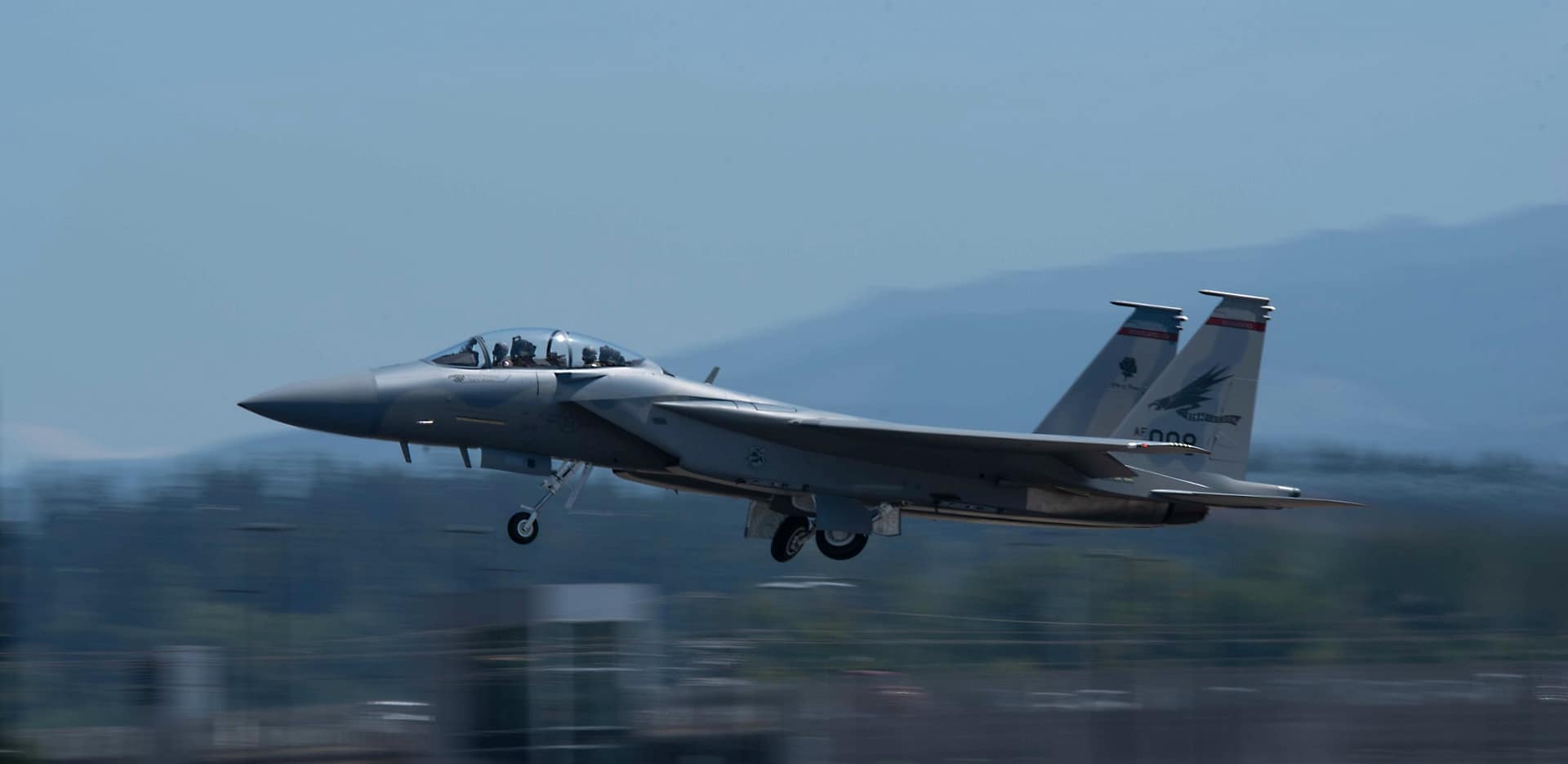
Two-star generals do not usually gang up on Congress. This spring, twenty-two of them did. In a single letter to the House and Senate appropriators, every adjutant general who commands an Air National Guard fighter unit signed the same blunt verdict: the United States Air Force is the oldest, the smallest, and the least ready it has ever been.
Their fix is just as blunt. Buy more jets — a lot more. A floor of 72 new fighters a year, and a target north of 100. The math behind those numbers is where the story gets interesting, because it tells you exactly how thin America’s fighter fleet has worn.
This is the Guard saying out loud what the Air Force has hinted at for years: the hand-me-down system is broken, and the clock is running.
Quick Facts
- Who: 22 National Guard adjutants general from 20+ states with Air National Guard fighter units
- What: A unified letter urging Congress to legislate multi-year procurement of 72–100 new fighters per year
- The floor: 48 F-35As + 24 F-15EXs = 72 aircraft annually
- The goal: 72 F-35As + 36 F-15EXs — more than 100 a year
- The warning: “The oldest, the smallest, and the least ready in its 78-year history”
- The gap: The FY2027 request totals 62 fighters — still below the 72 floor
- Last time the AF bought 72+ fighters in a year: 1998
A Letter the Guard Has Never Sent Before
The letter went out April 1, addressed to the chairs and ranking members of the Senate and House Appropriations committees and their defense subcommittees. What makes it unusual is not the ask — the Air Force has wanted more fighters for years — but the signatures. For the first time, all 22 adjutants general from states that fly Air National Guard fighters put their names on one document.
Brig. Gen. Shannon Smith, who runs the Idaho Air National Guard, framed the unity as the whole point.
The Guard is not asking for jets just for itself. Smith stressed the numbers cover the total force — Active, Guard, and Reserve. The signers represent 24 Air National Guard fighter squadrons plus one Air Force Reserve unit, drawn from Alabama to Wisconsin. That breadth is the message: this is not a parochial budget grab, it is a coast-to-coast alarm.
The Oldest Air Force in History
The headline line of the letter is a sentence that should stop a budget hearing cold: “The United States Air Force is the OLDEST, the SMALLEST, and the LEAST READY in its 78-year history.” The capital letters are theirs.
The numbers back it up. Mission-capable rates across the Air Force fell to roughly 67 percent in fiscal 2024 — the lowest in at least a decade — down from around 78 percent in 2012. By the generals’ own count, 13 of the 24 Air National Guard fighter squadrons have no firm schedule to replace their aging jets at all.
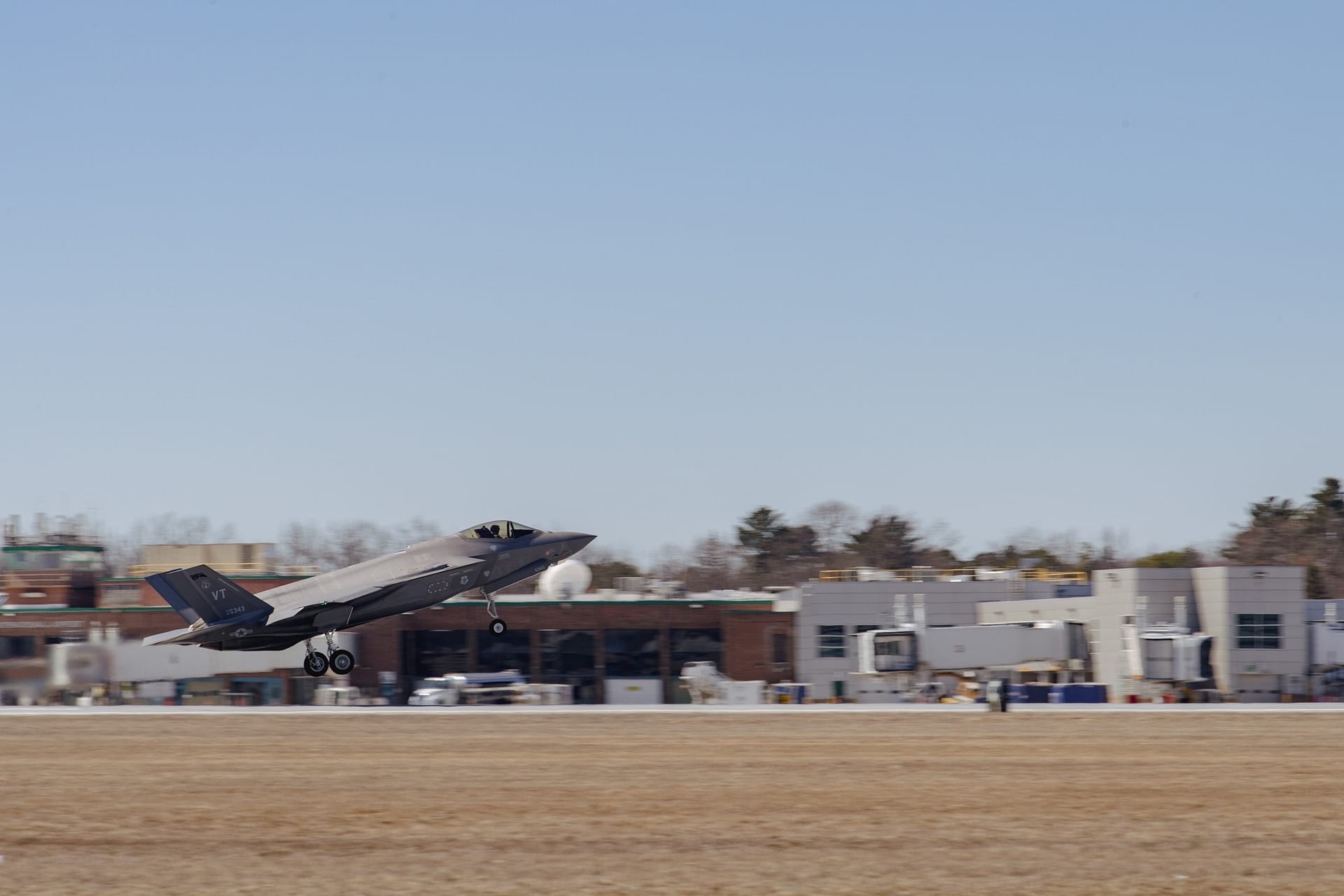
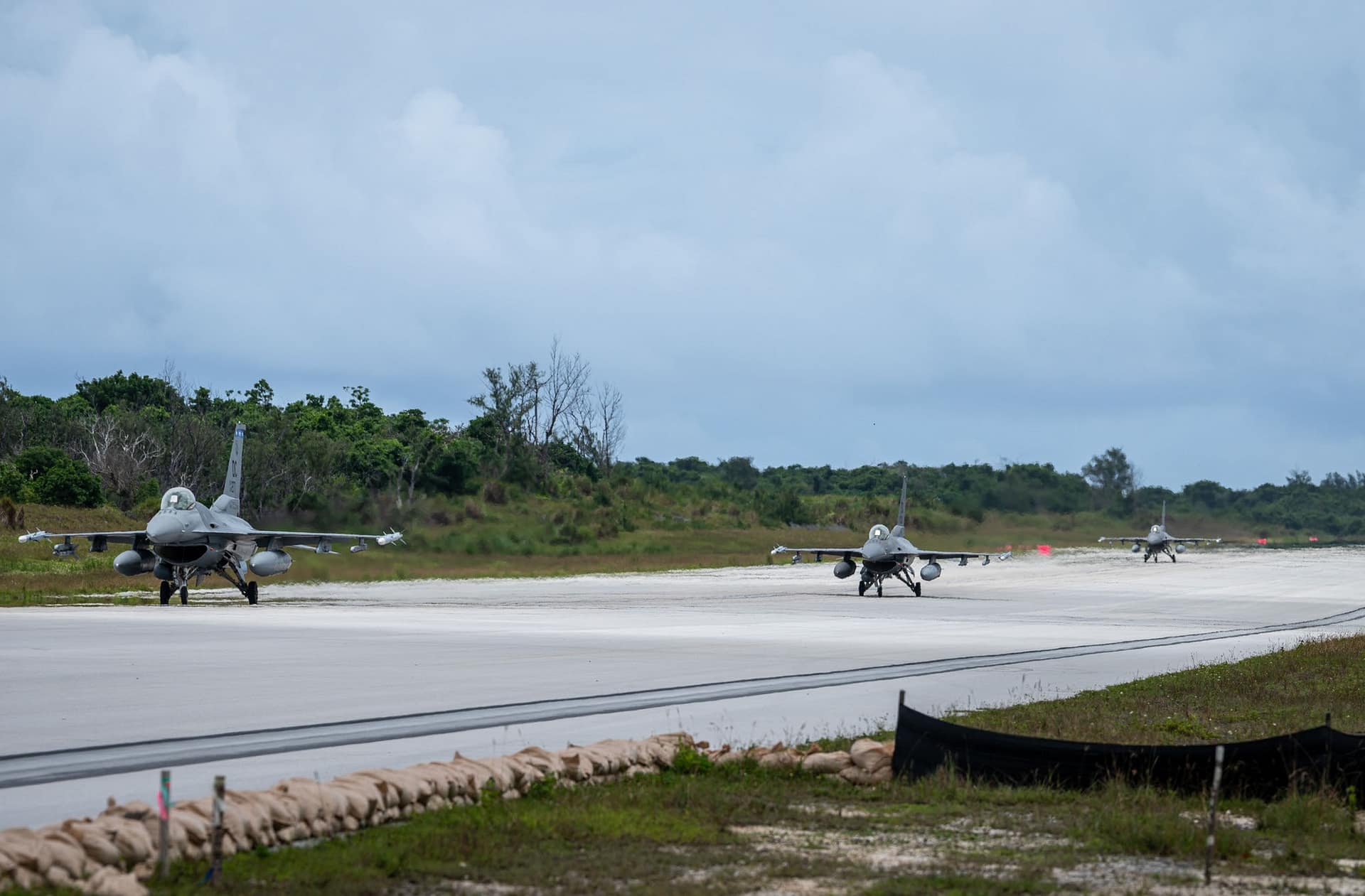
The Guard’s share of the old-iron problem is outsized. It flies 13 of the Air Force’s 33 F-16 squadrons — 39 percent — and 10 of the 22 combat-coded F-16 squadrons, or 45 percent. Many of those Vipers are 1970s and 1980s airframes kept alive by maintainers and spare parts. As the letter puts it, cascading worn-out jets from the active force down to the Guard is not modernization at all.
The 72 vs. 100 Math
So why 72, and why 100? The 72 figure is not new — it is the number the Air Force itself has long described as the minimum required just to keep the fleet from aging faster than it can be replaced. Buy fewer than that, and the average age of the fleet keeps climbing no matter what you do.
The Guard letter sets a baseline of 48 F-35As and 24 F-15EXs per year to hit that 72 floor. The desired end state pushes harder: 72 F-35As and 36 F-15EXs, which clears 100 jets annually and would actually retire the legacy fleet — the A-10s, the F-15Cs, and eventually the F-16s — rather than just slowing the bleed.
Here is the uncomfortable part: the Air Force is nowhere near either number. It requested 48 F-35As in fiscal 2024, then 42, then just 24 in 2026, and 38 in the 2027 request. F-15EX buys ran 24, 18, 21, and 24 across the same years. The fiscal 2027 request adds up to 62 fighters combined — still ten short of the bare-minimum 72. The last time the service actually bought more than 72 fighters in a single year was 1998, before the post-9/11 wars even started.
The aircraft at the center of the fight are not abstractions. When the Oregon Air National Guard’s 142nd Wing became the first operational F-15EX unit in the Air Force, it marked the kind of recapitalization the Guard now wants funded at scale — not as a one-off, but year after year.
Oregon’s 142nd Wing unveils its new F-15EX Eagle II — the first mission-ready unit in the country.
Why the Guard, and Why Now
Two things turned a slow-burning problem into a public plea. One is money: a potential $1.5 trillion defense topline put real procurement dollars on the table, and the Guard wants them spent on multi-year contracts that lock in production and squeeze 5 to 15 percent in savings out of the F-35 line, per a 2025 Congressional Research Service estimate. The other is wear. Hard use in the Middle East — Smith pointed to Operation Epic Fury against Iran — has been burning through both jets and aircrew.
Even in the best case, the clock is brutal. Smith estimated that if Congress funded 100 fighters a year and industry could build them, fully modernizing the fleet would still take 10 to 15 years. That is the cost of decades of deferral: you cannot buy your way out of an aging fleet overnight, even with a blank check.
What the Guard is really asking for is a decision — a specific, funded plan that names the 13 F-16 squadrons still stuck in line and tells them what they will fly next. Until that plan exists, the oldest, smallest, least-ready Air Force in 78 years keeps getting a little older every year. The generals have done the rare thing and said it in unison. Now it is Congress’s move.
Sources: Air & Space Forces Magazine; The War Zone; Military Times; Stars and Stripes; National Guard Association of the United States (letter text, 1 April 2026).
Related Questions
Why does the Air Force want 72 fighters a year?
Seventy-two new fighters per year is the rate the Air Force has long said is the minimum needed just to keep its fleet from aging faster than it can replace aircraft. Below that number, the average age of the fighter fleet keeps rising. The 2026 National Guard letter sets 72 as a floor, split as 48 F-35As and 24 F-15EXs.
What did the National Guard adjutants general ask Congress for?
In an April 1, 2026 letter, 22 adjutants general from states with Air National Guard fighter units urged Congress to legislate multi-year funding for 72 to more than 100 new fighters per year for the total force, warning that the Air Force is the oldest, smallest, and least ready in its 78-year history.
How many F-35s and F-15EXs do they want each year?
The letter sets a minimum baseline of 48 F-35A Lightning IIs and 24 F-15EX Eagle IIs per year, totaling 72. Its desired end state is 72 F-35As and 36 F-15EXs annually, which exceeds 100 new fighters a year and would let the Air Force retire its legacy A-10, F-15C, and F-16 fleets.
How many fighters is the Air Force actually buying?
The fiscal 2027 budget request totals about 62 fighters combined, still below the 72-aircraft floor. Recent F-35A requests ran 48, 42, 24, and 38 across fiscal 2024 to 2027, with F-15EX at 24, 18, 21, and 24. The last year the Air Force bought more than 72 fighters was 1998.
Why is the Air National Guard fighter fleet so old?
The Guard has historically received hand-me-down jets as active-duty squadrons move to newer aircraft. It flies 13 of the Air Force’s 33 F-16 squadrons, many of them 1970s and 1980s airframes, and 13 of its 24 fighter squadrons have no firm schedule to replace their aging jets.
What is multi-year procurement and why does it matter?
Multi-year procurement is a contract that commits the government to buying aircraft over several years rather than one budget at a time. It lets manufacturers plan production, invest in parts, and grow expertise. A 2025 Congressional Research Service report estimated such contracts could save 5 to 15 percent on the F-35.
Related Posts
0 Comments