
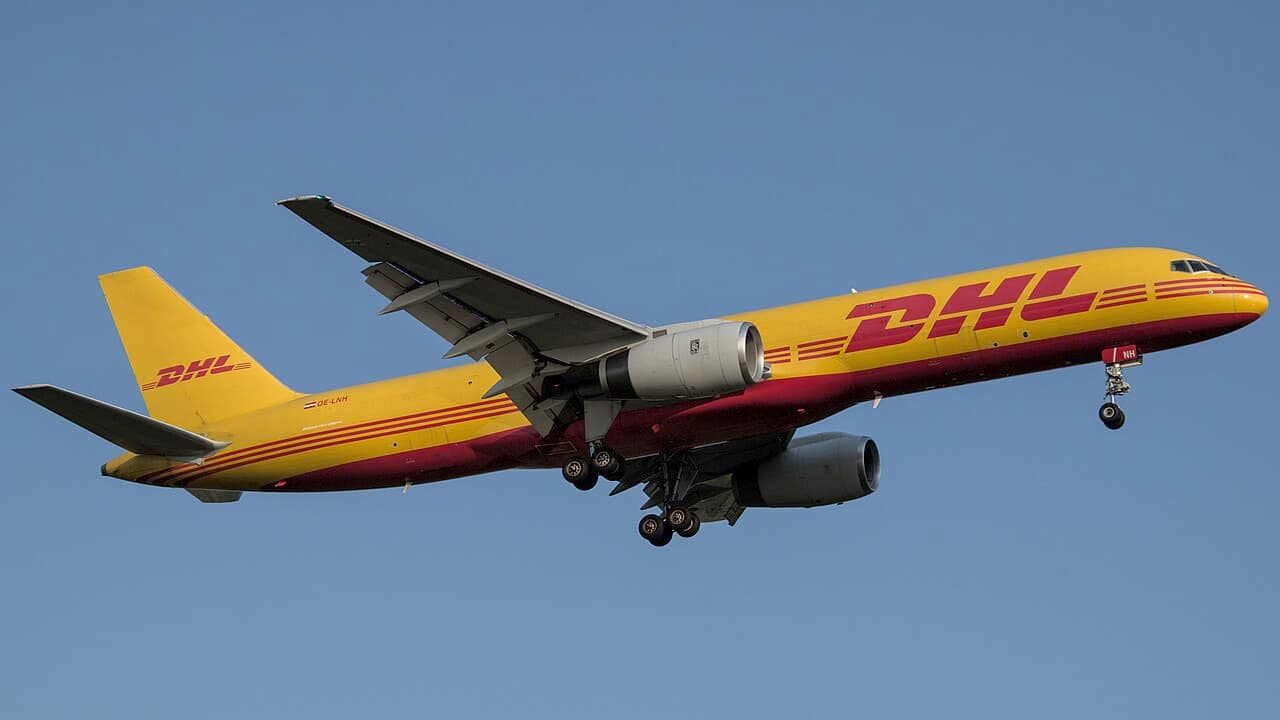
For four years a quiet turf war has run between the companies building 5G networks and the people who land airplanes. On 24 July, the FAA moved to end it.
The agency is issuing a final rule requiring aircraft radio altimeters to shrug off interference from 5G signals in neighbouring radio bands. It arrives alongside a new Federal Communications Commission order clearing fresh 5G spectrum for auction — the product, both agencies say, of years of joint testing.
Quick Facts
- Rule: Interference-tolerant radio altimeter requirement
- Issued: 24 July 2026, with the FCC’s Report and Order
- What altimeters do: Measure exact height above terrain; vital for low-visibility landings
- Deadlines: Scheduled airlines first, other aircraft later
- Retrofit cost: Estimated $4.49 billion, offset by an FCC rebate programme
- Backstory: Proposed January 2026; rooted in the 2022 C-band clash
What a radio altimeter actually does
Most people picture the altimeter that reads height above sea level from air pressure. The radio altimeter is a different instrument: it bounces a signal straight down and times the echo to measure the aircraft’s exact height above the ground.
That number matters most in the final seconds of a bad-weather approach, when the crew cannot see the runway and systems like autoland and terrain-warning alerts are leaning on it. If a strong signal in a neighbouring band bleeds into the altimeter, a wrong reading can appear at the worst possible moment.
How the fight got here
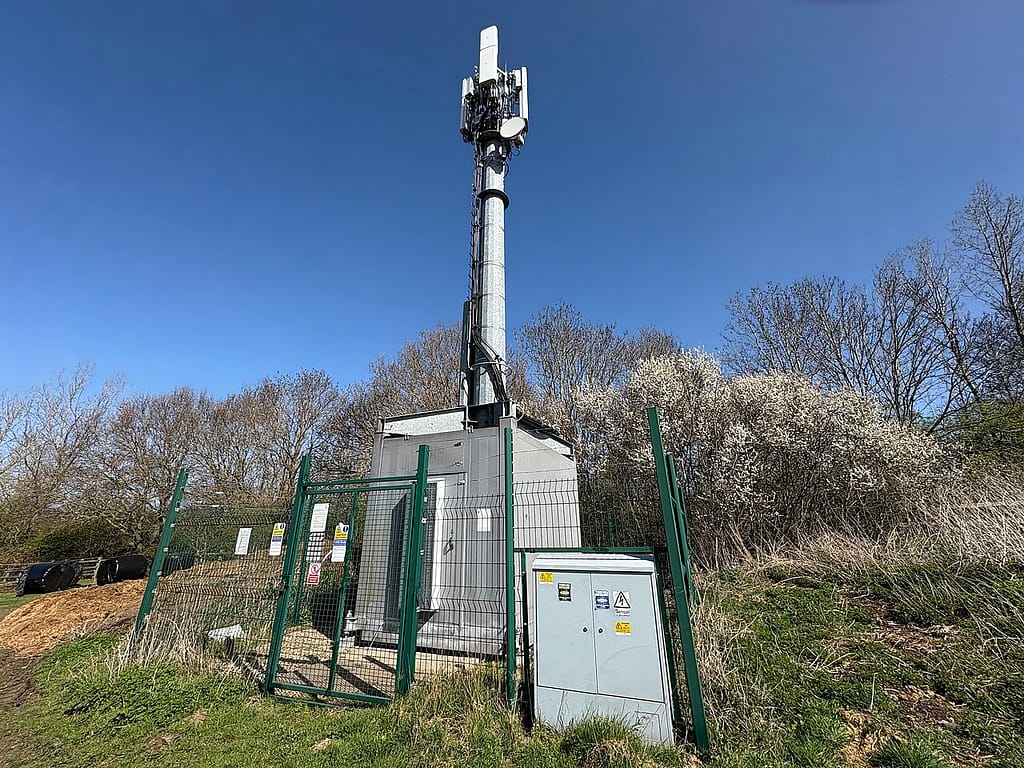
The row erupted in early 2022, when a C-band 5G rollout near U.S. airports triggered warnings that transmitters could interfere with altimeters on approach. Airlines scrambled, some flights were cancelled or reshuffled, and carriers agreed to hold activations back from runway thresholds while the FAA ran tests.
Those tests are what the new rule rests on. The FAA says aviation and expanded wireless can coexist, provided the safeguards baked into the FCC order hold: capping 5G transmit power, keeping a buffer band between 5G and the altimeter frequencies, limiting the height of towers in the new band, and protecting terrain-warning systems.
What changes for flyers
The rule sets two deadlines. Scheduled airlines must fit next-generation altimeters first, so low-visibility operations are not disrupted; other aircraft follow later. The estimated $4.49 billion retrofit is softened by an FCC rebate scheme meant to speed the fleet along.
For passengers, the payoff is dull in the best way: fewer weather-driven surprises on approach, and no repeat of the 2022 scramble that once threatened to strand flights across the country.
Sources: Federal Aviation Administration (Statement on 5G, 22 July 2026); Aviation Week; Bloomberg; Federal Register.


0 Comments