
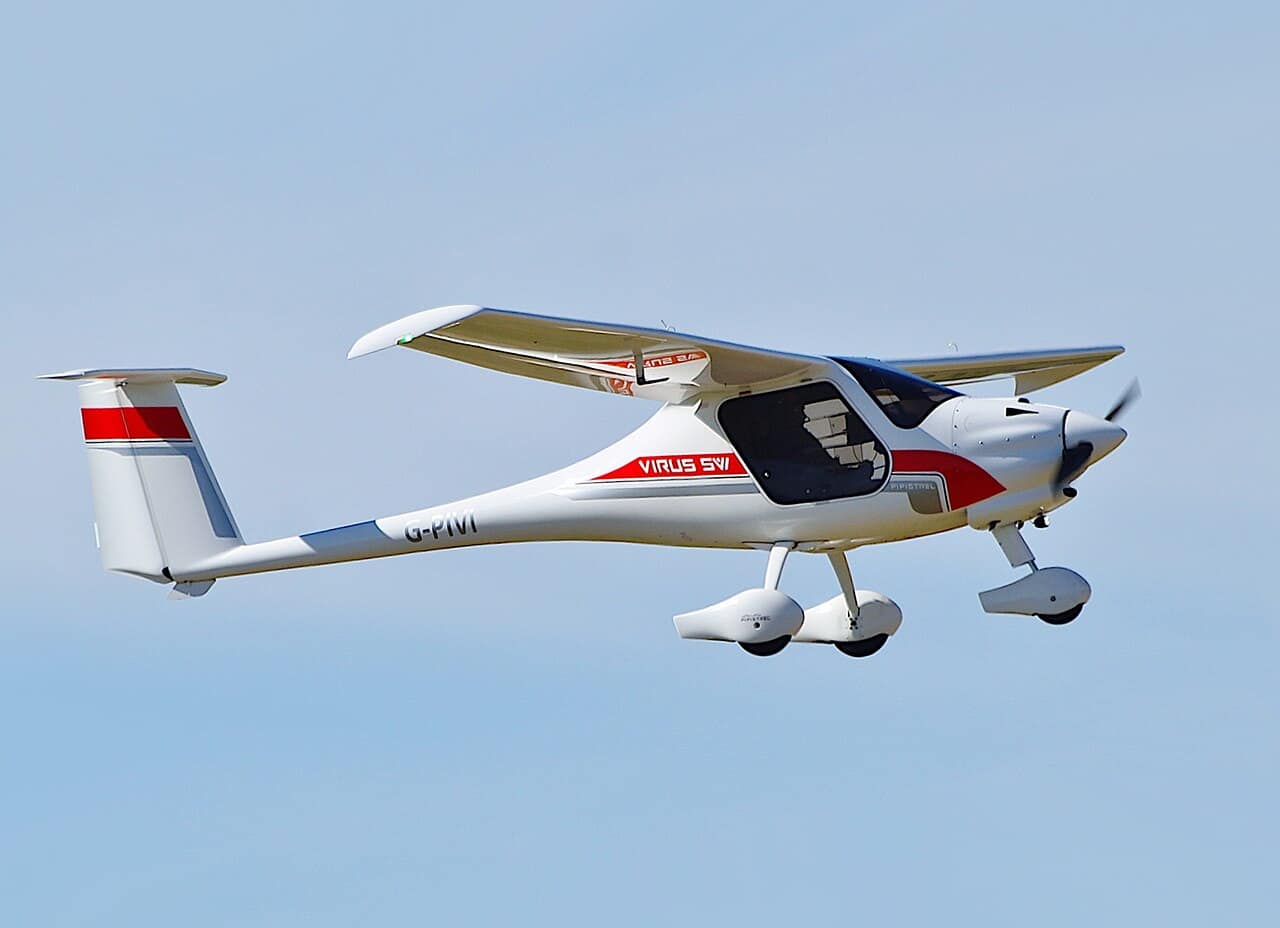
On 24 July, a rule two decades in the making rewrote what counts as a light-sport aircraft in America — and, with it, what a beginner pilot is allowed to fly.
MOSAIC, the Modernization of Special Airworthiness Certification, tears up the light-sport definition written in 2004 and its rigid 1,320-pound weight cap. In its place is a performance-based category built around how slowly an aircraft can fly, not how much it weighs.
Quick Facts
- Rule: MOSAIC — new FAR Part 22 light-sport category
- Effective: 24 July 2026 for new-aircraft certification (pilot-privilege changes began October 2025)
- What’s gone: The 1,320 lb light-sport weight cap from 2004
- New yardstick: Stall speed — up to 59 knots clean for sport-pilot eligibility
- Now allowed: Up to four seats, retractable gear, controllable-pitch propellers
- First mover: Textron’s Pipistrel Voyager trainer, service expected 2027
What actually changes
The old rules boxed light-sport aircraft in by weight. At 1,320 pounds, most genuinely useful trainers simply did not fit, which is a big part of why the category never took over flight training the way its architects hoped.
MOSAIC throws out the scale and measures the aircraft by stall speed instead. Sport-pilot-eligible aeroplanes can now have a clean stall speed of up to 59 knots, up from 45, and the light-sport category itself can now include four-seat designs, retractable gear and variable-pitch props. A sport pilot may still carry only one passenger, but the machines they can train and fly in just got far more capable.
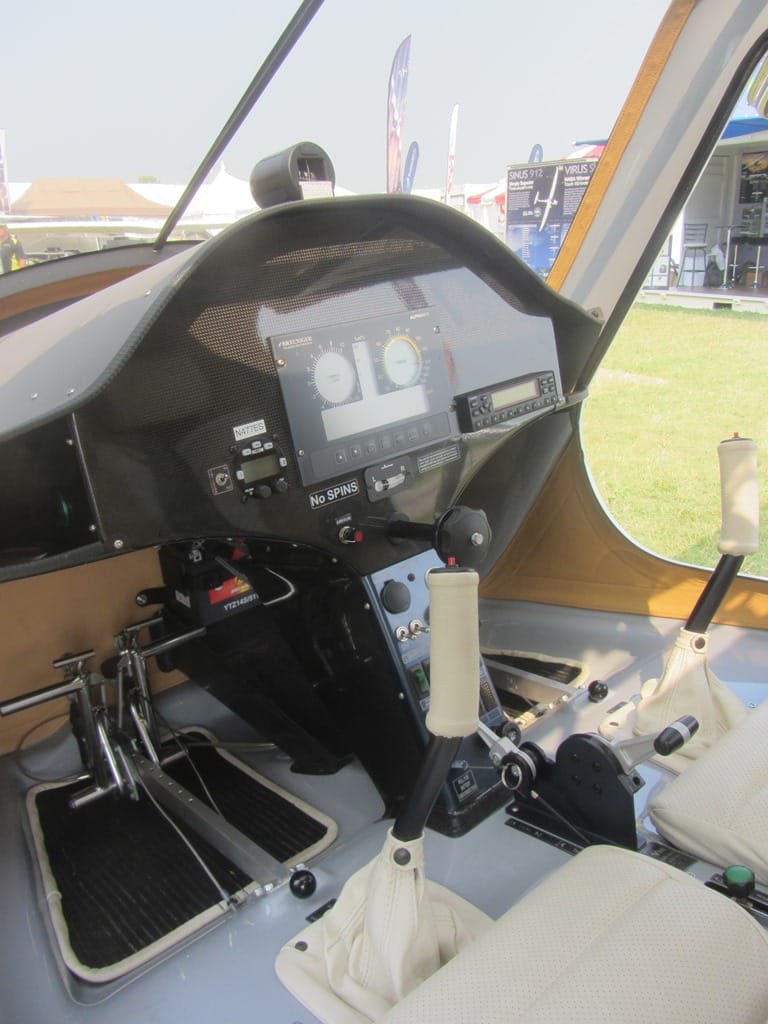
The first aircraft built for the new rules
The clearest sign of the shift arrived four days early. On 20 July, at EAA AirVenture in Oshkosh, Textron unveiled the Pipistrel Voyager — a two-seat trainer designed from the ground up around MOSAIC.
The Voyager is certified for instrument flight and intentional spins, carries all-new Garmin Axis glass avionics and a Rotax 912 ULS engine, and has a range around 740 nautical miles. Textron lists a 2026 base price near €240,000 (roughly $275,000) and service entry in 2027, pitching it as a partner to the venerable Cessna Skyhawk rather than a replacement.
Why it matters if you want to learn to fly
For a would-be pilot, MOSAIC is the biggest shake-up to American general aviation in twenty years. More capable aircraft can now be built and certified under a lighter, cheaper framework, which flight schools hope will ease the cost of both buying trainers and teaching in them.
None of it makes flying free. But for the first time in a generation, the aircraft at the bottom of the ladder are allowed to be something more than the bare minimum.
Sources: FAA; AOPA; Aviation International News; EAA; Textron / Pipistrel; General Aviation News.
0 Comments