
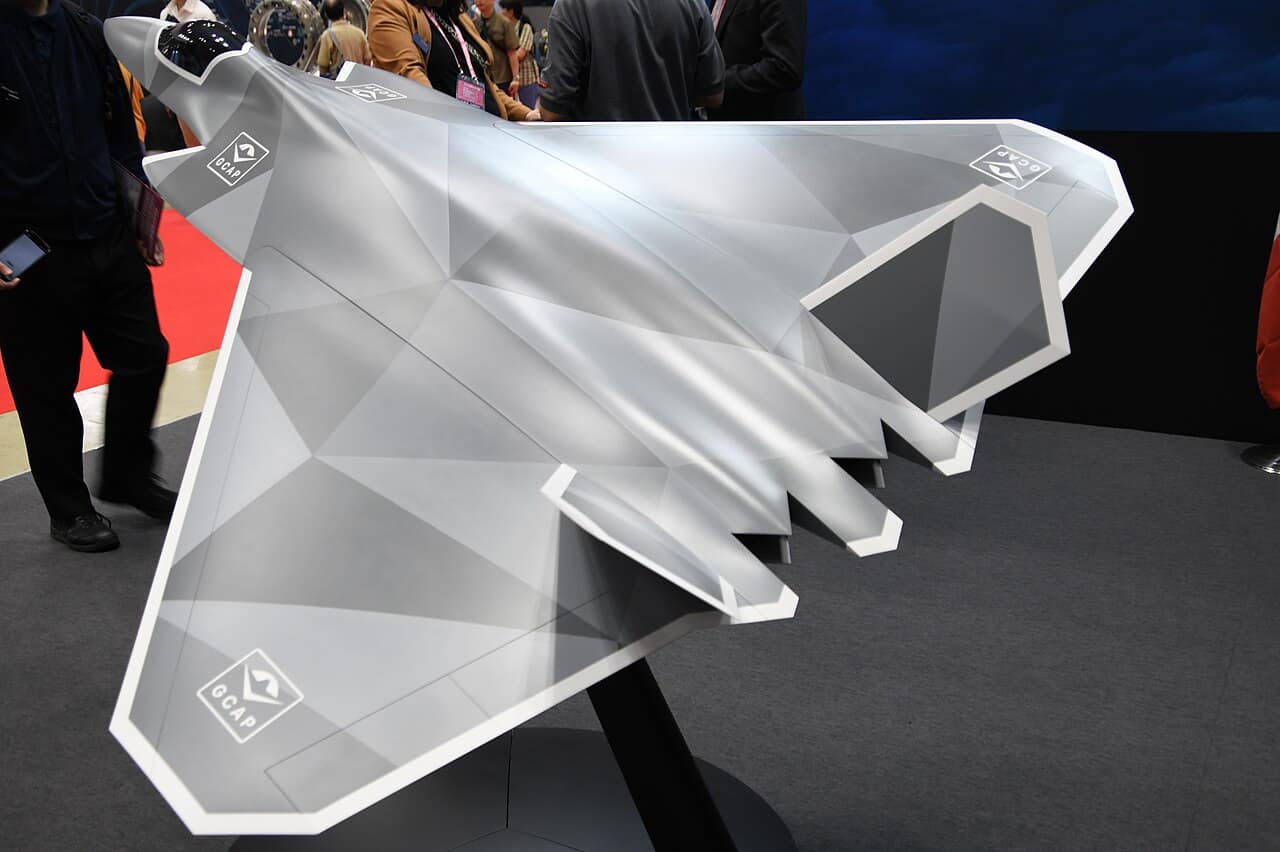
There is a hangar in Aichi Prefecture where Japan already bolts together the most advanced fighter it has ever flown — the F-35 Lightning II, screwed together under licence for the Air Self-Defense Force. Soon that same hall will assemble something Japan helped design from a blank sheet: a sixth-generation stealth fighter built with Britain and Italy.
Tokyo has chosen Mitsubishi Heavy Industries' Komaki South plant, in the town of Toyoyama, as its national centre for the Global Combat Air Programme — the trilateral effort known as GCAP. It is a quiet, industrial decision, and it may be the clearest sign yet that the programme has moved off the drawing board and toward metal.
Because a fighter needs a factory. And with this choice, each of the three partners now has a home.
Quick Facts
- Programme: Global Combat Air Programme (GCAP) — sixth-generation fighter
- Partners: United Kingdom, Italy, Japan (Canada joined as first observer, 21 July 2026)
- Japan assembly & design centre: Mitsubishi Heavy Industries, Komaki South plant, Toyoyama, Aichi Prefecture
- National centres: Warton (UK), Turin (Italy), Komaki (Japan)
- Design joint venture: Edgewing (BAE Systems, Leonardo, Japan Aircraft Industrial Enhancement Co.)
- Replaces: Eurofighter Typhoon (UK & Italy), Mitsubishi F-2 (Japan)
- Target service entry: 2035
- Latest funding: £4.6 billion (about $6.1 billion) 18-month development contract, 3 July 2026
A factory that already speaks fifth-generation
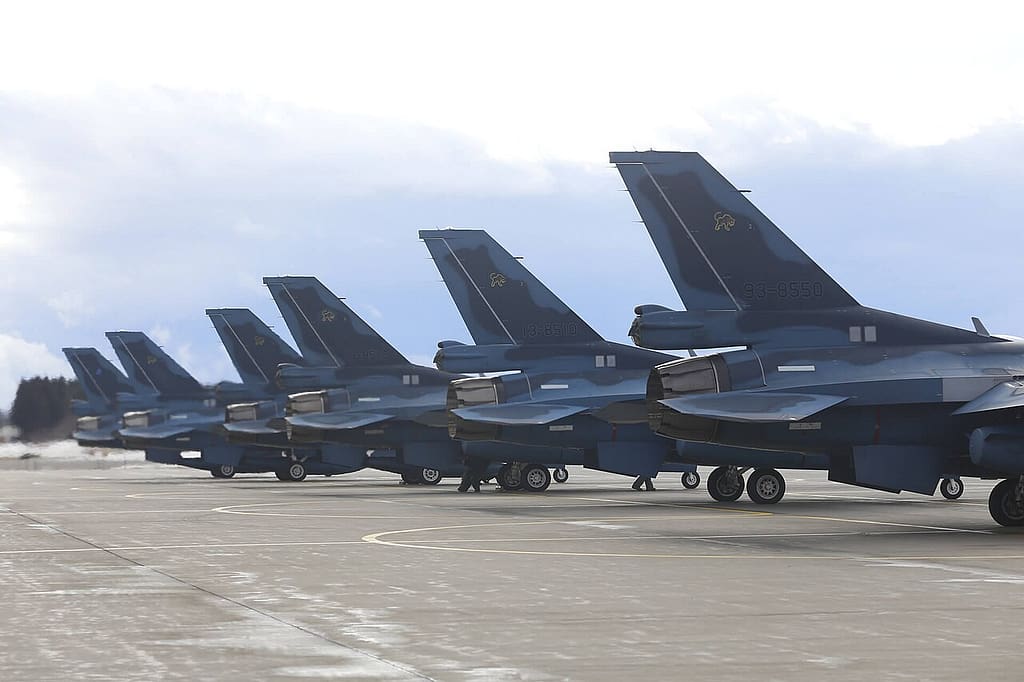
Komaki South is not a greenfield gamble. The plant runs the Final Assembly and Check-Out line that has delivered F-35As to the Japan Air Self-Defense Force, giving it a workforce fluent in low-observable manufacturing, exacting tolerances and modern combat-aircraft integration.
That existing base was, by all accounts, the deciding argument. British engineers are already working alongside Mitsubishi specialists at the site on elements of the future airframe — and Japan carries a heavy share of the design, having taken responsibility for the aircraft's structure in late 2024. Japanese officials have pointed to advanced composite technologies meant to shave structural weight and sharpen stealth.
Mitsubishi Heavy has openly framed the fighter as a core business for its future, a striking pivot after it abandoned its troubled attempt to build Japan's first domestic passenger jet.
Three nations, three home plants
The emerging pattern is neat: Britain builds its centre at Warton in Lancashire, Italy at Turin, and Japan at Komaki. The final division of labour between the three has not been signed, so some assembly stages could still cross borders as the industrial plan matures.
Design and development are the job of Edgewing, the joint venture uniting Britain's BAE Systems, Italy's Leonardo and Japan Aircraft Industrial Enhancement Co. Broadly, Britain leads on avionics and electronic systems, Italy on flight controls, and Japan on the airframe — with plenty of overlap. The jet is meant to fly with stealth, a powerful sensor suite, artificial-intelligence-driven data fusion and control of uncrewed "loyal wingman" drones, replacing the Eurofighter Typhoon in British and Italian service.
From demonstrator to 2035
The metal is already taking shape in England. BAE Systems says final assembly of around half of the main structure of its Combat Air Demonstrator is complete — the first crewed British combat aircraft in some four decades — with more than 11,500 parts designed, accounting for roughly 90% of the aircraft's weight. Lessons from the Orpheus engine demonstrator are feeding the GCAP powerplant, while in Japan, IHI's XF-9 engine and a new Toshiba active-array radar are being matured for the production jet.
That demonstrator is due to fly in 2027. The operational fighter is targeted to enter service in 2035, replacing the Typhoon and the F-2 as Europe's and Japan's front-line air-defence backbone. The club, meanwhile, is growing: Canada signed on as the programme's first observer in July, and Australia and Germany have signalled interest.
For now, the headline is smaller and more concrete than any concept render. A factory has been chosen. The sixth generation just found its Japanese address.
Sources: Kyodo News / Japan Today; Militarnyi; BAE Systems press release (22 July 2026); Janes; Breaking Defense.
Related Posts
0 Comments