
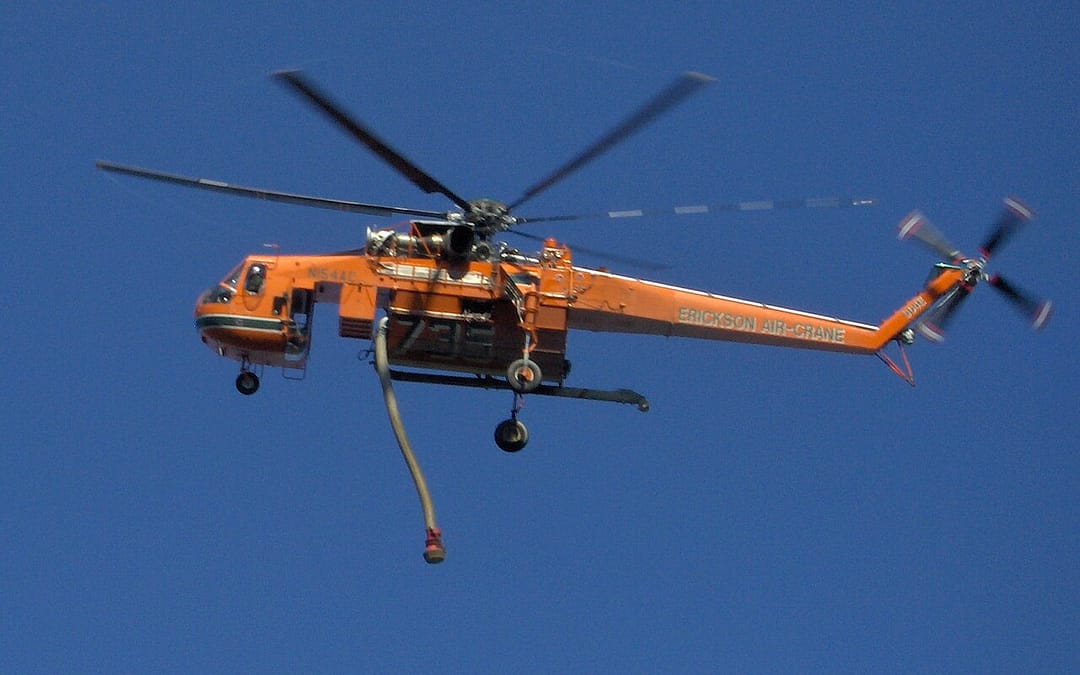

The Airliner That First Flew Above the Weather
Every time you settle into an airliner seat at 35,000 feet, sealed comfortably against air so thin and cold it would kill you in minutes, you are enjoying an idea that first flew on the last day of 1938. Its name was the Boeing 307 Stratoliner, and almost nobody...
The Smallest 737 MAX Is Finally Certified
After a certification saga that outlasted a pandemic, three Boeing CEOs and the better part of a decade, the smallest jet in the 737 MAX family is finally legal to carry passengers. On 3 August, the U.S. Federal Aviation Administration granted Boeing an amended type...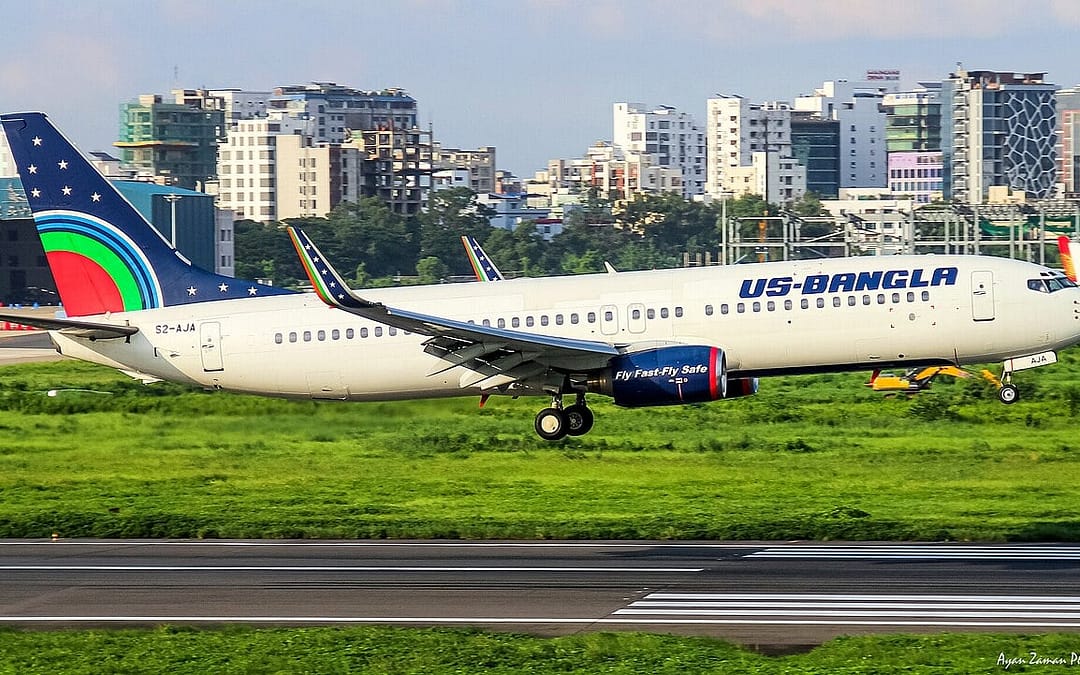
US-Bangla’s $1.5 Billion Bet on Boeing
Bangladesh does not often make the big Boeing headlines. That changed at a hotel ballroom in Dhaka, where the country’s largest private airline quietly placed the biggest bet of its twelve-year life. At the “Beyond with Boeing” event on 29 July,...
When America Built a Bomber Every Hour
An extension to The Race for the Bomb, our ten-part focus series. Part 7 told the engineering story of the B-29 — the pressurised cabin, the burning engines, the Battle of Kansas. This piece asks the question that story leaves hanging: how did America build nearly...
A 777 Flew Scotland to Australia Nonstop
Somewhere over the Indian Ocean last week, a Boeing 777 Freighter was doing something faintly absurd: flying a set of engine parts almost 10,000 nautical miles, nonstop, because a single airliner on the other side of the planet could not fly without them. On August 4,...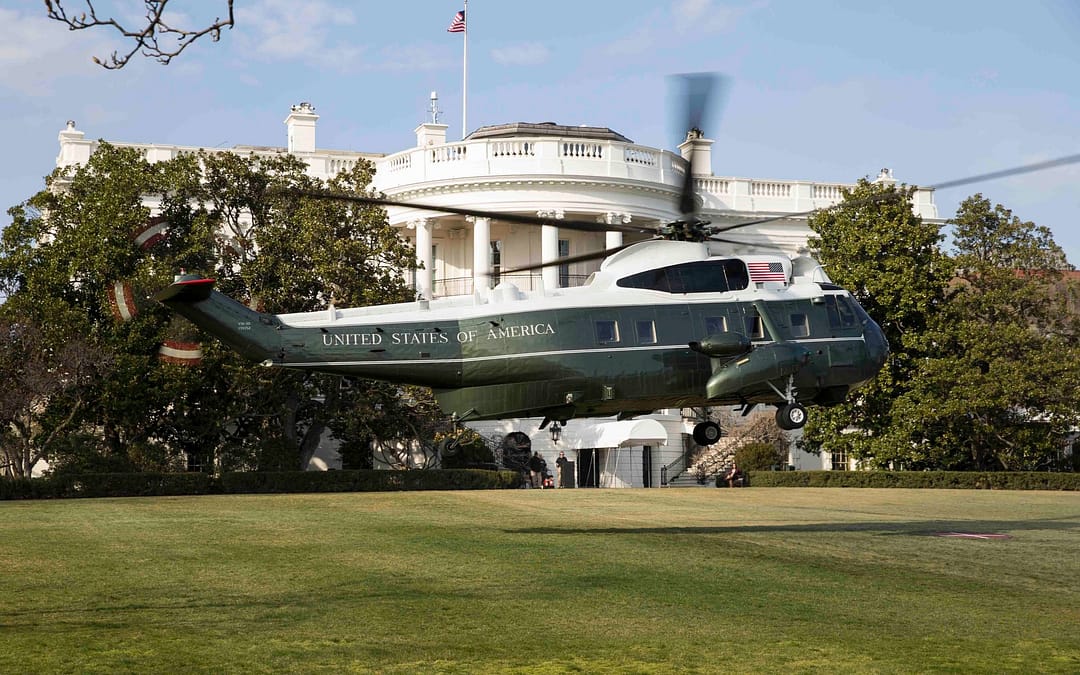
A Jet Got Too Close to Marine One
For about ninety seconds on Tuesday afternoon, the most protected passenger in the world and a planeload of holidaymakers bound for Florida were sharing a narrow slice of Washington sky that the rules say they never should have. On August 4, 2026, Marine One lifted...
The Flying Car That Actually Flew
For as long as there have been cars and aeroplanes, people have wanted to combine them. Almost everyone who tried, failed. But one man actually did it: he built a flying car that flew, that drove, that carried passengers, and that a government safety board certified...
The Wooden Racer That Beat the World to Australia
In 1934, an Australian chocolate millionaire offered a fortune to whoever could fly fastest from England to Melbourne — nearly 11,000 miles across deserts, jungles and oceans. Airliners of the day could not come close. So de Havilland built something entirely...
The Crash You’ve Seen a Hundred Times
You have almost certainly seen this crash, even if you have never heard of the aircraft. A stubby, wingless machine tumbles end over end across a desert lakebed, throwing up a cloud of dust, and comes to rest upside down. For millions of people, that few seconds of...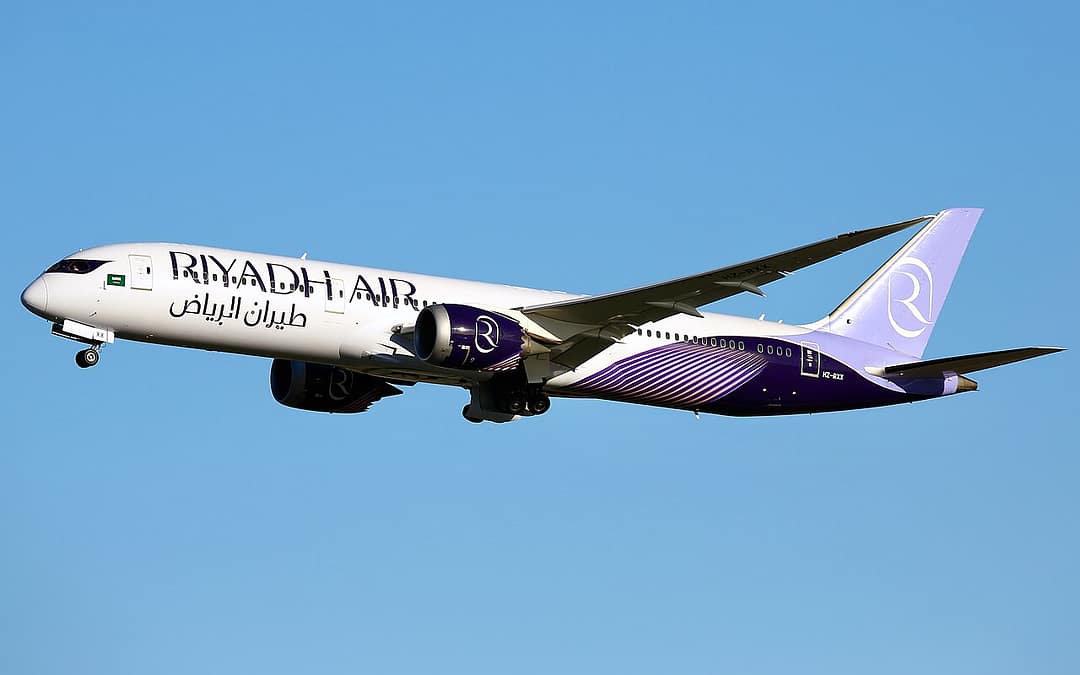
Riyadh Air Lands in India
Saudi Arabia’s glossy new airline has just made its boldest move yet. On 4 August 2026, Riyadh Air flew its first service to Mumbai — a daily Boeing 787-9 Dreamliner between the Saudi capital and India’s financial heart, and the carrier’s...
Recent Comments