History & Legends, Military Aviation
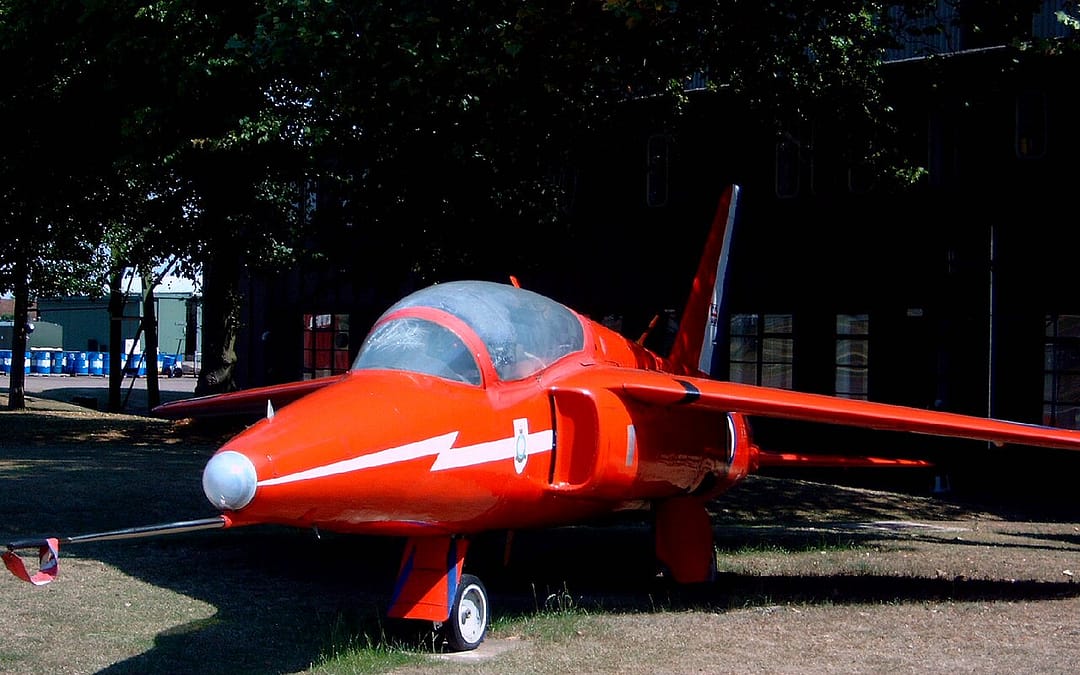
Line the Folland Gnat up next to almost any other jet fighter and it looks like a scale model that wandered onto the ramp by mistake. It is shorter than a Spitfire. A tall pilot practically wears it. And yet this pocket-sized British jet became the original mount of...

History & Legends, Military Aviation
On the afternoon of 7 July 1946, the richest man in America climbed into an unproven silver aircraft and took off alone, against the advice of everyone around him. Just over an hour later, Howard Hughes was lying in the burning wreckage of a Beverly Hills living room,...
History & Legends, Military Aviation
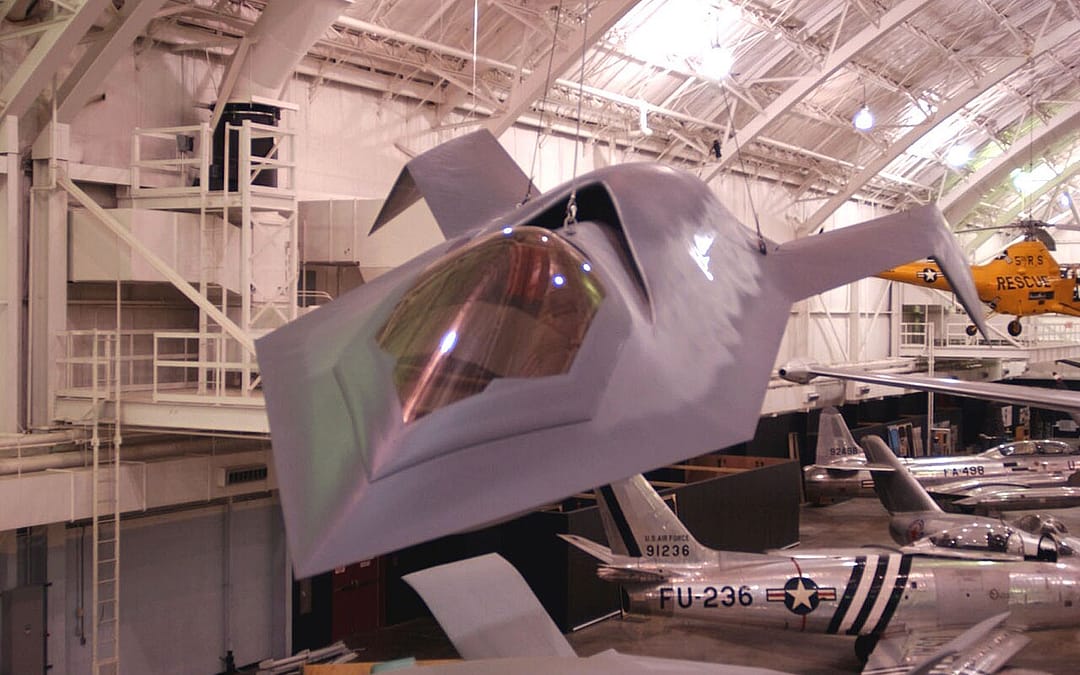
In the autumn of 1996, a jet took off from a secret airfield in the Nevada desert that looked less like an aircraft and more like a prop from a science-fiction film. Faceless, tailless, hunched, its single engine hidden inside its spine, it slipped through the sky in...
History & Legends, Military Aviation
Picture a fighter shaped like a dinner plate. Not a sleek dart, not a graceful sweep of wings — a fat, near-circular disc with a bubble canopy stuck on top and two enormous propellers windmilling at the tips. It looks like something that should be hovering over a...
History & Legends, Military Aviation
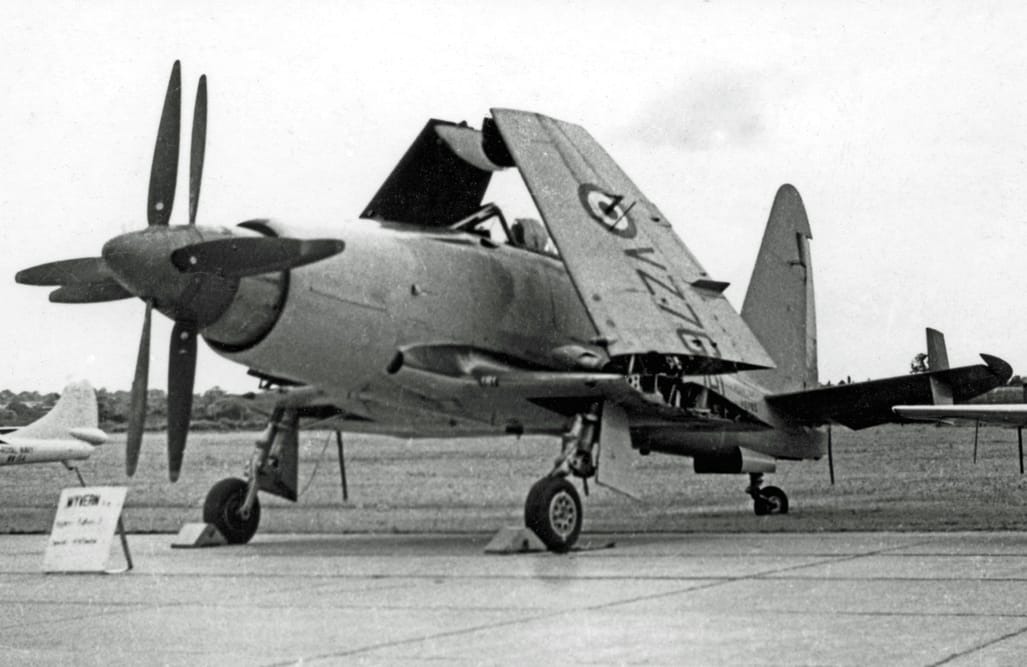
On 13 October 1954, a Royal Navy pilot named Lieutenant B.D. Macfarlane was catapulted off the carrier HMS Albion when his engine died. His aircraft flopped into the sea directly ahead of the ship, which then ran straight over it, slicing the fighter in two. Trapped...
History & Legends, Military Aviation
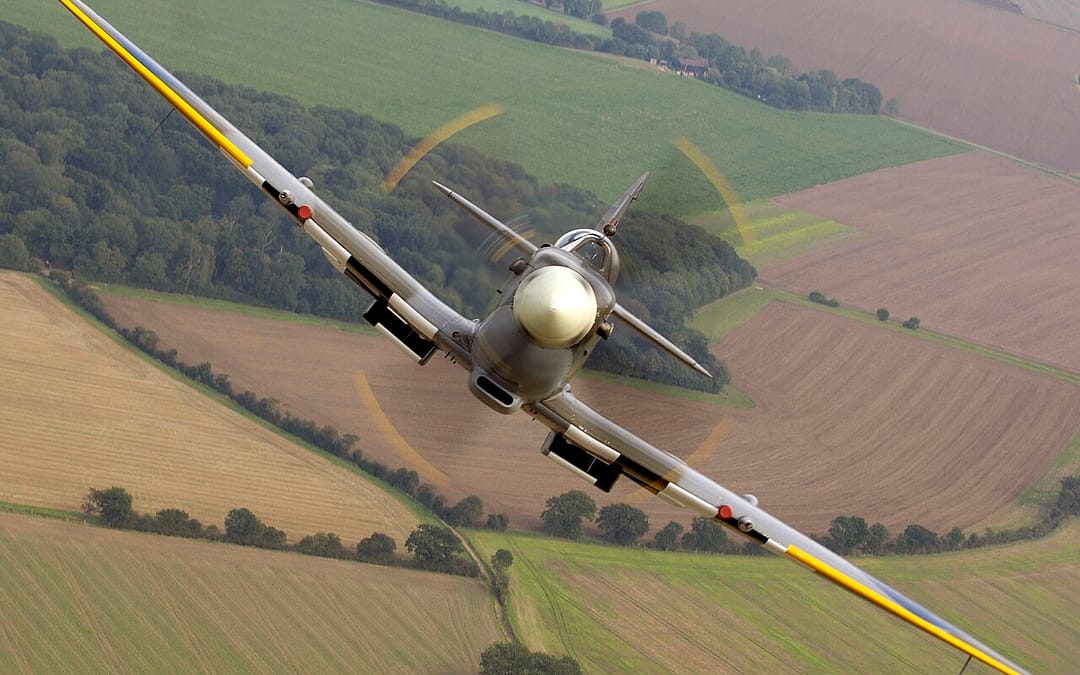
In December 1931, a cocky 21-year-old RAF pilot named Douglas Bader tried a low, showy roll in his biplane, clipped a wingtip on the grass, and crashed. Surgeons took his right leg above the knee that day, and his left below the knee months later. His flying career,...
Aviation World, History & Legends, Military Aviation
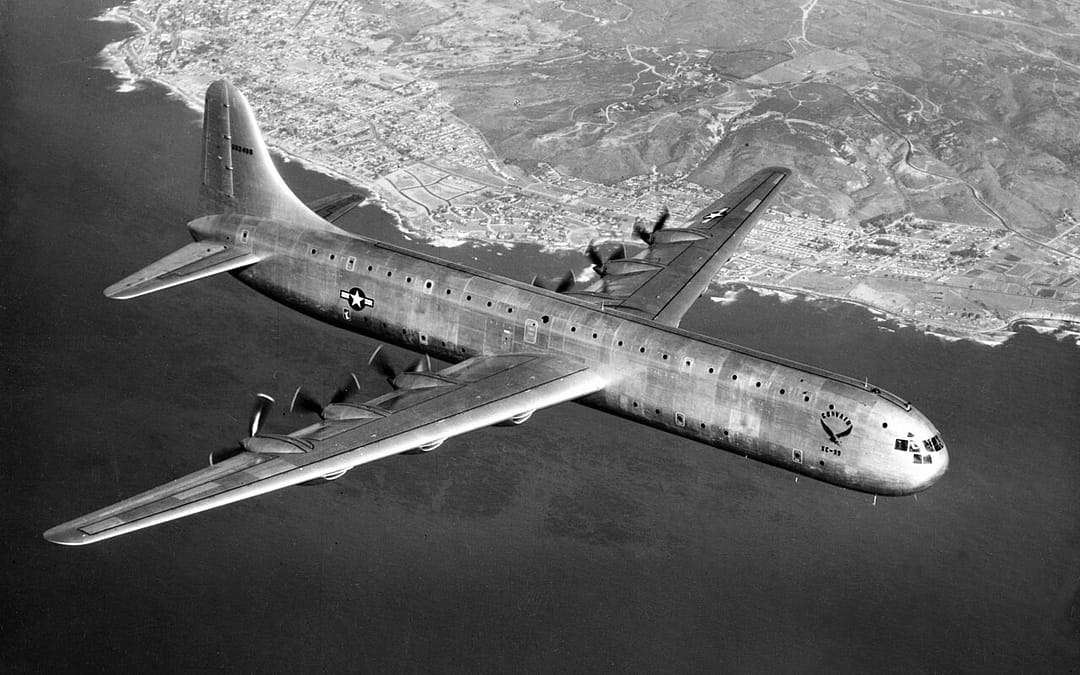
In 1947, Convair rolled out an aircraft so large that, three-quarters of a century later, no piston-engined land transport has ever exceeded it. The XC-99 could swallow a hundred thousand pounds of cargo or four hundred troops on its two full decks, and haul them...
History & Legends, Military Aviation
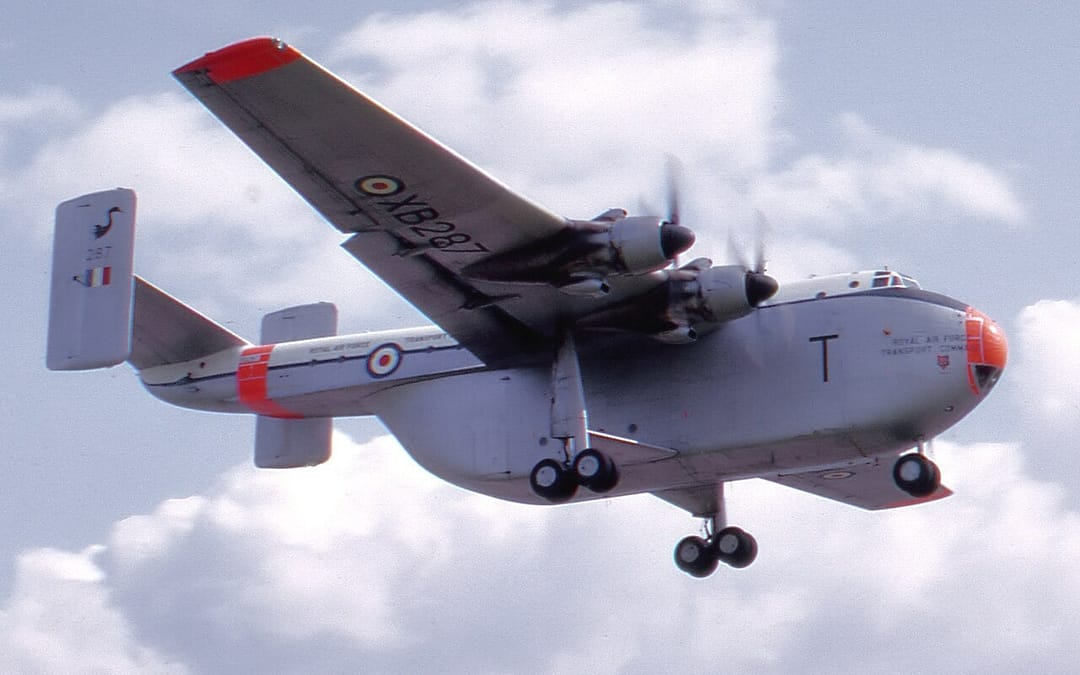
Some aircraft are beautiful. The Blackburn Beverley was not one of them. It looked like a shipping container that had grown four propellers and a pair of tails and decided to fly anyway — a slab-sided barn of an aeroplane with its wheels bolted down permanently...
History & Legends, Military Aviation
Tens of thousands of Axis prisoners spent the Second World War behind Allied wire. Exactly one of them broke out, crossed an ocean, and made it all the way back to his own side to fly again. His name was Franz von Werra, and the film they made about him was called,...
History & Legends, Military Aviation
By any measure of raw combat output, Hans-Ulrich Rudel is one of the most extraordinary military pilots who ever lived. He flew 2,530 combat missions, was shot down some thirty times, lost a leg and kept fighting, and was decorated more than any other German...
Aviation World, History & Legends
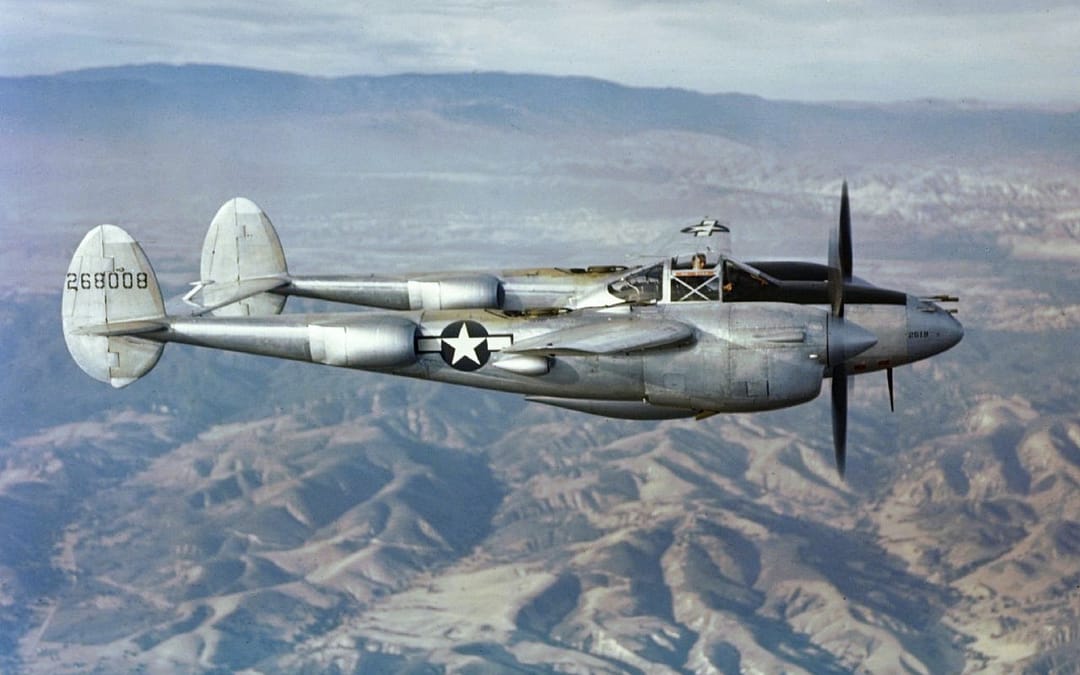
On 31 July 1944, a twin-boomed Lightning climbed away from a dusty airfield on Corsica and turned north toward occupied France. At the controls was a 44-year-old French pilot who was really too old, too battered and too famous to be flying combat missions at all. He...
Aviation World, History & Legends, Military Aviation
On the afternoon of 26 July 1959, Marine Lt. Col. William Rankin was cruising at 47,000 feet when his fighter’s single engine died with a grinding shudder. He reached up, pulled the ejection handles, and blew himself out of the cockpit into air nearly sixty...






Recent Comments