

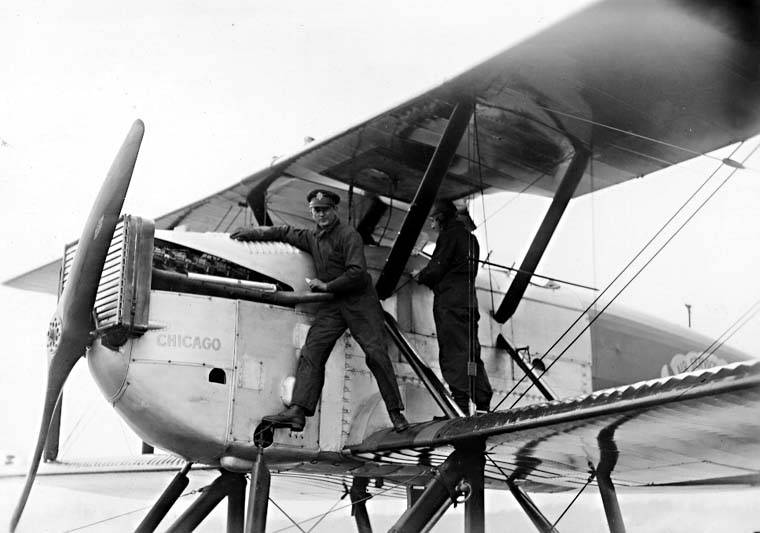
1924 bedeutete eine Weltumrundung per Flugzeug die Überquerung des Pazifiks in offenen Doppeldeckern. Die Motoren mussten alle paar tausend Kilometer überholt werden. Die US-Marine hatte ihre Schiffe Monate im Voraus über den breitesten Ozean der Erde positioniert. Vier Flugzeuge starteten am 6. April in Seattle. Zwei erreichten das Ziel. Sie kehrten am 28. September zurück – 175 Tage und 44.342 Kilometer später – und hatten dabei mehr als 20 Länder und zwei Ozeane durchquert. Sie waren die ersten Menschen, die die Welt auf dem Luftweg umrundet hatten.
Warum Amerika es als erstes tun musste
Bis 1924 war die Luftfahrt zu einem nationalen Prestigeobjekt geworden. Großbritannien, Frankreich, Italien, Portugal und Argentinien planten oder unternahmen bereits Versuche, die Welt zu umrunden. Der US Army Air Service unter Brigadegeneral Billy Mitchell – dem umstrittenen Verfechter der Luftstreitkräfte, der später wegen Befehlsverweigerung vor ein Kriegsgericht gestellt wurde – drängte darauf, dass die USA den Weltrekord als Erste aufstellten. Der Kongress genehmigte die Mission. Douglas Aircraft, die kurz zuvor ihr erstes Verkehrsflugzeug produziert hatte, erhielt den Auftrag, vier spezialisierte Doppeldecker zu bauen, die für Langstreckenflüge über Wasser optimiert waren: die Douglas World Cruiser.
Die Flugzeuge wurden nach amerikanischen Städten benannt: Seattle, Chicago, Boston, Und New Orleans. Sie waren so konstruiert, dass sie sowohl auf Rädern als auch auf Schwimmern fahren konnten – die Möglichkeit, zwischen beiden zu wechseln, war für eine Route, die sowohl Land- als auch Wasserabschnitte umfasste, unerlässlich. Die Planung war akribisch: Dutzende von Versorgungslagern wurden weltweit im Voraus positioniert, und Schiffe der US-Marine wurden im Pazifik eingesetzt, um die Überfahrt zu unterstützen.
Die Verluste beginnen früh
Der Seattle, Die von Major Frederick Martin (dem Flugkommandanten) kommandierte Maschine stürzte am 30. April, nur 24 Tage nach ihrem Start, im Nebel gegen einen Berghang in Alaska. Martin und sein Mechaniker überlebten, nachdem sie zehn Tage lang durch die Wildnis gewandert waren, bevor sie gerettet wurden. Die drei übrigen Flugzeuge flogen weiter nach Westen.
Das Kommando ging im Jahr an Leutnant Lowell Smith über. Chicago. Der Flug führte weiter über Japan, China, Indien, Persien, die Türkei, den Balkan, Frankreich und Großbritannien. Am 3. August… Boston Erlitt über dem Nordatlantik einen Ölpumpenausfall und musste auf dem Weg nach Island notwassern. Die Besatzung wurde gerettet, aber das Flugzeug sank. Ein Ersatzflugzeug, Boston II, wurde nach Nova Scotia geflogen, damit die Bostoner Crew für die letzte Etappe wieder dazustoßen konnte.
Dutzende Versorgungslager waren entlang der Route eingerichtet worden. Kriegsschiffe der US-Marine waren auf den Ozeanen stationiert. 175 Flugtage. Der erste Flug um die Welt war ebenso eine logistische wie eine fliegerische Meisterleistung.
Überquerung des Pazifiks

Die Pazifiküberquerung war die gefährlichste und logistisch anspruchsvollste Etappe. Die Flugzeuge flogen in kurzen Etappen von den Aleuten nach Japan – die Nordpazifikroute war selbst im Frühling tückisch – und waren dabei auf die in Abständen von einigen hundert Meilen positionierten Marineschiffe angewiesen. Bei Nebel und Regen navigierten die Piloten in ihren offenen Doppeldeckern in geringer Höhe mithilfe von Koppelnavigation und den Positionen ihrer Versorgungsschiffe. Ein verfehlter Anflug auf die Küste des Pazifiks bedeutete den Tod.
Der Chicago Und New Orleans Sie überquerten im Frühjahr erfolgreich den Pazifik und flogen – nachdem sie die restliche Route zurückgelegt und den Atlantik erneut überquert hatten – quer durch die Vereinigten Staaten nach Seattle, wo sie am 28. September 1924 unter dem Jubel der Massen landeten. Sie waren 175 Tage in der Luft gewesen und hatten insgesamt rund 371 Stunden Flugzeit absolviert. Boston II Sie beendeten die Reise mit ihnen und gaben der Besatzung, die das Original verloren hatte, das Boston die Auszeichnung, das zu vollenden, was sie begonnen hatten.
Was danach geschah
The 1924 world flight was superseded within decades by increasingly fast circumnavigations. Howard Hughes completed the route in 91 hours in 1938. The first non-stop circumnavigation by a jet aircraft came in 1957, when a US Air Force B-52 completed the journey in 45 hours and 19 minutes with in-flight refuelling. Today, a commercial flight from Singapore to New York takes about 18 hours and covers a route that the 1924 airmen took six months to traverse.
Das Original Chicago Das Flugzeug ist erhalten geblieben und wird im National Air and Space Museum in Washington, D.C. aufbewahrt. Lowell Smith und seine Flugkameraden erhielten die Mackay Trophy für den verdienstvollsten Flug eines US-Militärflugzeugs im Jahr 1924 – eine Auszeichnung, die die Erwartungen fast untertrieb. Er hatte gerade die erste erfolgreiche Erdumrundung mit einem Flugzeug, aus welcher Nation auch immer und mit welchen Mitteln auch immer, durchgeführt. Der Himmel hatte eine neue Dimension: Er umrundete die Erde vollständig.
Quellen: National Air and Space Museum; Lowell Thomas, Der erste Weltflug (1925); Offizielle Aufzeichnungen des US Army Air Service; Smithsonian Magazine.
Verwandte Fragen
Wann fand der erste Flug um die Welt statt?
Die erste Weltumrundung in der Luft gelang 1924. Vier Douglas World Cruiser der US-Armee starteten am 6. April in Seattle; zwei kehrten am 28. September nach 175 Tagen zurück und hatten dabei 44.342 Kilometer durch mehr als 20 Länder und zwei Ozeane zurückgelegt. Ihre Besatzungen waren die ersten Menschen, die die Welt in einem Flugzeug umrundeten.
Welches Flugzeug absolvierte den ersten Flug um die Welt?
Für den Flug wurde die Douglas World Cruiser eingesetzt, ein speziell für Langstreckenflüge über Wasser optimierter Doppeldecker. Vier Maschinen wurden gebaut und nach amerikanischen Städten benannt: Seattle, Chicago, Boston und New Orleans. Sie konnten zwischen Radfahrwerk und Schwimmern wechseln, was für eine Route mit Land- und Wasserabschnitten unerlässlich war.
Wie lange dauerte der erste Flug um die Welt?
Die Überquerung des Pazifiks dauerte 175 Tage, vom 6. April bis zum 28. September 1924. Die Flugzeuge legten dabei 44.342 Kilometer durch mehr als 20 Länder zurück, wobei die Motoren alle paar tausend Meilen überholt werden mussten. Vorab positionierte Versorgungsschiffe und Treibstoffdepots ermöglichten die Überquerung.
Welche Flugzeuge absolvierten den ersten Flug um die Welt?
Von den vier gestarteten Douglas World Cruisern erreichten nur zwei ihr Ziel: die Chicago und die New Orleans. Die Seattle stürzte am 30. April im Nebel gegen einen Berghang in Alaska, die Besatzung überlebte jedoch. Die Boston ging später auf der Reise verloren, sodass die beiden verbleibenden Flugzeuge die Weltumrundung vollendeten.
Warum wollten die Vereinigten Staaten als erste die Welt umrunden?
Bis 1924 war die Luftfahrt zu einer Frage nationalen Prestiges geworden; Großbritannien, Frankreich, Italien, Portugal und Argentinien planten allesamt Weltumrundungen. Der US Army Air Service, angefeuert vom Verfechter der Luftstreitkräfte, Brigadegeneral Billy Mitchell, drängte darauf, den Rekord als Erster aufzustellen, und der Kongress genehmigte die Mission.
Wer war Billy Mitchell?
Brigadegeneral Billy Mitchell war ein umstrittener amerikanischer Verfechter der Luftstreitkräfte, der sich für den ersten Weltumrundungsflug der USA einsetzte. Er äußerte sich offen zur Zukunft der Militärluftfahrt und wurde später wegen Befehlsverweigerung vor ein Kriegsgericht gestellt. Sein Engagement für Flugzeuge trug jedoch maßgeblich zu Projekten wie der Weltumrundung von 1924 bei.
Sind Flugzeuge seitdem auf andere Weise um die Welt geflogen?
Ja. Im Jahr 1938 war der millionenschwere Flieger Howard Hughes Er umrundete die Welt in weniger als vier Tagen, und im Jahr 2016 Solar Impulse 2 Sie umrundete die Erde allein mit Sonnenlicht, ohne einen Tropfen Treibstoff. Der Flug von 1924 hatte 175 Tage gedauert; spätere Versuche verkürzten diese Zeit drastisch.
0 Kommentare