
The future of tourist fighter jet flying

Tourist flights in 5th generation jets? Never.
Fuel costs, maintenance, development...

The dramatic rise of crude oil cost in US$
Newer fighter jets less suitable for flights
The increasing complexity of fighter jets of the 4th generation makes it unlikely that new jets could become available for flights. The MiG-29 in Russia (and before 2006 the Su-27 and MiG-31, see this article) will probably be exceptions. Operations of supersonic fighter jets like the English Electric Lightning by Thundercity in Cape Town, or the Mirage III operations in Switzerland are very expensive and probably not sustainable - Thundercity already stopped the operations with the Lightnings and Buccaneers.The End of History?
In 1989, the famous political scientist and economist Francis Fukuyama published the essay "The End of History?"What we may be witnessing is not just the end of the Cold War, or the passing of a particular period of post-war history, but the end of history as such: that is, the end point of mankind's ideological evolution and the universalization of Western liberal democracy as the final form of human government.

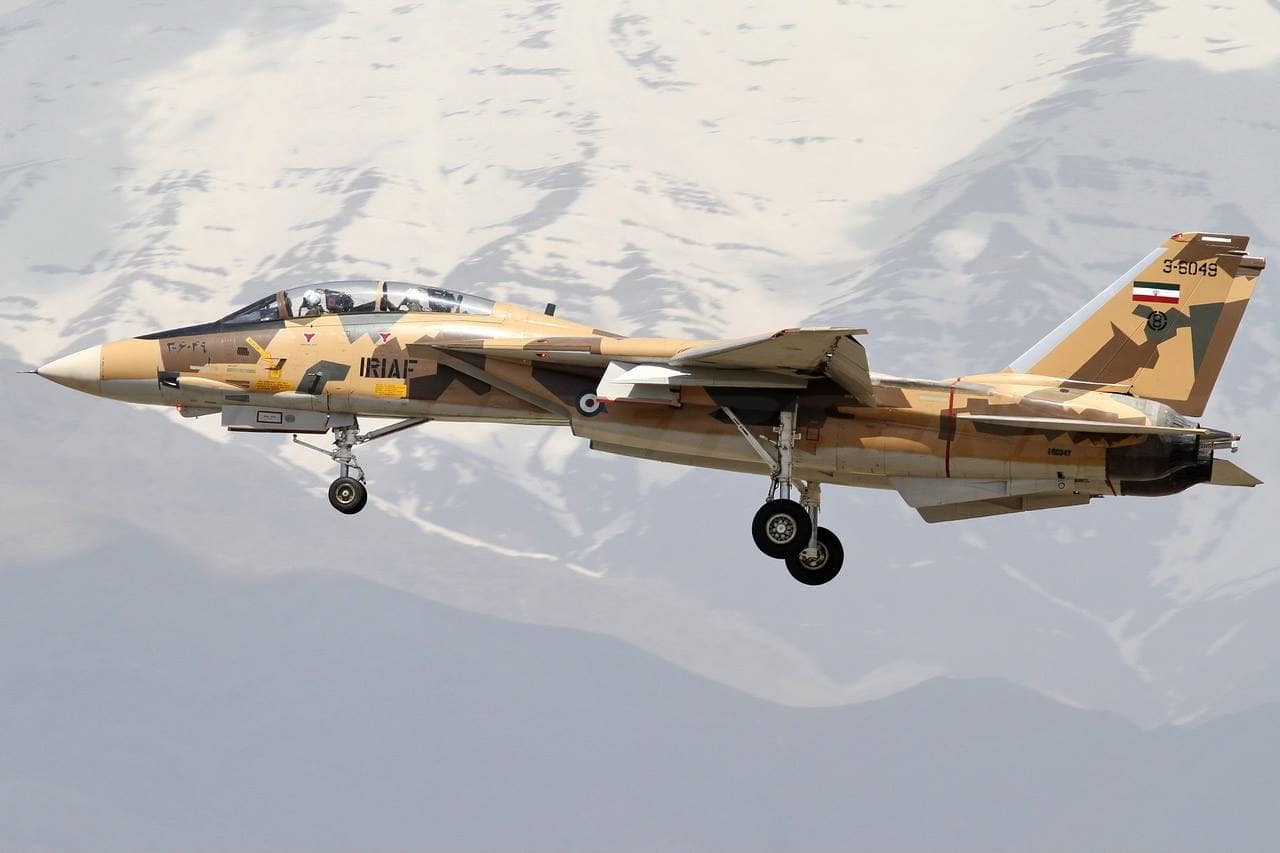
IRIAF F-14A Tomcat -Islamic Republic of Iran Air Force
- The history of passenger fighter jet rides
- Der future of military aviation - will UAVs displace fighter jets anytime soon?
- Der most expensive military aircraft
Verwandte Fragen
Are civilian fighter jet flights becoming harder to get?
Yes. Civilian fighter jet flights are expected to grow rarer and more expensive over time. Rising fuel prices, increasingly scarce spare parts, ageing airframes and tightening aviation rules all push costs up. Modern fourth- and fifth-generation jets are too complex and tightly controlled to reach the civilian market, so the pool of flyable aircraft is slowly shrinking.
Why are spare parts a problem for old fighter jets?
Many Cold War-era fighter jets are no longer in production, so spare parts grow scarcer every year. Operators sometimes custom-manufacture components — the Swiss Hawker Hunter, for example, needs custom-made wheels because the originals are no longer made. Engines eventually need replacing too, and the specialist know-how to maintain these jets is gradually fading as mechanics retire.
Which fighter jet can civilians still fly supersonic?
The MiG-29 Fulcrum is the main fighter jet still offered for civilian supersonic and Edge of Space flights, operating in Russia. Most other supersonic types have been withdrawn from civilian use as they aged or grew too costly to maintain. The MiG-29 remains prized for its raw power and its climb to the edge of space.
Why don't modern fighter jets become available for civilian flights?
Modern fourth- and fifth-generation fighters are extremely complex, costly and tightly export-controlled, making them unsuitable and unavailable for civilian rides. Governments restrict access to advanced avionics, radar and weapons. US Navy F-14 Tomcats, for instance, were scrapped partly to keep parts away from Iran, which still flies its 1970s-era Tomcats — a rare surviving fleet.
How much does a fighter jet flight cost?
Prices vary enormously by aircraft, location and flight length. Entry-level jet trainer rides are far cheaper than a supersonic sortie in a frontline fighter like the MiG-29, which can run into many thousands of euros for an Edge of Space flight. Fuel, maintenance and spare-part scarcity all feed into the price. See a detailed cost breakdown.
Why did the US destroy its F-14 Tomcats?
The US Navy retired the F-14 Tomcat in 2006 and shredded most airframes to stop spare parts reaching Iran, the only other Tomcat operator. Iran had received the jets in the 1970s when it was a Western ally under the Shah. Destroying the airframes denied Iran a supply of components and upgrades for its fleet.
Is the future of civilian jet flights toward more or fewer options?
The long-term trend points to fewer and more expensive civilian jet flight options. As classic jets age, spare parts dwindle, experienced mechanics retire and regulations tighten, the number of airworthy aircraft available for rides falls. That makes today's remaining experiences, especially supersonic ones, increasingly rare opportunities to seize.

Мы поддерживаем вас и люблю вас, Победа над НАВСЕГДА WEST MNOSTRUM