
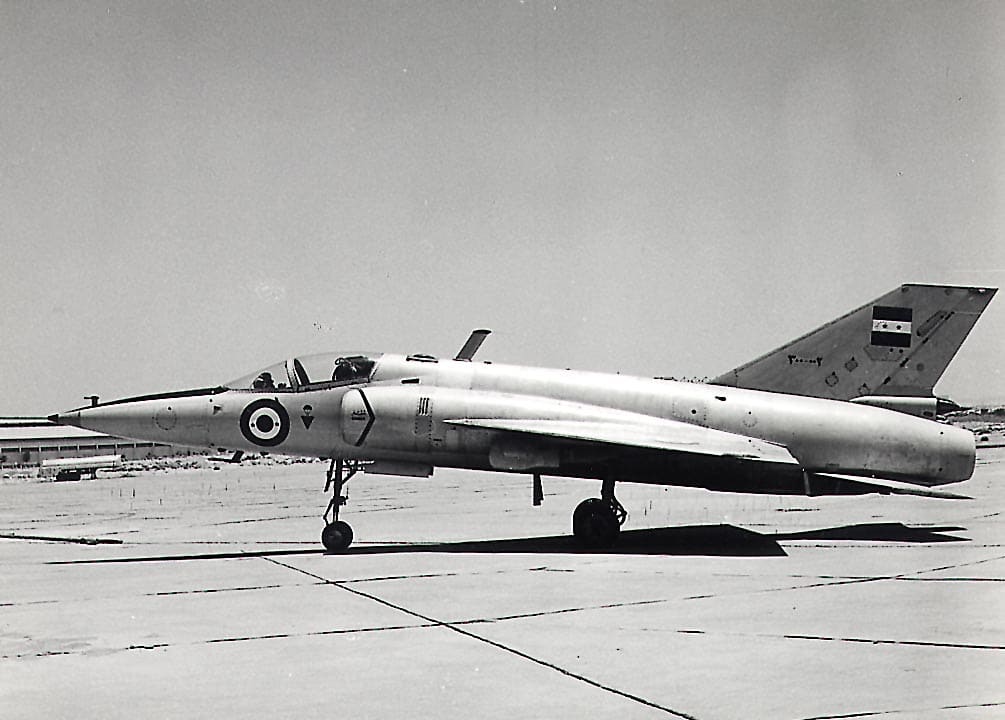
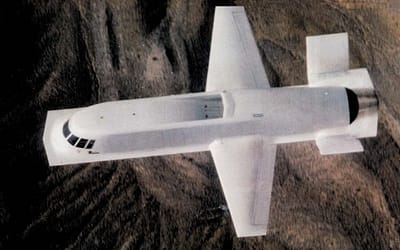
It is 7 March 1964, and the desert south of Cairo shimmers in the morning heat. On the runway at Helwan sits a tiny, needle-nosed delta-wing jet, barely bigger than a sports car with wings. An Egyptian test pilot runs the engine up, releases the brakes, and the little fighter leaps into the African sky. Standing on the ramp, watching their creation fly for the first time, is a group of German engineers a long way from home — and at their centre, an old man whose name once terrified Allied bomber crews: Willy Messerschmitt.
Minutes later the jet pushes past the speed of sound, touching Mach 1.13. Egypt had just flown its own supersonic fighter — designed by the man behind the Bf 109 and the world’s first operational jet, the Me 262. It is one of the strangest and most forgotten stories in aviation: the day the Pharaohs almost built a world-class fighter.
QUICK FACTS
Aircraft: Helwan HA-300 — single-seat, delta-wing supersonic interceptor
Designer: Willy Messerschmitt, working in exile after WWII
Built by: Egypt’s General Aero Organisation at Helwan, near Cairo
First flight: 7 March 1964 — reached Mach 1.13
Engine: The E-300, developed by Austrian Ferdinand Brandner; partly funded by India
Fate: Cancelled in May 1969 after war and money ran out
Messerschmitt’s long road into exile
After 1945, Willy Messerschmitt was barred from designing aircraft in occupied Germany. So he went where the work was. In Spain he joined Hispano Aviación and began sketching a lightweight fighter. When Egypt’s President Nasser went hunting for prestige weapons his country could build itself, he bought the whole project — design, designer, and team — and moved it to a factory at Helwan in 1959.
The brief was bold: a small, cheap, supersonic interceptor that could climb fast and defend Egyptian skies, built in Egypt by Egyptians under German supervision. They called it the HA-300, for Helwan Aircraft 300.
The engine was the hard part
An airframe is only as good as what is bolted into it, and here Egypt hit the wall every aspiring aircraft nation hits: the engine. When the planned British Bristol Orpheus fell through, Nasser hired another exile — the Austrian jet-engine specialist Ferdinand Brandner — to build one from scratch. His E-300 turbojet first ran in 1963.
Egypt was not alone in wanting it. India, then developing its own HF-24 Marut fighter, helped fund the E-300’s development and tested it in the air. For a brief moment, a German-designed Egyptian engine was at the heart of two nations’ fighter dreams.
This was no vanity project. Test pilots found the HA-300 light, fast and agile, and the design showed potential to reach Mach 2. With a mature engine and steady funding, Egypt might have fielded a credible homegrown interceptor years ahead of most of the developing world.
Why it never made it
Then history closed in. The catastrophic Arab defeat in the 1967 Six-Day War shattered Egypt’s finances and its priorities. Money for an expensive, slow-maturing fighter programme evaporated, and Soviet jets — available immediately, in quantity — made an indigenous interceptor look like a luxury. In May 1969 the HA-300 was cancelled. Helwan’s skilled workforce was put to building spare parts for Egypt’s Soviet-supplied air force instead.
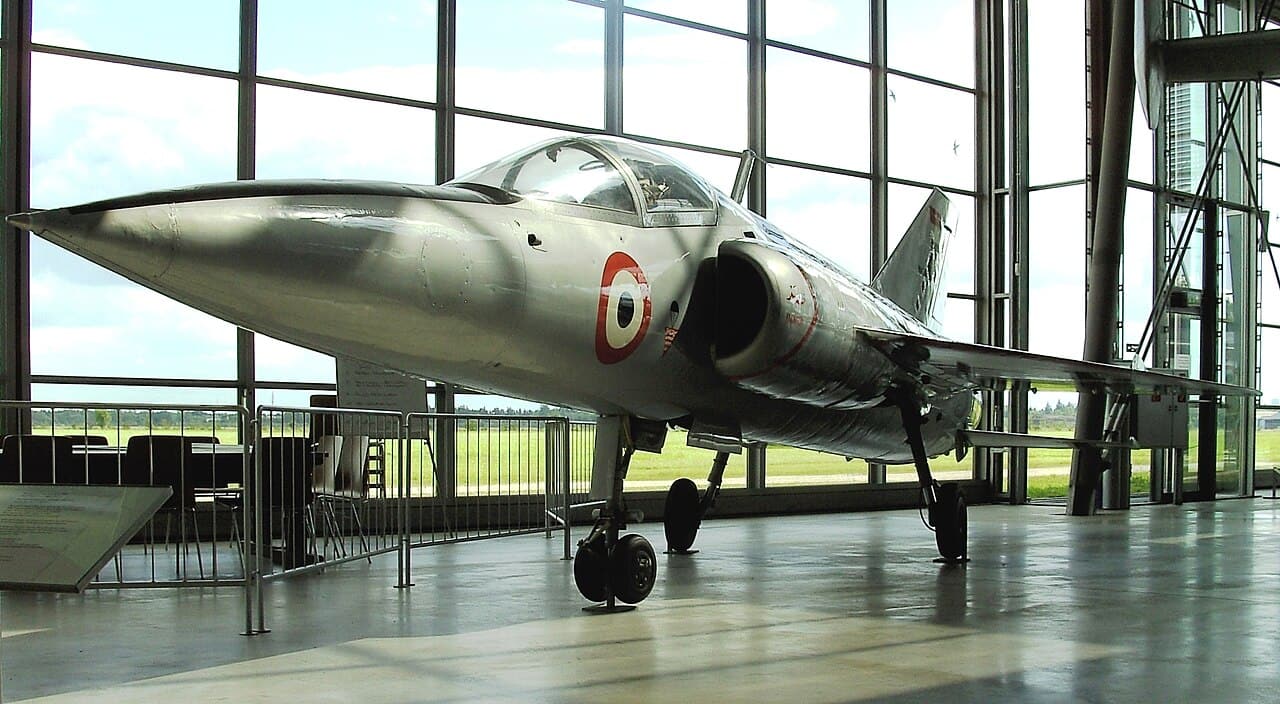
Messerschmitt’s last design never entered service. Only a handful of prototypes were ever built, and the survivor eventually made its way back to Germany, where it sits today in a museum near Munich — a sleek little what-if from a designer, a country, and a moment that never quite came together.
A short history of the Helwan HA-300 — Egypt’s ambitious Messerschmitt-designed fighter.
It is easy to file the HA-300 under “failure.” But look closer and it is something rarer: a glimpse of an alternate history, where the man who built the Luftwaffe’s fighters spent his final years helping Egypt reach for the speed of sound — and very nearly got there.
Sources: Deutsches Museum; Vintage Aviation News; GlobalSecurity.org; Military Matters; Wikipedia.
Related Questions
What was the Helwan HA-300?
The Helwan HA-300 was a lightweight, delta-wing supersonic fighter built in Egypt in the 1960s. Designed by the German engineer Willy Messerschmitt, it first flew in 1964 and reached Mach 1.13, making it one of the developing world’s most ambitious indigenous fighter projects.
Who designed the Helwan HA-300?
The HA-300 was designed by Willy Messerschmitt, the German engineer behind the WWII Bf 109 fighter and the Me 262 jet. Barred from designing aircraft in postwar Germany, he worked in Spain and then in Egypt, where the HA-300 became his final aircraft design.
Did the Helwan HA-300 actually fly?
Yes. The first HA-300 prototype made its maiden flight on 7 March 1964 and reached Mach 1.13. Test pilots found it light and agile, and the design was thought capable of reaching Mach 2 with a fully developed engine.
Why did the Helwan HA-300 project fail?
The programme was cancelled in May 1969. Egypt’s defeat in the 1967 Six-Day War drained its finances, and readily available Soviet jets made an expensive homegrown fighter look unaffordable. Only a few prototypes were built before the project ended.
Where is the Helwan HA-300 today?
The sole surviving HA-300 prototype is preserved at the Deutsches Museum Flugwerft Schleissheim, an aviation museum near Munich, Germany — a quiet reminder of Egypt’s brief bid to build a world-class fighter.

0 Kommentare