
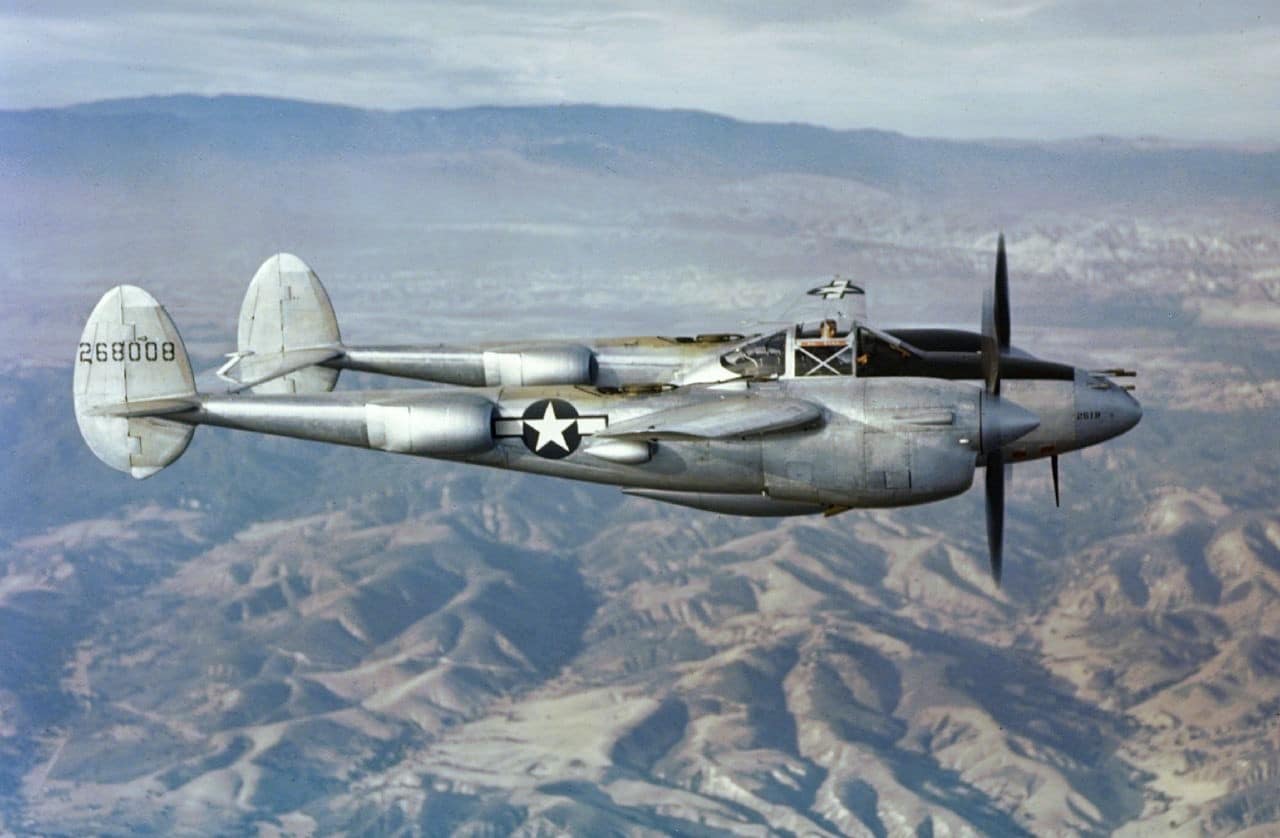
On 31 July 1944, a twin-boomed Lightning climbed away from a dusty airfield on Corsica and turned north toward occupied France. At the controls was a 44-year-old French pilot who was really too old, too battered and too famous to be flying combat missions at all. He never came back.
His name was Antoine de Saint-Exupery, and by then he was already one of the most beloved writers in the world — the author of The Little Prince. For more than half a century, no one knew where he had fallen.
Kurzinfo
- WHO: Antoine de Saint-Exupery, French aviator and writer (1900–1944)
- Famous for: “Night Flight”, “Wind, Sand and Stars” and “The Little Prince”
- Day job: Pioneer airmail pilot over the Sahara and the Andes
- Last flight: 31 July 1944, an unarmed F-5 reconnaissance Lightning from Corsica
- Vanished: Over the Mediterranean; wreck found off Marseille decades later
- Ursache: Never confirmed — no combat damage found on the wreck
A pilot before he was a poet
Saint-Exupery flew for a living long before he wrote for one. In the 1920s he carried the mail for the legendary Aeropostale line, running open-cockpit biplanes across the Sahara and, later, over the storm-lashed peaks of the Andes. He knew engine failure over hostile desert, forced landings among unfriendly tribes, and the particular loneliness of a night flight with only the stars for company.
He poured all of it into his books. Flying, for him, was not an escape from the world but a way of seeing it whole.
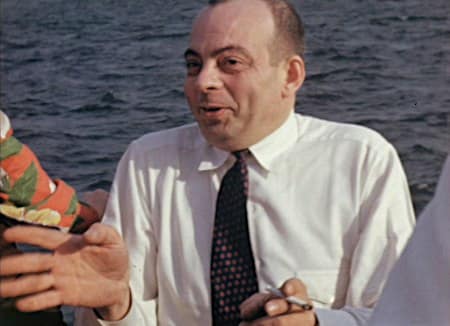
The desert and the prince
In 1935, attempting a record flight to Saigon, he crashed in the Libyan desert with his mechanic. The two men nearly died of thirst before a Bedouin found them. The mirages, the silence and the strange clarity of those days in the sand settled deep in his imagination — and years later, in exile in New York, they surfaced as the desert where a downed pilot meets a small prince from another world.
The last flight
When France fell, Saint-Exupery talked his way back into uniform. Well past the age limit and carrying injuries from earlier crashes, he was assigned to a photo-reconnaissance squadron flying stripped-down, unarmed Lightnings — all cameras, no guns. On the morning of 31 July 1944 he took off from Bastia to photograph the Rhone valley. He simply did not return.
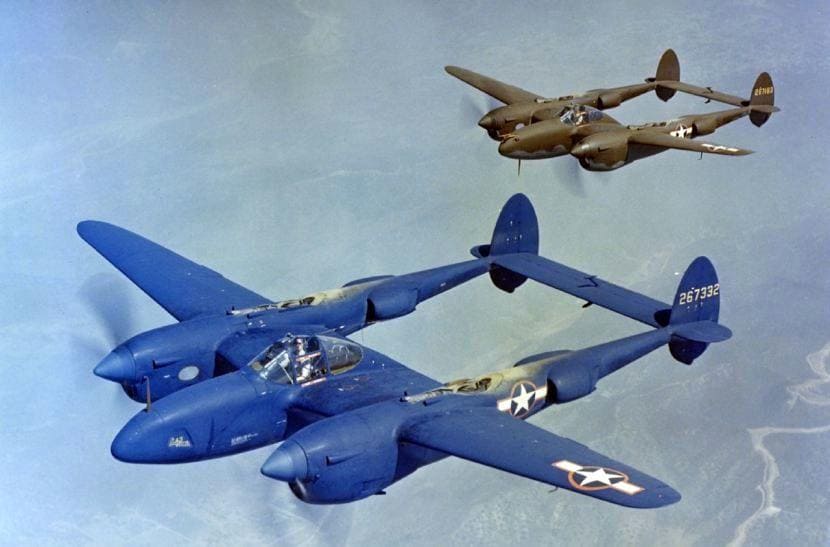
The mystery held until 1998, when a fisherman near Marseille pulled up a silver identity bracelet bearing his name. Two years later a diver located the shattered remains of a P-38 on the seabed off the Ile de Riou. Parts raised in 2003 carried a serial number that matched. The aircraft had gone into the water almost vertically, at tremendous speed. Investigators found no sign of enemy fire — only that the Little Prince’s creator had come down into the sea he had so often flown above.
Sources: The National WWII Museum; French Department of Underwater Archaeology (DRASSM); AVweb; CBS News; Wikipedia.
0 Kommentare