
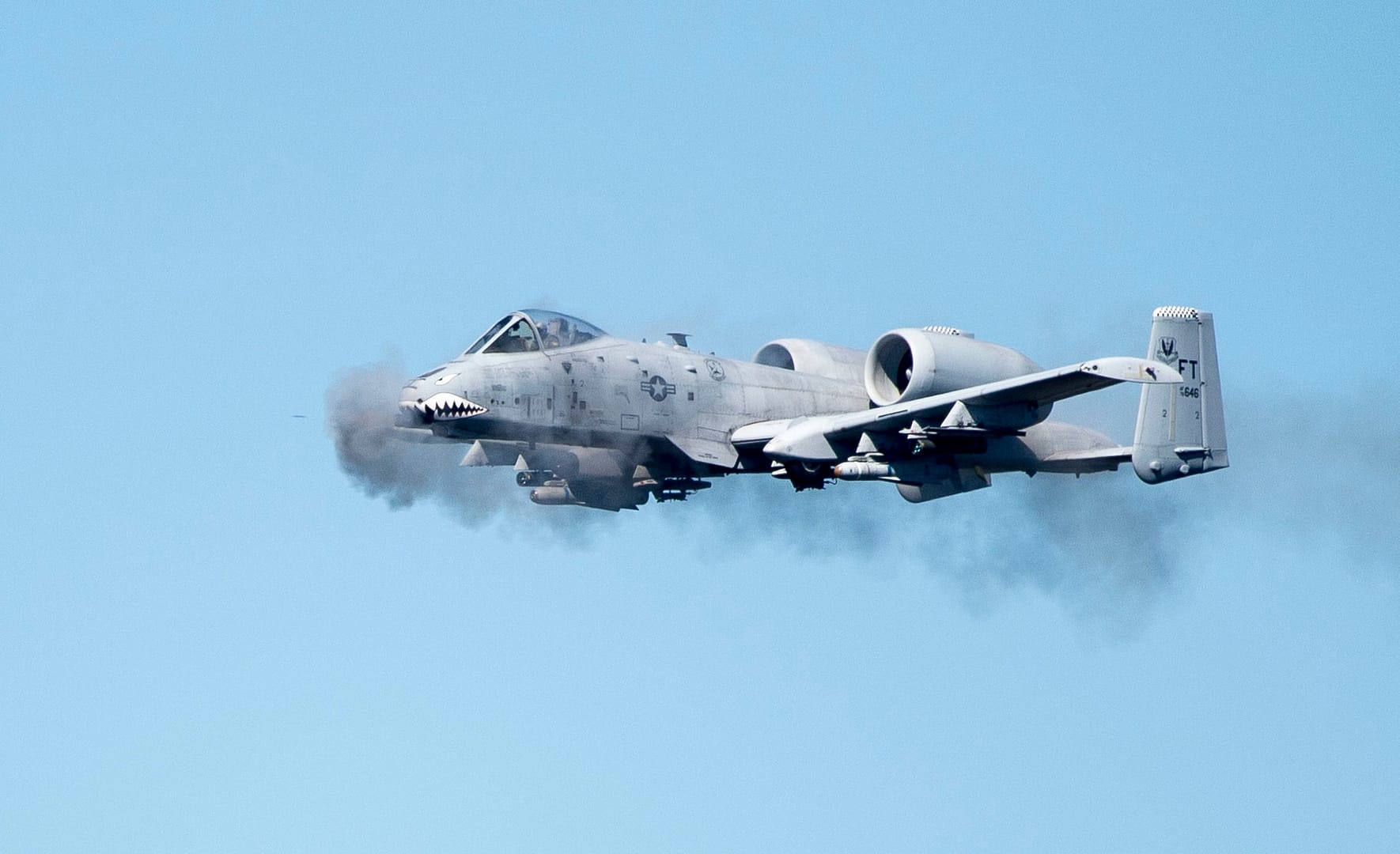
Die US-Luftwaffe versucht seit einiger Zeit, die A-10 Warthog, fast zwei Jahrzehnte lang. Budget für Budget, die Führungsriege plante schon sein Ende. Und jedes Mal weigerte sich irgendetwas, es still und leise gehen zu lassen.
Diesmal war es der Iran. Nach wochenlangen Angriffen von Warthogs auf iranische Ziele über der Straße von Hormus und der Deckung eines abgeschossenen Flugzeugs. F-15E Die Besatzung, das Pentagon gab nach. Am 20. April 2026 verkündete Luftwaffenminister Troy Meink auf X, was kein Warthog-Fan zu hoffen gewagt hatte: Die A-10 bleibt bis 2030 im Dienst – eine Umkehrung des ursprünglich für 2029 vorgesehenen Ausmusterungsplans und die vorerst endgültige Verwerfung der Pläne, die gesamte Flotte Jahre vorzeitig auszumustern.
Der Kampfjet, den die Luftwaffe immer wieder ausmustern will, wurde gerade durch seine ursprüngliche Bestimmung gerettet: hässliche, tiefe, laute und tödliche Luftnahunterstützung. Die Bodentruppen fordern das schon seit Jahren. Jetzt liefern die Bombenangriffe auf vom Iran unterstützte Kampfflugzeuge die endgültige Bestätigung für seinen Einsatz.
Kurzinfo: Die A-10-Aufhebung
- Entscheidung: Der Dienst der A-10 wurde bis 2030 verlängert (bekanntgegeben am 20. April 2026 von Luftwaffenminister Troy Meink).
- Was es umkehrt: ein Plan zur Außerdienststellung der gesamten verbleibenden Flotte etwa zwei Jahre früher als geplant
- Kraftstruktur: Drei Staffeln bleiben erhalten – zwei auf der Moody AFB in Georgia, eine Reservestaffel auf der Whiteman AFB in Missouri; ~54 Jets bis 2029, sinkend auf ~36 bis 2030
- Warum gerade jetzt? Starker Einsatz von A-10-Kampfjets bei der Operation Epic Fury gegen den Iran
- Die Pistole: GAU-8/A Avenger, 30-mm-Siebenrohr-Rotationskanone, Kadenz ca. 3.900 Schuss/min, Trommelmagazin ca. 1.174 Schuss
- Motoren: zwei General Electric TF34-GE-100 Turbofans
- Erster Flug: 10. Mai 1972 (Fairchild Republic YA-10); erreichte die anfängliche Einsatzfähigkeit im Jahr 1977
Gerettet durch einen Krieg, für den es gebaut wurde
Jahrelang argumentierte die Luftwaffe kategorisch gegen die A-10: Sie sei ein langsames, geradflügeliges Relikt aus den 1970er-Jahren, das von modernen Boden-Luft-Raketen mühelos abgeschossen würde. Man wolle sie ausmustern und die Luftnahunterstützung durch getarnte Mehrzweckflugzeuge und Drohnen ersetzen. Der Haushaltsantrag für das Fiskaljahr 2026 sollte dies endgültig besiegeln und die Ausmusterung der gesamten verbleibenden Flotte deutlich vor dem ursprünglich geplanten Zeitpunkt anstreben.
Dann begannen die Kämpfe. Im Zuge der Eskalation der Operation Epic Fury im Frühjahr 2026 wurden A-10-Kampfflugzeuge genau für jene Art von gefährlichen, nah an der Front gelegenen Einsätzen eingesetzt, für die der Jet konzipiert war. Laut Military Times leisteten die A-10-Kampfflugzeuge Luftnahunterstützung bei maritimen Operationen in der Straße von Hormus, griffen iranische Schnellboote an und beteiligten sich an der Such- und Rettungsmission, bei der zwei abgeschossene F-15E-Piloten geborgen wurden. Eine A-10 stürzte bei dieser Rettungsaktion ab; der Pilot konnte gerettet werden.
Plötzlich war der als “veraltet” geltende Jet das Arbeitspferd und ermöglichte es überlebensfähigeren Flugzeugen, tiefer in umkämpfte Lufträume vorzudringen. Die politische Lage hatte sich über Nacht verändert. Man mustert nicht das Flugzeug aus, das gerade die Besatzung rettet – nicht, solange die Kameras laufen.
Meink machte es also offiziell, dankte Präsident Donald Trump für seine “schnelle und entschlossene Führung” und fügte, ominös für die Divestment-Fraktion, hinzu: “Da kommt noch mehr.”

Dieser Klang. Dieser Schuss. Dieses BRRRT.
Fragt man einen Soldaten, der schon einmal mit einer A-10 im Anschlag festgenagelt war, was die A-10 bedeutet, wird er keine technischen Daten aufzählen. Er wird Lärm machen. BRRRT. Der Klang der GAU-8/A Avenger ist unverwechselbar – ein reißendes, mechanisches Knurren, das eine halbe Sekunde nach dem Einschlag der Geschosse ertönt, weil die Granaten Überschallgeschwindigkeit erreichen und der Lärm ihnen hinterherjagt.
Die Avenger ist eine 30-mm-Rotationskanone mit sieben Läufen, um die das gesamte Flugzeug im Wesentlichen konstruiert wurde. Sie feuert 3.900 Schuss pro Minute ab – etwa 65 pro Sekunde – aus einem Trommelmagazin mit einer Kapazität von bis zu 1.174 Schuss. Die verschießenden Granaten aus abgereichertem Uran und hochexplosivem Brandmaterial haben die Größe von Milchflaschen. Gegen Panzerung, Bunker und alles, was sich unglücklicherweise in der Angriffszone befindet, ist sie verheerend.
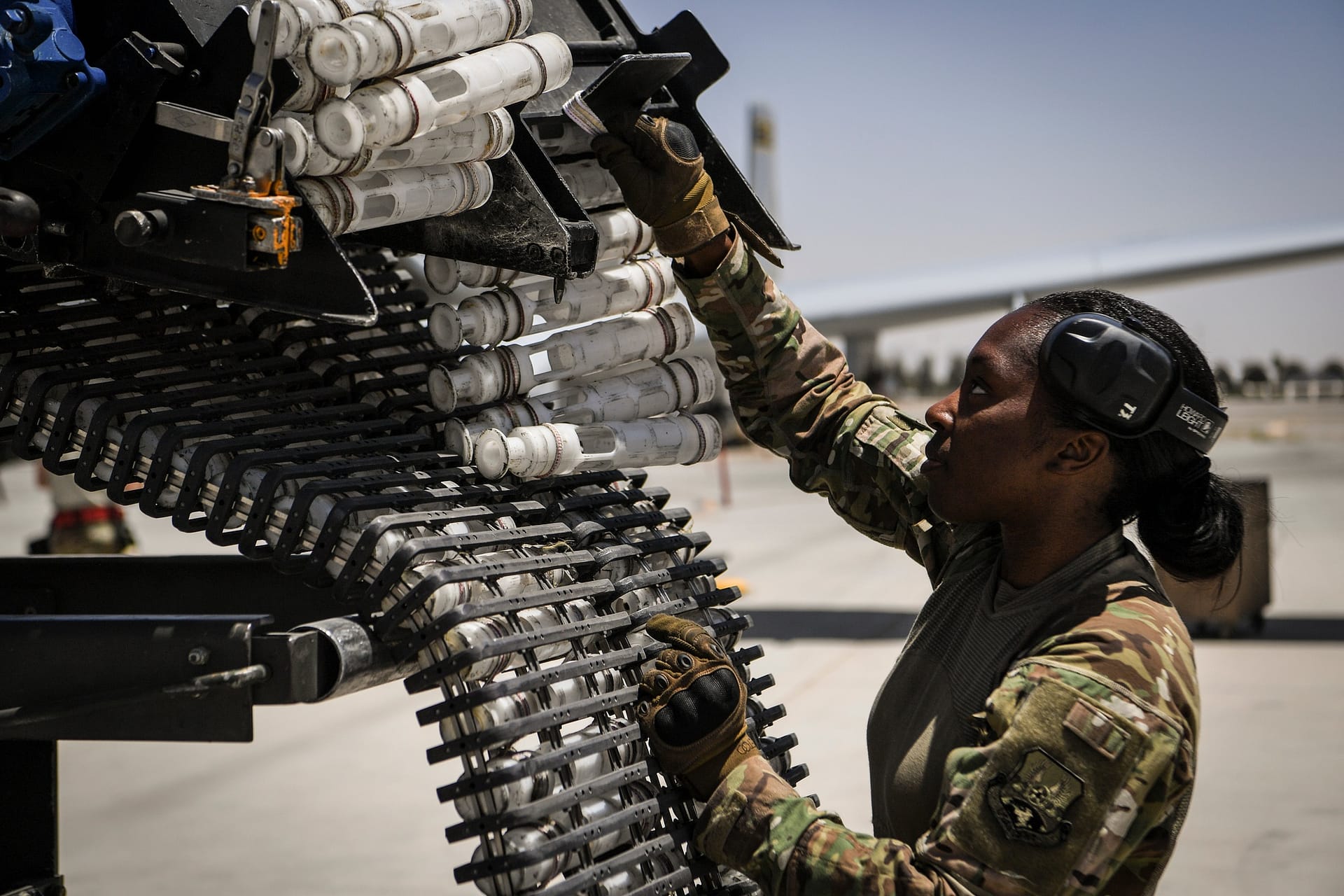
Die Bordkanone ist nur die halbe Legende. Die andere Hälfte ist die extreme Widerstandsfähigkeit der A-10. Der Pilot sitzt in einer Art Titan-“Badewanne” – einer Panzerung, die so konstruiert ist, dass sie Kleinkaliberfeuer und Granatsplittern standhält. Der Jet verfügt über redundante Flugsteuerungen, mit Schaum gefüllte Treibstofftanks und zwei hoch und weit auseinander montierte General Electric TF34-GE-100-Turbofan-Triebwerke, sodass eines weiterläuft, falls das andere zerstört wird. Schon A-10-Jets kehrten mit fehlenden Triebwerken, Hydrauliksystemen und großen Teilen der Tragflächen aus dem Irak und Afghanistan zurück.
Ein fünfzigjähriger Streit
Die Warthog hat schon Schlachten gewonnen und Budgetkämpfe verloren, bevor die meisten ihrer Piloten überhaupt geboren waren. Der erste Prototyp der YA-10 hob am 10. Mai 1972 ab; er wurde von Fairchild Republic auf Long Island gebaut. Die Maschine erreichte 1977 ihre Einsatzbereitschaft und war speziell für eine wenig glamouröse Mission konzipiert: die Bekämpfung sowjetischer Panzerkolonnen, die durch die Fulda-Lücke vorrückten.
Dieser Krieg kam nie. Stattdessen fand die A-10 ihre Bestimmung in den Wüsten und Gebirgen der Nachkriegszeit – im Golfkrieg 1991, dann im Irak und in Afghanistan, wo sie für die im Gefecht stehenden Truppen zum Symbol der Rettung wurde. Ihr Ruf bei den Bodentruppen ist beinahe religiös, weshalb jeder Versuch, sie außer Dienst zu stellen, auf massiven Widerstand von Soldaten, Politikern und der Öffentlichkeit stieß.

Diese jüngste Atempause ist zwar real, aber keine Begnadigung. Der Kongress hatte die Luftwaffe bereits unter Druck gesetzt: Das Verteidigungsgesetz für das Haushaltsjahr 2026 (National Defense Authorization Act) verpflichtete die Luftwaffe, 103 A-10-Kampfjets bis September 2026 im Einsatz zu halten und verhinderte damit die von der Luftwaffe angestrebte vollständige vorzeitige Veräußerung. Meinks Verlängerung geht zwar noch weiter, führt aber dennoch zu einer schrumpfenden Flotte – etwa 54 Jets bis 2029, dann bis 2030 auf rund 36, aufgeteilt auf ein aktives und ein Reservegeschwader.
Anders ausgedrückt: Die Warthog ist nicht unsterblich. Sie steht nur vorübergehend still. Die Luftwaffe will weiterhin, dass die Luftnahunterstützung auf die Warthog verlagert wird. F-35s, F-16s, F-15Es und Drohnen, und die Uhr tickt immer noch – nur jetzt langsamer.
Falls Sie noch nie gehört haben, worum es bei dem ganzen Trubel geht, drehen Sie die Lautstärke auf. Hier sehen Sie die GAU-8 in Bestform:
Vorerst darf der hässlichste und zugleich beliebteste Jet der Flotte noch ein paar Jahre lang das tun, was ihm schon immer wichtig war: zur Stelle sein, wenn die Menschen am Boden ihn am dringendsten brauchen. Die Luftwaffe versucht immer wieder, den Nachruf auf die Warthog zu schreiben. Die Warthog weigert sich beharrlich, ihn zu unterschreiben.
Quellen: Military Times; Stars and Stripes; Defense One; Air & Space Forces Magazine; Task & Purpose; Biografie von Dr. Troy Meink der US Air Force; DVIDS.
Verwandte Fragen
Was ist die A-10 Warthog?
Die A-10 Thunderbolt II, Spitzname "Warzenschwein", ist ein Kampfflugzeug der US-Luftwaffe, das speziell für die Luftnahunterstützung entwickelt wurde – es fliegt tief und langsam, um Bodentruppen zu schützen. Der Erstflug fand 1972 statt, der Einsatz begann 1977. Die A-10 ist bekannt für ihre Robustheit, ihre starke Panzerung und ihre massive Bordkanone.
Welche Bewaffnung hat die A-10?
Die A-10 basiert auf der GAU-8/A Avenger, einer 30-mm-Siebenrohrkanone. Rotationskanone Sie feuert etwa 3.900 Schuss pro Minute aus einem Trommelmagazin mit rund 1.174 Schuss ab. Die Kanone ist so zentral für die Konstruktion, dass das Flugzeug im Wesentlichen um sie herum gebaut wurde.
Warum will die Luftwaffe die A-10 außer Dienst stellen?
Kritiker argumentieren, die A-10 sei ein langsames Flugzeug mit geraden Tragflächen aus den 1970er-Jahren, das in einem hochintensiven Krieg modernen Luftverteidigungssystemen anfällig wäre. Jahrelang versuchte die Luftwaffe, die Flotte vorzeitig außer Dienst zu stellen, um Mittel für Tarnkappenjets freizusetzen, doch die Kampftauglichkeit der A-10 hat ihr immer wieder eine Gnadenfrist eingebracht.
Wird die A-10 außer Dienst gestellt?
Noch nicht. Am 20. April 2026 gab der US-Luftwaffenminister bekannt, dass die A-10 bis 2030 im Dienst bleiben wird. Damit wurde ein Plan, die Flotte etwa zwei Jahre früher auszumustern, revidiert. Die Entscheidung folgte auf intensive Kampfeinsätze und erinnerte an frühere Einsätze, die in [Referenz einfügen] beschrieben wurden. Kampfgeschichte der A-10.
Was macht die A-10?
Die A-10 ist auf Luftnahunterstützung und vorgeschobene Luftkontrolle spezialisiert und greift Panzer, Fahrzeuge und feindliche Truppen in der Nähe eigener Streitkräfte an. Ihre Kombination aus einer leistungsstarken Kanone, hoher Waffenlast, langer Flugdauer und starker Panzerung ermöglicht ihr Einsätze in geringer Höhe über dem Schlachtfeld, wo schnellere Jets nicht operieren können.
0 Kommentare