
Eine AIM-120 AMRAAM kostet etwa eine Million Dollar. Eine AIM-9X Sidewinder kostet rund 1,4 Millionen Pfund. Eine Einweg-Angriffsdrohne vom Typ Shahed kostet schätzungsweise 20.000 bis 50.000 Pfund, und der Iran und seine Partner können sie schneller bauen, als irgendjemand es sich leisten kann, sie mit millionenschweren Raketen abzuschießen.
Diese Rechenaufgabe stellt seit drei Jahren die stille Krise der Luftverteidigung im Nahen Osten dar. Die Lösung ist ein Laserlenksystem, das an eine ungelenkte Rakete aus den 1960er-Jahren montiert wird und etwa so viel kostet wie ein Gebrauchtwagen.
Am 15. Juli erteilte das US-Außenministerium Saudi-Arabien die Genehmigung zum Kauf von bis zu 20.000 Stück.
Kurzinfo
| Was wurde genehmigt? | Ein möglicher Verkauf von bis zu 20.000 Lenksystemen für das Advanced Precision Kill Weapon System an Saudi-Arabien im Rahmen eines ausländischen Militärgeschäfts. |
| Angekündigt | 15. Juli 2026, US-Außenministerium |
| Wert | Ungefähr 1,96 Milliarden |
| Die Spaltung | Rund 10.000 AGR-20 Luft-Boden-Kits und 10.000 AGR-20F FALCO Luft-Luft-Kits |
| Ebenfalls enthalten | LAU-131/A Siebenschuss-Raketenwerfer (70 mm), Raketenmotoren Mk 66, Sprengköpfe Mk-152, Annäherungszünder, Ersatzteile und Ausbildung |
| Hauptauftragnehmer | BAE Systems, Nashua, New Hampshire |
| Stückkosten | Ein Leitfadenabschnitt beläuft sich auf etwa $15.000–$20.000; die gesamte Runde auf etwa $22.000. |
| Wichtig | Dies ist eine Mitteilung des Kongresses, kein unterzeichneter Vertrag. Mengen und Werte sind Obergrenzen und verringern sich üblicherweise. |
Es ist ein Bausatz, keine Rakete.
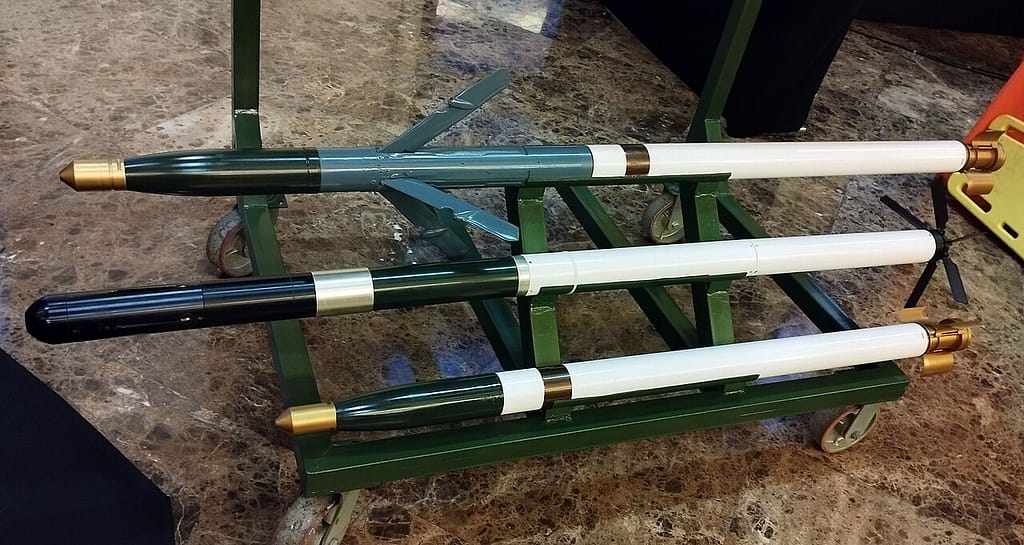
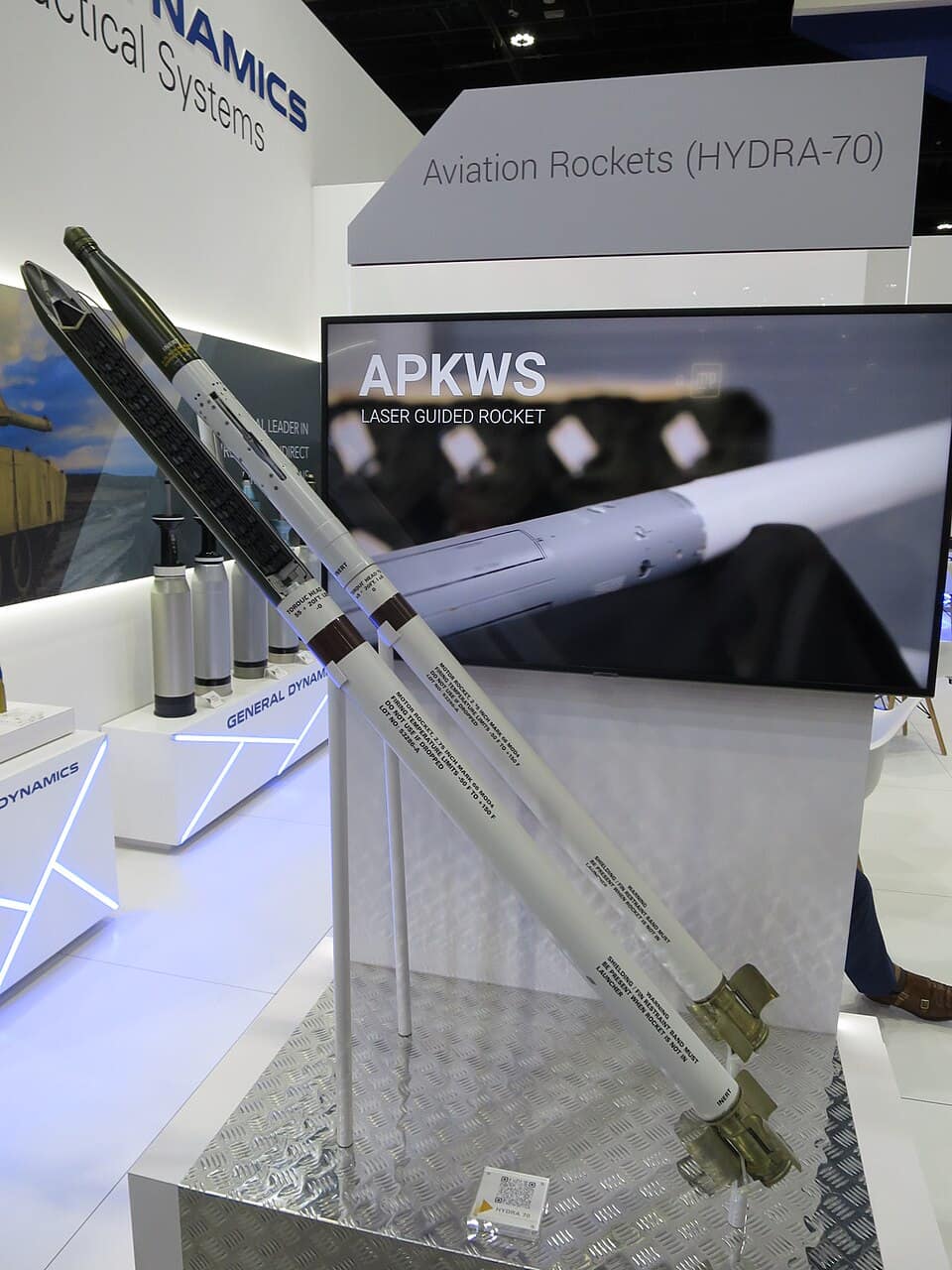
Der häufigste Fehler in der Berichterstattung über diesen Verkauf ist die fälschliche Annahme, es handele sich um eine Bestellung von 20.000 lasergelenkten Raketen. Das ist nicht der Fall. APKWS ist ein Lenksystem – ein Mittelteil, das zwischen Gefechtskopf und Triebwerk einer Standard-Hydra-70-Rakete eingeschraubt wird und eine ungelenkte Flächenwaffe in eine Präzisionswaffe verwandelt.
Die Raketen selbst sind im Wesentlichen eine andere Angelegenheit. Was Saudi-Arabien jedoch kaufen durfte, sind die Geheimdienstinformationen, die es ihnen vorlegen soll.
Das Design ist elegant und wird von Ingenieuren geschätzt. Die Lasersuchköpfe befinden sich an den Vorderkanten der vier Leitflügel und sind flach im Startrohr zusammengefaltet. Sie entfalten sich erst, nachdem die Rakete die Startkapsel verlassen hat. Daher ist das System ohne Modifikationen mit bestehenden Startrampen und der vorhandenen Flugzeugverkabelung kompatibel. Diese Abwärtskompatibilität ist der Hauptgrund für die rasante Verbreitung der Waffe.
FALCO: nach oben gerichtet
Der Luft-Luft-Teil des Pakets ist der neuere und interessantere Aspekt. FALCO – Fixed Wing, Air Launched, Counter-Unmanned Aircraft Systems Ordnance – ist eine modifizierte APKWS mit Annäherungszünder und überarbeiteten Lenkalgorithmen, die für den Kampf gegen sich bewegende Ziele in der Luft und nicht gegen Objekte am Boden konzipiert ist.
Es entstand aus einer dringenden operativen Notwendigkeit und funktioniert. F-16-Kampfjets der US-Luftwaffe setzen lasergelenkte Raketen gegen Drohnen der Huthi-Rebellen über und um das Rote Meer ein, und laut AFCENT selbst haben sie sich zur wichtigsten Luft-Luft-Waffe gegen Drohnenbedrohungen in der Region entwickelt.
Die taktische Logik ist einfach: Ein Sieben-Schuss-Pod bedeutet sieben Schuss pro Station statt nur einer Rakete pro Schiene. Gegen einen Flächenangriff mit billigen Drohnen ist die Magazinkapazität wichtiger als die Präzision des einzelnen Schusses.
Warum Saudi-Arabien, und warum gerade jetzt?
Die Begründung des Außenministeriums verwendet zwar die übliche Sprache, aber die operative Argumentation dahinter ist leicht nachzuvollziehen.
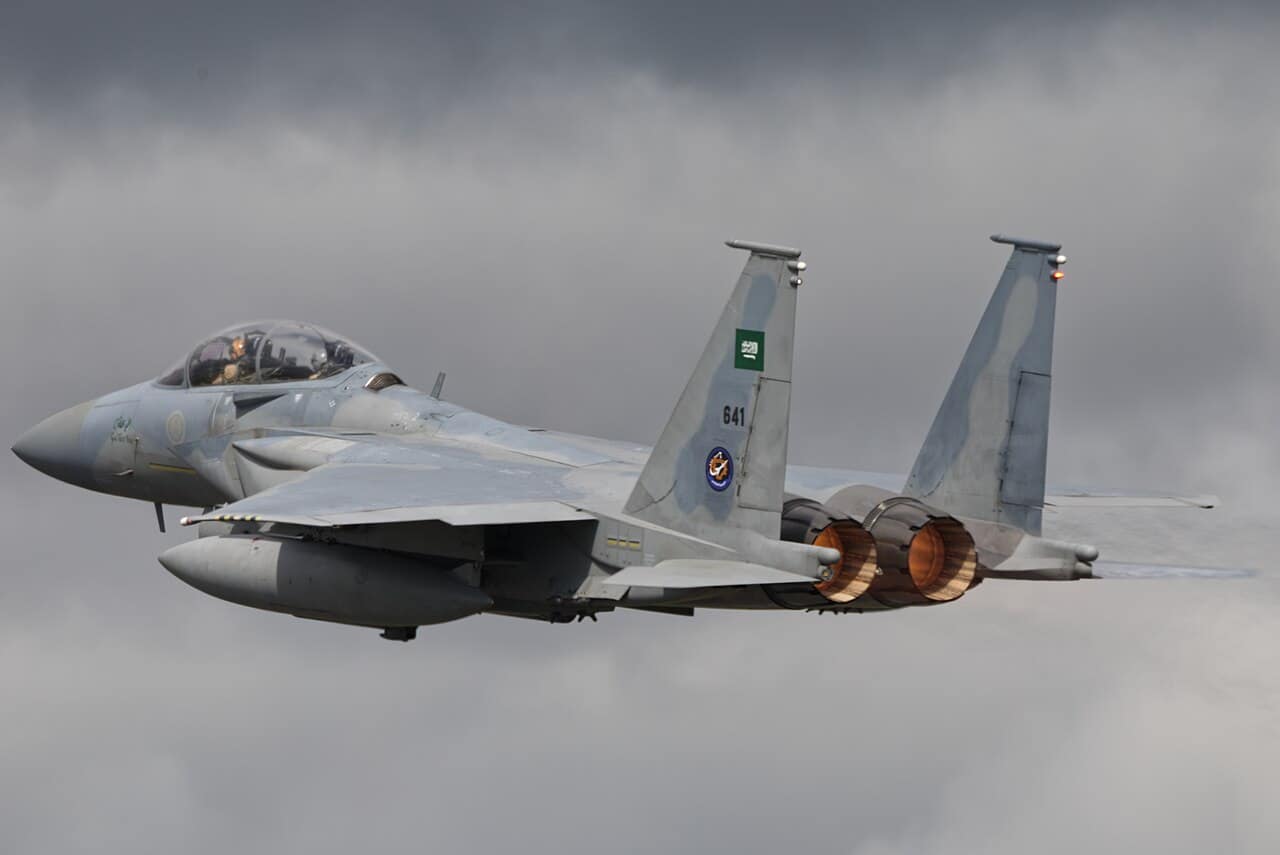
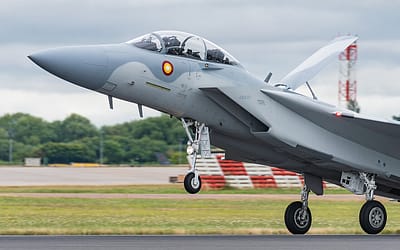
Saudi-Arabien ist seit einem Jahrzehnt Ziel von Drohnen- und Marschflugkörperangriffen, und die regionale Lage hat sich in diesem Jahr deutlich verschärft. Die Mitteilung gibt nicht an, welches Flugzeug die Waffe tragen wird, Analysten gehen jedoch davon aus, dass es sich um die königlich-saudische Luftwaffe handelt. Eurofighter Typhoon Und F-15SAs — die beide bereits über die Zielbehälter verfügen, die zur Zielerfassung für eine lasergelenkte Waffe erforderlich sind.
Der breitere Punkt
Die Luftverteidigung hat sich in den letzten siebzig Jahren immer leistungsfähiger und pro Schuss teurer entwickelt. Die Drohne hat den Anreiz umgekehrt: die billigste Bedrohung, in großer Stückzahl produziert, gegen die teuersten Abfangjäger.
APKWS ist das bisher deutlichste Beispiel dafür, wie der Westen versucht, das Ganze umzukehren. Man nehme eine Rakete, die seit dem Vietnamkrieg im Einsatz ist, rüste sie mit Optik und Steuerflächen im Wert von 20.000 Dollar aus, und schon hat man etwas, das eine Drohne für etwa ein Fünfzigstel der Kosten einer AMRAAM zerstören kann.
Es löst nicht alle Probleme. Es benötigt eine Laserzielbeleuchtung, was bedeutet, dass Wetterbedingungen und Sichtverbindung eine Rolle spielen, und es handelt sich um eine Waffe mit kurzer Reichweite. Doch für das konkrete Problem der massenhaft verfügbaren, billigen Drohnen ist es derzeit die beste Lösung – und Saudi-Arabien hat gerade die Genehmigung zum Kauf von 20.000 dieser Drohnen erhalten.
BAE Systems erklärt, wie das APKWS-Lenksystem funktioniert und warum es zu bestehenden Trägersystemen passt.
Quellen: US-Außenministerium, The War Zone, FlightGlobal, Defense Daily, Air & Space Forces Magazine.
0 Kommentare