
A Routine Morning Flight
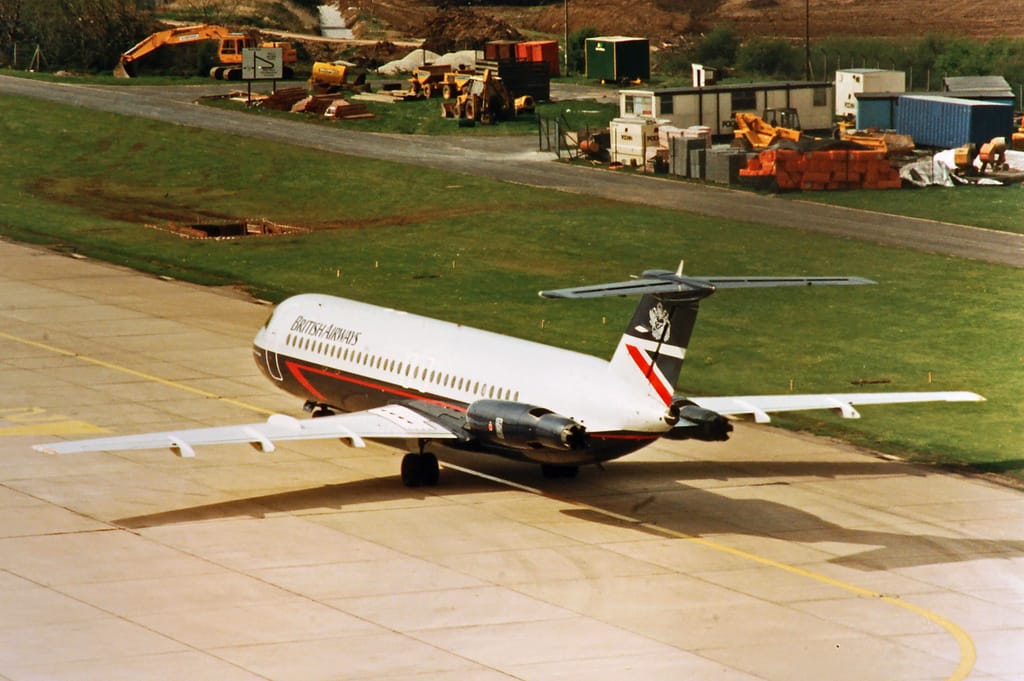
British Airways Flight 5390 was as routine as a flight can get: a BAC One-Eleven twinjet carrying 81 passengers from Birmingham Airport to Málaga, Spain. Captain Tim Lancaster, 42 years old and a veteran with over 11,000 flight hours, was at the controls. First Officer Alastair Atchison was in the right seat. After takeoff, Lancaster had loosened his shoulder harness and his lap strap — a decision that would nearly cost him his life.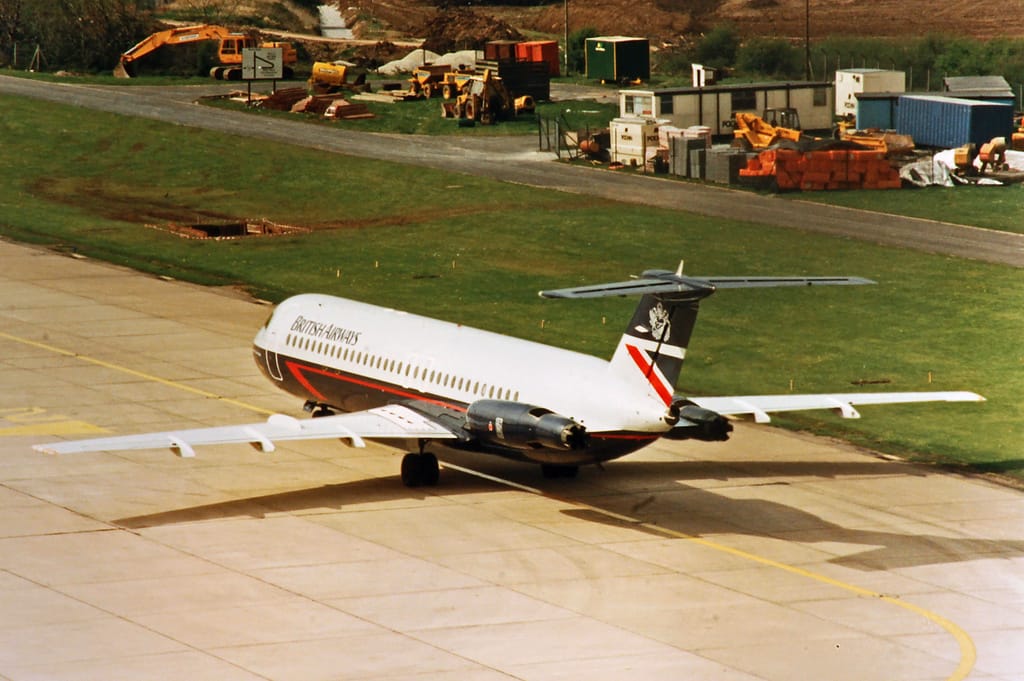
An Explosive Moment
At 17,300 feet, with the aircraft settled in the cruise, the entire port-side cockpit windscreen suddenly separated from the airframe. The decompression was instantaneous and violent. Captain Lancaster, his harness loose, was propelled headfirst through the opening by the pressure differential. His knees caught the bottom of the window frame — the only thing between him and a 17,000-foot drop. His upper body was outside the aircraft, exposed to temperatures of around -17°C and a 350-mph slipstream. At those conditions, unconsciousness from cold and hypoxia comes within seconds. In the right seat, First Officer Atchison reacted immediately. He took control of the aircraft, declared an emergency, and began the descent. From the galley, head steward Nigel Ogden had heard the explosive decompression and run forward — only to find the captain partially outside the aircraft, his head flailing against the fuselage in the slipstream. Without hesitation, Ogden grabbed Lancaster's legs and held on.Twenty Minutes Over England
For the next twenty minutes, as Atchison descended toward Southampton Airport, Nigel Ogden held the captain in place with his bare hands. The slipstream tried to tear Lancaster away. Another steward secured Ogden himself — the human chain growing from the flight deck doorway. Lancaster's eyes were open and wide; the crew assumed he was dead. He was not. He was in shock, comatose from cold and exposure, but alive. When Ogden's grip began to fail from frostbite and exhaustion, Chief Steward John Heward and steward Simon Rogers took over, holding the captain by his ankles as the aircraft came in to land. The autopilot, which had engaged during the chaos, helped Atchison fly. Passengers — many unaware of what was happening in the cockpit — were calmly managed by the remaining cabin crew. Atchison landed at Southampton and the aircraft rolled to a stop. When the door opened, Captain Lancaster was still there, being held by his ankles. He was alive. He had frostbite, a fractured arm and wrist, and bruising. Reportedly, one of his first words after being brought inside was: "I want to eat." Within five months, Tim Lancaster was back in the air.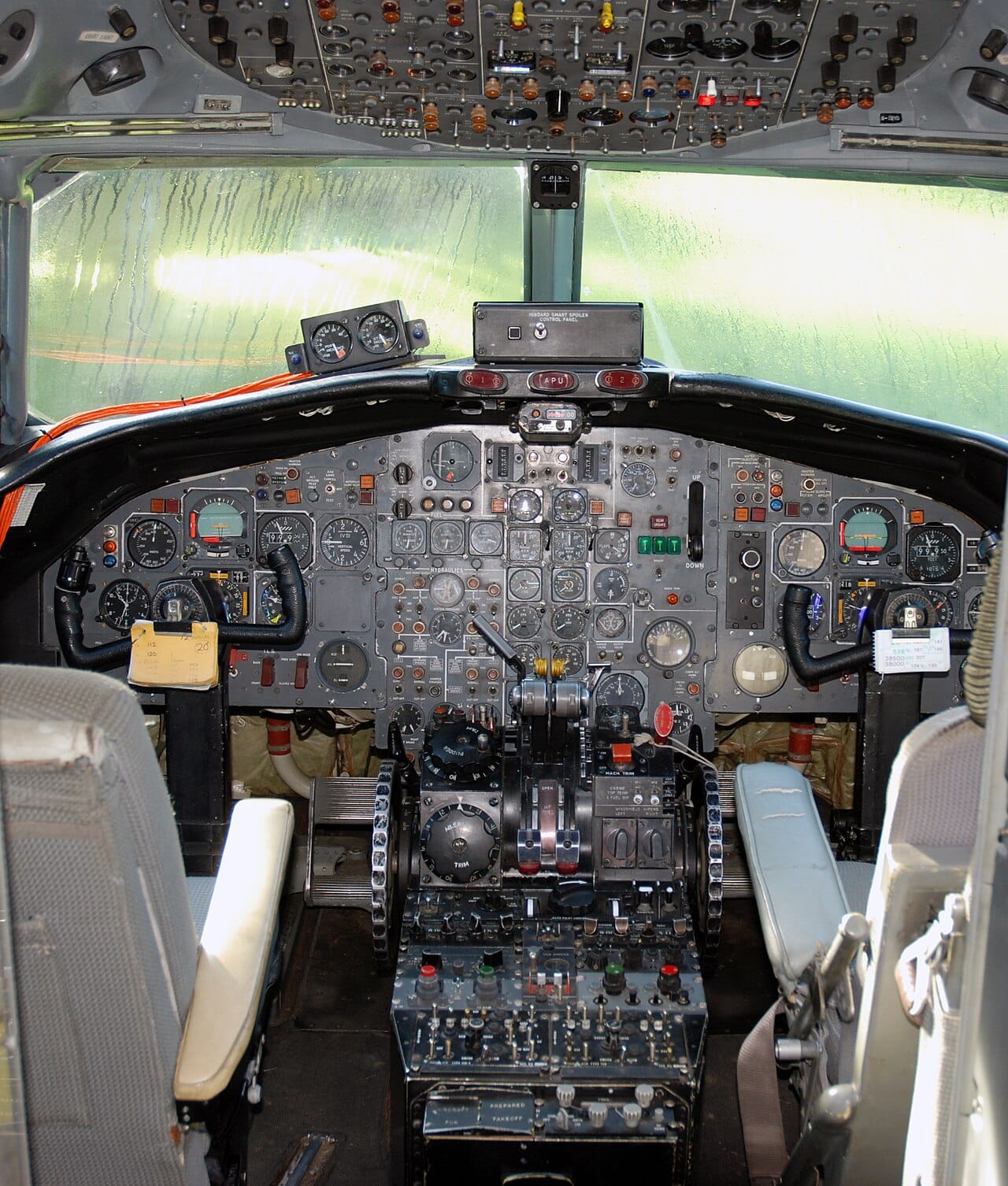
Why the Windscreen Failed — and What Changed
The investigation revealed a sobering cause. Twenty-seven hours before the flight, a maintenance engineer had replaced the windscreen. In the rush, he had installed 84 of the 90 hold-down bolts with the wrong size — 0.66mm too small in diameter. Six more were correct in diameter but too short. The bolts could not contain the pressure load at altitude. The investigation led to sweeping changes in aviation maintenance procedures worldwide — more rigorous quality checks, better fatigue management for engineers, and clearer protocols for safety-critical component replacements. Every close call in aviation history leaves a legacy of safer skies. Flight 5390 is one of the most important chapters in that legacy.The Crew That Refused to Let Go
First Officer Atchison, stewardess Susan Gibbins, and steward Nigel Ogden were awarded the Queen's Commendation for Valuable Service in the Air. They had done everything right in a situation that had gone catastrophically wrong — not through negligence, but because of a maintenance failure that the crew could not have foreseen. That's the other side of aviation safety: even the best systems and the most rigorous standards operate in a world where humans make mistakes. The response — the training, the professionalism, the instinctive courage of Ogden grabbing his captain's legs without a second's hesitation — is what aviation safety is ultimately built on. At MiGFlug, we believe that safety isn't a constraint on the thrill of flight — it is the thrill. Knowing that the aircraft is perfectly maintained, that the pilot beside you has thousands of hours of experience, that every system has been checked and double-checked — that's what frees you to enjoy the sensation of pulling 5G in a MiG-29 without a second thought. Nigel Ogden held on. Alastair Atchison flew the plane. And 81 passengers and one very lucky captain landed safely because a crew of professionals did exactly what they were trained to do. That's the story of aviation. That's always been the story of aviation. Experience the joy and wonder of flight — with safety at the heart of every second. Discover MiGFlug's fighter jet flight experiences and see the world from a very different altitude.Verwandte Fragen
What happened on British Airways Flight 5390?
On June 10, 1990, a cockpit windscreen on British Airways Flight 5390 blew out at 17,300 feet, partially sucking Captain Tim Lancaster out of the aircraft. Cabin crew physically held onto his legs for some twenty minutes while the first officer made an emergency landing, and remarkably everyone survived.
Did a pilot really get sucked out of a plane?
Yes. When the windscreen of BA Flight 5390 failed, Captain Tim Lancaster was blown halfway out of the cockpit, his upper body pinned against the fuselage in the slipstream. Flight attendant Nigel Ogden grabbed his legs and refused to let go, with other crew forming a human chain.
Who was Tim Lancaster?
Tim Lancaster was the 42-year-old British Airways captain of Flight 5390, a veteran with over 11,000 flight hours. After the windscreen blew out, he was held in place by his crew and survived the ordeal with frostbite, shock and fractures, going on to fly again.
How did British Airways Flight 5390 land safely?
First Officer Alastair Atchison took control and descended toward Southampton while cabin crew gripped the captain's legs and ankles to stop him being lost. With help from the autopilot and disciplined teamwork, Atchison landed the jet safely — a feat of airmanship rivalling the B-17 All American.
What aircraft was British Airways Flight 5390?
The aircraft was a BAC One-Eleven, a British twin-engine jetliner. It was carrying 81 passengers from Birmingham to Málaga, Spain, when an improperly fitted replacement windscreen failed shortly after takeoff.
Did Captain Tim Lancaster survive?
Yes. Although the crew initially assumed he was dead — eyes open, body limp in the freezing slipstream — Lancaster was alive, in shock from cold and exposure. He recovered from frostbite and fractures and returned to flying, while his crew were honoured for their bravery.
What caused the windscreen of Flight 5390 to fail?
Investigators found the windscreen had been fitted with bolts that were the wrong size during recent maintenance, so it could not withstand cabin pressure. It blew out cleanly in flight — much like other incidents where structural failure tested a crew's nerve, including the WWI gunner thrown from his aircraft.
0 Kommentare