
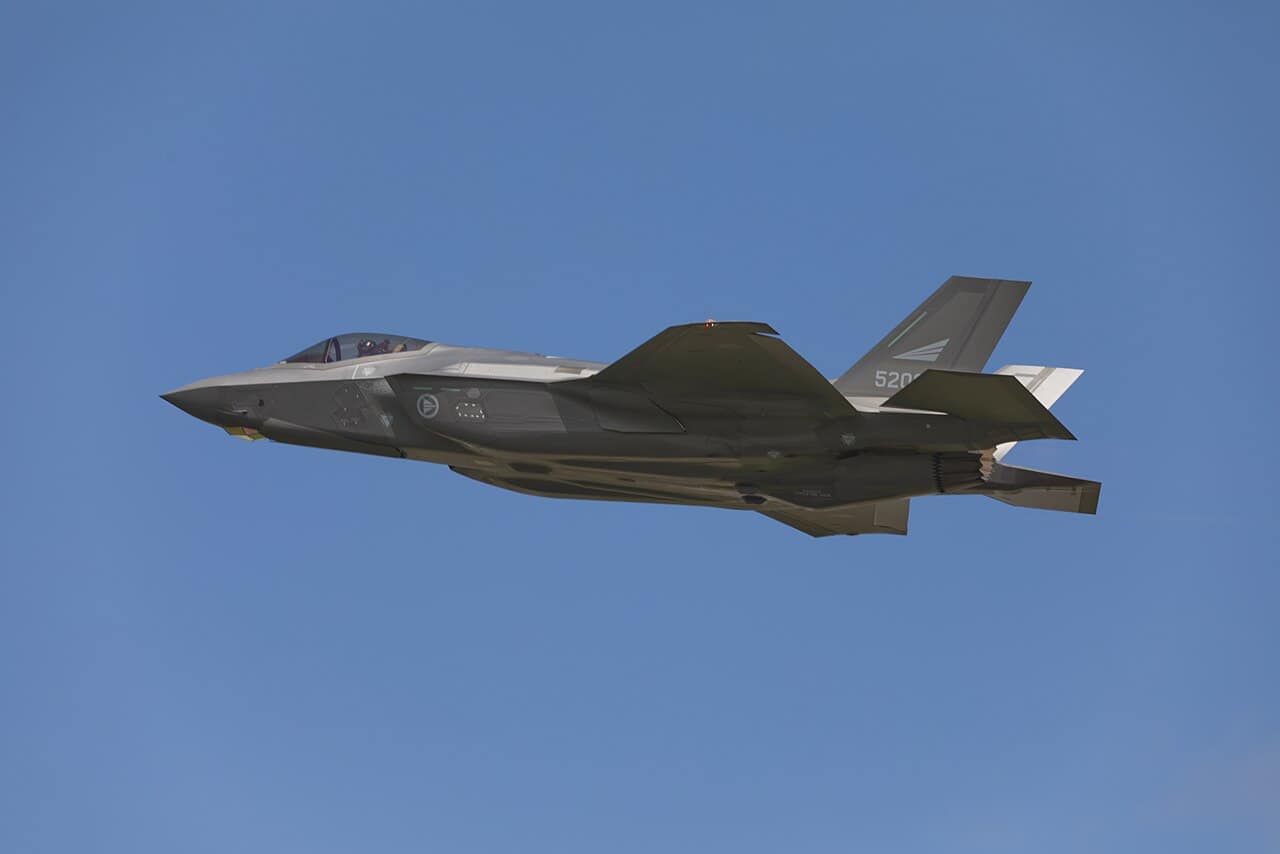
Ottawa hat eine Entscheidung getroffen, die ebenso viel über Politik wie über Feuerkraft aussagt. Kanada wird seine Zukunft bewaffnen F-35A Flotte mit der Joint Strike Missile, der in Norwegen gebauten Marschflugkörperwaffe, die im Inneren der Lightning II untergebracht werden kann, ohne deren Tarnkappeneigenschaften zu beeinträchtigen.
Premierminister Mark Carney gab die Anschaffung auf dem NATO-Gipfel in Ankara bekannt. Mit dem Geschäft im Wert von rund 14.564 Millionen Pfund Sterling ist Kanada nach Norwegen, Japan, Australien, den USA und Deutschland die sechste Nation, die das JSM-System einsetzt.
Für ein Land, das zwei Jahre lang über seinen in Amerika hergestellten Kampfjet gegrübelt hat, ist der Griff zu einer europäischen Rakete ein deutliches Zeichen.
Kurzinfo
| Waffe | Kongsberg Joint Strike Missile (JSM) – luftgestützte Präzisionsschlagrakete |
| Herkunft | Norwegen (abgeleitet von der Naval Strike Missile) |
| Gewicht / Länge | 416 kg / etwa 4 Meter |
| Reichweite | Mehr als 350 km (189 Seemeilen), hohe Unterschallgeschwindigkeit |
| Sucher | Infrarotbildgebung mit automatischer Zielerkennung |
| Hauptmerkmal | Die einzige Waffe ihrer Klasse, die im internen Waffenschacht der F-35 mitgeführt wird. |
| Handeln | Rund 1,4 Billionen Tsd. 564 Millionen; Kanada wird der sechste JSM-Betreiber |
Eine Rakete, die zum Verstecken gebaut wurde
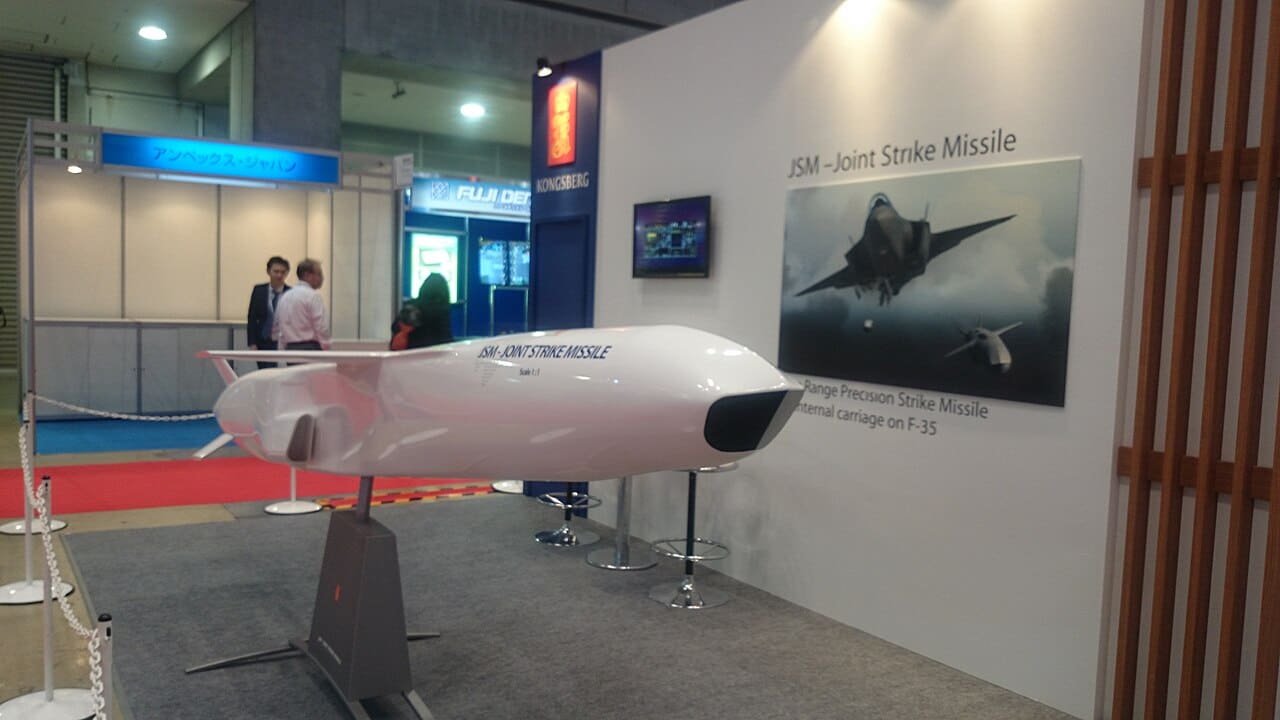
Die JSM ist eine luftgestützte Variante der Anti-Schiff-Rakete Naval Strike Missile von Kongsberg und zeichnet sich durch ihre Unauffälligkeit aus. Sie ist die einzige Waffe ihrer Art, die in den internen Waffenschacht der F-35 passt. Die amerikanischen Marschflugkörper JASSM und LRASM sind schlichtweg zu groß; extern mitgeführt, machen sie einen Tarnkappenjäger zu einem gewöhnlichen Radarziel.
Im Hangar behält die F-35 ihre niedrige Flugbahn bis zum Startpunkt bei. Dort übernimmt das JSM: 416 Kilogramm schwer, vier Meter lang, im hohen Unterschallbereich fliegend, dicht über der Oberfläche, nutzt es einen abbildenden Infrarotsucher und automatische Zielerkennung, um ein bestimmtes Schiff oder Landziel aus über 350 Kilometern Entfernung zu erfassen. Die Integration erfolgt im Rahmen des Block-4-Upgrades der F-35.
Kanadas wechselhafte Beziehung zur F-35
Die Rakete landet inmitten eines Kampfflugzeugprogramms, das schon mehrfach ins Wanken geraten ist. Kanada unterzeichnete 2023 einen Vertrag über 19 Milliarden kanadische Dollar (etwa 1,4 Billionen US-Dollar) für 88 F-35A. Die Auslieferung sollte 2026 beginnen, die volle Einsatzfähigkeit wurde für 2034 erwartet. Nach einem diplomatischen Zerwürfnis mit Washington erwog Carneys Regierung jedoch offen, nur die 16 bereits bezahlten Jets zu kaufen.
Die Entscheidung für eine maßgeschneiderte Waffe für die F-35 wird als Vertrauensbeweis in die Plattform gewertet – die Wahl einer europäischen Rakete lässt gleichzeitig Handlungsspielraum. Diese Art der Absicherung ist zu einem Markenzeichen der Verteidigungspolitik Ottawas geworden.
Eine europäische Neigung
Die JSM kommt inmitten einer Reihe von Käufen, die eindeutig nicht von amerikanischen Herstellern getätigt werden. Kanada hat sich für Saabs GlobalEye-Radarflugzeug entschieden – ein auf einem kanadischen Bombardier-Businessjet basierendes Flugzeug – in einem Vertrag im Wert von über fünf Milliarden Dollar. Auch die NATO selbst wählte diesen Monat die GlobalEye, um ihre alternde AWACS-Flotte zu ersetzen. Carney hat öffentlich Interesse an der Saab bekundet. Gripen, Kanada beschafft CC-330 Husky-Tanker, die auf Airbus-Technologie basieren. Kongsberg investiert seinerseits im Rahmen des Abkommens wieder in die kanadische Industrie.
Die Botschaft aus Ottawa ist subtil, aber unmissverständlich: Kauft amerikanische Produkte, wo es sinnvoll ist, aber behaltet auch europäische Produkte im Angebot.
Quellen: The Aviationist, Kongsberg, Defense News.
0 Kommentare