
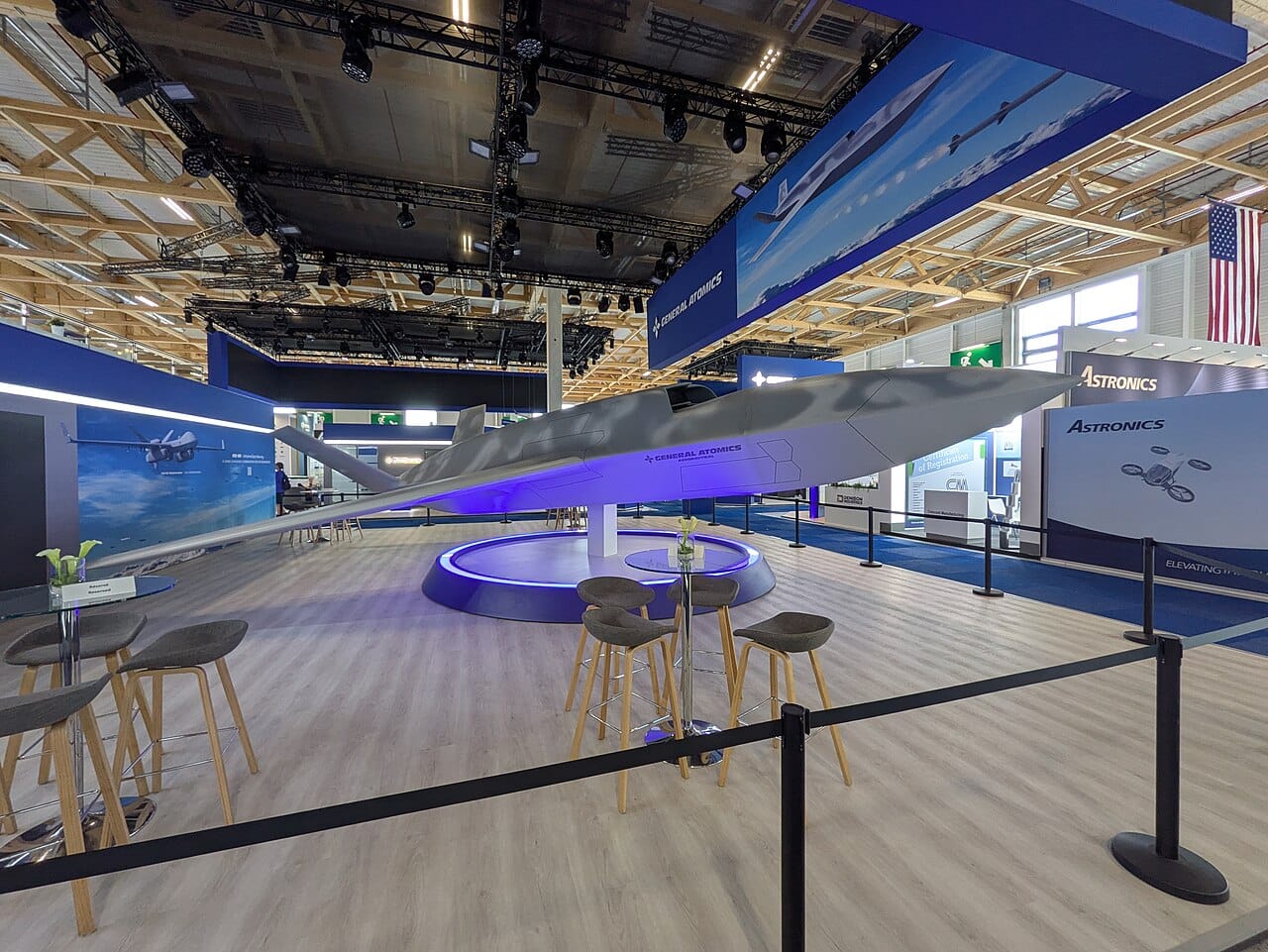
Jede Diskussion über autonome Kampfflugzeuge läuft letztendlich auf dieselbe Frage hinaus, und diese ist nicht technischer Natur. Es geht darum, ob der Pilot im Cockpit dem Fluggerät vertrauen wird, das von seinem Flügel aus startet.
Frank Kendall, der von 2021 bis 2025 als Luftwaffenminister die US-Luftwaffe leitete, argumentierte am 16. Juli in einem einstündigen Gespräch mit dem Mitchell Institute, dass dies nun die entscheidende Variable im Programm für kollaborative Kampfflugzeuge sei. Nicht Schubkraft. Nicht Sensorfusion. Vertrauen. Und um dies zu erreichen, schlug er vor, die Drohnen in die Übung Red Flag einzubinden und die Ergebnisse abzuwarten.
Er hatte auch eine Antwort für all jene, die erwarteten, dass Kampfpiloten sich gegen die Zuteilung von Roboter-Flügelmännern wehren würden.
Kurzinfo
WHO: Frank Kendall, US-Luftwaffenminister von 2021 bis 2025, ist heute Kommentator und Autor.
Wo: Mitchell Institute Aerospace Nation Veranstaltung, 16. Juli 2026, Interview mit Generalleutnant a.D. David Deptula.
Das Flugzeug: YFQ-42A (General Atomics) und YFQ-44A Fury (Anduril)
Erste Flüge: YFQ-42A August 2025, YFQ-44A Oktober 2025
Produktion: Verträge mit beiden Firmen für die ersten 150 Flugzeuge im Rahmen von Increment 1 bis Juni 2026.
Wo sie sich jetzt befinden: Entwicklungsversuche in Kalifornien, operative Evaluierung mit der Experimental Operations Unit auf der Nellis Air Force Base
Bereitschaftseinheit: Beale AFB, Kalifornien, wurde im Mai 2025 als bevorzugter Standort benannt.
Rote-Flagge-Status: Bisher wurde keine Teilnahme an der CCA angekündigt.
Das Zitat, das zählt
Die Erwartung, die in Kommentaren immer wiederholt wird, ist, dass Kampfpiloten dagegen ankämpfen werden. Sie sind eine bekanntermaßen stolze Gemeinschaft, deren gesamte berufliche Identität damit verbunden ist, die Person im Flugzeug zu sein. Gibt man ihnen einen unbemannten Flügelmann, gibt man ihnen theoretisch ihren eigenen Ersatz.
Kendall stellte diese Frage einem Piloten des Air Combat Command, der an CCA-Taktiken arbeitete, und berichtete über die Antwort.
Das ist das gesamte Programm in einem Satz. Ein CCA konkurriert nicht mit dem Piloten um Ruhm, sondern um den Vorrang, als Erster in den Einsatzbereich von Boden-Luft-Raketen vorzudringen. So formuliert, löst sich der von allen vorhergesagte kulturelle Widerstand weitgehend auf.
Die vollständige Aerospace Nation-Session finden Sie oben, falls Sie Kendalls ungefilterte Version und nicht die gefilterte Version aus einem Blogbeitrag hören möchten.
Warum ausgerechnet Red Flag?
Red Flag, seit 1975 in Nellis ansässig, entstand aufgrund einer erschreckenden statistischen Erkenntnis aus dem Vietnamkrieg: Die Überlebenschancen eines Kampfpiloten steigen nach etwa zehn Einsätzen rapide an. Die Lösung bestand darin, diese ersten zehn Einsätze in der Wüste Nevadas gegen eine professionelle Angreifertruppe zu simulieren, bevor es zu einem echten Schusswechsel kam.
Genau das ist das Problem, das CCAs heute darstellen, allerdings mit einer kleinen Anpassung: Nicht die Drohne selbst benötigt die zehn Missionen, sondern der Mensch muss lernen, mit ihr zu arbeiten.
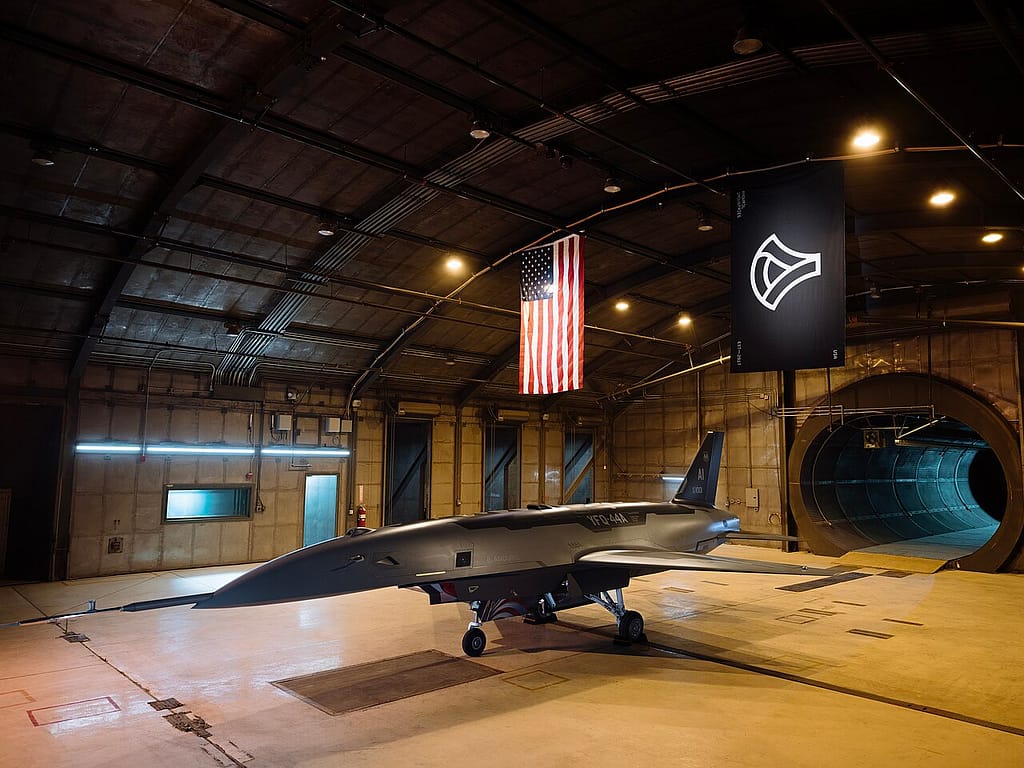
Kendalls besonderes Interesse gilt einer Zahl, die noch niemand kennt: Wie viele Drohnen ein Pilot tatsächlich steuern kann, während er gleichzeitig einen Kampfjet fliegt und im Gefecht kämpft? Die Marketingantwort war stets vage und optimistisch. Die tatsächliche Antwort hängt von der Arbeitsbelastung im Cockpit, dem Interface-Design, dem Grad der Autonomie des Fluggeräts und der Erschöpfung des Piloten ab. Diese Zahl lässt sich nicht im Labor ermitteln. Man findet sie in wiederholten Übungen mit Menschen, die gewinnen wollen.
Es ist daher praktisch, dass die Versuchsbetriebseinheit, die beide CCA-Typen evaluiert, bereits in Nellis stationiert ist, wo auch die Übung Red Flag stattfindet. Flugzeug und Übung befinden sich auf demselben Vorfeld.
Wie weit ist das Projekt tatsächlich fortgeschritten?
Weiter als die meisten ahnen. Beide Flugzeuge der ersten Ausbaustufe haben bereits ihren Erstflug absolviert: die YFQ-42A im August 2025 und die YFQ-44A im Oktober 2025. Im Juni 2026 entschied sich die Luftwaffe gegen eine Vorauswahl und bestellte stattdessen beide Modelle. Die ersten 150 Flugzeuge wurden an General Atomics und Anduril vergeben, die Auslieferung wird noch vor Ende des Jahrzehnts erwartet. Für den Luftwaffenstützpunkt Beale ist eine Bereitschaftseinheit vorgesehen.
Und am 15. Juli, wenige Tage vor Kendalls Rede, feuerte eine YFQ-44A eine scharfe AIM-120 AMRAAM auf ein Ziel über der Mojave-Wüste ab – der erste Luft-Luft-Raketeneinsatz eines amerikanischen Kampfflugzeugs. Die Waffenauslösung erfolgte durch einen Menschen. Das Flugzeug, das die Rakete transportierte, verfolgte und abfeuerte, war jedoch unbesetzt.
Der Ablauf ist also grob gesagt folgender: Die Drohne fliegt, sie schießt, sie wird in größeren Stückzahlen bestellt, und die verbleibende Frage ist, ob Geschwader sie tatsächlich im Kampf einsetzen können. Genau diese letzte Frage beantwortet Red Flag, und die Luftwaffe hat noch nicht bekannt gegeben, wann die Drohnen in Nevada eintreffen werden.
Bei der aktuellen Form wird es nicht mehr lange dauern.
Quellen: Air & Space Forces Magazine, Mitchell Institute for Aerospace Studies, TWZ, Airforce Technology, Congressional Research Service, US Air Force.
0 Kommentare