
Um Tripolis zwölf Minuten lang zu bombardieren, flog die US-Luftwaffe dreizehn Stunden lang. Nicht etwa, weil das Ziel weit entfernt lag – es war ein routinemäßiger Flug über das Mittelmeer von Stützpunkten in England aus –, sondern weil fast alle Verbündeten dazwischen den Flugzeugen den Überflug ihres Luftraums verweigerten. So flogen in der Nacht des 14. April 1986 zwei Dutzend F-111 nach Westen, hinaus in den Atlantik und nahmen den langen Umweg um einen ganzen Kontinent, um Oberst Gaddafi zu erreichen.
Die Operation El Dorado Canyon war Amerikas Antwort auf einen Terroranschlag in Berlin – und eine der bis dahin längsten Kampfeinsätze, die jemals geflogen wurden.
Kurzinfo
| Betrieb | El Dorado Canyon, der US-Luftangriff auf Libyen |
| Nacht der | 14.–15. April 1986 |
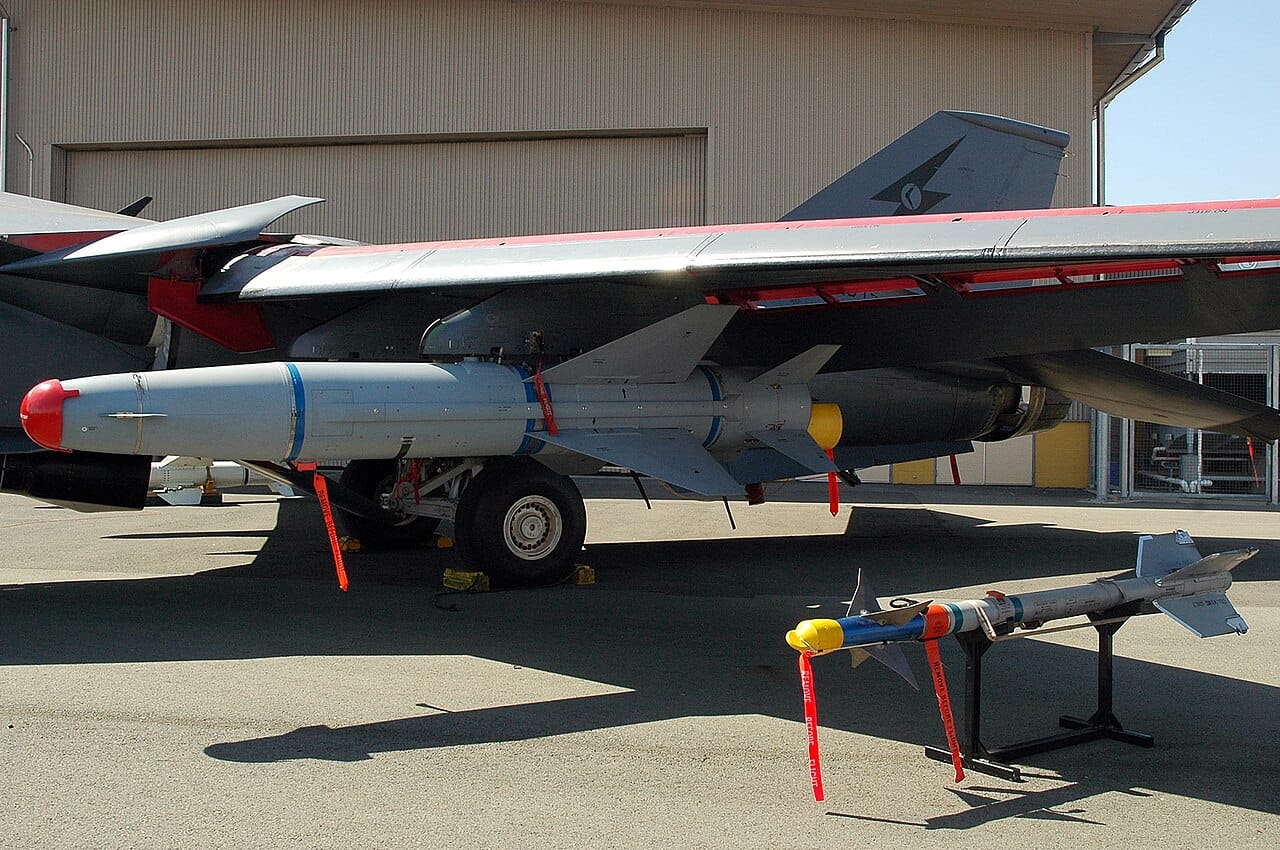
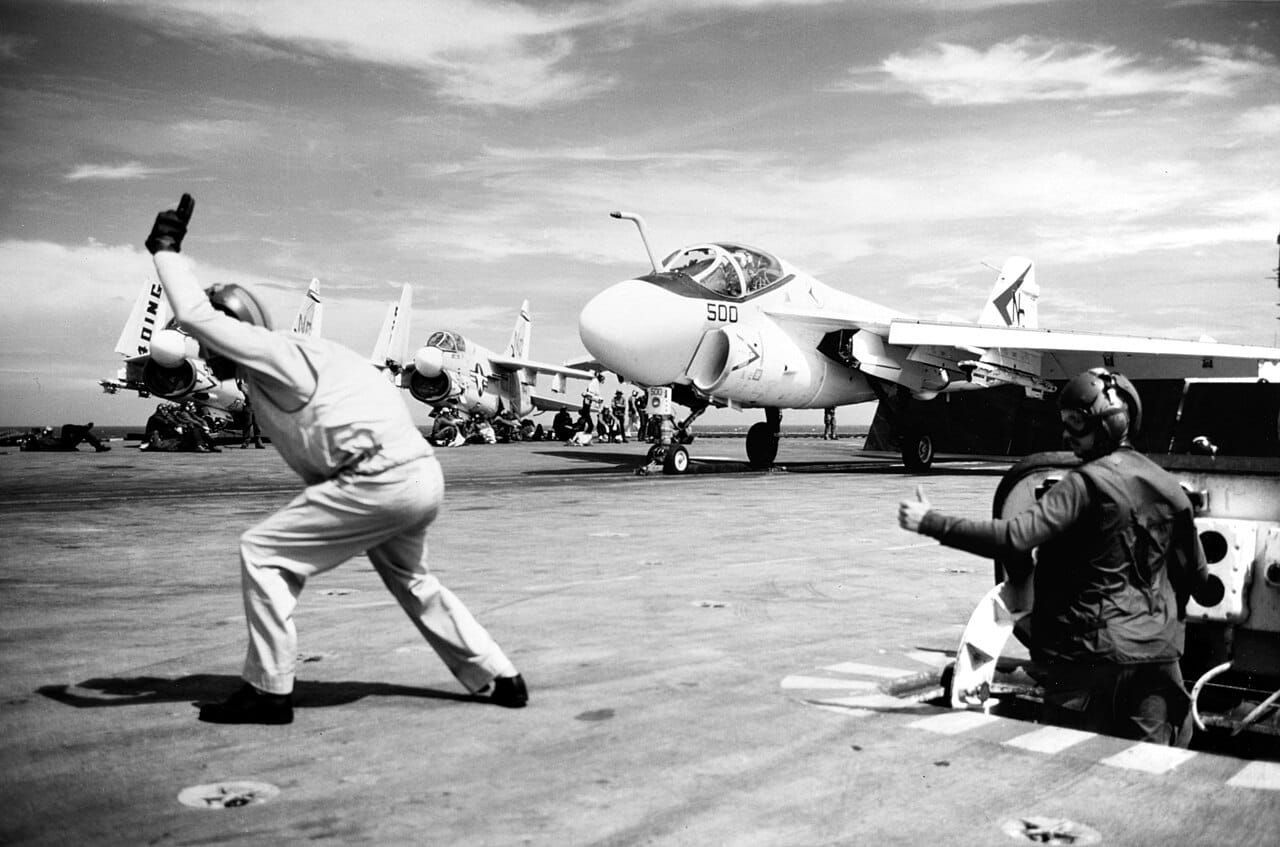
| Einsatzkräfte | 24 F-111F von der RAF Lakenheath und 5 EF-111A Störsender von Upper Heyford, mit A-6 der Marine von den Marinestützpunkten USS America und USS Coral Sea |
| Die Umleitung | Frankreich, Spanien und Italien verweigerten den Überflug; die F-111 umflogen die Iberische Halbinsel, eine Strecke von rund 10.000 km mit wiederholten Betankungen. |
| Ziele | Bab al-Azizia-Kaserne und Anlagen in Tripolis; Flugfeld Benina und die Jamahiriyah-Kaserne in Bengasi |
| Verlust | Eine F-111F mit dem Rufzeichen Karma 52 und ihre Besatzung, die Kapitäne Fernando Ribas-Dominicci und Paul Lorence, wurden getötet. |
Alle sagten Nein
Die politischen Rahmenbedingungen waren beinahe genauso schwierig wie die Flüge selbst. Im Frühjahr 1986 wollte ein Großteil Europas nichts mit einem amerikanischen Angriff auf Libyen zu tun haben, und Frankreich, Spanien und Italien verweigerten den Bombern die Überflugerlaubnis. Diese diplomatische Tatsache veränderte die gesamte Mission grundlegend: Statt eines kurzen Fluges über das Mittelmeer mussten die F-111 aus Lakenheath westwärts von England aus, über den Atlantik, um die Iberische Halbinsel herum und durch die Straße von Gibraltar fliegen, bevor sie ostwärts nach Libyen abdrehen konnten.
Die andere Hälfte des Angriffs führte die US-Marine von zwei bereits im Mittelmeer befindlichen Flugzeugträgern aus durch und attackierte Bengasi, während die Luftwaffe Tripolis angriff.
Dreizehn Stunden für zwölf Minuten
Allein der Hinflug erforderte vier Luftbetankungen durch eine Flotte von KC-10- und KC-135-Tankflugzeugen – nachts und unter Funkstille. Vor den Bombern blendeten EF-111 Raven-Störsender das libysche Radar. Als die F-111 schließlich über Tripolis eintrafen, blieben ihnen vielleicht zwölf Minuten, um ihre Ziele zu finden, die Bomben abzuwerfen und den langen Rückflug anzutreten. Präzision war auf diese Entfernung und nach so langer Zeit im Cockpit extrem schwierig, und nicht jede Bombe traf sauber.
Präsident Reagan trat noch am selben Abend im Fernsehen auf, um zu erklären, warum er den Befehl dazu gegeben hatte.

Reagans vollständige Ansprache an die Nation in der Nacht des Angriffs.
Karma 52
Die Mission war nicht ohne Folgen. Eine F-111F mit dem Rufzeichen Karma 52 stürzte über dem Golf von Sidra ab; die beiden Besatzungsmitglieder, die Kapitäne Fernando Ribas-Dominicci und Paul Lorence, kamen dabei ums Leben. Sie waren die einzigen amerikanischen Verluste der Operation und verdeutlichten, dass hinter dem politischen Theater Besatzungen einen dreizehnstündigen Nachteinsatz in verteidigtem Luftraum flogen, bei dem kein Raum für Fehler bestand.
Ein dokumentarischer Bericht über die Planung und Durchführung des Libyen-Angriffs.
Was es signalisierte
Der Angriff auf El Dorado Canyon war im Grunde das erste Mal, dass ein amerikanischer Präsident live im Fernsehen Luftstreitkräfte einsetzte, um auf einen Terroranschlag zu reagieren, und Reagan formulierte es genau so.
Die tatsächlichen Auswirkungen auf Gaddafi waren umstritten; er überlebte, und der von Libyen unterstützte Terror hörte nicht über Nacht auf. Doch als Demonstration der Reichweite – der Bereitschaft, einen ganzen Kontinent zu umrunden, um Bomben auf ein bestimmtes Gebäude abzuwerfen – war sie unübersehbar und machte die F-111, ein Flugzeug, das einst als kostspieliger Fehlschlag galt, zum Symbol amerikanischer Langstreckenangriffe.
Eine genauere Analyse des Angriffs und der zwölf Minuten über Libyen.
Quellen: The Aviationist; US Air Force Historical Support Division; Ronald Reagan Presidential Library.
Verwandte Fragen
Was war die Operation El Dorado Canyon?
Der Einsatz „El Dorado Canyon“ war der US-Luftangriff auf Libyen in der Nacht vom 14. auf den 15. April 1986, der von Präsident Reagan nach einem Terroranschlag in Berlin angeordnet wurde. Britische F-111-Bomber und Flugzeuge der US-Marine griffen Ziele in Tripolis und Bengasi an – einer der bis dahin längsten Kampfeinsätze.
Warum flogen die F-111 um Europa herum, um Libyen zu erreichen?
Da Frankreich, Spanien und Italien die Erlaubnis zur Durchquerung ihres Luftraums verweigerten, flogen die Lakenheath F-111s westwärts aus England hinaus, den Atlantik hinunter, um die Iberische Halbinsel herum und durch die Straße von Gibraltar – eine Rundreise von etwa 10.000 km, die wiederholte Luftbetankungen erforderte.
Wann fand die Operation El Dorado Canyon statt?
Der Angriff fand in der Nacht vom 14. auf den 15. April 1986 statt. Um Tripolis etwa zwölf Minuten lang zu bombardieren, flogen die F-111 rund dreizehn Stunden, da fast alle europäischen Verbündeten die Überflugrechte verweigerten und einen Umweg um den Kontinent erzwangen.
Welche Flugzeuge flogen im El Dorado Canyon?
Der Angriff erfolgte mit 24 F-111F-Bombern der RAF Lakenheath und fünf EF-111A-Störflugzeugen der Upper Heyford, unterstützt von A-6-Kampfjets der US Navy von den Flugzeugträgern USS America und USS Coral Sea. Zu den Zielen gehörten die Kaserne Bab al-Azizia und der Flugplatz Benina.
Haben die USA bei dem Libyen-Einsatz Flugzeuge verloren?
Ja. Eine F-111F mit dem Rufzeichen Karma 52 ging verloren, und ihre beiden Besatzungsmitglieder – die Kapitäne Fernando Ribas-Dominicci und Paul Lorence – kamen ums Leben. Es war das einzige Flugzeug, das bei diesem Einsatz verloren ging.
Hatten die USA vor 1986 Konflikte mit Libyen?
Ja. US-Marine F-14 Die Tomcats hatten Libysche Kämpfer über dem Golf von Sidra abgeschossen während Konfrontationen mit Gaddafis Truppen in den 1980er Jahren, Teil einer Reihe von Zusammenstößen, die dem Überfall auf den El Dorado Canyon im Jahr 1986 vorausgingen.
Welche anderen Beispiele gibt es für extrem lange Bombenangriffe?
Langstreckenangriffe sind eine wiederkehrende Leistung der Luftstreitkräfte – seit 1943 Angriff auf niedriger Ebene auf die Ölraffinerien von Ploiești, die rund 3.700 km ohne Jagdschutz zurücklegten, bis hin zu modernen interkontinentalen Bombermissionen, die vom Festland der Vereinigten Staaten aus gestartet wurden.

0 Kommentare