
Teil von Wings of War – Vom Zeppelin zur sechsten Generation, unsere Serie über die großen Wendepunkte der Militärluftfahrt.
Kurz nach ein Uhr morgens am 25. Juli 1943 saß ein deutscher Nachtjäger-Anführer vor seinem Radarschirm, während die britischen Bomber auf Hamburg zuflogen. Er hatte das schon oft getan. Das System funktionierte: Eine Kette von Radargeräten verfolgte jeden Bomber, und er dirigierte seine Nachtjäger und die Flak nacheinander auf sie. Doch dann, plötzlich, spielte sein Bildschirm verrückt. Wo eben noch ein paar klare Signale gewesen waren, gab es plötzlich Tausende – ein Schneegestöber aus Fehlsignalen, weit mehr “Flugzeuge”, als es überhaupt geben konnte, die jeden Bildschirm entlang der Küste überfluteten.
Die Bomber warfen ab FensterBündel von Aluminiumfolienstreifen, exakt auf die richtige Länge zugeschnitten, um ein Radarecho zu erzeugen, wurden handvollweise in den Nachthimmel geworfen. Jeder Streifen erschien dem Radar wie ein Bomber. Die gesamte deutsche Luftverteidigung – Radargeräte, Nachtjäger, Flak, Suchscheinwerfer – war innerhalb von Minuten geblendet, und der Bomberstrom strömte auf eine Stadt zu, die in den folgenden Nächten furchtbar brennen sollte. Es war das erste Mal, dass ein elektronischer Trick die Luftverteidigung des Feindes vollständig außer Gefecht gesetzt hatte. Die elektronische Kriegsführung war erwachsen geworden.
Kurzinfo
| Was | Elektronische Kriegsführung – der Kampf um die Kontrolle von Radar, Funk und dem elektromagnetischen Spektrum |
| Früher Meilenstein | Die “Schlacht der Balken” von 1940 über Großbritannien |
| Durchbruch | “Fenster”-Störsender (Täuschkörper) blendeten 1943 das deutsche Radar über Hamburg. |
| Die Mission im Kalten Krieg | “Wildweasel”-Jäger und speziell eingesetzte Störflugzeuge |
| Das ewige Gesetz | Jeder Sensor ruft einen Zähler hervor; jeder Zähler ruft einen Gegenzähler hervor. |
| Heute | GPS-Störungen, Distanzstörsender und das Frequenzspektrum als Kriegsschauplatz |
Der Krieg der Balken
Die elektronische Kriegsführung entstand fast zeitgleich mit der Entwicklung von Radar und Funk zu Waffen. Bereits 1940 navigierten deutsche Bomber britische Ziele, indem sie Funkstrahlen folgten – bis britische Wissenschaftler herausfanden, wie man diese Strahlen ablenken und stören konnte, um die Bomber in die Irre zu führen. Winston Churchill nannte dies den “Zaubererkrieg”. Die deutschen Bomber folgten einem auf ihr Ziel gerichteten Funkstrahl wie einer unsichtbaren Eisenbahnlinie am Himmel. Ein junger britischer Wissenschaftler namens R. V. Jones erkannte das Phänomen, und Großbritannien lernte, die Strahlen zu orten und sie subtil abzulenken, sodass die Besatzungen offene Felder bombardierten, weil sie glaubten, sich über einer Stadt zu befinden. Keine Seite konnte die Waffen des Gegners sehen, und doch war der Kampf so real wie jeder Luftkampf. Das damals erkannte Prinzip prägt die Luftkriegsführung seither: Jedes Gerät, das Signale aussendet oder wahrnimmt, kann selbst geortet, getäuscht oder überlagert werden. Ein besseres Radar lädt dazu ein, es besser zu stören.
Das Radar blenden
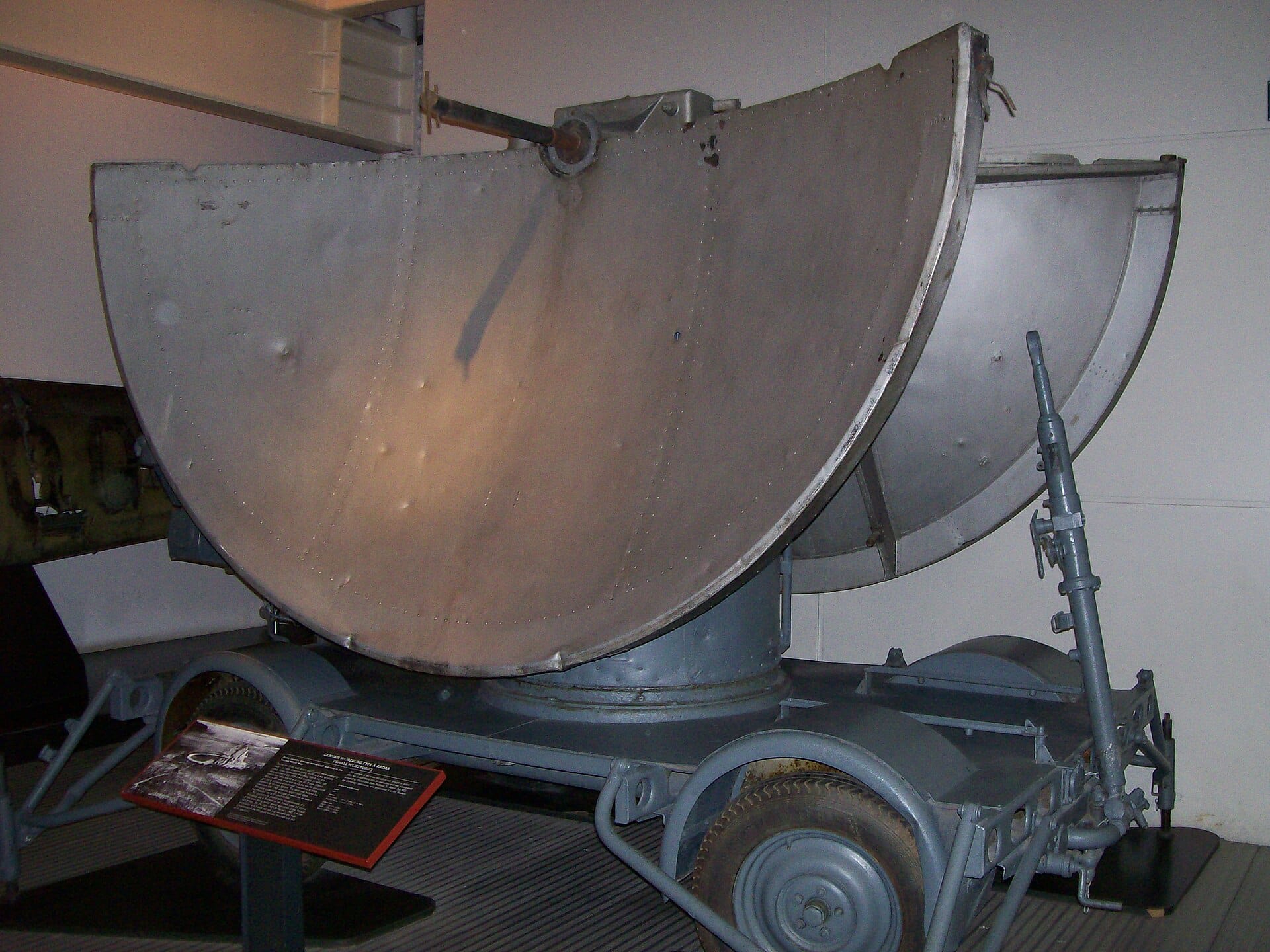
Die über Hamburg abgeworfenen Radarstreifen waren die einfachste Gegenmaßnahme – lediglich auf die Wellenlänge des Radars zugeschnittene Folie – und dennoch legten sie eines der besten Luftverteidigungssysteme der Welt lahm. Beide Seiten hatten den Trick zwar entdeckt, aber aus Angst vor einer Nachahmung durch den Feind gezögert, ihn anzuwenden. Die Briten nutzten ihn zuerst, und zwar mit verheerender Wirkung. Von dieser Nacht an konnte keine Luftwaffe mehr davon ausgehen, dass ihr Radarbild der Realität entsprach, und die Störung feindlicher Sensoren wurde zu einem festen Bestandteil jedes Luftkriegs.
Ins Raketenzeitalter
Mit dem Auftauchen radargelenkter Boden-Luft-Raketen über Vietnam verschärfte sich die Lage dramatisch. Ein Radar, das einen erfasste, konnte einen nun in Sekundenschnelle töten. Die amerikanische Antwort darauf war eine gefährliche neue Missionsart, durchgeführt von Besatzungen, die sich selbst “Wild Weasels” nannten: Sie flogen absichtlich in die feindlichen Verteidigungsanlagen, um die Radargeräte des Gegners zum Einschalten zu provozieren und sie dann zu zerstören – die Unterdrückung feindlicher Luftverteidigung (SEAD). Parallel dazu flogen spezielle Störflugzeuge, vollgepackt mit Elektronik, deren einzige Aufgabe es war, die Raketen und die sie lenkenden Radargeräte zu blenden.
Die Wild-Weasel-Mission war so gefährlich wie kaum ein anderer Luftkampf. Die Besatzungen flogen als Erste vor dem Angriff ein und als Letzte wieder ab – sie machten sich absichtlich zu Zielen, damit die feindlichen Radargeräte sich einschalteten und ihre Position verrieten. Um diese Radargeräte auszuschalten, führten sie eine neuartige Waffe mit: die Antiradarrakete. Diese lenkte den Radarstrahl selbst auf und folgte ihm bis zur Quelle. Es war ein tödliches Spiel: Das Radar, das lange genug aktiv blieb, um eine Rakete zu lenken, konnte möglicherweise keine zweite abfeuern.
Das Spektrum als Schlachtfeld
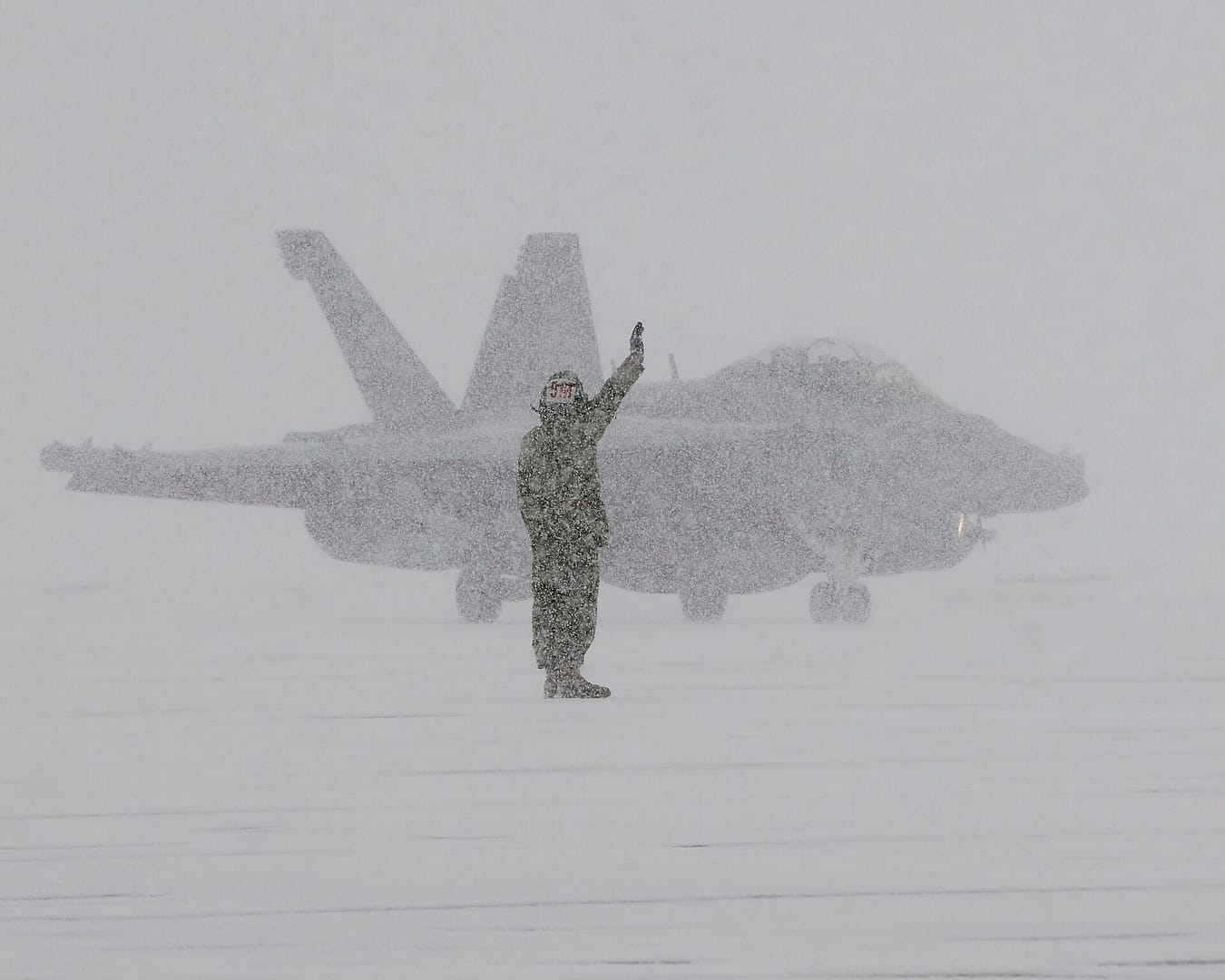
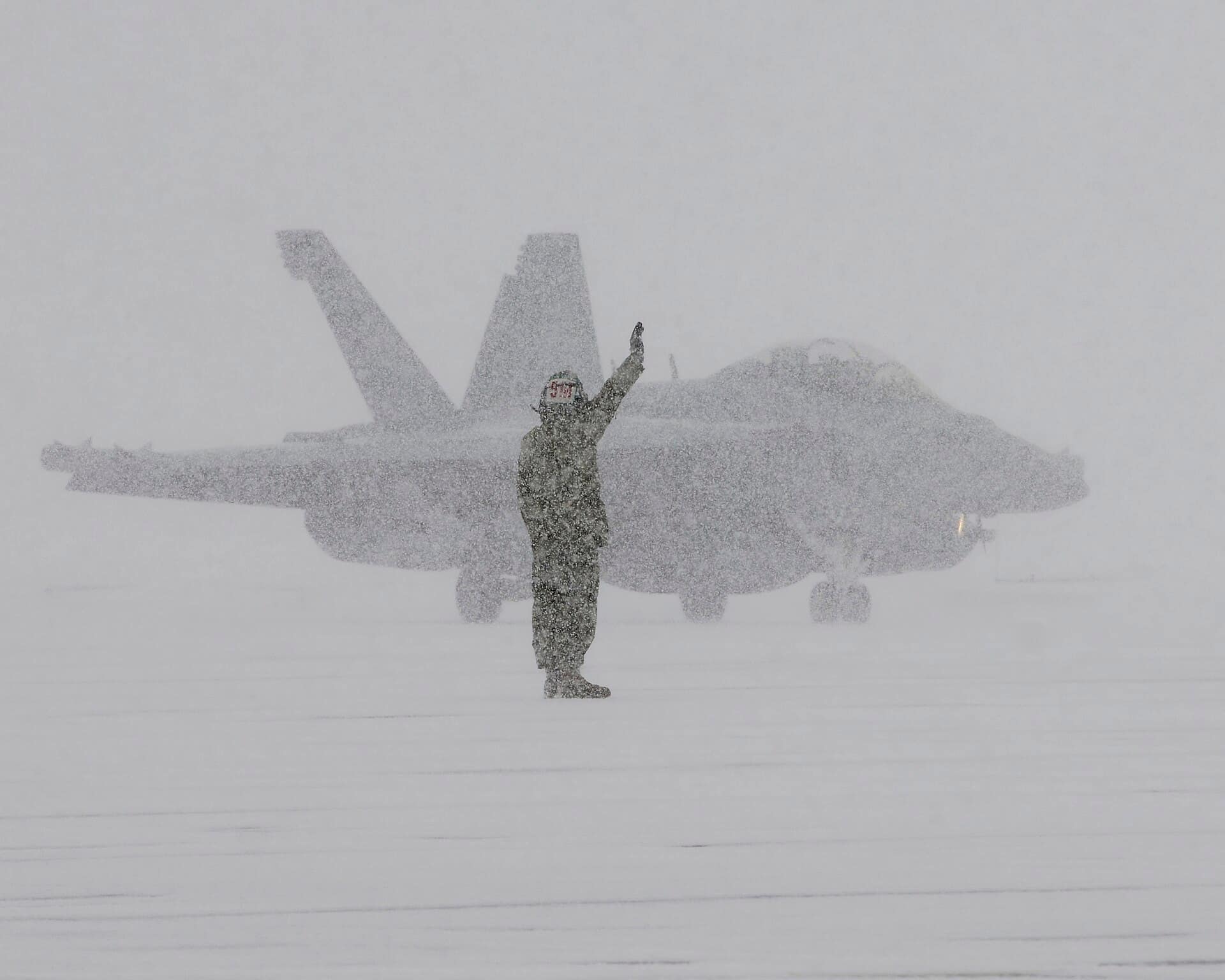
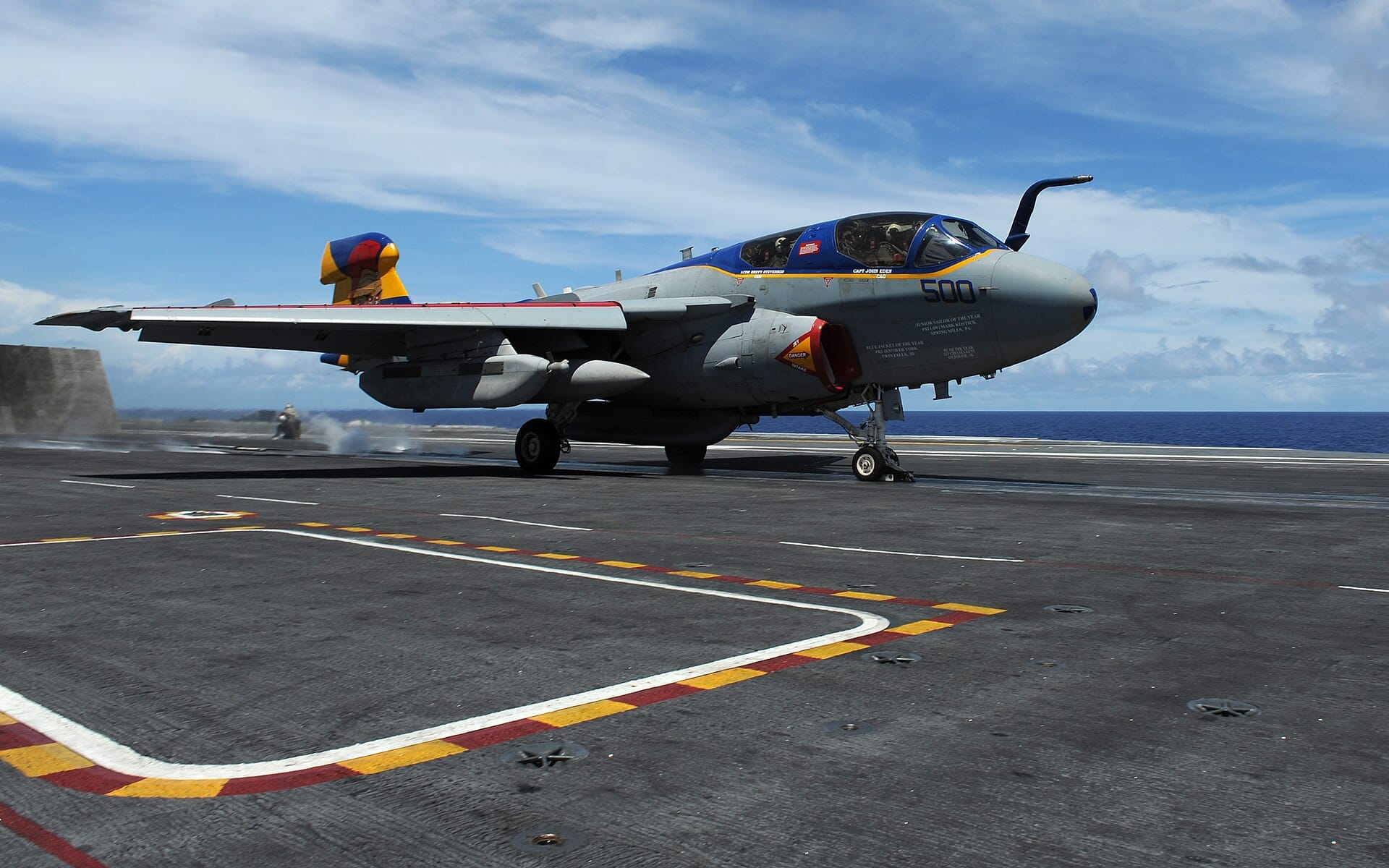
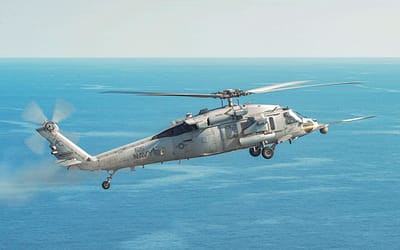
Heute wird das elektromagnetische Spektrum als eigenständiges Kriegsgebiet betrachtet, vergleichbar mit Land, See, Luft und Weltraum. Spezialisierte Störsender wie die EA-18G Growler Begleit- und Angriffsflugzeuge; die neuesten Kampfflugzeuge verfügen über leistungsstarke, integrierte Systeme zur elektronischen Kampfführung; und eine neue Generation von Distanzstörsendern, wie beispielsweise der EA-18G Growler, kommt zum Einsatz. Die Türkei hat kürzlich Folgendes vorgestellt, kann einen Feind aus sicherer Entfernung blenden. Der Kampf hat sich auch über das Radar hinaus ausgeweitet: Das Stören und Manipulieren von Navigationssignalen ist in modernen Konflikten zur Routine geworden, um Waffen und Flugzeuge durch falsche Positionsangaben vom Kurs abzubringen.
In den Kriegen von heute ist dieser unsichtbare Kampf allgegenwärtig. Ganze Regionen werden mit Störsendern übersät, die Satellitennavigationssignale verfälschen; Drohnen stürzen ab, wenn ihre Verbindung unterbrochen wird; Präzisionswaffen verfehlen ihr Ziel, wenn ihre Zielführung gestört wird. Vieles davon bleibt im Filmmaterial verborgen, weil es nichts zu sehen gibt – nur das plötzliche Versagen einer Maschine, die eigentlich hätte funktionieren sollen. Die Nachfolger der Hamburger Folienstreifen führen heute einen Krieg, der ausschließlich aus Signalen besteht und in einem Teil des Frequenzspektrums ausgetragen wird, den kein menschliches Auge jemals wahrnehmen kann.
Es ist kein Zufall, dass elektronische Kriegsführung und Tarnung Wir sind zusammen aufgewachsen. Tarnung macht dich schwer sichtbar; Störsender blenden die Augen des Feindes aus. Kombinierst du beides, kannst du dich durch verteidigte Lufträume bewegen, fast so wie die Fallschirmjäger über Hamburg – ungesehen, unauffindbar und den Maschinen, die dich aufhalten sollen, immer einen Schritt voraus.
VERGLEICH DER MÄCHTE – ELEKTRONISCHE KRIEGSFÜHRUNG IM GANZEN ZEITALTER
| Zweiter Weltkrieg | Großbritanniens Strahlumlenkung und “Fenster”-System im Vergleich zu Deutschlands radargelenkten Verteidigungssystemen |
| Vietnam | US-amerikanische “Wild Weasel”- und Störflugzeuge gegen das sowjetische SAM-Netzwerk |
| Heute | Growler, eingebaute Kampfflugzeuge mit elektronischer Kampfführung und Störsender aus sicherer Entfernung – die USA, China, Russland, die Türkei und andere |
| Das Urteil | Die Seite, die das Farbspektrum kontrolliert, kontrolliert oft auch den Himmel |
Quellen: Royal Air Force Museum; Imperial War Museum; National Museum of the US Air Force; Standardwerke zur Geschichte der elektronischen Kriegsführung und des Luftkriegs über Deutschland und Vietnam.
| 1. | Das Luftschiff im Krieg | Wie der Zeppelin den Krieg erstmals in den Himmel trug |
| 2. | Der erste Auftrag: Aufklärung | Die Augen, die die Marne eroberten und in den Orbit aufstiegen |
| 3. | Der Kämpfer | Das hundertjährige Streben nach der Kontrolle über die Luft |
| 4. | Folkestone, 1917 | Der Tag, an dem die strategische Bombardierung geboren wurde |
| 5. | Die Präzisionsrevolution | Als Bomben und Raketen lernten, selbst zu zielen |
| 6. | Der Zaubererkrieg | Wie die elektronische Kriegsführung lernte, den Feind zu blenden |
| 7. | Augen in der Umlaufbahn | Wie die Spionage ins Weltall Einzug hielt |
| 8. | Tarnung | Wie Flugzeuge lernten, vom Radar zu verschwinden |
| 9. | Der Aufstieg der Drohne | Krieg ohne Pilot im Cockpit |
| 10. | Die sechste Generation | Als der Kampfjet lernte, selbst zu fliegen |
0 Kommentare