
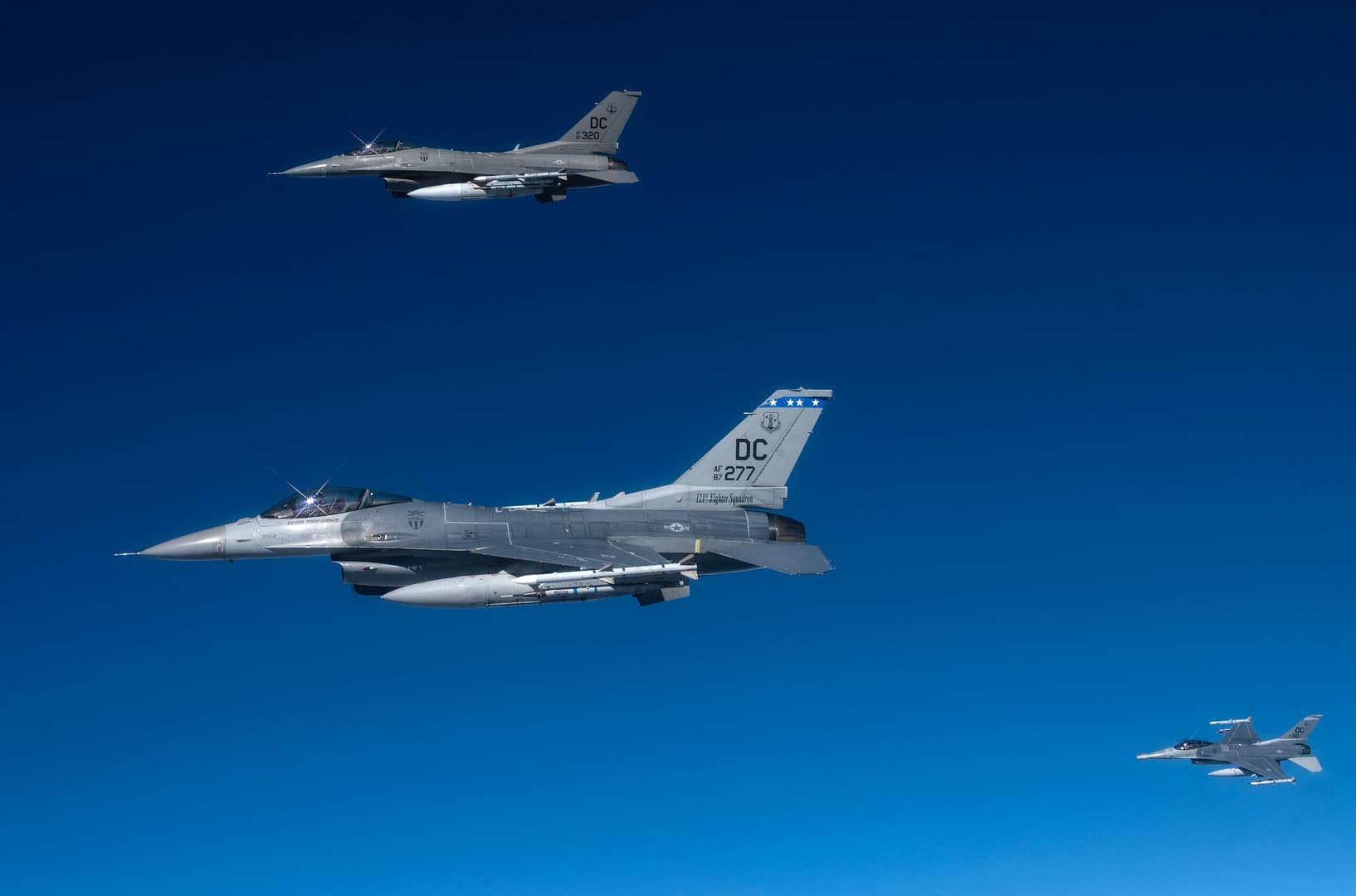
Somewhere over western Maryland on Saturday, a private pilot was having an ordinary flight — right up until a fighter jet appeared off the wingtip.
Around 12:20 p.m. on 20 June 2026, a small general-aviation aircraft wandered into a Temporary Flight Restriction over Washington County. A NORAD F-16 was scrambled, ran the offender down over Hagerstown, and escorted it until it landed, harmlessly, at a nearby airport. Nobody was hurt. Nobody, officially, was named. And that is almost always how this story ends — which is exactly the point.
- Was: a NORAD F-16 intercepted a small civilian aircraft that strayed into restricted airspace
- Where & when: over Hagerstown, in Washington County, Maryland, around 12:20 p.m. on Saturday 20 June 2026
- Warum: the aircraft entered a VIP Temporary Flight Restriction (TFR)
- Ergebnis: the F-16 shadowed the plane until it landed safely at a nearby airport; no injuries
- Who ran it: the Continental U.S. NORAD Region, headquartered at Tyndall Air Force Base, Florida
An invisible wall in the sky
The aircraft’s mistake was crossing a line it could not see. A Temporary Flight Restriction is a chunk of airspace switched off at short notice — typically for a VIP movement or a security event — and they are the bane of casual private flying. They pop up, they vanish, and a pilot who skipped the latest briefing can sail straight into one without the faintest idea they have done anything wrong.
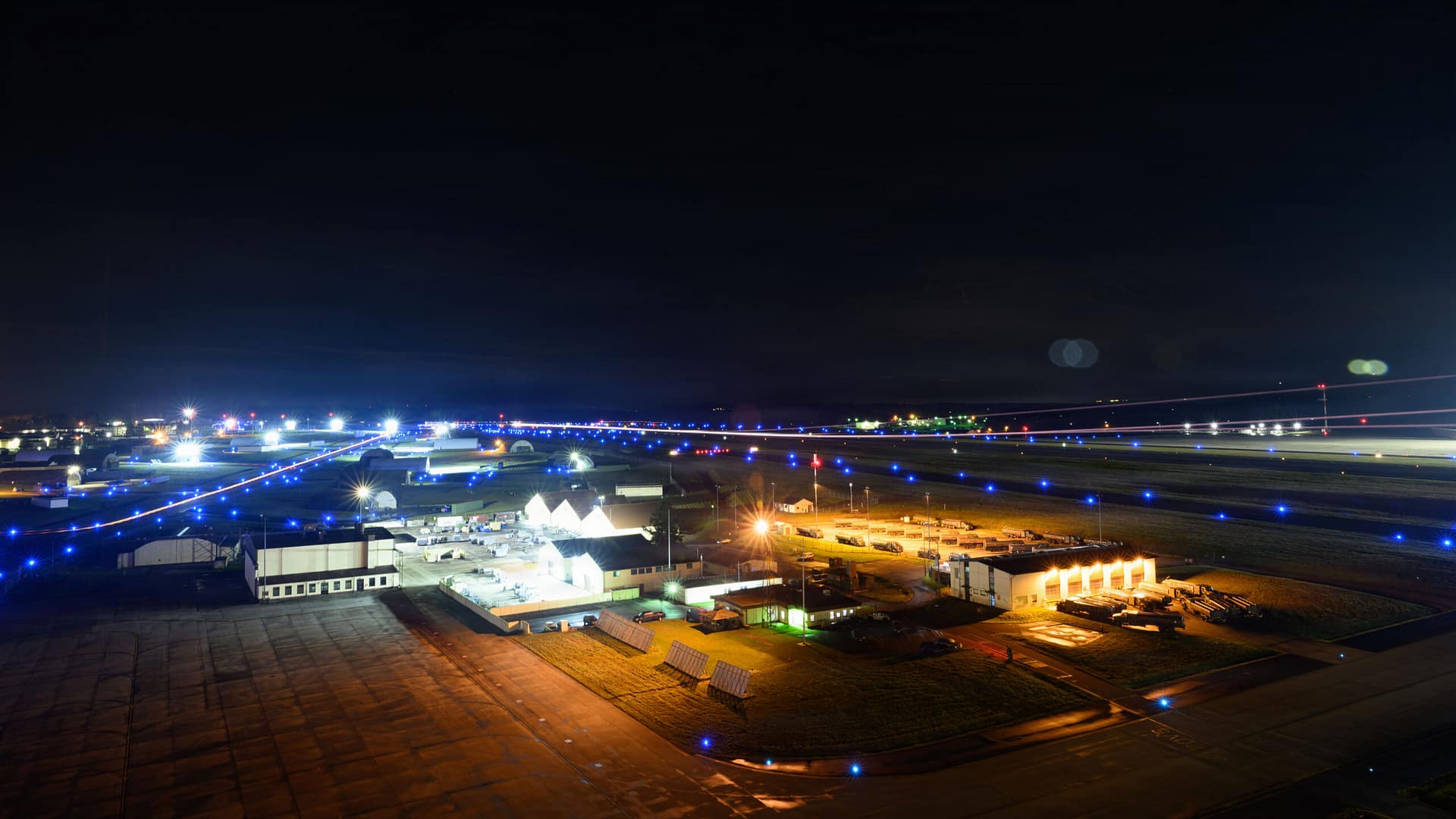
The response, though, is anything but casual. Since 2001, the United States has kept armed fighters on alert precisely so that someone can go and look when an aircraft does something it shouldn’t near sensitive ground. The jets are flown by units like the District of Columbia Air National Guard, the “Capital Guardians” whose entire job is to watch the skies over Washington.
A boring ending is a good ending
Here is the reassuring part: this kind of intercept happens more often than you’d think, and it nearly always fizzles out exactly like this one — an embarrassed pilot, a safe landing, a paperwork headache. The machinery that scrambles a multi-million-dollar fighter to chase a wandering Cessna is the same machinery that would meet a genuine threat, and you cannot have the second without the first.
So the next time you read that a fighter jet “intercepted” a civilian plane and nothing happened, resist the urge to yawn. “Nothing happened” is the system working perfectly — a fast, armed answer to a question that turned out, this time, to have a very dull answer.
Sources: NORAD; CBS News; Daily Voice.
Verwandte Fragen
What happened over Maryland on 20 June 2026?
A small general-aviation aircraft flew into a Temporary Flight Restriction over Washington County, Maryland, around 12:20 p.m. A NORAD F-16 was scrambled, intercepted the plane over Hagerstown, and escorted it until it landed safely at a nearby airport. No one was hurt, and the authorities did not publicly identify the pilot or aircraft.
What is a Temporary Flight Restriction (TFR)?
A TFR is a short-notice block of airspace that aircraft are barred from entering, usually set up for VIP movements (like the President), major events, wildfires or disasters. They appear and disappear quickly, which is exactly why distracted or poorly-briefed private pilots sometimes blunder into them.
Why send a fighter jet after a small plane?
Because no one on the ground can be sure why an aircraft is violating protected airspace. Since 11 September 2001, the U.S. keeps armed fighters on alert to investigate any unidentified or non-compliant aircraft near sensitive areas. The vast majority of these intercepts turn out to be honest mistakes — but the system has to treat every one as potentially serious until proven otherwise.
Did the F-16 fire on the aircraft?
No. The fighter intercepted and monitored the aircraft, which landed without incident. Intercepts are about identification and escort; weapons are an absolute last resort. In cases where a pilot is unresponsive, fighters may use flares to attract attention rather than anything more drastic.
Who protects the airspace around Washington, D.C.?
The skies around the U.S. capital are among the most tightly controlled in the world, ringed by special flight-restricted zones and watched continuously. NORAD's Continental U.S. Region coordinates the air defence, drawing on alert fighters — including the District of Columbia Air National Guard's F-16s — to respond to violations.

0 Kommentare