
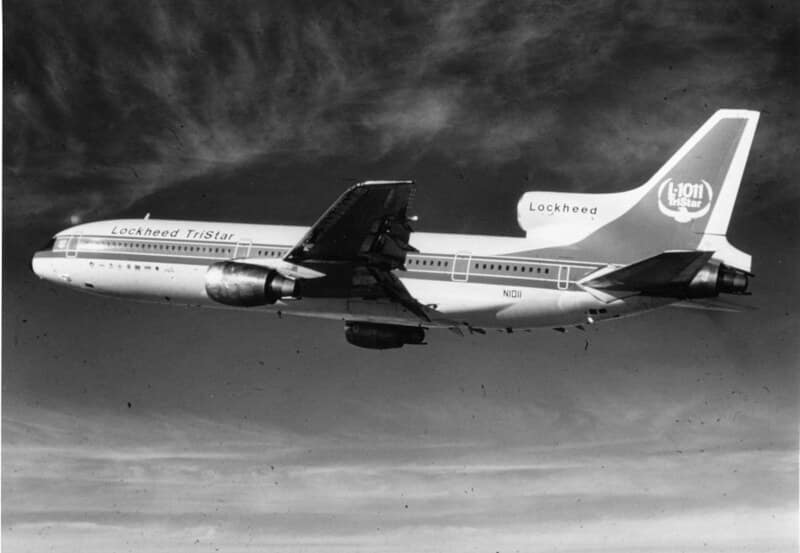
By almost every technical measure, the Lockheed L-1011 TriStar was the finest airliner of its generation. It could fly an approach and land itself in thick fog when rivals still needed a pilot’s hands. Its ride was smoother, its systems cleverer, its safety record enviable. And it was a commercial catastrophe that helped drive Lockheed out of the passenger-aircraft business for good.
The story of the TriStar is one of the great what-ifs of aviation: a machine that was too good, too late, and undone not by its own faults but by the near-collapse of the company that built its engines.
Quick Facts: Lockheed L-1011 TriStar
- Typ: Wide-body trijet airliner
- Erster Flug: 1970; into service 1972
- Motoren: Three Rolls-Royce RB211 turbofans
- Meilenstein: First wide-body certified to land itself (autoland)
- Gebaut: 250, versus 446 for the rival DC-10
- Vermächtnis: Lockheed’s last commercial airliner
The most advanced widebody of its age
The TriStar bristled with firsts. It was the first wide-body to earn FAA certification to land automatically, guided by an advanced flight-control system and a clever feature called direct lift control that let it fine-tune its descent without pitching the nose. Its centre engine breathed through an elegant S-shaped duct, and its cabin was notably quiet and well-pressurised. Pilots and engineers were smitten.
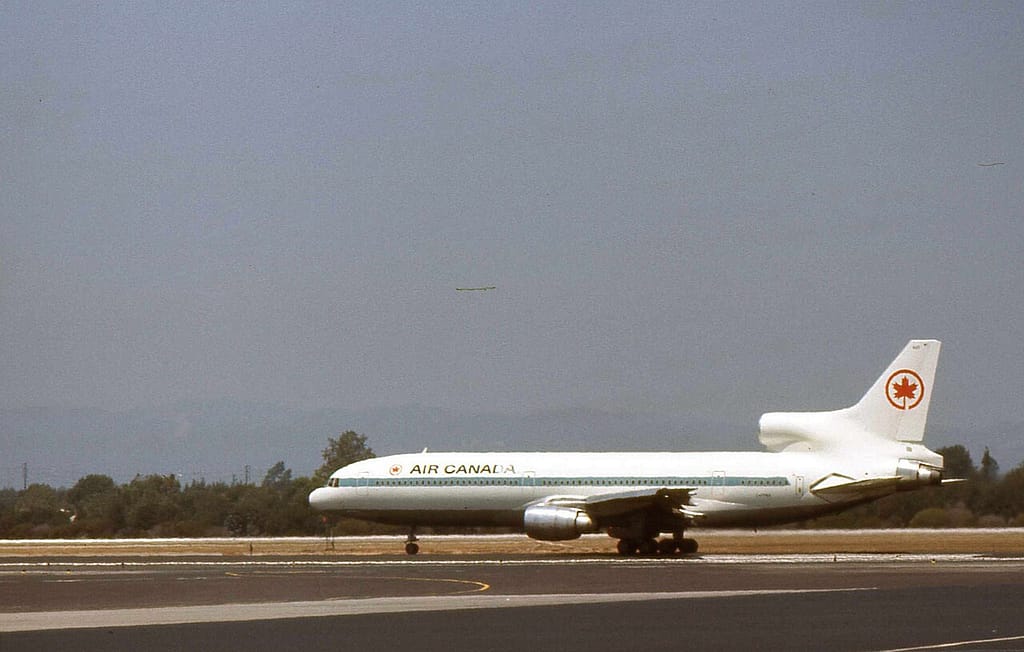
The engine that broke the maker
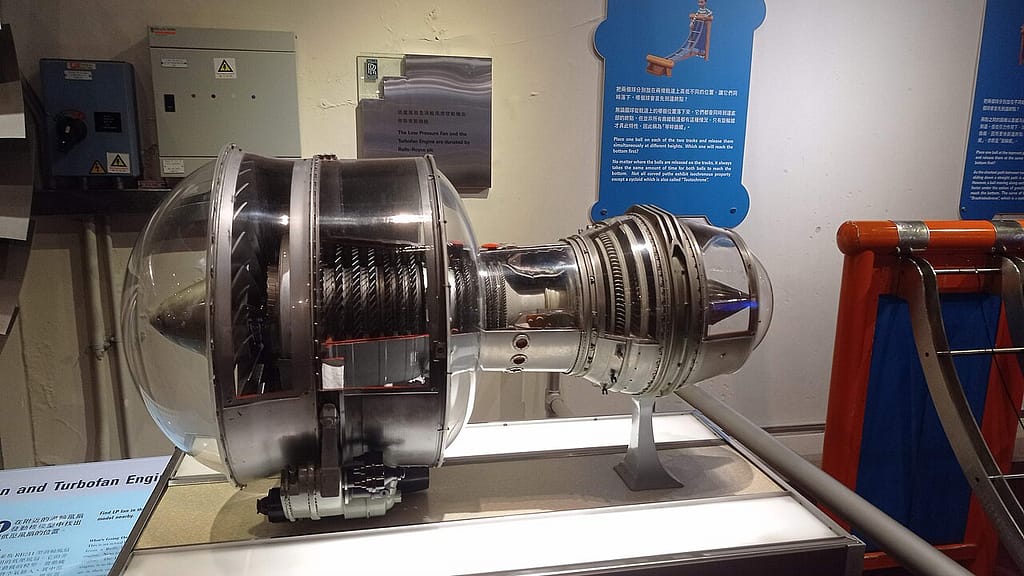
The TriStar was launched around a single, ambitious engine: the Rolls-Royce RB211, the first three-spool turbofan to power an airliner. Its party trick was to be lightweight carbon-fibre fan blades, but they shattered in bird-strike testing, forcing Rolls-Royce back to heavier titanium. Costs spiralled, schedules slipped, and in 1971 the storied engine-maker collapsed into bankruptcy, dragging the whole TriStar programme with it.
Those lost months were fatal. The rival McDonnell Douglas DC-10, an almost identical concept, reached the market first and grabbed the sales the TriStar needed to break even.
Brilliant, and doomed
In the end Lockheed built just 250 TriStars against 446 DC-10s, and never came close to recovering its investment. Production ended in 1984, and the TriStar became Lockheed’s last commercial airliner; the company retreated to the military world it knew best. Yet those who flew and rode the L-1011 remember it fondly, and its safety record outshone its rival’s. It stands as proof that in the airline business, being the best is not always enough. Sometimes you also have to be on time.
Sources: Simple Flying, The Autopian, Lockheed Martin, Wikipedia.
0 Kommentare