
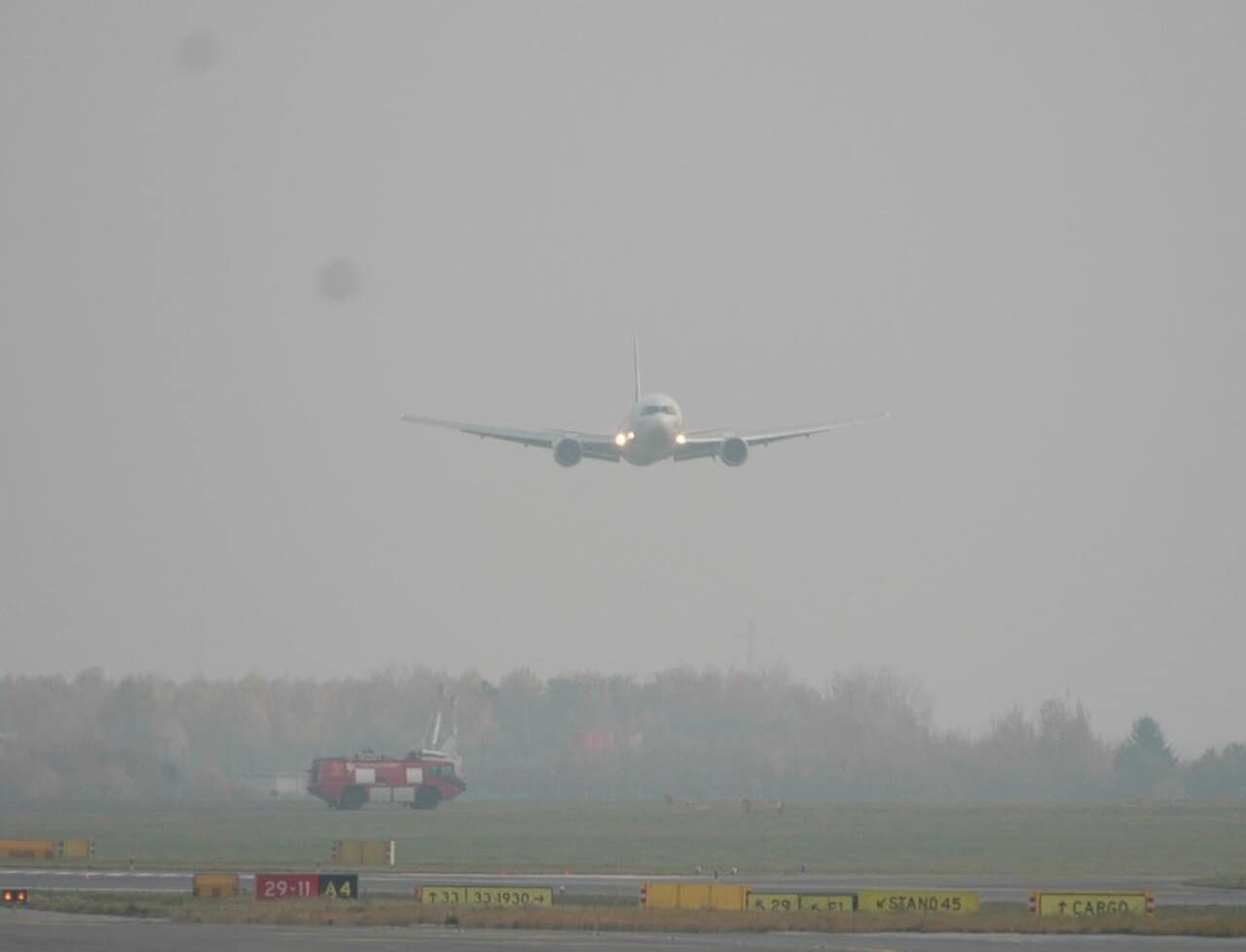
On the afternoon of 1 November 2011, a Boeing 767 slid down a runway at Warsaw's Chopin Airport on its belly, spraying sparks and foam, with 231 people aboard and not a single wheel beneath it. When it stopped, everyone walked away. Some passengers did not even realise the landing gear had been up the whole time.
The pilot who pulled it off was named Tadeusz Wrona, and in a coincidence too good for fiction, wrona is the Polish word for crow. By nightfall he was a national hero. The story of LOT Polish Airlines Flight 16 is a small masterclass in how a very bad day can end with everyone going home, and how the whole thing nearly turned on a single hidden switch.
Kurzinfo
| Flug | LOT Polish Airlines Flight 16, Newark to Warsaw |
| Datum | 1 November 2011 |
| Flugzeug | Boeing 767-300ER, SP-LPC “Poznań” |
| An Bord | 231 (220 passengers, 11 crew) |
| Verletzungen | None. Everyone survived |
| Notfall | Center hydraulic leak, then a popped breaker disabled the backup gear |
| Kapitän | Tadeusz Wrona (wrona means “crow” in Polish) |
| Landung | Gear-up on foamed Runway 33, 14:40 CET; evacuated in 90 seconds |
| Aircraft fate | Written off; scrapped in 2013 |
A Leak Over the Atlantic
Within half an hour of leaving Newark, the crew got a warning: the 767's center hydraulic system had failed. Later investigation traced it to a flexible hose that had been allowed to bend too sharply, until it split and bled away all the fluid in that system. With a long transatlantic fuel load to burn anyway, the crew pressed on toward Warsaw, working the problem.
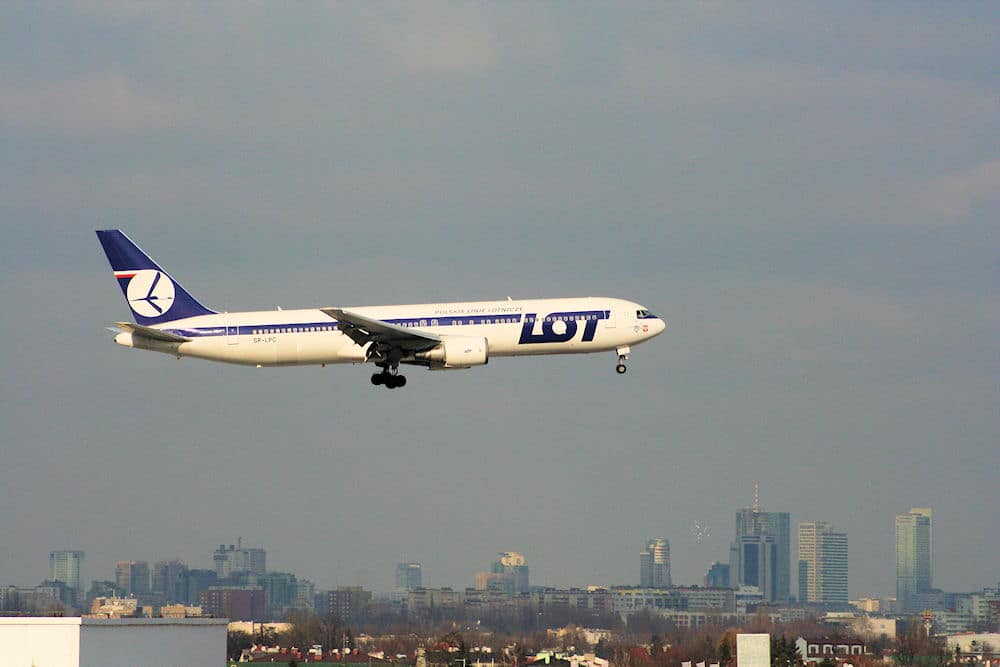
The 767, like all airliners, has backups. If hydraulics cannot push the landing gear down, an alternate system can drop it by other means. So when the main gear refused to extend on the first approach, that should have been an inconvenience, not a crisis. Except the backup did not work either. Two Polish Air Force F-16 fighters were scrambled to fly alongside and confirm what the instruments were saying: all the wheels were still tucked up inside the aircraft.
The Switch Nobody Saw
Here is the maddening part, the detail that makes engineers wince. The reason the backup gear extension failed was a single circuit breaker, designated C829, that had quietly popped. It sat low down, near the first officer's feet, in a spot almost impossible to notice in the middle of an emergency. Reset that one breaker and the gear would have come down normally. In fact, that is exactly what happened after the landing: investigators pushed C829 back in, and the wheels dropped straight out.
But the crew, running checklists for a hydraulic failure, never spotted it. So Captain Wrona and First Officer Jerzy Szwarc, between them carrying over 25,000 flying hours, prepared to do the thing every pilot trains for and hopes never to need.
Land Like a Crow
Wrona did not rush. He circled Warsaw for over an hour, deliberately burning down the fuel that could feed a fire and giving the ground crews time to work. They foamed the runway. They evacuated the airport, closed the surrounding roads, and diverted every other arrival. Then, at 14:40, he brought the big Boeing down onto Runway 33.
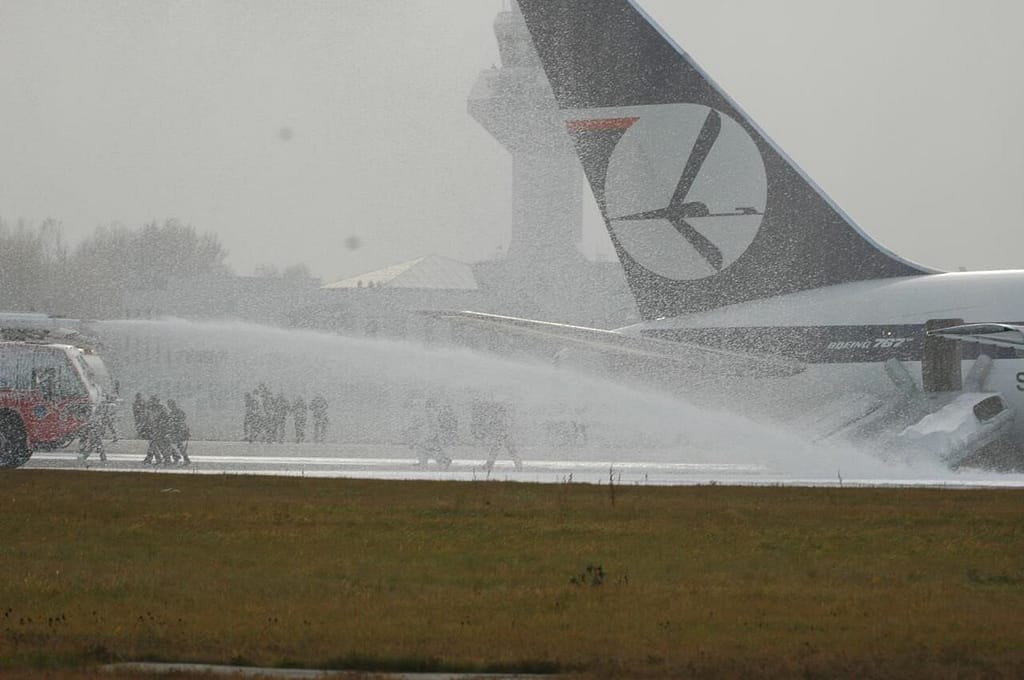
The touchdown was so gentle that the fuselage kissed the foam, the aircraft slid roughly 1,400 metres in a controlled straight line, and rolled to a stop. All 231 people were out through the slides in 90 seconds. A minor engine fire was smothered by the waiting foam trucks. Nobody was hurt.
The Cost of a Good Landing
The aircraft itself did not survive its own rescue. SP-LPC was too badly damaged to be worth repairing, was formally written off, and was scrapped in 2013. But it did its final job perfectly: it protected everyone inside it. President Bronisław Komorowski publicly thanked the crew, and the investigation's real legacy was a push to stop exactly this chain of small failures, the over-bent hose, the hidden breaker, from ever lining up again.
The lesson of Flight 16 is not that flying is dangerous. It is the opposite: that when a modern airliner loses a system, and then loses its backup too, a well-trained crew with time, foam and a cool head can still put 231 people on the ground without a scratch. Fly like an eagle, land like a crow.
Sources: Polish State Commission on Aircraft Accidents Investigation final report (2017); Wikipedia; The Aviation Herald; NBC News; Mentour Pilot.
0 Kommentare