
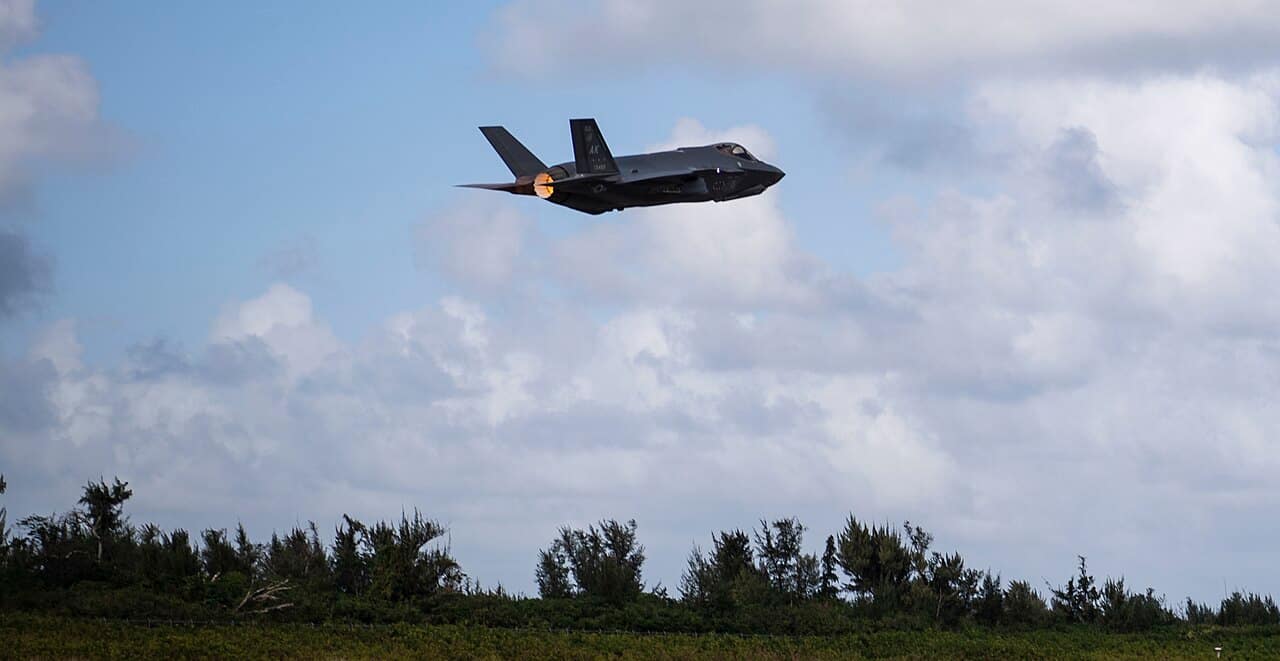
Zwei Jahrzehnte lang erhielten die Steuerzahler, die die Kosten für die teuerste Waffe der Menschheitsgeschichte trugen, eine ehrliche jährliche Abrechnung: den jährlichen Bericht des Government Accountability Office (GAO) über die... F-35. Dieses Jahr hat das Pentagon es in eine Schublade gesperrt.
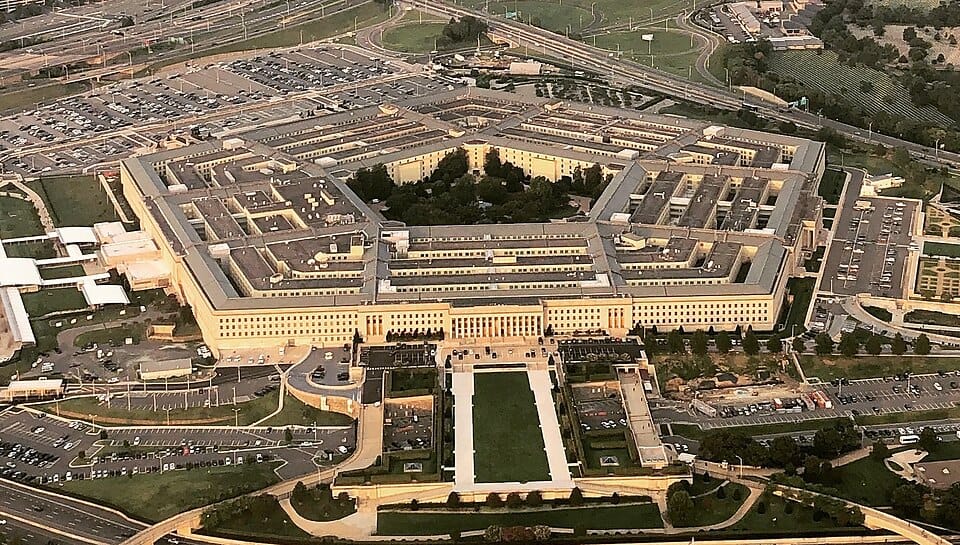
Das GAO bestätigte am 15. Juli 2026, dass das Verteidigungsministerium seinen jüngsten Bericht zur Produktion und Modernisierung der F-35 als “Kontrollierte, nicht klassifizierte Information” eingestuft hat – ein bürokratisches Label, das bedeutet, dass keine einzige Seite an die Öffentlichkeit gelangt. Laut der Kontrollbehörde ist dies das erste Mal seit über 20 Jahren, dass der gesamte Bericht im Rahmen der jährlichen F-35-Überprüfungen zurückgehalten wird.
Der Zeitpunkt ist alles andere als subtil. Die letzten öffentlichen GAO-Prüfungen waren vernichtend, und nun ist das einzige Dokument, das Außenstehenden einen klaren Einblick in den Billionen-Dollar-Jet gewährte, verschwunden.
Kurzinfo
| Bericht | “F-35 Joint Strike Fighter: Update zu Produktion und Modernisierungsbemühungen” |
| Status | Vollständig zurückgehalten – als kontrollierte, nicht klassifizierte Information (CUI) gekennzeichnet |
| Zum ersten Mal | In über 20 Jahren jährlicher GAO-Überprüfungen (vom Kongress seit 2005 vorgeschrieben) |
| Programmlebensdauerkosten | Voraussichtlich über 1TP4B2 Billionen |
| Flotte geplant | ~2.470 Flugzeuge über einen 77-jährigen Lebenszyklus |
| Volle Einsatzfähigkeit (Geschäftsjahr 2025) | ~251 TP3T, gegenüber 381 TP3T im Geschäftsjahr 2021 (laut früheren öffentlichen GAO-Berichten) |
Zwei Jahrzehnte Sonnenlicht, ausgeschaltet
Der Kongress beauftragte das GAO (Government Accountability Office) ab 2005 jährlich mit der Überprüfung der F-35. Seitdem veröffentlichte das GAO jedes Jahr einen Bericht zu Zeitplänen, Kosten und Einsatzbereitschaft. Diese Praxis ist nun beendet. Die Prüfer geben an, dass das Pentagon für die diesjährige Version CUI (Critical Unclassified Information) – eine Kategorie für sensibles, aber nicht klassifiziertes Material – als vertraulich eingestuft und diese daher vollständig gesperrt hat.
Die GAO machte aus ihrem Unbehagen über die Entscheidung keinen Hehl und wies darauf hin, wie ungewöhnlich es sei, dass eine ihrer Übernahmeprüfungen vollständig unter Verschluss gehalten werde.
Wichtige Abgeordnete werden die Ergebnisse zwar einsehen können, aber nicht jedes Kongressmitglied erhält die vollständige, ungeschwärzte Fassung – und die Wähler erhalten gar nichts. Für ein Programm, in das die Öffentlichkeit seit einem Vierteljahrhundert einzahlt, ist das ein bedeutender Rückschlag.
Was die Öffentlichkeit bereits wusste
Der Schritt schmerzt umso mehr, als jüngste öffentliche Berichte wenig schmeichelhaft waren. Frühere GAO-Analysen bezifferten die voraussichtlichen Lebenszykluskosten der F-35 auf über 1,4 Billionen US-Dollar für rund 2.470 Flugzeuge und einen 77-jährigen Lebenszyklus. Haupttreiber dieser Kosten waren die laufenden Betriebskosten der Jets, nicht die Anschaffungskosten.
Die Einsatzbereitschaft zeichnete ein ähnliches Bild. Der Anteil der F-35, die alle ihre zugewiesenen Missionen erfüllen konnten – die volle Einsatzfähigkeit –, war im Fiskaljahr 2025 auf etwa ein Viertel der Flotte gesunken und lag damit deutlich unter den von den Teilstreitkräften selbst gesteckten Zielen. Solche Zahlen lieferte der Jahresbericht zuverlässig.
Warum das wichtig ist
Transparenzaktivisten sorgen sich weniger um diesen einzelnen Bericht als vielmehr um den Präzedenzfall. Wenn das Pentagon sein am stärksten überwachtes Programm mit dem CUI-Siegel versehen kann, könnte dieselbe Kennzeichnung die Aufsicht über das nächste Programm stillschweigend ersticken. Mehrere Analysten haben den Kongress dringend aufgefordert, eine redigierte öffentliche Version, eine detaillierte Begründung für die CUI-Einstufung und einen verbindlichen Veröffentlichungstermin zu fordern.
Die F-35 wird weiterhin fliegen, weiterhin ein Vermögen kosten und weiterhin Schlagzeilen machen. Der Unterschied besteht seit diesem Jahr darin, dass der direkteste Einblick der Öffentlichkeit in ihre Geschichte versperrt wurde – und niemand außerhalb eines kleinen Kreises darüber entscheiden darf, wann er sich wieder öffnet.
Business Insider Wahre Kosten Die Analyse zeigt auf, wie das F-35-Programm zum teuersten Waffenprogramm aller Zeiten wurde – der Kontext, der die diesjährige Nachrichtensperre so umstritten macht.
Quellen: US Government Accountability Office; Bloomberg; Forbes; The Hill; South China Morning Post.



0 Kommentare