
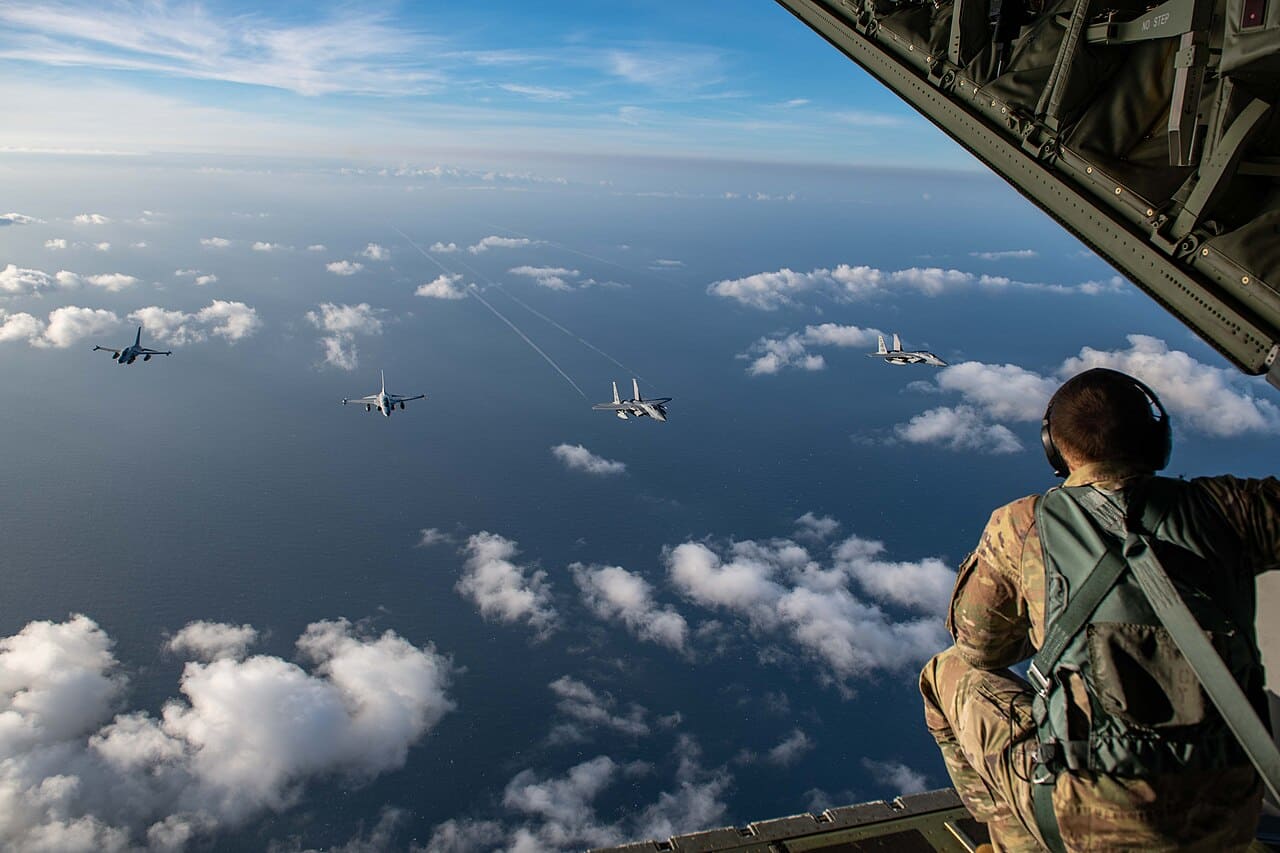
Die Philippinen setzen verstärkt auf den kleinen Jet, der ihren Luftraum bewacht – und dieses Mal kaufen sie die Version, die auch auf große Entfernungen effektiv ist.
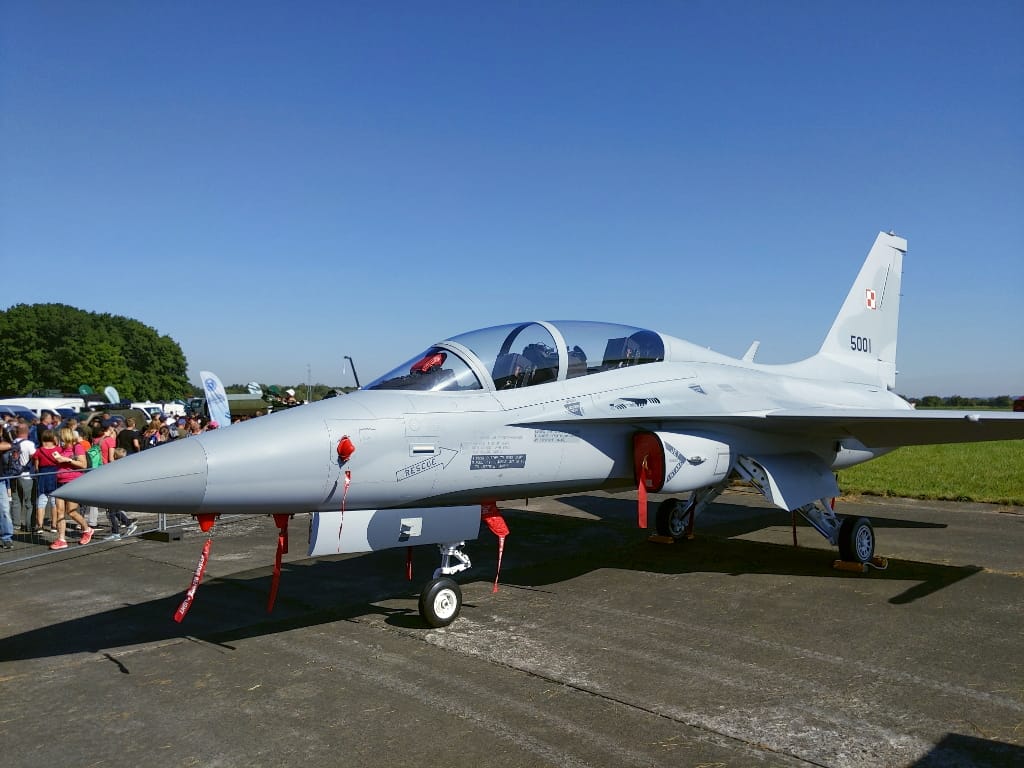
Die philippinische Luftwaffe hat bestätigt, dass die Lieferung ihrer nächsten 12 FA-50-Kampfjets planmäßig verläuft. Das erste Flugzeug soll 2028 ausgeliefert werden, die vollständige Bestellung bis 2030 abgeschlossen sein. Die Jets stammen von Korea Aerospace Industries und werden im Rahmen eines im Juni 2025 unterzeichneten Vertrags im Wert von über 14 Billionen Pesos (1 TP4T700 Mio. £) geliefert. Der Vertrag ist Teil des Modernisierungsprogramms „Re-Horizon 3“ des Militärs.
| Befehl | 12 FA-50 Block 70 (ehemals “Block 20”) |
| Hersteller | Korea Aerospace Industries (KAI) |
| Käufer | Philippinische Luftwaffe |
| Wert | Mehr als 700 Millionen US-Dollar |
| Schlüsselsatz | AESA-Radar, BVR-Luft-Luft-Fähigkeit, Mach 1,5 |
| Lieferung | Erste Jets 2028, Fertigstellung bis 2030 (jeweils zwei Stück) |
| Programm | AFP Re-Horizon 3 |
Block 20, jetzt Block 70 genannt
Hier gibt es eine Namensgebungs-Besonderheit, die einer Erklärung bedarf. KAI vermarktete diese Konfiguration ursprünglich als FA-50 “Block 20”. Inzwischen wurden die philippinischen Jets in “Block 70” umbenannt – eine Bezeichnung, die, nicht zufällig, an die neuesten F-16 Vipers erinnert. Gleiches Flugzeug, markanteres Logo.
Die wichtigste Verbesserung befindet sich in der Nase. Während die früheren FA-50 auf ein mechanisches Radar angewiesen waren, verfügen die neuen Jets über ein aktives elektronisch gesteuertes Phased-Array-Radar (AESA) – zu den Optionen gehören Berichten zufolge das PhantomStrike von RTX oder das ESR-500A von LIG Nex1 –, wodurch der Einsatz von Luft-Luft-Raketen jenseits der Sichtweite ermöglicht wird. Für einen leichten Kampfjet bedeutet dies den Sprung vom ’Trainingsflugzeug, das kämpfen kann“ zum ”Kampfjet, der zuerst schießen kann“.”
Warum Manila immer wieder die FA-50 kauft
Die Philippinen betreiben bereits zwölf FA-50, die im Rahmen einer früheren Modernisierungsphase beschafft und als primäre Luftverteidigungsflugzeuge des Landes eingesetzt wurden – unter anderem für Patrouillen über dem umstrittenen Westphilippinischen Meer. Durch die Verdopplung der Flotte kann ein einziger, bewährter Flugzeugtyp weiterhin die täglichen Aufgaben der Souveränitätspatrouillen übernehmen, während Manila gleichzeitig die Anschaffung leistungsstärkerer Mehrzweckkampfflugzeuge für die Zukunft erwägt.
Das Verteidigungsministerium hat den Kauf als Stärkung der Luftverteidigung im Einklang mit seinem umfassenden Archipelverteidigungskonzept dargestellt – der Strategie zur Verteidigung einer Nation, die aus mehr als 7.000 Inseln besteht, bei der Reichweite und Einsatzbereitschaft wichtiger sind als reine Zahlen.
Eine Überschallhecke in einer angespannten Nachbarschaft
Nichts davon macht die FA-50 zu einem ebenbürtigen Gegner für einen Spitzenjäger im direkten Duell. Doch das ist auch nicht ihre Aufgabe. Mit Mach 1,5 und AESA- sowie BVR-Raketen ist sie eine glaubwürdige und kostengünstige Abschreckung, die überall gleichzeitig einsatzfähig ist – genau das, was eine sparsame Luftwaffe unter ständigem Druck in der Grauzone braucht.
Das untenstehende Video erläutert, was die neue Block-Konfiguration für die philippinische Luftstreitmacht bedeutet.
Die Auslieferungen beginnen im Jahr 2028. Bis dahin fliegt die aktuelle Flotte weiterhin Patrouillenflüge – und Seoul beweist immer wieder, dass die FA-50 zum Export-Arbeitspferd der sich modernisierenden Luftstreitkräfte Asiens geworden ist.
Quellen: Philippine News Agency (26. Juni 2026); KAI; Defence Industry Europe; MILMAG; Stellungnahmen des philippinischen Verteidigungsministeriums.
0 Kommentare