
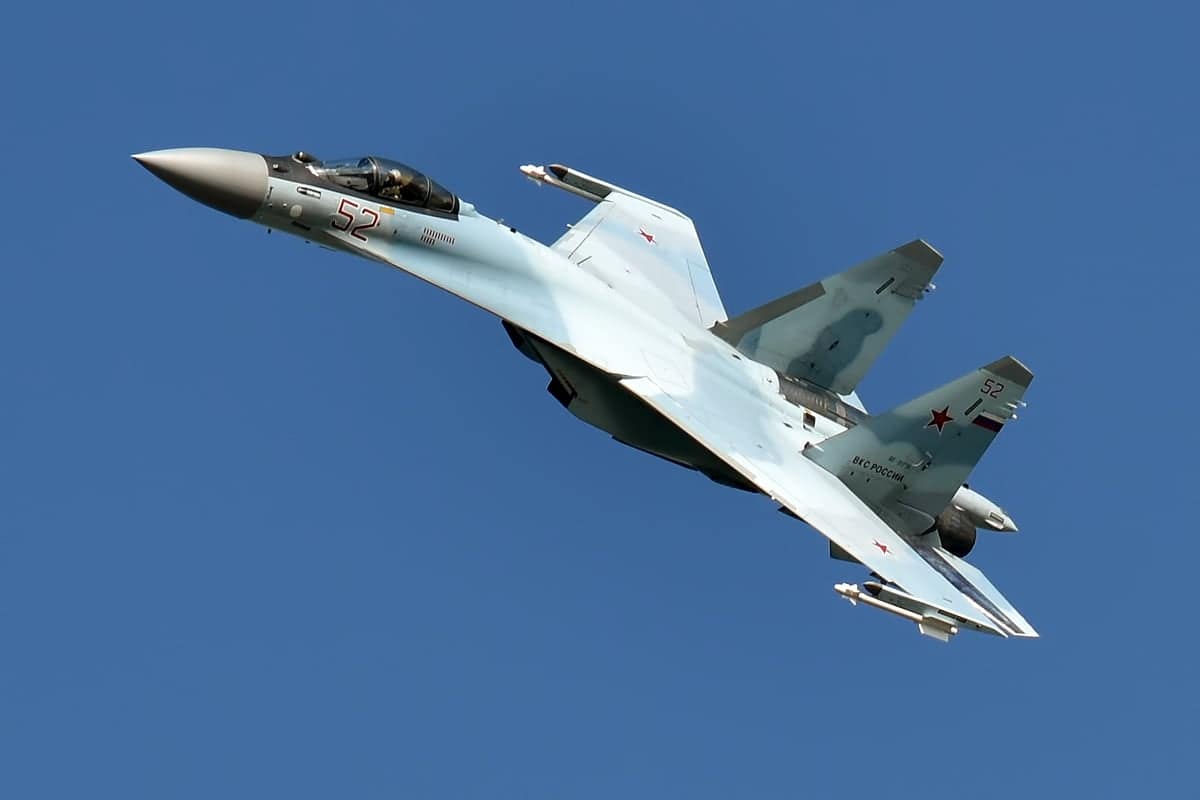
Russian sources say the Su-35S has taken on a new and demanding job over Ukraine: hunting the radars that guide enemy air defences. Footage circulated on 22 August 2026 purports to show an Su-35 launching a Kh-31PM anti-radiation missile at a Ukrainian air-defence radar from roughly 125 kilometres away, and some Russian accounts claim the target belonged to a Patriot battery.
Ukraine has not confirmed the strike, and the exact target is disputed — other reports describe a separate radar station rather than a Patriot component. But the weapon and the mission are real, and both are worth understanding.
Kurzinfo
| Claim date | 22 August 2026 (Russian sources) |
| Platform | Sukhoi Su-35S (Flanker-E) |
| Waffe | Kh-31PM anti-radiation missile |
| Launch range claimed | ~125 km |
| Kh-31PM reach | Reported from tens of km out to ~250 km, by variant and profile |
| Mission | SEAD/DEAD — suppression of enemy air defences |
| Status | Russian claim, unconfirmed by Ukraine |
What the Kh-31PM does
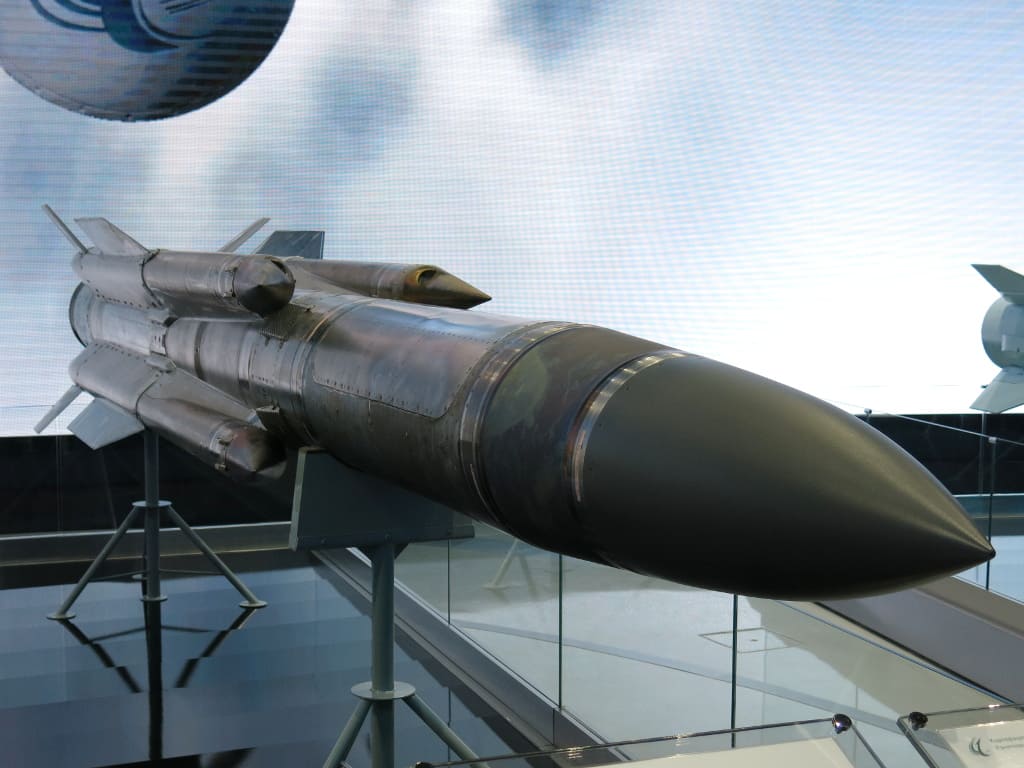
The Kh-31PM is an anti-radiation missile: a passive seeker in its nose listens for the emissions of a ground radar and homes on the source. Because it needs only the radar’s signal, not a visual lock, a launching fighter can fire from well outside the range of the defences it is attacking. That is the essence of a suppression-of-enemy-air-defences, or SEAD, mission — force the radars to switch off or destroy them, and the missiles they guide go blind.
Why it matters now
The timing is the story. Ukraine’s long-range defence against Russian ballistic missiles rests heavily on a small number of Patriot and SAMP/T batteries, and the interceptor missiles they fire are in short supply worldwide. If Russian fighters can threaten the radars from standoff range, they force Ukrainian crews into a hard choice: keep the radar radiating and risk a Kh-31, or shut it down and leave a gap.
Not a one-sided contest
The Su-35 is not invulnerable. In July 2026 a Ukrainian F-16 shot one down near the front line — the first confirmed kill of the type by Ukraine’s Western fighters, and a reminder that pushing a Flanker close enough to launch anti-radar missiles carries its own risks. As with most claims from this war, the picture is best read with both sides’ statements in hand and neither taken as settled fact.
Sources: Military Watch Magazine; Defense Mirror; Defence Security Asia; RUSI (Justin Bronk, 28 July 2026); Defense News.

0 Kommentare