

Kurzinfo: Sea Baby USV
- Typ: Unbemanntes Oberflächenfahrzeug (USV) mit multidomänenfähiger Fähigkeit
- Stückkosten: ~$200,000
- Reichweite: 1.500 km
- Nutzlast: 6–8 FPV-Angriffsdrohnen + thermobarische Raketen
- Anleitung: Fernsteuerung + KI-gestützte autonome Navigation; einige FPV-Drohnen an Bord sind faseroptisch geführt (störungsresistent)
- Geschwindigkeit: 40+ Knoten
- Wichtigste Innovation: Kombinierter Bodenangriff + FPV-Luftangriff von einer einzigen Plattform
Die Technik hinter dem Sea Baby
Die Glasfaser-Steuerung einiger FPV-Drohnen der Sea Baby ist das technische Detail, das sie von herkömmlichen funkgesteuerten Drohnen unterscheidet. Eine hauchdünne Glasfaser rollt sich während des Fluges hinter der Drohne ab und überträgt bidirektionale Daten in Lichtgeschwindigkeit. Der Bediener sieht in Echtzeit, was die Drohne sieht – hochauflösendes Video ohne Verzögerung. Elektronische Störungen, die funkgesteuerte Drohnen durch Rauschen im Frequenzspektrum außer Gefecht setzen, können eine Glasfaserverbindung physikalisch nicht unterbrechen. Das Signal breitet sich durch Glas aus, nicht durch Luft. Das Boot selbst wird von einer mobilen Bodenstation aus ferngesteuert, wobei bei Kommunikationsausfällen eine KI-gestützte Navigation zum Einsatz kommt. Mit rund 1,4 Milliarden Pfund pro Einheit bewegt sich die Sea Baby in einer Kostenklasse, die die traditionelle Kalkulation der Marine auf den Kopf stellt. Ein moderner Seezielflugkörper kostet zwischen 1,4 Millionen und 1,4 Millionen Pfund. Eine Korvette kostet 200–400 Millionen Pfund. Ein Drohnenboot, das vergleichbare Effekte zu zwei Größenordnungen geringeren Kosten erzielt, verändert die Mathematik der Seekriegsführung auf eine Weise, wie es kein einzelnes Waffensystem seit dem Torpedo getan hat.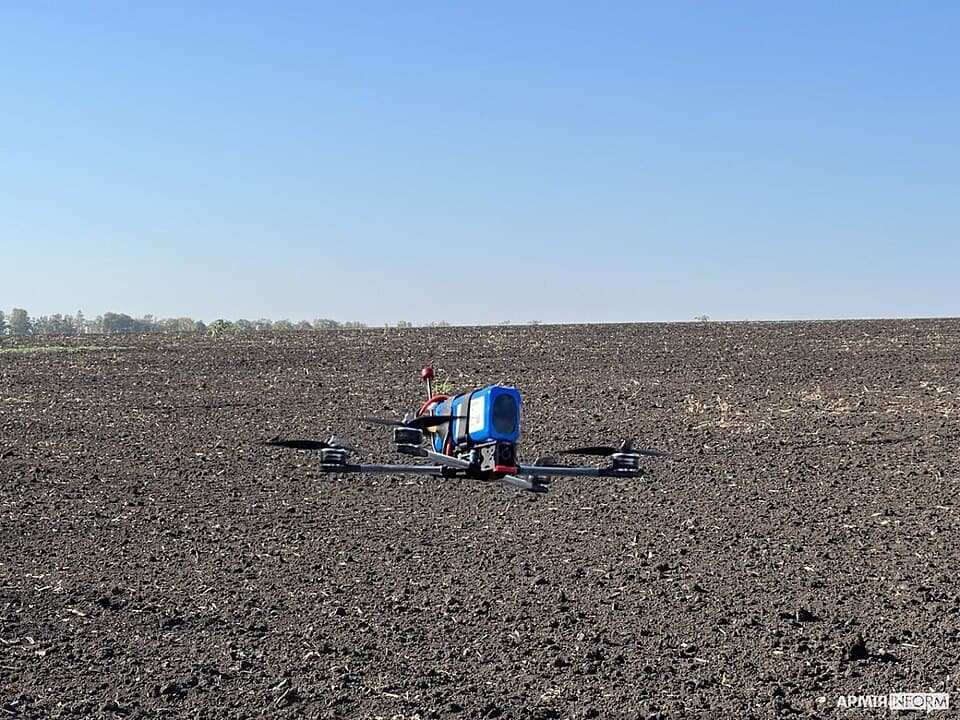
Multidomänenbetrieb mit einem einzigen Rumpf
Die neueste Weiterentwicklung macht die Sea Baby zu einer echten Innovation. Frühere Versionen waren reine Oberflächenangriffsplattformen – schnelle Boote, die Ziele rammten. Die aktuelle Generation verfügt über sechs bis acht FPV-Drohnen in bordeigenen Startfächern, die sich im Angriffsfall öffnen und jeweils unabhängig voneinander steuerbar sind. Sobald die Sea Baby ihr Einsatzgebiet erreicht hat, kann sie die FPVs starten, um Ziele anzugreifen, die das Boot selbst nicht erreichen kann: Hafeninfrastruktur, Fahrzeuge an Land oder Luftziele. Dadurch wird ein Boot der $200.000-Klasse zu einer Plattform für mehrere Einsatzbereiche. Es operiert auf der Wasseroberfläche, seine FPV-Drohnen fliegen in der Luft, und die thermobarischen Raketen ermöglichen Angriffe aus sicherer Entfernung. Ein einzelner Bediener, Hunderte von Kilometern entfernt in einer mobilen Bodenstation mit zwei Bildschirmen, steuert das gesamte System.Marineexperten beschreiben das Konzept als einen Flugzeugträger im Drohnenmaßstab – ein unbemanntes Mutterschiff, das Luftangriffskraft in unmittelbarer Nähe des Ziels liefert, ohne dass sich jemand an Bord befindet.
Was das für die Marinedoktrin bedeutet
Die US-Marine wurde aufmerksam. Beim Manöver Balikatan 2026 auf den Philippinen setzten amerikanische Streitkräfte die Magura V5 – eine verwandte, in der Ukraine entwickelte Marinedrohne – erstmals im Pazifik ein. Die Technologie ist nicht länger experimentell. Sie hat den Sprung vom Machbarkeitsnachweis zur gemeinsamen Erprobung mit der größten Marine der Welt geschafft. Für kleinere Marinen – die Philippinen, die baltischen Staaten, die pazifischen Inselstaaten – stellen Drohnenboote wie die Sea Baby eine Form der Seemacht dar, die zuvor unvorstellbar war. Eine Flotte von 50 Sea Babys kostet rund 1,4 Billionen US-Dollar. Ein einzelnes Patrouillenboot ist teurer. Die Auswirkungen auf die maritime Strategie in stark befahrenen Küstengewässern sind tiefgreifend, und jede Marine der Welt verfolgt diese Entwicklung aufmerksam.Quellen: Naval News, USNI News, Forbes, The War Zone, HI Sutton / Covert Shores
Verwandte Fragen
Was ist das Sea Baby Drohnenboot?
Die Sea Baby ist ein unbemanntes Überwasserfahrzeug – ein ferngesteuertes Angriffsboot –, das sich zu einer multidimensionalen Waffenplattform entwickelt hat. Mit einer Reichweite von 1.500 Kilometern kann sie thermobarische Raketen transportieren und sechs bis acht FPV-Angriffsdrohnen während der Fahrt auf See starten. Sie spiegelt einen breiteren Trend hin zu kostengünstigen Waffensystemen wider. autonome Schwarmkriegsführung.
Was kostet eine Sea Baby Marinedrohne?
Ein unbemanntes Überwasserschiff vom Typ Sea Baby kostet etwa 14.200.000 US-Dollar – einen Bruchteil des Preises eines konventionellen Kriegsschiffs. Dank dieser geringen Kosten können Streitkräfte sie in großer Zahl einsetzen und so auch Armeen, die sich niemals eine Fregatte leisten könnten, Zugang zu fortschrittlichen Seeangriffsfähigkeiten verschaffen.
Was ist ein unbemanntes Oberflächenfahrzeug?
Ein unbemanntes Überwasserfahrzeug (USV) ist ein Boot, das ohne Besatzung an Bord operiert und ferngesteuert oder durch autonome Software gesteuert wird. Militärische USVs wie die Sea Baby tragen Sensoren und Waffen zur Aufklärung und zum Angriff. Sie spielen eine zunehmend zentrale Rolle in der Seekriegsführung und sind Teil desselben Trends, der auch zur Entwicklung der Marine geführt hat. Pentagon will Drohnenaufsicht zentralisieren.
Welche Waffen kann die Sea Baby tragen?
Die Sea Baby kann thermobarische Raketen und bis zu acht FPV-Kampfdrohnen (First-Person-View) in bordeigenen Startfächern transportieren und so Ziele sowohl auf dem Wasser als auch darüber hinaus angreifen. Mit einer Geschwindigkeit von über 40 Knoten und einer Reichweite von 1.500 Kilometern vereint sie effektiv Mutterschiff und Drohnenschwarm in einer kostengünstigen Plattform.
Warum lassen sich Glasfaserdrohnen nur schwer stören?
Glasfasergesteuerte Drohnen nutzen ein dünnes Kabel, das Steuersignale und Videodaten überträgt, anstatt auf Funkverbindungen angewiesen zu sein. Da kein Funksignal abgefangen oder gestört werden kann, sind sie für Systeme der elektronischen Kampfführung unzugänglich. Einige der FPV-Drohnen an Bord der Sea Baby verwenden diese störungsresistente Glasfasersteuerung.
Ähnliche Beiträge
Ghost Bat zieht in den Krieg: MQ-28 feiert Debüt bei Valiant Shield

0 Kommentare