
Kurzinfo
| Bezeichnung | Boeing 2707 (Modell 733-390) |
| Entwurfsgeschwindigkeit | Mach 2,7 (ca. 1.800 mph / 2.900 km/h) |
| Kapazität | 234–300 Passagiere |
| Originaldesign | Schwenkflügel (Modell 733-197) |
| Endgültiges Design | Fester Deltaflügel (Modell 2707-300) |
| Bestellungen | 122 von 26 Fluggesellschaften |
| Staatliche Investitionen | 1 Tsd. 4 Billionen US-Dollar (1971) |
| Abgesagt | März 1971 (Abstimmung im Kongress) |
Das Überschallrennen
Die Geschichte beginnt mit einer Entscheidung des Präsidenten. Im Juni 1963 verkündete Präsident John F. Kennedy, dass die Vereinigten Staaten ein kommerzielles Überschallflugzeug entwickeln würden. Großbritannien und Frankreich bauten bereits die Concorde. Die Sowjets hatten ihre Tupolew Tu-144. Amerika – die Nation, die jeden Flughafen mit Düsenjets ausgestattet hatte und kurz vor der Mondlandung stand – konnte es sich nicht leisten, im Überschallwettlauf ins Hintertreffen zu geraten. Boeing gewann den Regierungsauftrag im Dezember 1966 und setzte sich damit gegen Lockheeds L-2000 durch. Boeings Vorschlag war kühn und ambitioniert: Während die Concorde 100 Passagiere mit Mach 2 befördern sollte, würde die Boeing 2707 fast dreimal so viele Passagiere mit Mach 2,7 befördern. Sie wäre größer, schneller und amerikanischer als alles, was die Europäer bauen konnten.Der Schwenkflügel, der nicht schwenken konnte
Boeings ursprünglicher Entwurf, das Modell 733-197, verfügte über Schwenkflügel mit variabler Geometrie – dasselbe Konzept, das auch bei der F-111 und später bei der F-14 Tomcat. Die Tragflächen sollten für Überschallflüge nach hinten geschwenkt und für effiziente Unterschallflüge und Landungen nach vorne ausgefahren werden. Auf dem Papier war das genial. In der Praxis erwies sich der Mechanismus jedoch als katastrophal schwer. Der Schwenkflügel aus Titan und die Hydrauliksysteme, die für die Bewegung der Tragflächen eines 300-Passagier-Flugzeugs benötigt wurden, erhöhten das Gewicht so stark, dass Reichweite und Nutzlast des Flugzeugs nicht mehr akzeptabel waren. 1968 musste Boeing das Schwenkflügelkonzept daher komplett aufgeben und das Flugzeug als Festdelta-Konfiguration – Modell 2707-300 – neu konstruieren. Dies war ein herber Rückschlag, der jahrelange Entwicklungszeit kostete und das Vertrauen in das Programm untergrub.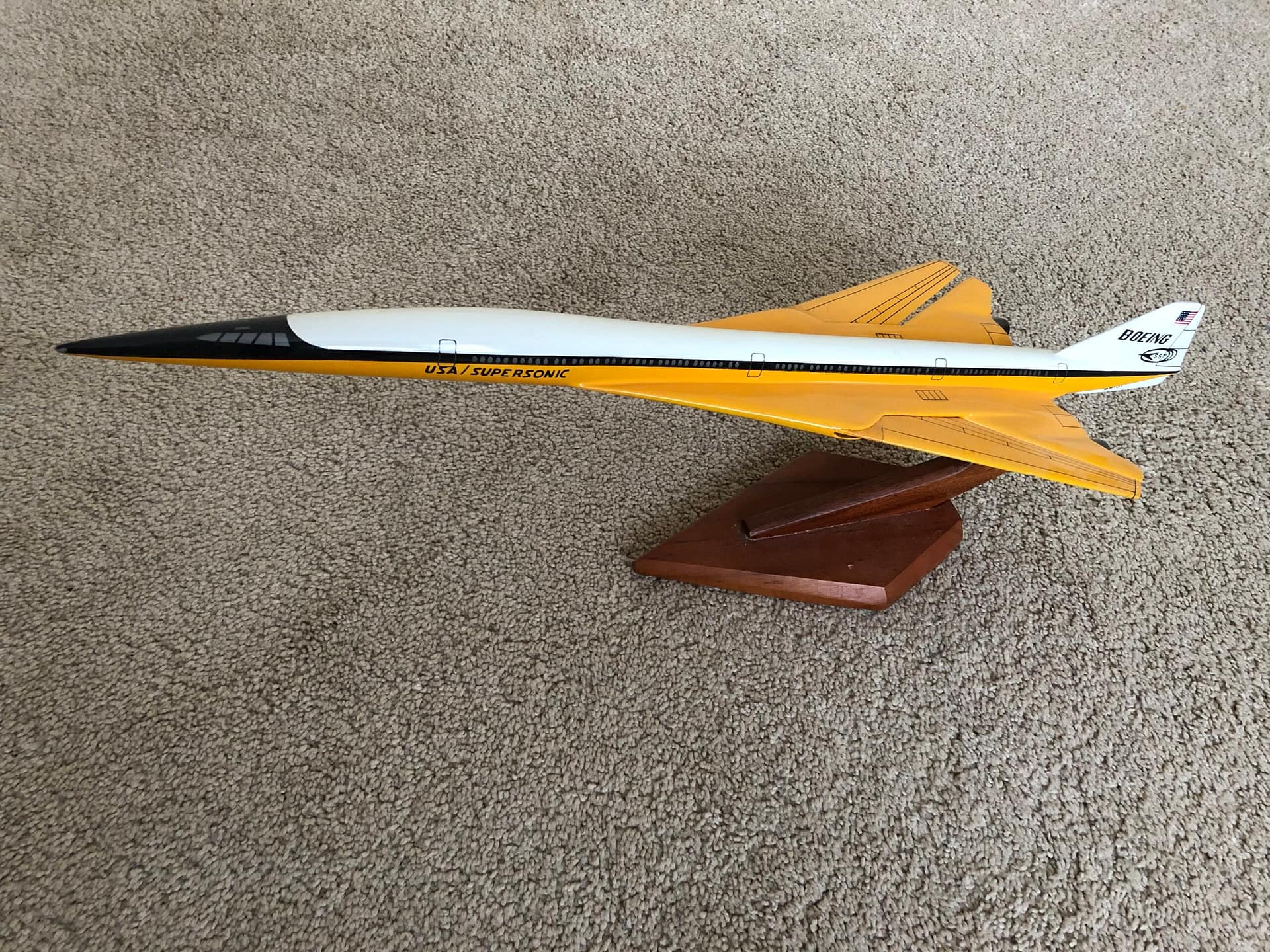
Der Senator, der Überschallknall und das Ozon
Während Boeings Ingenieure mit Aerodynamik und Metallurgie kämpften, wuchs der Widerstand gegen das Überschallflugzeug. Senator William Proxmire aus Wisconsin hatte es sich zur persönlichen Herzensangelegenheit gemacht. Der fiskalpolitische Konservative, der später durch seine "Golden Fleece Awards" zur Aufdeckung von Staatsverschwendung bekannt werden sollte, bezeichnete das Überschallflugzeug als Geldverschwendung, von der wohlhabende Flugreisende auf Kosten der Steuerzahler profitieren würden.Das Was-wäre-wenn-Gedanke, der die Luftfahrt heimsucht
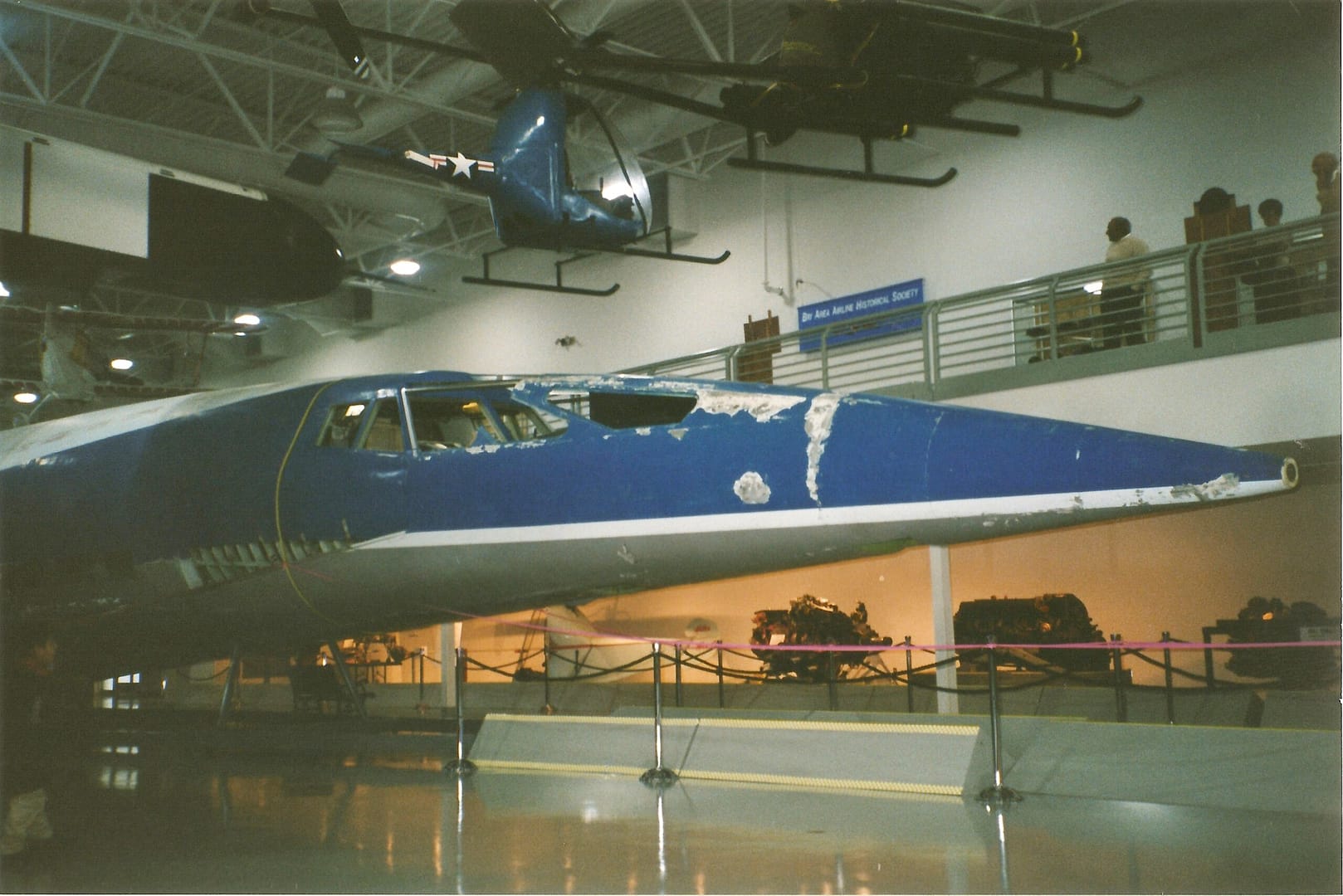
Das Boeing-2707-Programm hinterließ ein maßstabsgetreues Modell, das jahrzehntelang ungenutzt blieb – zunächst auf dem Boeing-Gelände, dann in einem Luftfahrtausstellungszentrum in Kissimmee, Florida; später wurde es demontiert und in Einzelteilen abtransportiert. Der erhaltene vordere Rumpf wird nun in der Nähe von Seattle restauriert. Die vom Bund investierten 1,4 Billionen US-Dollar – umgerechnet etwa 1,4 Billionen US-Dollar im Jahr 2026 – brachten kein flugfähiges Flugzeug hervor. Boeing entließ nach der Einstellung des Programms über 60.000 Mitarbeiter, was zu einer schweren Wirtschaftskrise in der Region Seattle beitrug. In der Nähe des Flughafens wurde eine berühmte Werbetafel aufgestellt: "Wird der letzte Passagier, der Seattle verlässt, das Licht ausmachen?" Hatte der Kongress Recht? Die Concorde, die 1976 in Betrieb ging, bewies, dass Überschallflugzeuge technisch machbar, aber wirtschaftlich wenig rentabel waren. Es wurden nur 14 Serienmaschinen der Concorde gebaut, und obwohl British Airways die Concorde schließlich mit Betriebsgewinn einsetzte, deckte das Programm seine Entwicklungskosten nie. Die Umweltbedenken hinsichtlich Überschallflügen bestehen bis heute, und seit der Außerdienststellung der Concorde im Jahr 2003 ist kein kommerzielles Überschallflugzeug mehr im Einsatz. Doch die Frage bleibt: Hätte Boeing die 2707 mit ihrer größeren Kapazität und Reichweite bauen dürfen, wäre Überschallreisen dann wirtschaftlich rentabel gewesen? Wir werden es nie erfahren. Die von Kennedy erträumte Zukunft mit Mach 2,7, die 26 Fluggesellschaften bestellten und die 300 Passagiere erleben sollten – sie bleibt das größte "Was wäre wenn" in der Geschichte der kommerziellen Luftfahrt.Quellen: Boeing Historical Archives, FAA, Simple Flying, US Senate Records, HistoryLink.org
Verwandte Fragen
Was war die Boeing 2707?
Die Boeing 2707 war Amerikas geplantes Überschallflugzeug, ein 93 Meter langes Passagierflugzeug, das 234 bis 300 Passagiere mit Mach 2,7 befördern sollte – schneller und größer als die Concorde. Es gingen 122 Bestellungen von 26 Fluggesellschaften ein, doch das Projekt wurde im März 1971 durch einen Beschluss des US-Kongresses gestoppt, noch bevor ein einziges Flugzeug gebaut wurde.
Warum wurde Flug Boeing 2707 gestrichen?
Im März 1971 beschloss der US-Kongress die Einstellung der Finanzierung – das erste Mal, dass ein großes Luft- und Raumfahrtprogramm per Abstimmung beendet wurde. Bedenken hinsichtlich der Kosten, der staatlichen Investition von rund 1,4 Billionen US-Dollar und Umweltaspekte waren ausschlaggebend für diese Entscheidung. Kein einziger Niet des Flugzeugs wurde jemals montiert.
Für welche Höchstgeschwindigkeit war die Boeing 2707 ausgelegt?
Es war für eine Reisegeschwindigkeit von Mach 2,7, etwa 2.900 km/h, ausgelegt und damit schneller als die Mach-2-Concorde. Außerdem war es wesentlich größer und sollte bis zu 300 Passagiere in einer geräumigen Kabine befördern.
Warum hat Boeing die Schwenkflügelkonstruktion der 2707 aufgegeben?
Das ursprüngliche Modell 733-197 verwendete Schwenkflügel mit variabler Geometrie wie die F-111 und F-14. Doch der Titan-Drehpunkt und die Hydraulik, die zum Bewegen der für einen 300-Passagier-Jet ausreichend großen Flügel benötigt wurden, erhöhten das Gewicht so stark, dass Reichweite und Nutzlast inakzeptabel wurden, was Boeing zwang, bis 1968 auf einen festen Deltaflügel umzusteigen.
Wie schnitt die Boeing 2707 im Vergleich zur Concorde ab?
Die Boeing 2707 war größer und schneller konzipiert: Sie sollte mit Mach 2,7 fliegen, im Vergleich zu Mach 2 der Concorde, und bis zu 300 Passagiere befördern, fast das Dreifache der Kapazität der Concorde. Die Concorde flog jedoch tatsächlich, während das Projekt der 2707 noch vor Baubeginn eingestellt wurde.
Warum haben sich die USA für den Bau eines Überschalltransporters entschieden?
Im Juni 1963 kündigte Präsident John F. Kennedy an, dass die USA als Reaktion auf die anglo-französische Concorde und die sowjetische Tupolew Tu-144 ein kommerzielles Überschallflugzeug entwickeln würden. Boeing gewann den Regierungsauftrag im Dezember 1966 und setzte sich damit gegen Lockheeds L-2000-Entwurf durch.
Wie viele Bestellungen erhielt die Boeing 2707?
Die Boeing 2707 erhielt 122 Bestellungen von 26 Fluggesellschaften, alle noch bevor es überhaupt Flugzeuge gab. Nachdem der Kongress 1971 die Finanzierung einstellte, wurde keines gebaut.
0 Kommentare