

Verwandt: Warthogs letzter Krieg: A-10s vor der Außerdienststellung im Einsatz
| Flugzeug | Fairchild Republik A-10C Thunderbolt II ("Warzenschwein") |
| Neue Funktion | Sondenbetankungsadapter – wandelt die Betankungsaufnahme der A-10 in eine Sondenbetankungsvorrichtung um |
| Erster erfolgreicher Test | 2. April 2026 – Eine A-10 wurde aus einem C-130-Betankungskorb betankt. |
| Warum das wichtig ist | Erweitert die Betankungsmöglichkeiten im Einsatzgebiet drastisch – A-10-Kampfflugzeuge können nun nicht nur von KC-135 und KC-46, sondern auch von HC-130-Tankflugzeugen betankt werden. |
| Installation | Vom Fluglinienpersonal innerhalb weniger Stunden vor Ort konfigurierbar – keine Wartung auf Depotebene erforderlich |
| Entwickelt von | ARCWERX (Innovationszentrum der Air National Guard/Reserve) mit Fertigungsunterstützung der Luke Air Force Base |

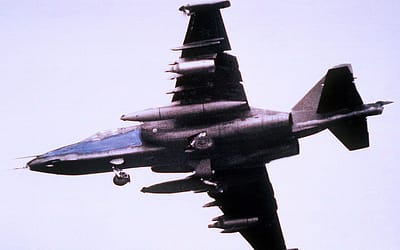
Am 2. April dockte eine A-10C Thunderbolt II an den Betankungskorb einer HC-130 an und nahm Treibstoff auf – etwas, was der 'Warthog' in ihren fünf Jahrzehnten im Dienst noch nie gelungen war. Ein neu entwickelter Sondenbetankungsadapter, der in die vorhandene Auslegeraufnahme an der Nase der A-10 eingebaut wurde, rüstete das Flugzeug innerhalb weniger Stunden von einem reinen Auslegerbetanker zu einem Betanker mit Sonde und Fangkorb um.
Es klingt einfach. Es verändert aber alles an der Einsatzweise der A-10 im Kampf.
Das Problem, das es löst
Die A-10 wurde in den 1970er-Jahren ausschließlich für die Betankung über das fliegende Betankungssystem konzipiert – dieselbe Methode, die auch von den KC-135 Stratotankern und KC-46 Pegasus-Flugzeugen verwendet wird. Dabei fährt ein starres Teleskoprohr vom Tankflugzeug in eine Aufnahme am Empfänger. Das funktioniert hervorragend, wenn große Tankflugzeuge verfügbar sind. Mitten im Kampfeinsatz sind diese jedoch oft nicht vorhanden.
Die vom Air Force Special Operations Command und den Rettungsstaffeln eingesetzten HC-130 Combat King-Flugzeuge verwenden stattdessen das Schlauch-und-Fangkorb-System – einen flexiblen Schlauch mit einem Fangkorb am Ende, in den das aufnehmende Flugzeug hineinfliegen muss. Bislang konnte die A-10 dieses System nicht nutzen. Stand kein mit einem Tankausleger ausgestattetes Flugzeug zur Verfügung, konnte die Warthog nicht betankt werden.
In einem Einsatzgebiet wie dem Persischen Golf, wo die Tankerplanung bereits am Limit ist und jeder KC-135-Einsatz hart umkämpft ist, F-15E, F-35s, Bei den B-1Bs und allen anderen im Bestand befindlichen Empfängerflugzeugen mit Ausleger wurde diese Einschränkung zu einem operativen Engpass.

Innovationen in Kriegszeiten im Eiltempo
Der Adapter wurde als Reaktion auf eine dringende Anforderung des Einsatzkommandos entwickelt – im militärischen Jargon heißt das: "Wir brauchen das dringend." ARCWERX, das Innovationszentrum der Air National Guard und der Air Force Reserve, wickelte die schnelle Auftragsvergabe ab. Die Luke Air Force Base in Arizona fertigte die zugehörige Hardware. Das gesamte Projekt durchlief die Entwicklung vom Konzept bis zum Erstflug in einem Zeitrahmen, der für das normale Beschaffungsverfahren des Pentagons undenkbar wäre.
Die Stärke des Designs liegt in seiner Einfachheit. Der Adapter passt in die vorhandene Luftbetankungsöffnung an der Nase der A-10. Wartungsteams am Flugfeld können ihn mit Standardwerkzeug innerhalb weniger Stunden montieren oder demontieren – ohne Wartungsarbeiten, ohne strukturelle Änderungen, ohne neue Verkabelung. Je nach Verfügbarkeit der Tankflugzeuge kann ein Geschwader einige Jets für die Betankung mit dem Betankungsausleger und andere für die Betankung mit Fangtrichter konfigurieren.
Alter Hund, letzter Trick
Der Zeitpunkt hat etwas Poetisches. A-10-Einheiten der Air National Guard aus Idaho und Michigan wurden in den Nahen Osten verlegt – in dem, was allgemein als der letzte Einsatz der A-10 gilt. Die Flugzeugzelle soll offiziell ausgemustert werden, ihre Ablösung durch die F-35 ist nur noch eine Frage der Zeit. Und doch: 50 Jahre nach ihrem Erstflug erlangt sie Fähigkeiten, die sie flexibler und überlebensfähiger im Kampf machen als je zuvor.
Für die A-10-Community ist der Sondenadapter mehr als nur ein Hardwareteil. Er beweist, dass der Jet seinen Platz auf dem Vorfeld weiterhin verdient – nicht durch politische Lobbyarbeit oder den Schutz des Kongresses, sondern durch seine operativen Leistungen. Die A-10 war schon immer das Flugzeug, das mit weniger Aufwand mehr erreicht. Auch in ihrem letzten Einsatz beweist sie dies immer wieder aufs Neue.
Quellen: The Aviationist, AATC Public Affairs, Air & Space Forces Magazine
Verwandte Fragen
Was ist die A-10 Thunderbolt II?
Die A-10 Thunderbolt II ist ein Kampfflugzeug der US-Luftwaffe zur Luftnahunterstützung, Spitzname "Warzenschwein", dessen Konstruktion auf der gewaltigen 30-mm-Kanone GAU-8 Avenger basiert. Sie wurde in den 1970er-Jahren in Dienst gestellt und ist für Tiefflüge mit geringer Geschwindigkeit über dem Schlachtfeld ausgelegt, um Beschädigungen zu absorbieren und Bodentruppen zu schützen. Auch rund 50 Jahre später ist sie noch immer im Fronteinsatz.
Warum wird die A-10 auch Warzenschwein genannt?
Die A-10 erhielt aufgrund ihres plumpen, ungelenken Aussehens und ihrer aggressiven Bodenangriffsmission den Spitznamen "Warzenschwein", oft kurz "Hog" genannt. Der Name wurde zu einem Ehrenzeichen unter Piloten und Bodentruppen, die die Robustheit des Flugzeugs und seine verheerende Kanone mehr schätzten als sein elegantes Äußeres.
Was ist Luftbetankung mittels Sonde-und-Trichter-Verfahren?
Die Betankung per Sonde und Fangtrichter ist eines der beiden wichtigsten Luftbetankungsverfahren: Das Tankflugzeug zieht einen flexiblen Schlauch mit einem korbförmigen Fangtrichter hinter sich her, in den das empfangende Flugzeug eine fest installierte Sonde einführt. Dieses Verfahren unterscheidet sich von dem starren Betankungsarm, den die US-Luftwaffe traditionell verwendet, wie in diesem Leitfaden erläutert wird. Wie die Luftbetankung funktioniert.
Worin besteht der Unterschied zwischen der Betankung mit einem Betankungsrohr und der Betankung mit einem Betankungsschlauch.
Beim fliegenden Tankausleger steuert ein Bediener auf dem Tankflugzeug ein starres Teleskoprohr in eine Aufnahme am Empfangsflugzeug, was hohe Treibstofftransferraten ermöglicht. Beim Sonden- und Fangkorbverfahren fliegt der Pilot des Empfangsflugzeugs eine Sonde in einen Schleppkorb. Ein neuer Adapter ermöglicht es der A-10, beide Systeme zu nutzen; die beiden Methoden werden in diesem Artikel detailliert verglichen. Ausleger- versus Sonden- und Fangtrichterbetankung.
Wird die A-10 Warthog außer Dienst gestellt?
Die US-Luftwaffe strebt seit Langem die Ausmusterung der A-10 an, um Mittel für neuere Flugzeuge freizusetzen, und die Flotte wird schrittweise reduziert. Ihre Bedeutung für die Luftnahunterstützung hat ihr jedoch immer wieder Gnadenfristen eingebracht – eine Geschichte, die in dem Artikel über die A-10 erzählt wird. Das Warzenschwein entzog sich immer wieder dem Ruhestand.. Neue Verbesserungen wie die Betankung mittels Sonde und Fangtrichter spiegeln den anhaltenden Einsatz an vorderster Front wider.
Welche Tankflugzeuge können die A-10 betanken?
Traditionell wurde die A-10 nur von Tankflugzeugen mit Betankungsanlage wie der KC-135 und der KC-46 betankt. Ein neuer, im Feld installierbarer Sondenbetankungsadapter, der erstmals im April 2026 erfolgreich getestet wurde, ermöglicht es der A-10 Warthog nun auch, Treibstoff von Tankflugzeugen mit Sonden- und Fangtrichterbetankung wie der HC-130 zu erhalten, wodurch sich ihre Einsatzmöglichkeiten erheblich erweitern.
0 Kommentare