
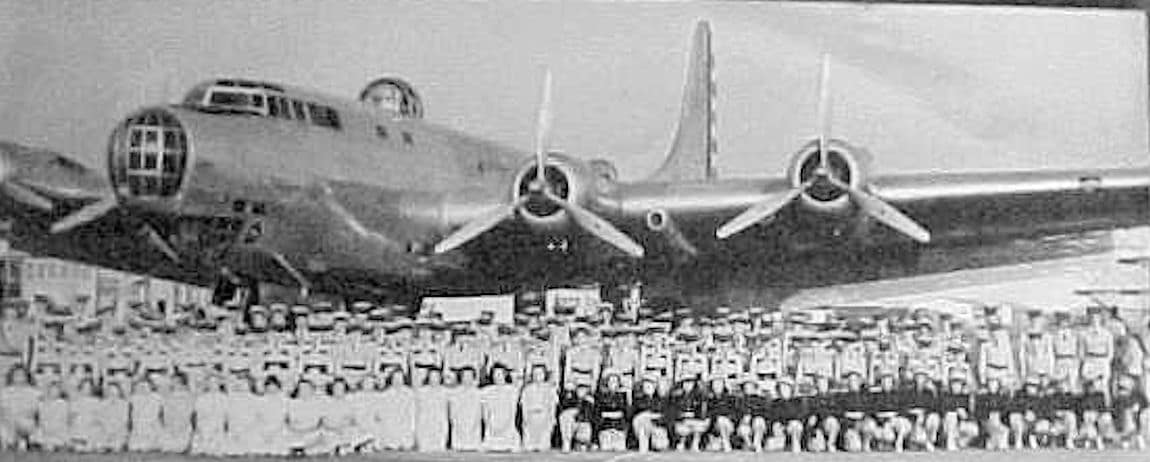
In June 1941 the United States rolled out a bomber so large that a B-17 could have parked under one of its wings. The Douglas XB-19 spanned 212 feet, carried sleeping bunks and a kitchen for its relief crew, and was, for a time, the largest aircraft ever to fly in America. It was also, by almost any practical measure, a failure. Both facts are true, and both are the point.
The XB-19 was never really meant to fight. It was a flying laboratory, a deliberate experiment in how to build something enormous, and the lessons it taught made the bombers that followed possible. Only one was ever built. It flew for eight years, hauled cargo through the war, and was quietly cut up for scrap in 1949.
Datos rápidos
| Aeronave | Douglas XB-19 |
| Tipo | Experimental heavy bomber / flying laboratory |
| Primer vuelo | 27 June 1941 (a 56-minute maiden flight) |
| Envergadura | 212 ft (65 m) |
| Length | 132 ft (40 m) |
| Motores | Four Wright R-3350 radials (later re-engined as the XB-19A) |
| Construido | Uno |
| Creature comforts | Sleeping bunks and a galley for the relief crew |
| Destino | Wartime cargo hauler; scrapped at Tucson in 1949 |
Ordered Big, Delivered Late
The story began in the mid-1930s, when the U.S. Army Air Corps wanted to know whether a genuinely intercontinental bomber was even buildable. Douglas won the contract to find out. But the project dragged on for years as the design ballooned in size and complexity, and by the time the XB-19 finally lumbered into the air on 27 June 1941, the aviation world had moved on around it.
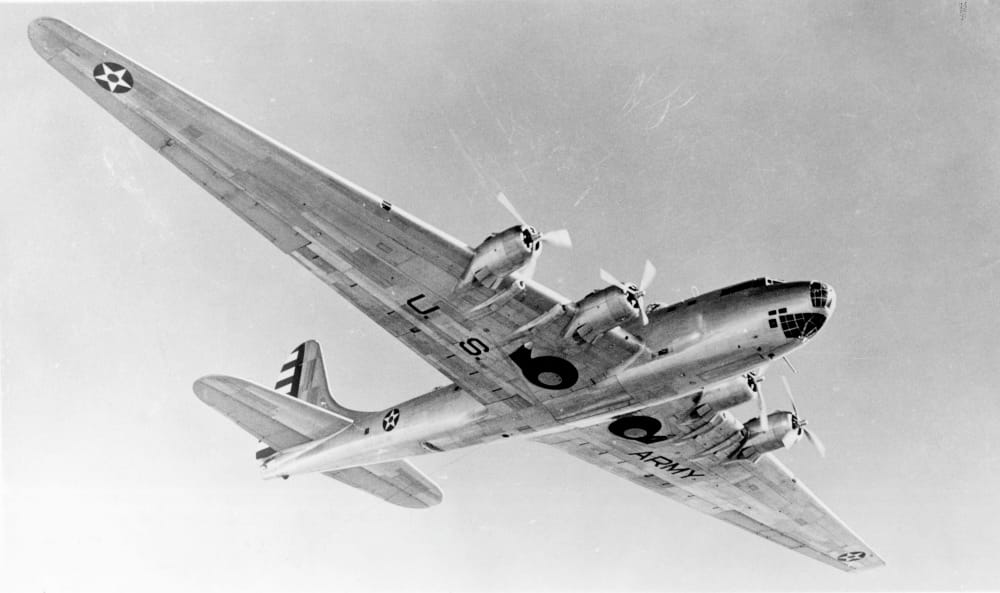
The press loved it. The public loved it. Here was a machine that made every other aeroplane look small, a symbol of American industrial muscle at exactly the moment the country needed one. What the headlines glossed over was that the XB-19 was already obsolete.
Too Big, Too Slow, Too Late
The trouble was simple physics and simpler timing. The XB-19 was heavy, underpowered for its size, and slow, and the engines available in 1941 could not give a machine that large the performance a combat bomber needed. Even a later re-engining with more powerful Allison V-3420 units, which turned it into the XB-19A, could not rescue its usefulness as a weapon.
The Value of a Magnificent Failure
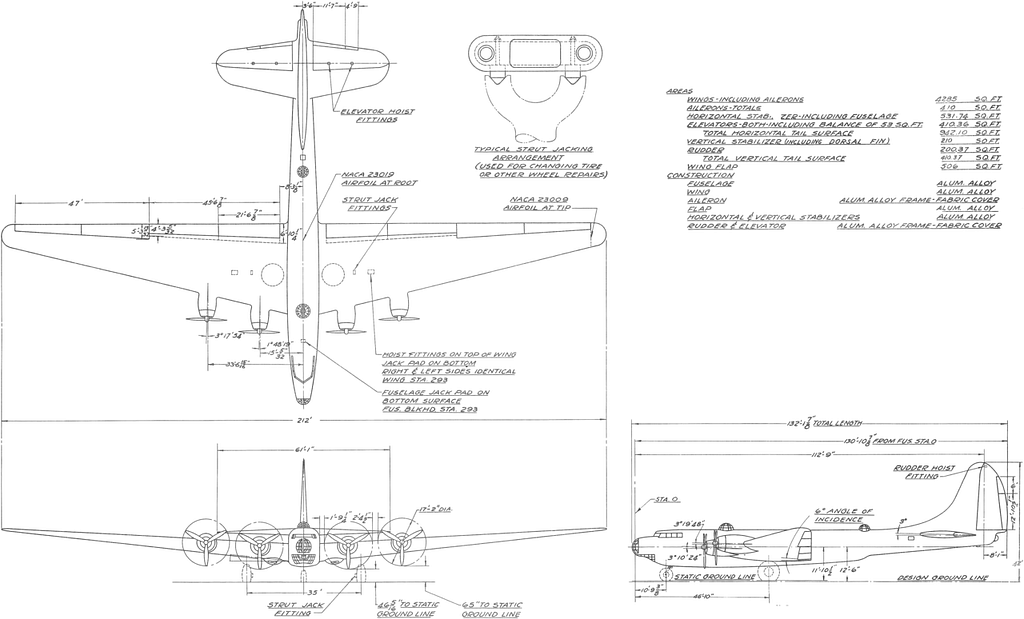
And yet calling the XB-19 a failure misses what it was for. Douglas and the Army treated it as a research aircraft, a full-scale test rig for the structures, systems and manufacturing techniques that building a very large aeroplane demands. The knowledge gathered from that single giant fed directly into the aircraft that mattered: the B-29 Superfortress and, after the war, the enormous B-36.
During the war the XB-19 earned its keep as a heavy transport, ferrying cargo that few other aircraft could carry. Then, its lessons long since absorbed, it was flown to Tucson and scrapped in 1949. No example survives. What survives is everything it taught, quietly, about how to make big aircraft fly.
The XB-19 is a reminder that in engineering, a dead end explored thoroughly is not wasted effort. Someone had to build the too-big, too-slow, too-late bomber first, so that the ones that came after could be built right. It failed at being a weapon. It succeeded, completely, at being a lesson.
Sources: HistoryNet; Wikipedia; This Day in Aviation; Goleta Air and Space Museum. Period headline as reported in the U.S. press, June 1941.


0 Comentarios