
Datos rápidos
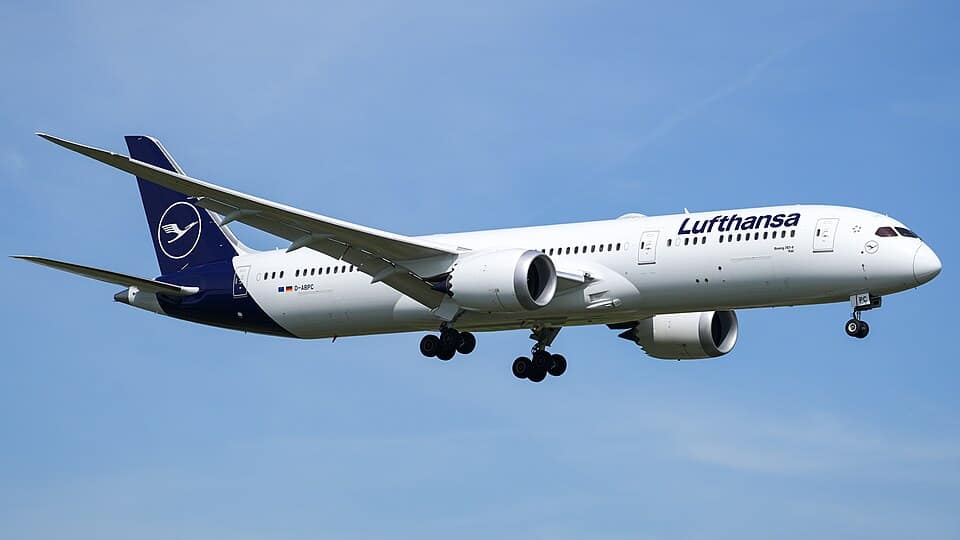
- Aeronave: Boeing 787-9 de Lufthansa (D-ABPQ, llamado "Herne")
- Entregado: Enero de 2026 — menor de 4 meses de edad en el momento del incidente.
- Ubicación: Puerta de embarque, Aeropuerto de Frankfurt (FRA)
- Fecha: 4 de junio de 2026, aproximadamente a las 12:45 hora local.
- Lesiones: Dos tripulantes de cabina y varios empleados de tierra; ningún pasajero a bordo.
- Investigando: BFU (Oficina Federal Alemana de Investigación de Accidentes Aéreos)
- Participación de Boeing: Proporcionar datos del sistema de monitorización, lecturas hidráulicas y de sensores.
Lo que la BFU está investigando
La investigación abarca cuatro áreas principales. Primero, registros de mantenimiento: ¿se le dio el mantenimiento adecuado al tren de aterrizaje delantero desde su entrega y se cumplieron todos los requisitos de inspección posteriores a la entrega? Segundo, integridad estructural: ¿existe algún defecto de fabricación en el conjunto del tren de aterrizaje delantero o en sus puntos de fijación? Tercero, datos hidráulicos y de sensores de los sistemas de monitoreo a bordo de Boeing: ¿se soltaron inesperadamente los bloqueos hidráulicos del tren de aterrizaje y, de ser así, por qué? Cuarto, procedimientos en tierra: ¿se estaba realizando alguna maniobra en la aeronave en ese momento (retroceso, remolque, carga) que pudiera haber ejercido una tensión inusual sobre el tren de aterrizaje delantero?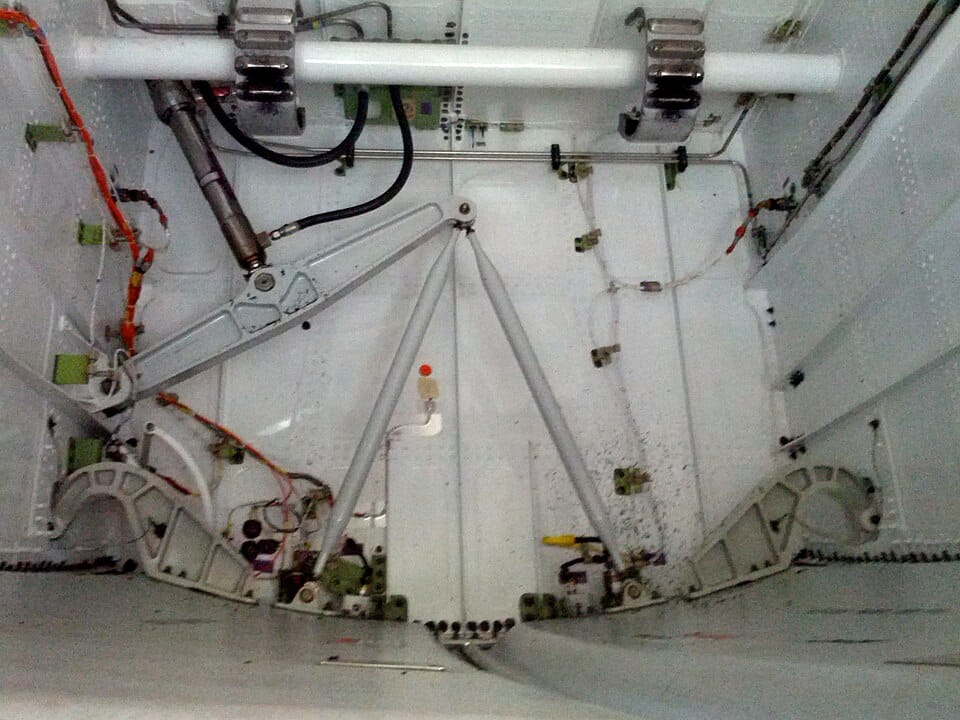
Mayor escrutinio sobre Boeing
Este incidente agrava un periodo difícil para Boeing. El fabricante ha estado bajo un intenso escrutinio en materia de control de calidad desde la rotura del tapón de la puerta del 737 MAX 9 de Alaska Airlines en enero de 2024 y los subsiguientes problemas de producción. Si bien el programa 787 no ha estado vinculado a los problemas del MAX, cualquier fallo estructural en un avión de fuselaje ancho prácticamente nuevo inevitablemente plantea interrogantes sobre los estándares de fabricación en toda la línea de productos de Boeing.¿Qué sucede después?
La investigación de la BFU durará meses. Los resultados preliminares podrían conocerse antes si se identifica una causa mecánica clara: un actuador hidráulico averiado, un pasador de bloqueo defectuoso o un sensor defectuoso. Si la causa apunta a un problema de fabricación o diseño, Boeing podría enfrentarse a una directiva de aeronavegabilidad que exigiría inspecciones en toda la flota mundial del 787. Si se demuestra que es un incidente aislado o relacionado con el mantenimiento, las consecuencias serán controladas. En cualquier caso, la imagen de un Dreamliner nuevo volcado en Frankfurt no es algo que Boeing ni Lufthansa olviden fácilmente. La investigación determinará si se trató de un hecho aislado o de una señal de advertencia. Fuentes: ABC News, Aviation A2Z, Aviation24.be, Travel and Tour WorldPreguntas relacionadas
¿Qué le ocurrió al Boeing 787 de Lufthansa en Frankfurt?
El 4 de junio de 2026, un Boeing 787-9 Dreamliner de Lufthansa, prácticamente nuevo y llamado Herne, sufrió el colapso del tren de aterrizaje delantero mientras estaba estacionado en una puerta de embarque del aeropuerto de Frankfurt, inclinándose hacia adelante sobre su morro alrededor de las 12:45 hora local. No había pasajeros a bordo; dos miembros de la tripulación de cabina y varios empleados de tierra resultaron heridos.
¿Qué antigüedad tenía el Boeing 787 de Lufthansa que se estrelló?
El avión, con matrícula D-ABPQ, fue entregado a Lufthansa en enero de 2026 y entró en servicio de largo recorrido en febrero con la cabina Allegris, el modelo insignia de la aerolínea. Llevaba menos de cuatro meses volando cuando falló su tren de aterrizaje delantero, algo inusualmente pronto para un problema estructural tan grave.
¿Quién está investigando el colapso del tren de aterrizaje delantero del Boeing 787 de Lufthansa?
La Oficina Federal de Investigación de Accidentes Aéreos (BFU) de Alemania inició una investigación formal. Boeing está proporcionando datos de los sistemas de monitoreo a bordo de la aeronave, incluidas lecturas hidráulicas y de sensores. Las investigaciones formales como esta se asemejan al proceso estructurado utilizado por organismos como el NTSB de EE. UU..
¿Qué es lo que está investigando la BFU?
La BFU está examinando cuatro áreas principales: los registros de mantenimiento y si el tren de aterrizaje delantero recibió el mantenimiento adecuado desde su entrega; la integridad estructural y cualquier defecto de fabricación en el tren de aterrizaje o sus puntos de fijación; los datos hidráulicos y de sensores de los sistemas de monitoreo de Boeing; y los procedimientos del personal de tierra en el momento del colapso.
¿Qué es el Boeing 787 Dreamliner?
El Boeing 787 Dreamliner es un avión de fuselaje ancho de largo recorrido, moderno y de bajo consumo de combustible, construido en gran parte con materiales compuestos. Lufthansa lo opera con su nueva cabina premium Allegris. Al igual que otros aviones comerciales actuales, comparte una forma bastante similar con sus rivales, parte de ¿Por qué los aviones modernos se parecen tanto?.
Publicaciones relacionadas
El flamante Lufthansa 787 cae de bruces.
Qué desafortunado incidente para Boeing y Lufthansa. Rezo para que todos los tripulantes y el personal herido en este lamentable suceso se recuperen por completo y puedan volver a trabajar pronto.