
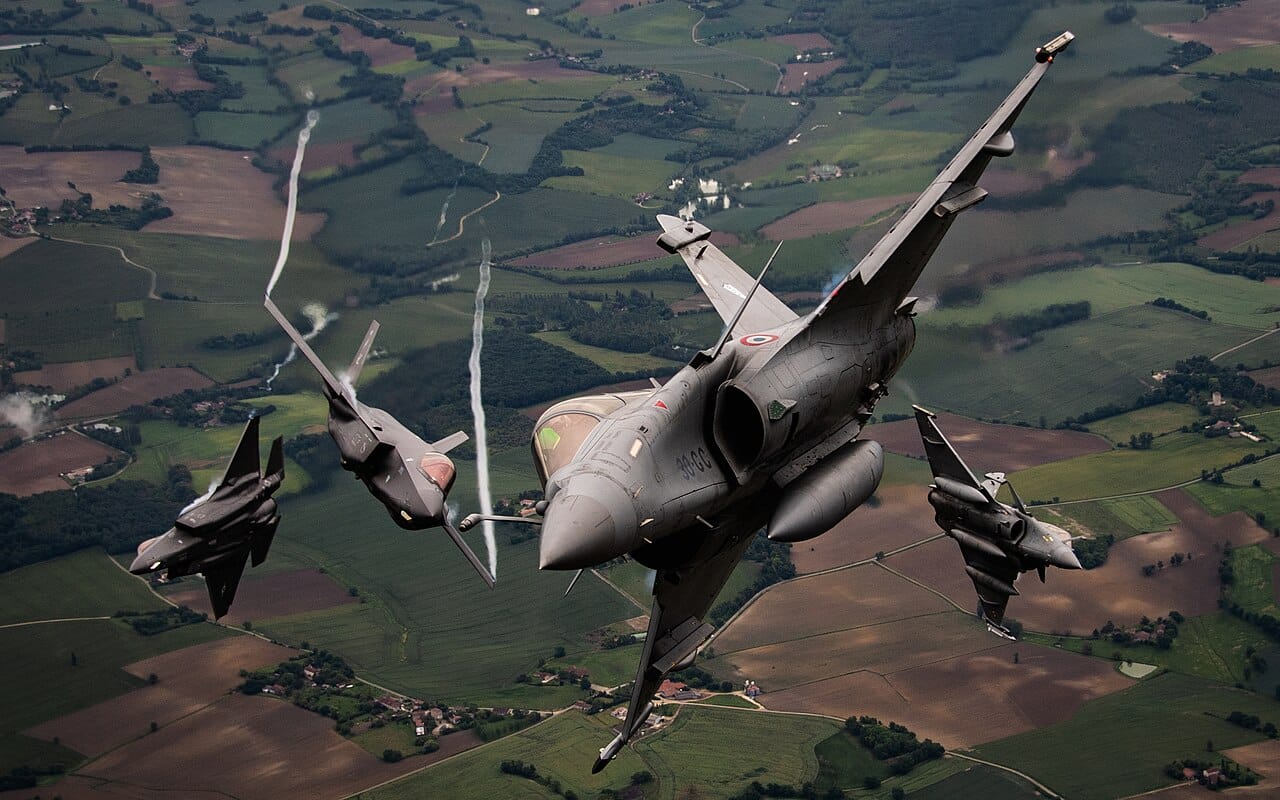
For three-quarters of a century, European security rested on a single quiet assumption: if the sky over the continent ever caught fire, American airpower would arrive to put it out. At this month’s NATO summit, the alliance’s top commander made clear that the assumption now carries an asterisk.
General Alexus Grynkewich, the U.S. Air Force officer who serves as NATO’s Supreme Allied Commander Europe, confirmed that Washington is “rightsizing” what it commits to the alliance’s war plans — and that the reductions fall on precisely the capabilities Europe has leaned on America to supply: air and maritime power.
The message to Europe and Canada was blunt. Fill the gaps yourselves.
Quick Facts
| Who | Gen. Alexus Grynkewich, NATO Supreme Allied Commander Europe |
| What | The U.S. is reducing its NATO Force Model contributions — air and maritime capabilities |
| Detail | Specific cuts are classified; only the categories have been disclosed |
| Europe’s response | Allies have reportedly backfilled almost all identified gaps |
| Still thin | Strategic enablers — ISR, aerial refuelling, SEAD, heavy airlift |
| Where | NATO summit, July 2026 |
The Asterisk
Grynkewich was careful, and pointed. The details of what has changed in the NATO Force Model — the catalogue of forces allies pledge to the alliance’s defence plans — are secret. The direction is not.

The shift reflects a hard strategic reality rather than a fit of pique. The United States is planning for the possibility of a simultaneous crisis in the Indo-Pacific, and it no longer wishes to promise Europe forces it might need on the other side of the world. For a continent that spent the Cold War treating American airpower as a fixed feature of the landscape, that is a profound adjustment.
Backfilling the Sky
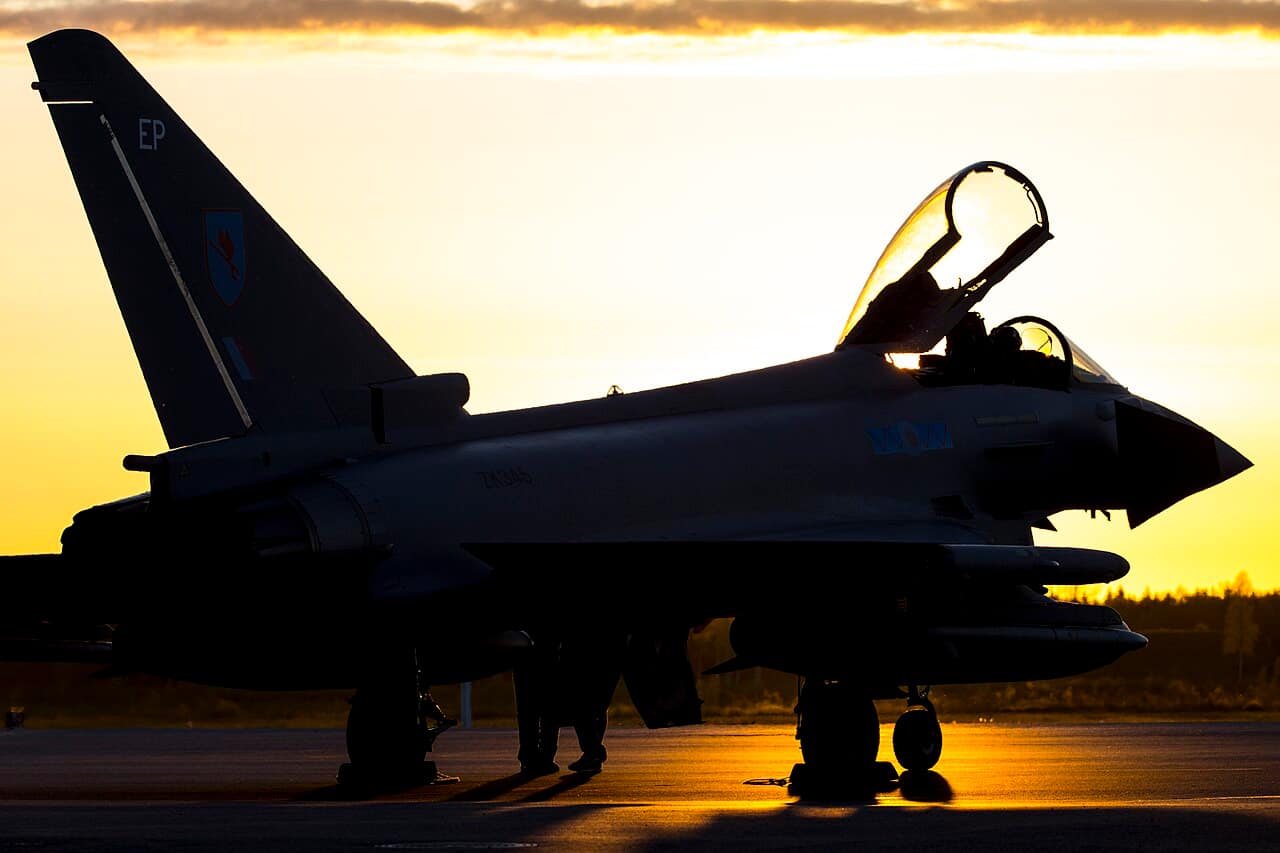
The encouraging news, delivered at the same summit, is that Europe is rising to it. NATO officials indicated that allies have already backfilled almost all of the gaps left by the American drawdown — a striking claim given how recently European air forces were dismissed as hollow. Baltic Air Policing has for years been flown largely by European Typhoons, Rafales and Gripens; the continent now fields hundreds of modern fighters and a growing fleet of F-35s from Britain to Finland.
Yet fighters are the visible part. The harder gaps are the unglamorous enablers that only the United States has fielded at scale: airborne early warning, electronic attack, the suppression of enemy air defences, aerial refuelling and strategic airlift. A Rafale is a superb aircraft; it still needs a tanker to reach the fight and an AWACS to see it. Those are the capabilities Europe must now buy in depth, not merely borrow.
Grynkewich framed the change not as abandonment but as candour.
A survey of how European air forces might reorganise to stand on their own.
A More Honest Alliance
There is a case that this is healthier than the arrangement it replaces. A plan that assumes reinforcements which may never come is not a plan; it is a hope. By stating plainly what it will and will not guarantee, Washington forces European capitals to confront the true cost of their own defence — and, so far, they appear willing to pay it.
The sky over Europe is still, for now, an allied sky. The difference is that Europeans are being asked to hold it themselves, with American help as a reinforcement rather than a certainty. Whether the continent can build the tankers, radars and jammers to match its growing fleets of fighters is the question that will define NATO airpower for the rest of the decade.
Sources: Air & Space Forces Magazine; Defense News; The Washington Post; U.S. European Command.
Related Posts
0 Comentarios