
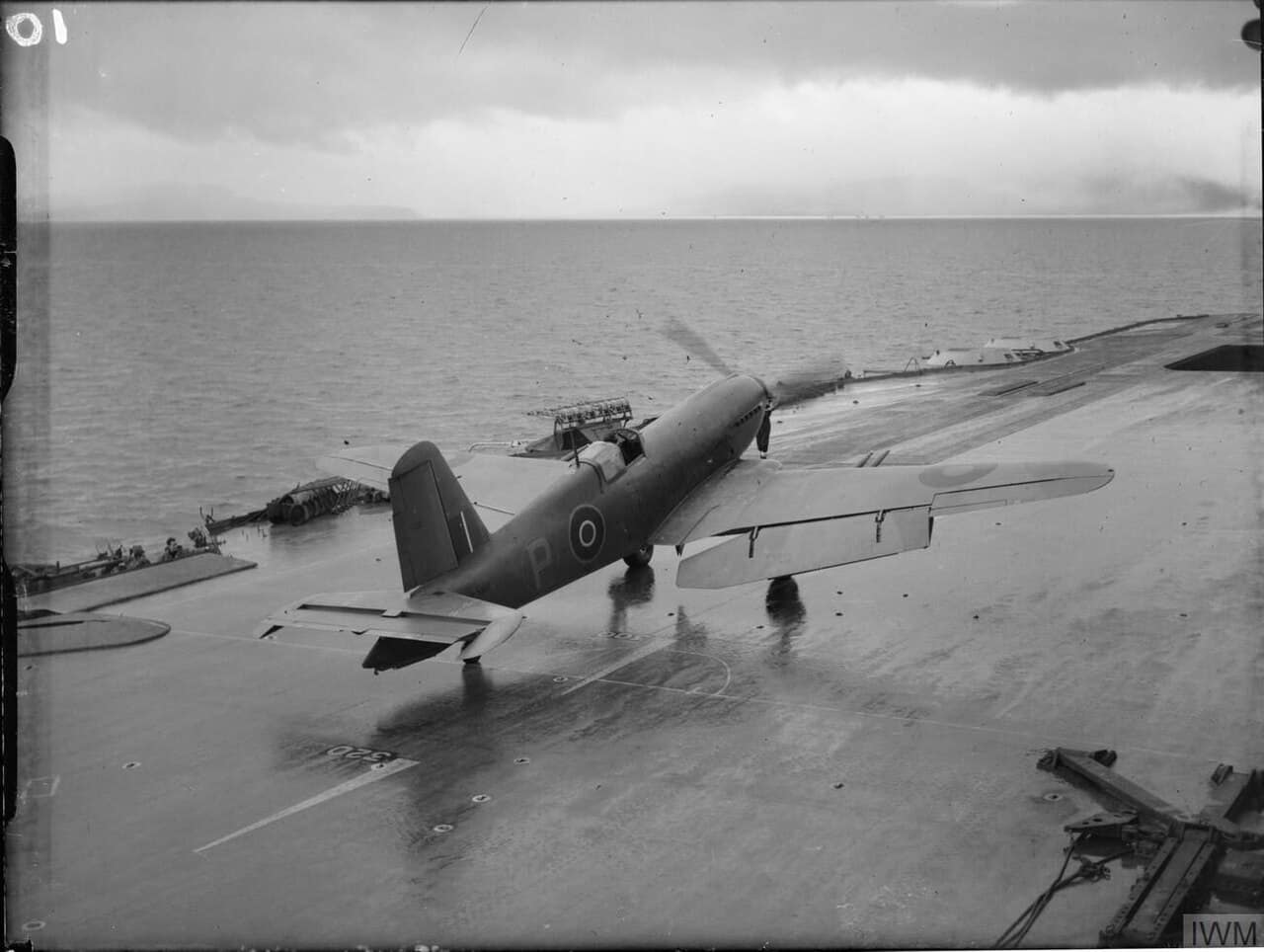
Some aircraft are remembered for a great victory. The Blackburn Firebrand is remembered for missing the war entirely. Conceived as a naval fighter, rebuilt as a torpedo carrier, and delivered only after the guns fell silent in 1945, it is one of British aviation's most complete cautionary tales — a big, powerful, thoroughly unloved machine that never fired a shot in anger.
It was not for want of muscle. The Firebrand had one of the most powerful engines Britain could bolt to a naval aircraft. The problem was everything around it.
Datos rápidos
- Fabricante: Blackburn Aircraft
- Primer vuelo: 27 February 1942
- Role: Fleet Air Arm single-seat naval strike fighter (torpedo carrier)
- Motor: designed for the Napier Sabre; reworked around the Bristol Centaurus radial
- Construido: about 220
- Entrada de servicio: September 1945 — too late for the Second World War
- Reputación: heavy, poor low-speed handling, dreadful view over the nose for deck landings
- Jubilado: front-line withdrawal 1953
A fighter that lost its engine
Blackburn designed the Firebrand in 1940 as a fast carrier interceptor built around the mighty Napier Sabre. Then reality intervened: every Sabre engine Britain could make was needed for the Hawker Typhoon, which was actually fighting. The Firebrand was left without a powerplant.
The fix was to rebuild it around the big Bristol Centaurus radial and repurpose it entirely — from nimble interceptor to heavy single-seat torpedo striker. That is a bit like being told your sports car is now a delivery van. The airframe never really recovered its sense of purpose.
Terrible where it mattered most
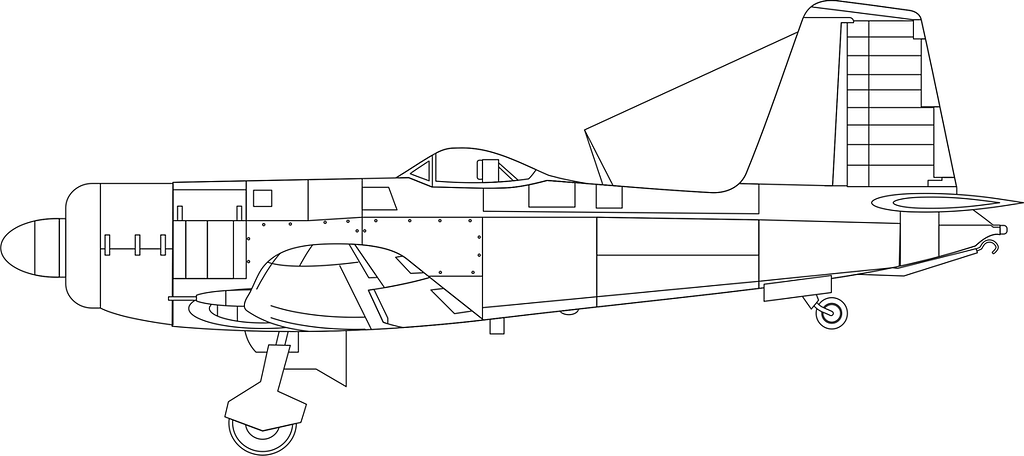
For a carrier aircraft, the two things that matter most are handling at low speed and the pilot's view over the nose during a deck landing. The Firebrand was poor at the first and awful at the second. Its long nose and heavy controls made bringing it back aboard a pitching flight deck a genuinely dangerous business.
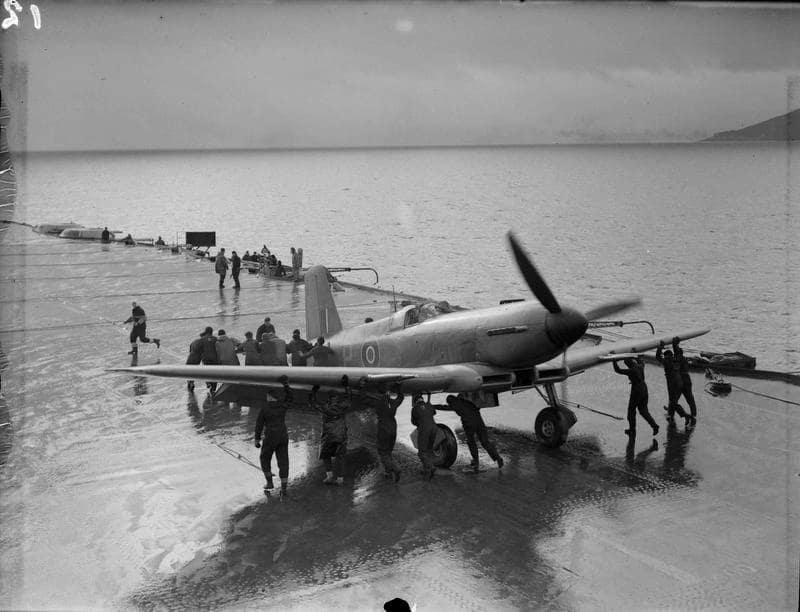
The first squadron received its Firebrands on 1 September 1945 — the day after Japan's formal surrender was being arranged, and far too late to matter. The type served briefly aboard carriers like HMS Eagle before the Fleet Air Arm quietly replaced it with the Westland Wyvern in 1953.
The lesson of the Firebrand
The Firebrand's failure was not really Blackburn's fault alone. It was the story of a wartime programme overtaken by events: an engine reassigned, a role rewritten, a schedule that slipped past the very war it was meant to fight. It is a reminder that in aircraft development, timing can matter as much as talent — and that a powerful engine cannot save an aircraft that arrives too late and handles too badly.
Sources: Wikipedia; Vintage Aviation News; Capt. Eric Brown, "Wings of the Navy" / Air International (July 1978).
Publicaciones relacionadas
Un segundo B-52 se hace cargo de la problemática prueba de radar.
0 Comentarios