
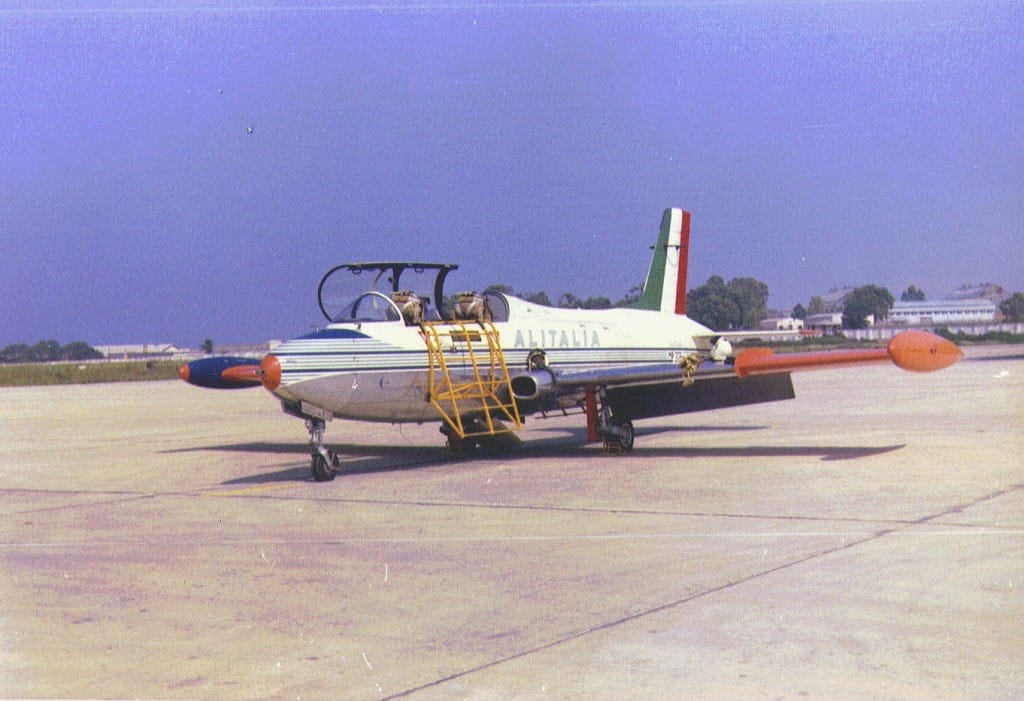
In the mid-1950s, a defeated and rebuilding Italy could not afford to chase supersonic fighters. So one Macchi engineer, Ermanno Bazzocchi, aimed lower and smarter. His compact single-engine trainer would go on to fly in the colours of more than ten air forces and be built on three continents. That aircraft was the Aermacchi MB-326.
One engine, one clever idea
Bazzocchi's design was a robust, cheap, all-metal machine built around a single Armstrong Siddeley Viper turbojet, an engine originally conceived for throwaway target drones that proved far more capable than anyone expected. The first prototype flew on 10 December 1957, and the type entered Italian Air Force service in February 1962.
DATOS RÁPIDOS
| Tipo | Two-seat jet trainer / light attack |
| Primer vuelo | 10 December 1957 |
| Central eléctrica | 1 x Rolls-Royce (Bristol Siddeley) Viper turbojet |
| Velocidad máxima | 867 km/h (539 mph) |
| Número construido | About 800 (1961-1975) |
| Licence-built in | Australia, Brazil, South Africa |
| Destino | Widely exported; some still in limited use |
The pitch was all-through jet training: a single aircraft that could take a cadet from first jet flight to near combat readiness. In practice many operators found an all-jet fleet expensive, and the MB-326 settled into its best role as a lead-in trainer preparing pilots for high-performance fighters. It even set an altitude record of 56,807 feet in 1966.
Where it truly excelled was export. Roughly 800 were built, and Brazil became the biggest customer, with Embraer producing it locally as the EMB-326 Xavante.
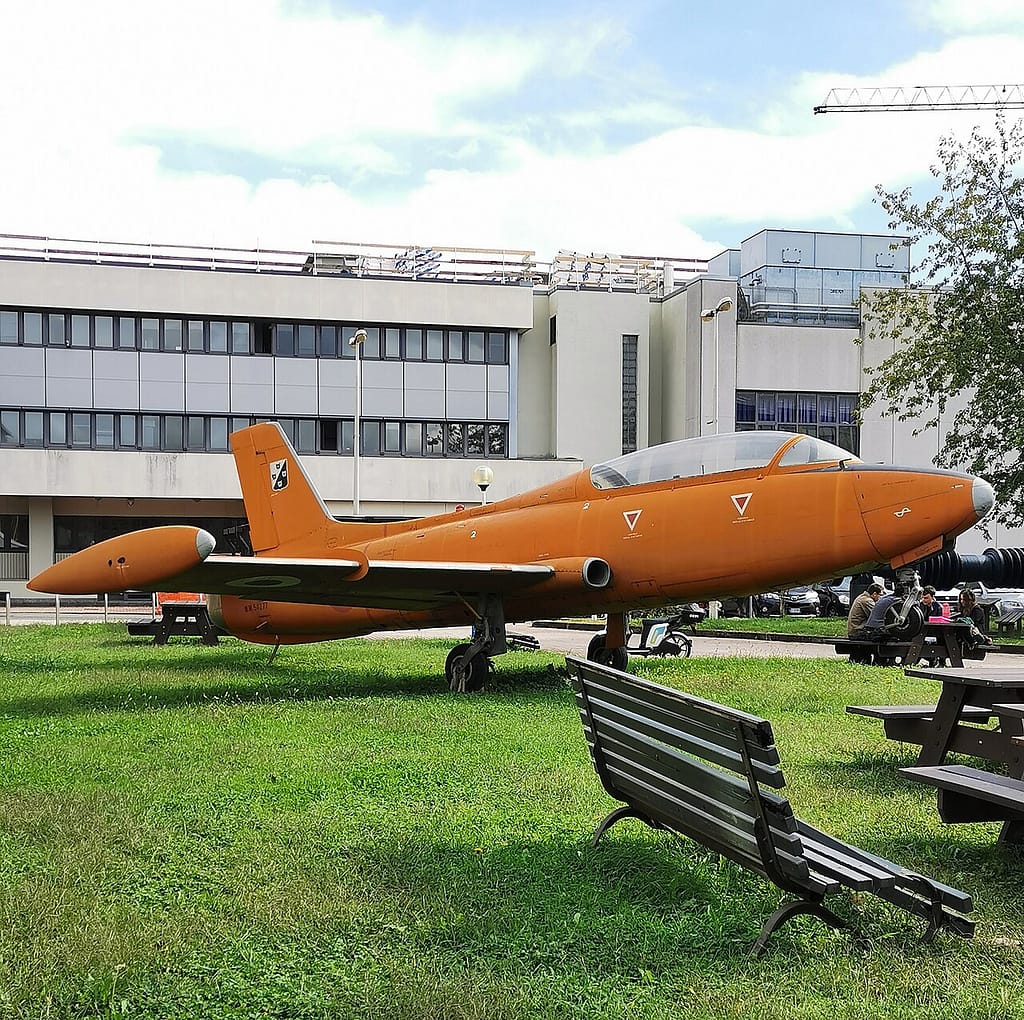
Trainer by design, fighter by demand
Licence production spread the MB-326 across the world: Aermacchi in Italy, Commonwealth Aircraft Corporation in Australia, Embraer in Brazil and Atlas Aircraft Corporation in South Africa all built it.
Though conceived as a trainer, it grew teeth. Single-seat and two-seat light attack versions were developed, most famously the MB-326K. South Africa's Atlas-built Impalas flew combat missions in the Border War, striking low and fast against opposing forces in Angola between 1975 and 1989.
It was never glamorous and never supersonic. But for sheer commercial reach, few trainers of its generation came close. The little Italian jet that Italy built because it had to became one of the most widely flown of its kind anywhere.
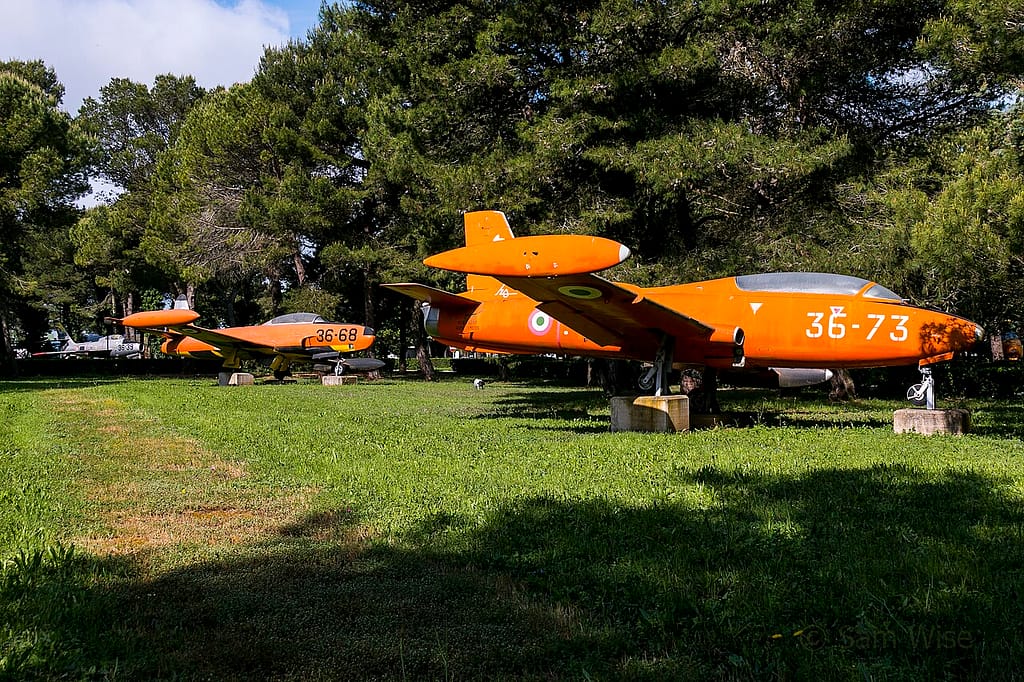
Italy’s most successful jet trainer and light-attack aircraft, in profile:
Sources: Wikipedia; Vintage Aviation News; militaryfactory.
0 Comentarios