
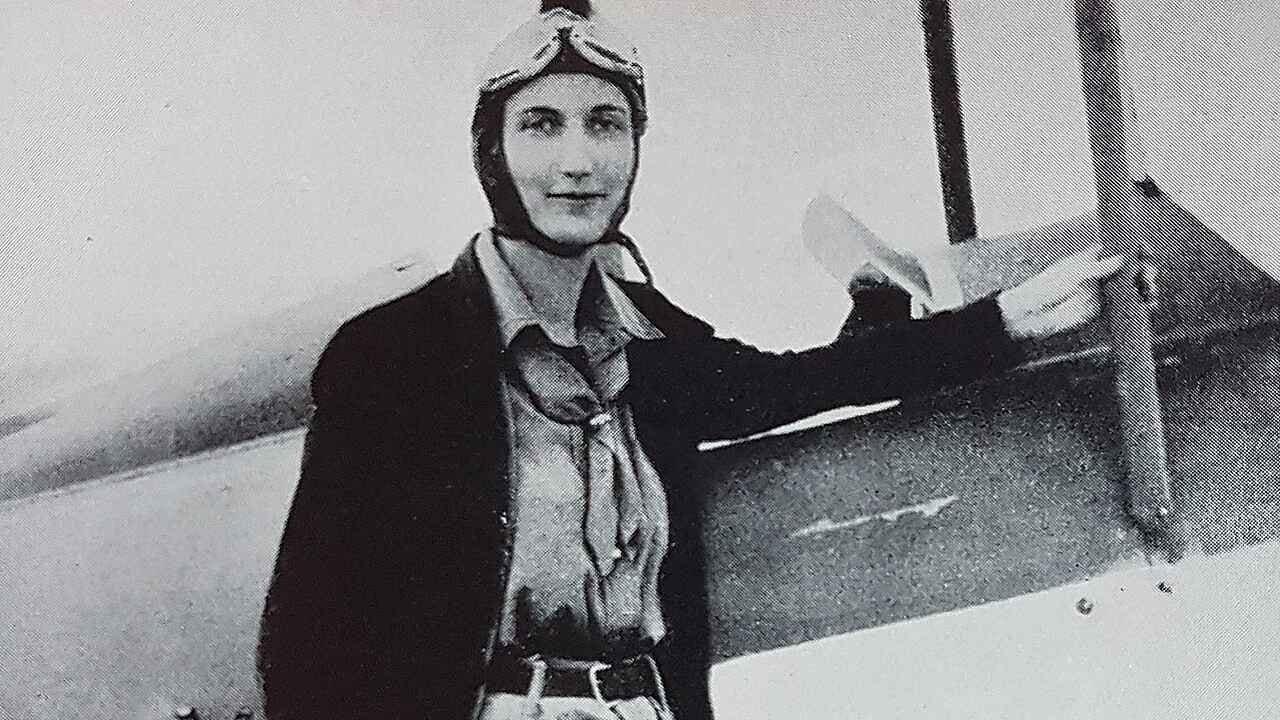
En la tarde del 4 de septiembre de 1936, un monoplano turquesa y plateado despegó de un aeródromo en Oxfordshire y se dirigió hacia el Atlántico, adentrándose en la oscuridad y el viento. A los mandos, sola, se encontraba una mujer de 33 años que jamás había sobrevolado el océano. Ante ella se extendían unos 5800 kilómetros de aguas oscuras y un viento de frente que había vencido a hombres con mayores recursos.
Su nombre era Beryl Markham, y estaba a punto de convertirse en la primera mujer en cruzar el Atlántico en solitario de este a oeste, por el camino más difícil.
Datos rápidos
- Piloto: Beryl Markham (1902–1986)
- Vuelo: 4 de septiembre de 1936, Abingdon, Inglaterra, rumbo al oeste a través del Atlántico.
- Aeronave: Percival Vega Gull VP-KCC, El Mensajero
- Duración: aproximadamente 21 horas, contra el viento predominante
- Finalizado: Aterrizaje forzoso en un pantano en Baleine Cove, Nueva Escocia, después de que se formara hielo en la salida de combustible.
- También conocida por: sus memorias Oeste con la noche (1942)
Criado en estado salvaje en Kenia.
Nació como Beryl Clutterbuck en Inglaterra en 1902, pero se forjó en África. A los cuatro años se mudó con su padre a la Kenia colonial, donde él construyó una granja de carreras de caballos cerca del Gran Valle del Rift. Creció cazando junto a los niños de la zona, y a los 17 años ya entrenaba caballos pura sangre profesionalmente. Luego encontró la libertad.
Bajo la tutela del piloto británico Tom Campbell Black, Markham aprendió a volar y comenzó a trabajar como piloto de safaris, avistando elefantes y otros animales salvajes desde el aire y comunicando sus posiciones por radio a los safaris que se realizaban en tierra. Volar sobre los vastos e inhóspitos espacios del este de África le enseñó algo que la mayoría de los pilotos nunca aprenden: cómo estar completamente sola en el cielo y mantener la calma.
Una dramatización de la vida de Markham en Kenia, basada en la película biográfica de 1988. Beryl Markham: Una sombra en el sol.
Oeste con la noche
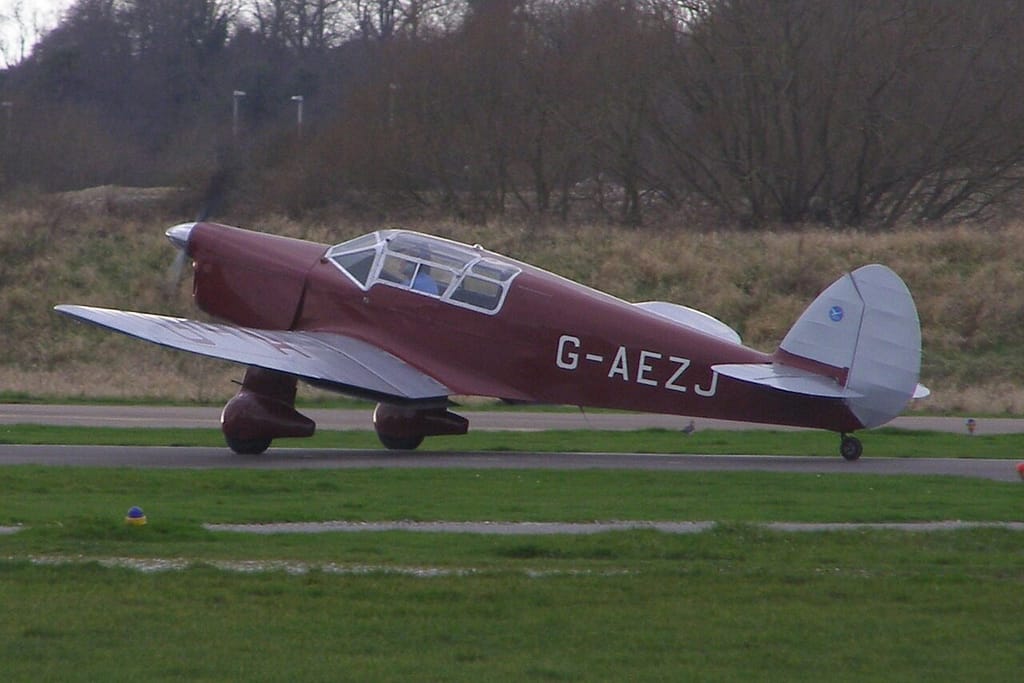
El Atlántico ya se había cruzado en avión de este a oeste, pero nunca en solitario y sin escalas desde Inglaterra, porque hacerlo implicaba luchar contra los vientos del oeste predominantes durante todo el trayecto. Markham aceptó el desafío en un Percival Vega Gull al que nombró El Mensajero, con el objetivo de llegar al Floyd Bennett Field de Nueva York.
Voló durante toda la noche y casi todo el día siguiente, unas veintiún horas sobre mar abierto. Entonces, a la vista de la costa, el hielo obstruyó las ventilaciones del tanque de combustible y dejó el motor sin combustible. El Vega Gull se estrelló de morro contra una turbera en Baleine Cove, en la isla de Cabo Bretón, Nueva Escocia. Markham salió del avión con una herida en la frente y entró en la historia. Fue la primera mujer en cruzar el Atlántico sola de este a oeste y la primera persona en volar sin escalas desde Inglaterra a Norteamérica.
El libro que Hemingway envidiaba
Seis años después, Markham convirtió su vida en prosa. Oeste con la noche, Publicado en 1942, es un libro de memorias sobre África y la huida, escrito con un lenguaje tan claro y vívido que dejó atónitos a otros escritores; sin embargo, tuvo escasas ventas y dejó de publicarse. Durante cuarenta años permaneció prácticamente en el olvido.
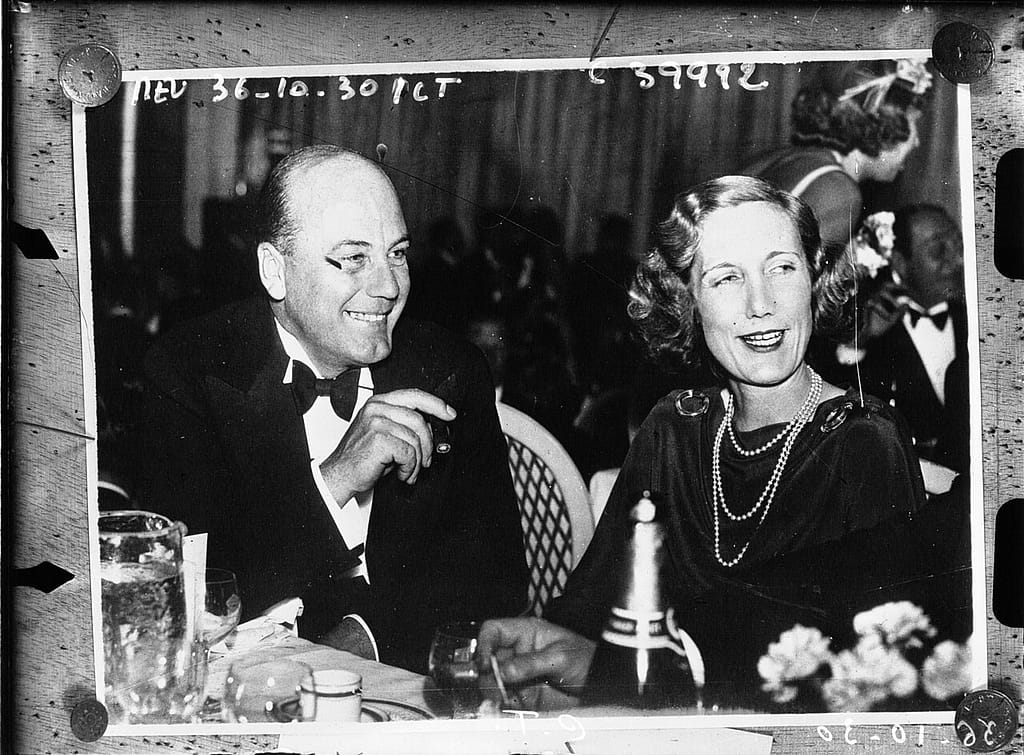
Su rescate se produjo por casualidad. En 1982, un restaurador californiano leyó una colección de cartas de Ernest Hemingway y se topó con una en la que el novelista, conocido por su exigencia, elogiaba efusivamente la escritura de Markham. Localizó el libro, le encantó y presionó a una editorial para que lo reeditara. Esta vez se convirtió en un éxito de ventas.
Un análisis de las memorias de Markham. Oeste con la noche y la escritura que Hemingway admiraba.
El horizonte más allá
Markham vivió el resto de su vida en Kenia, entrenando caballos de carreras hasta los ochenta años. Cuando el redescubrimiento de su libro la catapultó a la fama de nuevo, ya era anciana y vivía en la pobreza cerca del hipódromo de Nairobi; las regalías le permitieron terminar sus días con dignidad. Falleció en Nairobi en 1986. Hoy, un cráter en el planeta Venus lleva su nombre: un horizonte apropiado para una mujer que nunca creyó en ellos.
Un Percival Vega Gull, del tipo que pilotaba Markham, arrancando y rodando por la pista: el sonido de la máquina que la llevó a través del océano.
Fuentes: Beryl Markham (Wikipedia); West with the Night, Beryl Markham (North Point Press, 1983 [1942]); Mary S. Lovell, Directamente hasta la mañana; Un día como hoy en la aviación; Vuelo sencillo.

0 Comentarios