
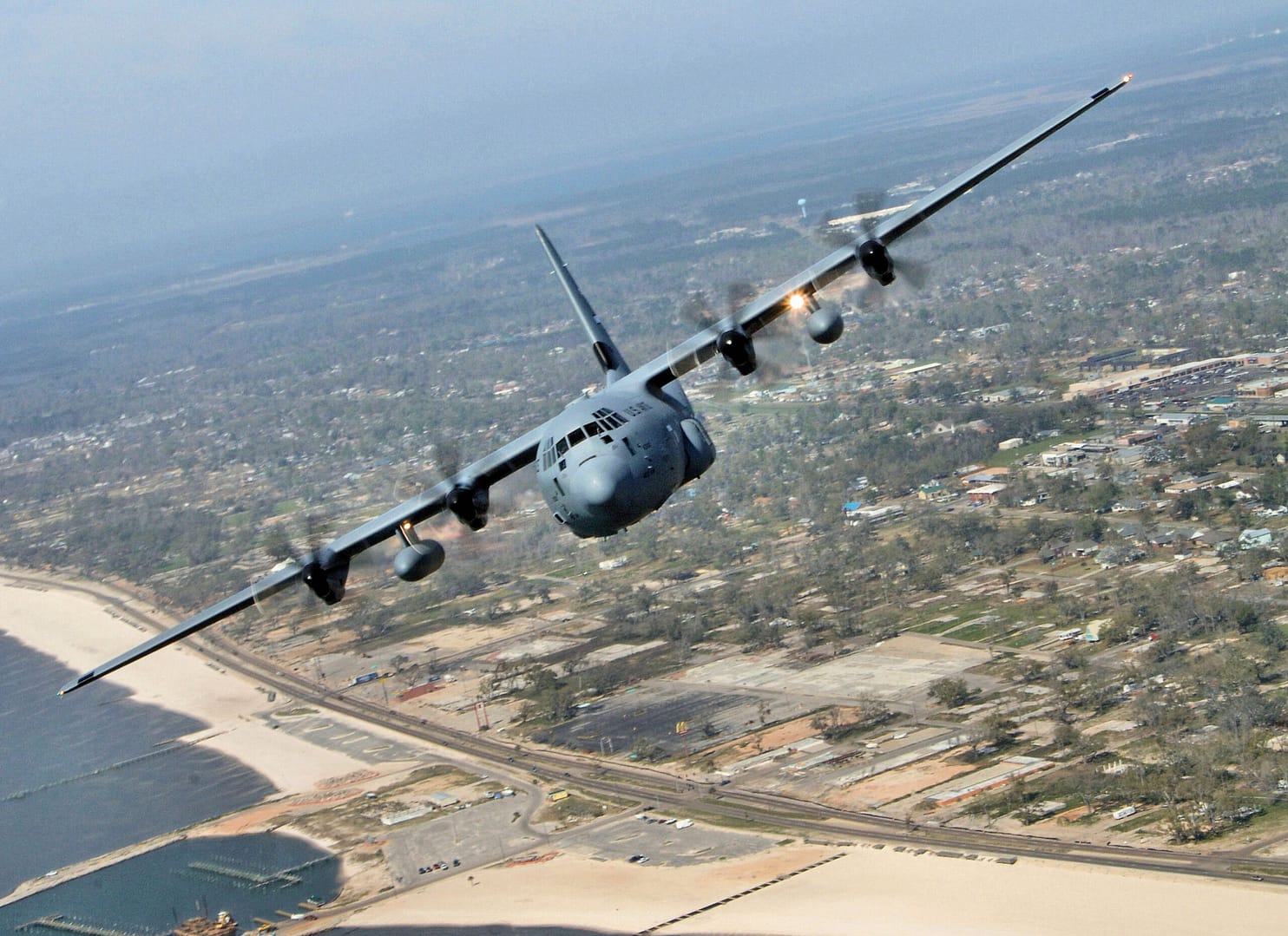
On the morning of 2 September 1958, a four-engined transport drones eastward through the clear sky near the Turkish-Soviet border. To anyone who glanced up, it is just a C-130 Hercules — an unglamorous cargo hauler. It is not. Tail number 60528 is packed with radio receivers and eleven young men trained to listen, and somewhere over the mountains of Soviet Armenia, following a radio beacon that is not the one they think it is, they cross a line they were never meant to cross.
Cuatro MiG-17 climb to meet them. Minutes later, seventeen Americans are dead in a burning field near a village called Sasnashen — and their own country will spend the next thirty-five years being unable, or unwilling, to say exactly what happened to them.
This is the story of the Cold War’s most haunting secret: the spy flights that never came home.
- Qué: the shootdown of U.S. Air Force C-130 tail number 60528 — one of many secret Cold War “ferret” reconnaissance flights
- Cuándo y dónde: 2 September 1958, over Soviet Armenia, near the village of Sasnashen
- Cómo: four Soviet MiG-17s intercepted and shot it down; all 17 Americans aboard were killed
- The crew: 6 flight crew and 11 Air Force Security Service intercept operators
- The secrecy: the mission was classified; for decades the Soviets returned only six bodies and denied knowledge of the rest
- The reckoning: in 1993 a U.S. team recovered remains in newly independent Armenia; the 17 were buried together at Arlington
The flights nobody could talk about
The men aboard 60528 were not lost on a training run, whatever their families were first led to believe. They were flying a “ferret” mission — one of the most dangerous and least-discussed jobs of the early Cold War.
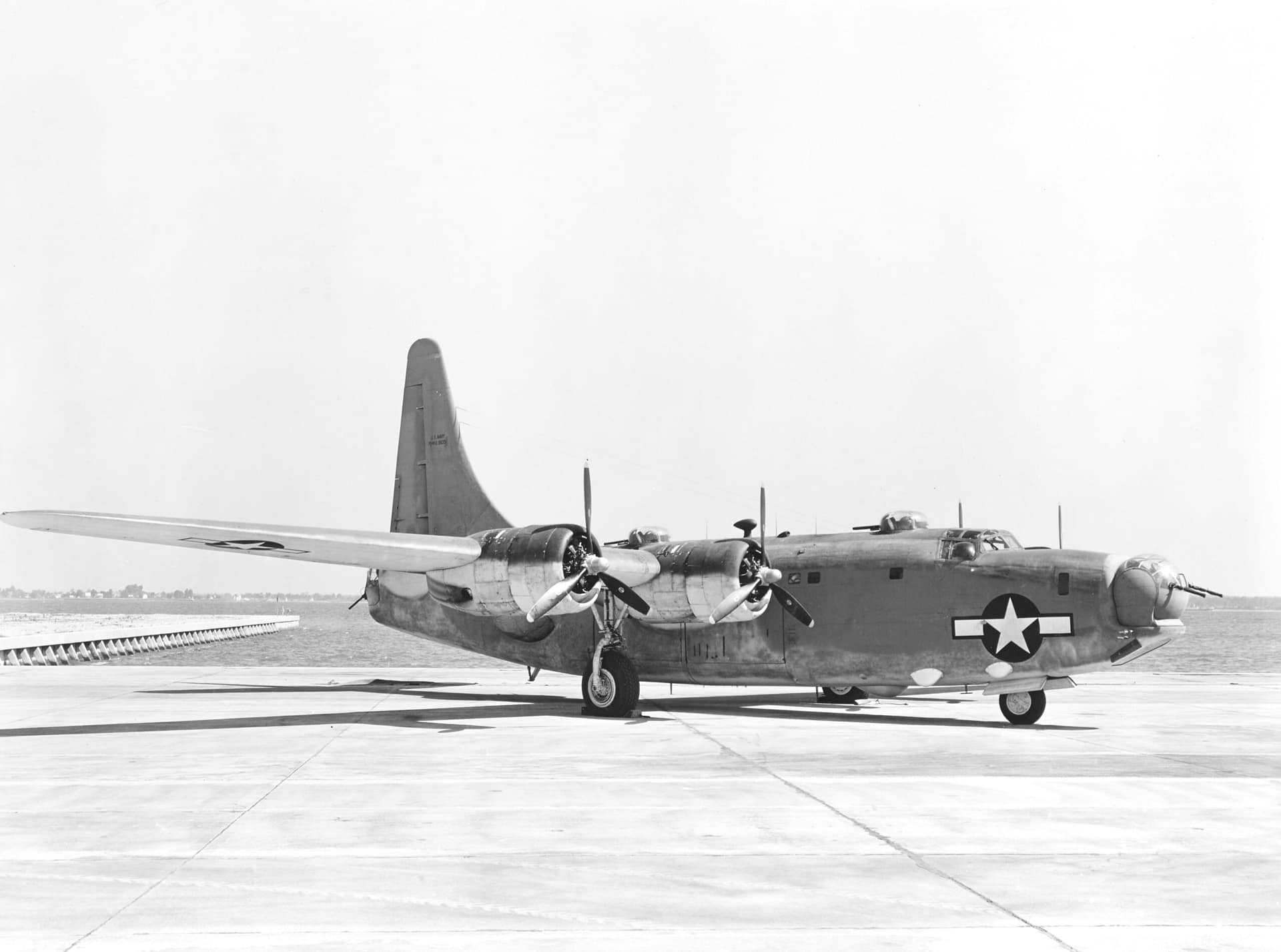
It was nerve-shredding work, and it was deadly. From the late 1940s onward, a grim procession of American reconnaissance aircraft was shot down probing the edges of the communist world — the very first was a U.S. Navy PB4Y-2 Privateer, lost with its entire crew over the Baltic in April 1950. Over the years that followed, dozens more would fall, and well over a hundred airmen would die or simply vanish.
A cover story instead of a grave
Here is the cruelty at the heart of it. Because these missions were secret, the truth had to be too. Wives and parents were handed careful, hollow explanations — an accident, a navigation error, a routine flight gone wrong — while the real circumstances stayed locked in classified files. Some families spent decades not knowing whether their son had died quickly, or been captured, or was still alive somewhere behind the Iron Curtain.
For the 60528 crew, the Soviets eventually returned six bodies and insisted, flatly, that they knew nothing about the other eleven. It was a lie — Soviet gun-camera film and intercepted radio chatter had captured the whole thing — but it was a lie that held for a generation. The eleven simply became names without graves.
The long road back
It took the collapse of the Soviet Union to break the silence. In 1993, with Armenia newly independent, a U.S. recovery team was finally allowed to dig at the crash site. They found what fire and thirty-five years had left behind, and brought it home. The seventeen men of 60528 were buried together at Arlington National Cemetery — reunited at last, decades after the moment they were lost.
Today a weathered C-130 painted with the tail number 60528 stands at Fort Meade, Maryland, in a quiet patch of ground called National Vigilance Park. It is a memorial to a kind of courage that came with no parade and, for far too long, no acknowledgement at all: the airmen who flew into the dark on missions their country could not admit existed, and the families who waited, in silence, for an answer that took a generation to arrive.
Sources: U.S. National Security Agency declassified records; Wikipedia; Smithsonian Magazine; BBC Timewatch, “Spies in the Sky” (1994).
Preguntas relacionadas
What was the 1958 C-130 shootdown?
On 2 September 1958, a U.S. Air Force C-130 (tail number 60528) flying a signals-intelligence mission near the Turkish-Soviet border strayed into Soviet airspace over Armenia and was shot down by four Soviet MiG-17 fighters. All 17 Americans on board were killed. It became one of the most infamous losses of the Cold War's secret reconnaissance campaign.
What were Cold War 'ferret' flights?
Ferret flights were reconnaissance missions in which aircraft flew close to — and sometimes deliberately into — Soviet, Chinese and other hostile airspace to provoke enemy radar and radio systems into switching on, so intelligence crews aboard could record and map those defences. Dozens of such aircraft were shot down between the late 1940s and the 1960s.
Why didn't the families learn the truth?
Because the missions were highly classified. Governments could not publicly admit they were flying intelligence-gathering aircraft along the Soviet frontier, so grieving families were often given vague or misleading explanations — a 'training flight,' a navigation error, an accident. Many waited decades for the real story, and some details remain disputed even now.
How many aircrew were lost on these missions?
Across the Cold War, a large number of American reconnaissance crew members were killed or went missing on these flights, and many were never recovered. The exact toll is hard to pin down because so much was classified for so long, but it runs to well over a hundred airmen across numerous incidents.
What happened to the C-130 60528 crew?
Initially only a handful of remains were recovered, and for decades the Soviet Union denied knowledge of the rest. After the USSR collapsed, a U.S. team excavated the crash site in independent Armenia in 1993 and recovered further remains. The 17 crew members were buried together at Arlington National Cemetery, and a memorial C-130 bearing tail number 60528 now stands at Fort Meade, Maryland.
0 Comentarios