
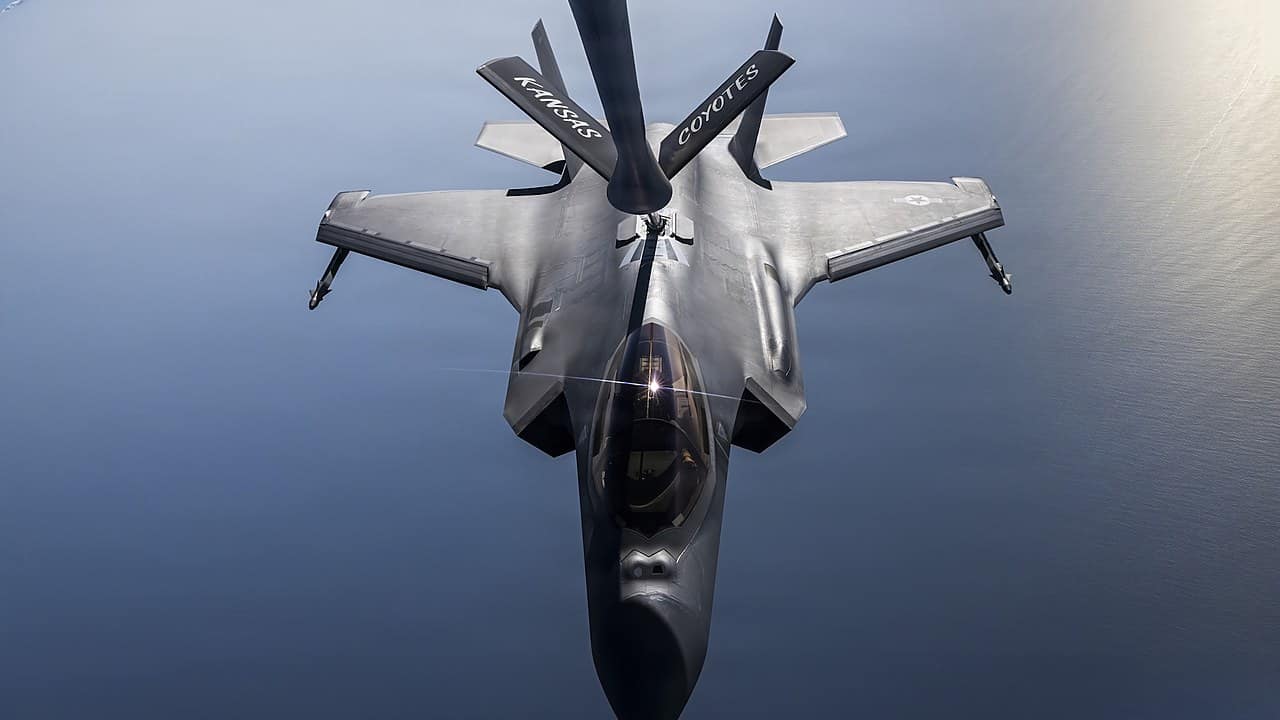
Eighty targets. One night. That is CENTCOM's answer to Iran shooting at oil tankers again.
Overnight into Wednesday, US forces worked their way down a target list across southern Iran: air defense systems, command-and-control networks, coastal radar sites, anti-ship missile batteries, and, in CENTCOM's telling, more than 60 Islamic Revolutionary Guard Corps small boats in and near the Strait of Hormuz. The command says the point is simple: degrade Iran's ability to keep attacking commercial shipping in one of the world's busiest waterways.
Iranian state media reported strings of explosions in the port city of Sirik, in Bandar Abbas and on Qeshm Island, all perched along the strait. Al Jazeera's correspondent in Tehran counted at least six blasts reported on Qeshm and up to nine around Sirik's commercial and fishing wharves. CENTCOM later declared the round complete, adding that its forces "remain postured and prepared to hold Iran accountable."
Datos rápidos
- CENTCOM says it hit more than 80 targets in southern Iran with precision munitions overnight 7–8 July 2026
- Targets included air defenses, command-and-control, coastal radars, anti-ship missile sites and over 60 IRGC small boats
- The strikes answer 7 July attacks on three tankers: the Qatari-owned LNG carrier Al Rekayyat, the Saudi-flagged Wedyan and the Liberia-flagged Cyprus Prosperity
- Al Rekayyat's crew radioed a mayday after a fire broke out atop its engine room; all crew reported safe
- Trump ordered the strikes from the NATO summit in Ankara; the US Treasury revoked Iran's oil-export license, with sanctions snapping back on 17 July
- Iran's military command vows a "crushing response"; US crude futures rose 2.7 percent to $72.40
Three Tankers in 24 Hours
The trigger came Monday night and Tuesday. Per UK Maritime Trade Operations, a tanker southbound about eight nautical miles east of Limah, Oman, took a hit on its port side and caught fire. Reuters, citing maritime security sources, identified her as Al Rekayyat, a Qatari-owned LNG carrier operated by Nakilat. Her captain's mayday call, reviewed by Reuters, is chilling in its brevity: "Mayday, mayday, mayday. This is vessel Al Rekayyat... We are being hit by drone on port side, top of engine room." The crew got off safely, though one source told Reuters there were fears the burning gas carrier could explode.
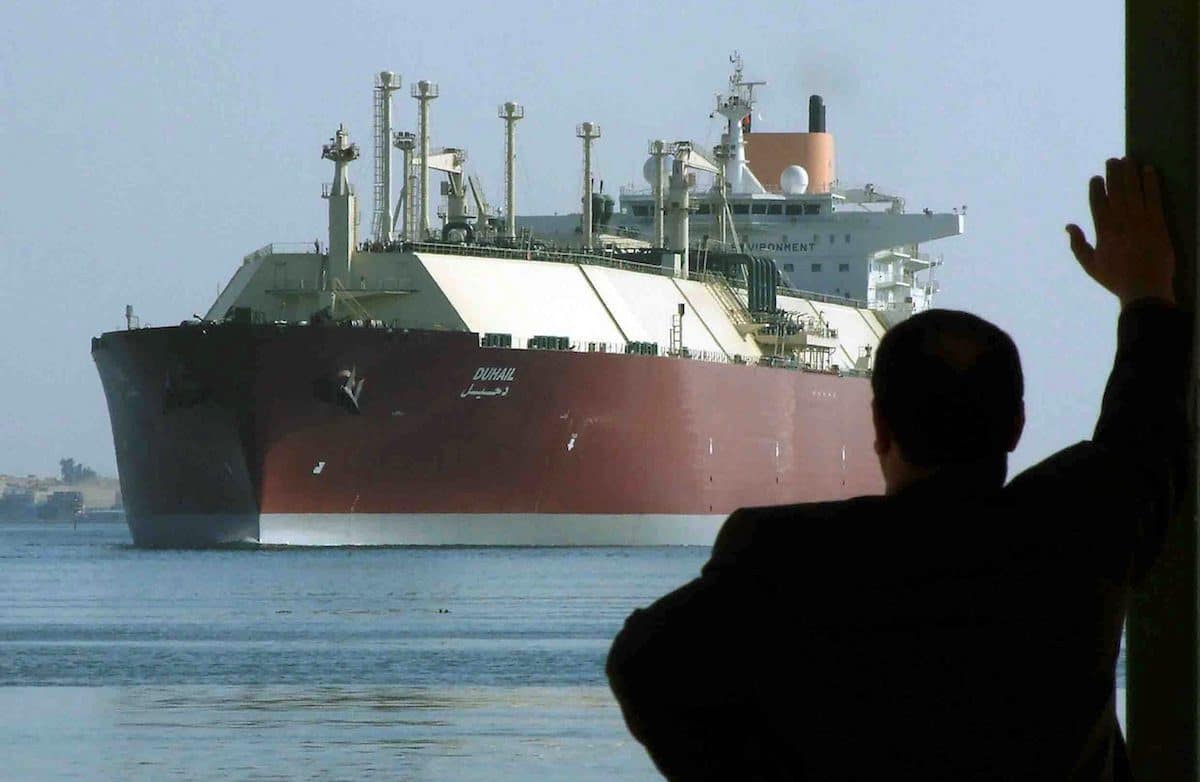
Ship two was Wedyan, a Saudi-flagged supertanker owned by Bahri, damaged off Oman. Ship three, which CENTCOM identifies as the Liberia-flagged Cyprus Prosperity, was struck by a drone on Tuesday and kept sailing with minor damage. That made three attacked vessels in 24 hours, and the coalition-backed Joint Maritime Information Center raised its threat assessment for the strait to "Severe."
Who did it? US officials told Reuters that preliminary indications point to Iranian forces, and CENTCOM flatly blames Tehran. Iran has neither confirmed nor denied the attacks; its state TV said the LNG tanker had ignored warnings to stay off the southern route along Oman's coast, which Washington favors and Tehran rejects. Iran's foreign ministry calls the accusations "questionable." Readers can weigh a mayday call against a shrug.
Approved Between NATO Courses
President Trump signed off on the strikes from the NATO summit in Ankara, and CNN reports the attack order went out shortly after he left a leaders' dinner hosted by Turkish President Recep Tayyip Erdogan. By Wednesday morning he was declaring the ceasefire deal with Tehran "over," telling reporters that dealing with Iran is a "waste of time." NATO chief Mark Rutte, for his part, backed the operation on the record.

The bombs were only half the response. The Treasury Department on Tuesday revoked the license, issued after June's memorandum of understanding, that had allowed Iran to produce, sell and deliver crude oil through August 21. Al Jazeera reports the reimposed sanctions take full effect on July 17. Attack tankers, lose your tanker trade; there is a certain symmetry to it.
Markets noticed. US crude futures climbed 2.7 percent to $72.40 a barrel as traders priced in another round of Gulf brinkmanship, according to Reuters.
Tehran Promises a "Crushing Response"
Iran's reaction arrived on schedule and at full volume. The Khatam al-Anbiya Central Headquarters, Iran's top joint military command, condemned the strikes as a "blatant act of aggression" and promised a "crushing response," insisting the only safe passage through Hormuz is the route Iran designates. Deputy Foreign Minister Kazem Gharibabadi says the oil-license revocation and the strikes violate Articles 1, 2 and 10 of the memorandum of understanding signed on June 17. Parliament Speaker Mohammad Bagher Ghalibaf kept it punchier on X: "The era of bullying and extortion is over. It leads nowhere. We don't fold."
There is a real dispute over what got hit. Iran's state broadcaster IRIB claims most of the US strikes targeted civilian areas and reported several people wounded by shrapnel at a commercial dock in Sirik. Iran's own IRNA news agency, citing the Hormozgan governor's office, said no civilian casualties had been reported. CENTCOM says every aim point was military. None of these accounts can be independently verified.
The timing carries its own charge: the strikes landed while Iran is midway through the week-long funeral for Ayatollah Ali Khamenei, the supreme leader killed on the war's opening day in February. Hours after the last bomb fell, air raid sirens were sounding in Bahrain and Kuwait as Iran launched its counterpunch. That story is still developing, and the fragile deal that was supposed to end this war looks shakier by the hour.
Sources: Al Jazeera, Reuters, Euronews, CNN, gCaptain, CBS News
Preguntas relacionadas
What did the US strike in Iran in the July 2026 operation?
US Central Command (CENTCOM) said it struck about 80 targets across southern Iran overnight, including air-defence systems, command-and-control networks, coastal radar sites, anti-ship missile batteries, and more than 60 Islamic Revolutionary Guard Corps small boats near the Strait of Hormuz. CENTCOM said the aim was to degrade Iran's ability to attack commercial shipping.
What triggered the US strikes on Iran?
According to the report, the strikes followed attacks on three tankers within 24 hours in and around the Gulf. UK Maritime Trade Operations and Reuters described a Qatari-owned LNG carrier, the Al Rekayyat, hit by a drone and set on fire, plus the Saudi-flagged Wedyan and a third vessel, attacks that the US attributed to Iran.
¿Por qué el estrecho de Ormuz es estratégicamente importante?
The Strait of Hormuz is one of the world's busiest and most critical waterways, a narrow chokepoint through which a large share of global seaborne oil and gas passes. Attacks on tankers there ripple through energy markets; US crude futures rose 2.7% to $72.40 after the reported strikes, which is why threats to shipping draw a rapid military response.
How did Iran respond to the US strikes?
Iran's military command vowed a crushing response, and Iranian state media reported explosions in the port city of Sirik, in Bandar Abbas and on Qeshm Island along the strait. The exchange of strikes and counter-threats echoed earlier rounds of confrontation, such as when Iran answered American strikes at dawn.
Have US and Iranian forces clashed like this before?
Yes. US and Iranian tensions have repeatedly flared into direct action, including Iranian missile strikes on US bases across the Gulf, covered in Iran Strikes Back. The Strait of Hormuz has also seen tragedy before, such as the 1988 Iran Air Flight 655 shoot-down by a US warship.


0 Comentarios