
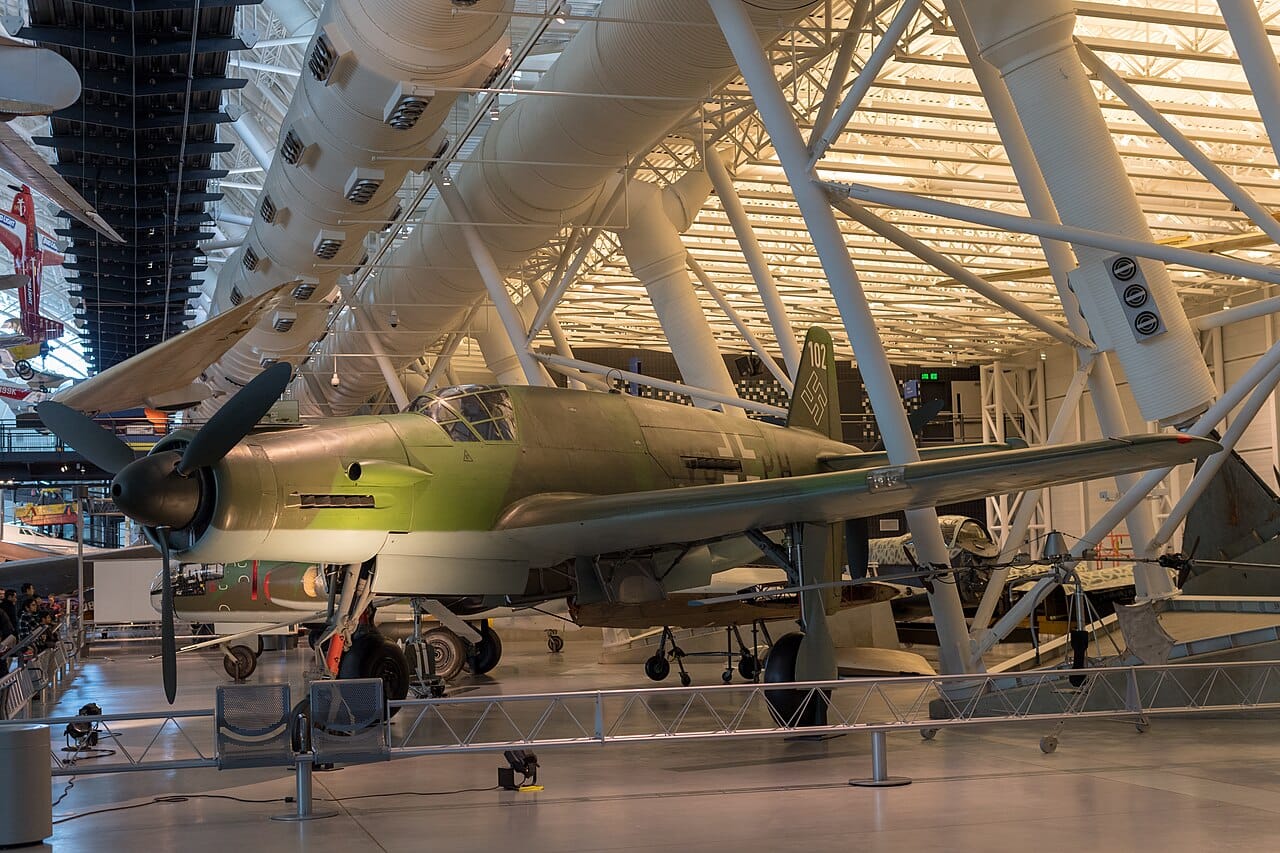
Al acercarse al Dornier Do 335, algo parece extraño. Tiene una hélice en el morro, como es de esperar, y luego una segunda hélice en la cola, girando tras la aleta. Los alemanes lo llamaban Pfeil, la Flecha. Fue el caza con motor de pistón más rápido que jamás construyó el Tercer Reich, y uno de los más rápidos que el mundo haya visto.
Además, fue una de las máquinas de aspecto más extraño de la guerra, y llegó demasiado tarde como para tener alguna importancia.
| Aeronave | Dornier Do 335 Pfeil (“Flecha”) |
| Disposición | Accionamiento push-pull: un motor en la parte delantera y otro en la trasera. |
| Motores | Dos motores Daimler-Benz DB 603, de aproximadamente 1750 CV cada uno. |
| Velocidad máxima | Se afirma que alcanza aproximadamente 765 km/h (474 mph) en vuelo horizontal. |
| Construido | Aproximadamente una docena se completaron antes del final de la guerra. |
Dos motores, una línea recta
La mayoría de los cazas bimotores montan sus motores en las alas, lo que se traduce en una mayor resistencia aerodinámica y un manejo muy difícil si falla un motor. Dornier optó por un enfoque diferente. Colocó un Daimler-Benz DB 603 en el morro, accionando una hélice tractora convencional, y un segundo DB 603 integrado en el fuselaje, detrás de la cabina, accionando una hélice propulsora en la cola mediante un eje largo. Ambos motores se ubicaban en el eje central del avión.
La ventaja radicaba en su aerodinámica. La potencia de dos motores —unos 3500 caballos de fuerza combinados— con la superficie frontal de un caza monomotor. Los alemanes afirmaban alcanzar una velocidad horizontal de unos 765 km/h (474 mph), superior al récord mundial oficial de la época, y una tasa de ascenso de aproximadamente 20 metros por segundo. Para un caza de pistón, estas cifras eran extraordinarias.
El problema de tener una hélice detrás de ti
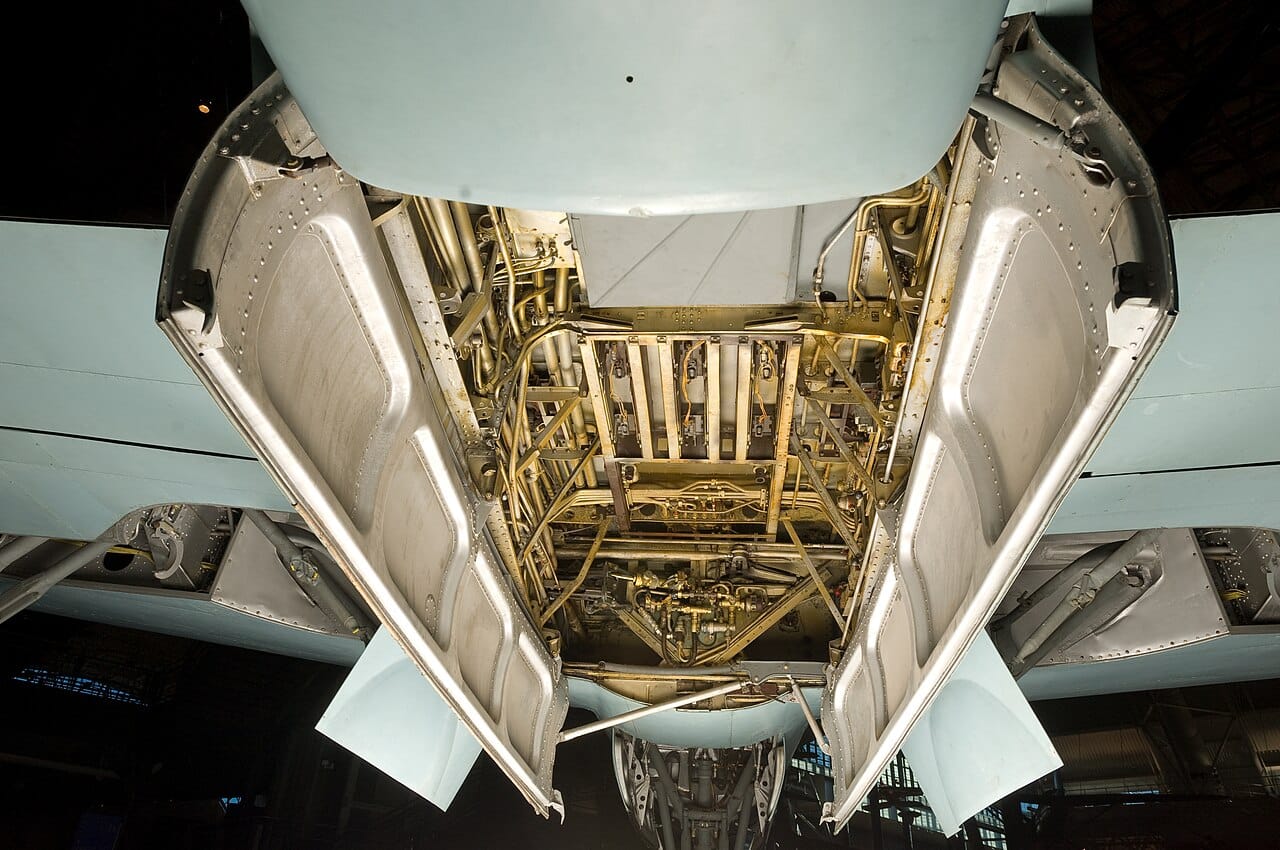
Una hélice propulsora en la cola solucionó un problema, pero creó otro. Si te eyectas de un caza convencional, sales ileso; si lo haces de la misma manera en un Do 335, la hélice trasera te mataría. La solución de Dornier fue un pragmatismo de ingeniería puro: antes de eyectarse, el piloto podía desprenderse tanto de la hélice trasera como de la aleta de cola superior mediante pernos explosivos, y el avión contaba con uno de los primeros asientos eyectables instalados en un caza de producción. Este detalle demuestra la seriedad con la que se tomó el diseño.
Lo que derrotó al Pfeil no fue su ingeniería, sino el calendario. Su primer vuelo tuvo lugar en 1943, pero el desarrollo se prolongó y las entregas no comenzaron hasta enero de 1945. Para cuando las tropas estadounidenses tomaron la planta de Dornier en Oberpfaffenhofen en abril de ese año, solo se habían terminado unos once cazas monoplaza y un par de aviones de entrenamiento biplaza. El Arrow nunca llegó al combate en cantidad suficiente.
El que se escapó... y el que sobrevivió
Sin embargo, dejó huella. En abril de 1945, el as francés Pierre Clostermann, al mando de una formación de Hawker Tempest sobre el norte de Alemania, avistó un avión desconocido que volaba a baja altura. Coincidía con la silueta del Pfeil, y era demasiado rápido para perseguirlo; el Tempest, que ya de por sí era muy ágil a baja altitud, no pudo alcanzarlo. Tras la guerra, el legendario piloto de pruebas británico Eric "Winkle" Brown voló un ejemplar capturado y quedó impresionado por la velocidad y la maniobrabilidad del gran caza.
Hoy en día, solo sobrevive un Do 335 en todo el mundo: el fuselaje número 240102, el avión que aparece en estas fotografías, tomadas en abril de 1945 y conservado actualmente en el Centro Udvar-Hazy del Instituto Smithsoniano, en las afueras de Washington. Es el último ejemplar de un diseño que, en definitiva, resultó ser una pequeña obra maestra entregada a la guerra equivocada en el momento equivocado.
Fuentes: Museo Nacional del Aire y el Espacio Smithsonian; Pierre Clostermann, El gran espectáculo; Eric Brown, Alas de la Luftwaffe.
Preguntas relacionadas
¿Qué era el Dornier Do 335 Pfeil?
El Dornier Do 335 Pfeil (Flecha) fue un caza pesado alemán de la Segunda Guerra Mundial y el avión de motor de pistón más rápido jamás construido por el Tercer Reich. Su inusual configuración de motor de empuje-tracción, con un motor en el morro y otro en la cola, le proporcionaba una velocidad en línea recta excepcional. Realizó su primer vuelo en 1943, pero llegó demasiado tarde para influir en el curso de la guerra.
¿Por qué el Do 335 tenía dos hélices?
El Do 335 utilizaba una configuración de hélices de empuje-tracción: un motor Daimler-Benz DB 603 impulsaba una hélice convencional en el morro y un segundo DB 603 impulsaba una hélice propulsora en la cola. Al colocar ambos motores en el eje central, en lugar de en las alas, se reducía la resistencia aerodinámica y se evitaban los peligrosos problemas de manejo que afectaban a los cazas bimotores convencionales cuando fallaba un motor.
¿Qué velocidad tenía el Dornier Do 335?
El Dornier Do 335 alcanzó una velocidad máxima declarada de unos 765 km/h (474 mph) en vuelo horizontal, lo que lo convirtió en el caza de pistón más rápido producido en Alemania. Sus dos motores DB 603, de aproximadamente 1750 hp cada uno, y su configuración aerodinámica de baja resistencia le otorgaron un rendimiento superior al de los cazas aliados. Un ejemplar capturado impresionó posteriormente al piloto de pruebas británico Eric 'Winkle' Brown.
¿Cuántos Dornier Do 335 se fabricaron?
Muy pocos. El desarrollo se prolongó tras el primer vuelo en 1943, y las entregas no comenzaron hasta enero de 1945. Para cuando las tropas estadounidenses tomaron la planta de Dornier en Oberpfaffenhofen en abril de ese año, solo se habían completado unos once cazas monoplaza y dos aviones de entrenamiento biplaza. El Arrow nunca llegó a entrar en servicio en primera línea en cantidades significativas.
¿Tenía el Do 335 asiento eyectable?
Sí. El Do 335 contaba con uno de los primeros asientos eyectables instalados en un caza de producción, una necesidad ya que un salto en paracaídas normal conllevaba el riesgo de que el piloto impactara contra la hélice trasera. Antes de saltar, el piloto podía desprenderse tanto de la hélice trasera como de la aleta de cola superior mediante pernos explosivos y, posteriormente, eyectarse fuera de la aeronave.
¿Por qué el Do 335 nunca entró en combate en grandes cantidades?
El Do 335 fue derrotado por el calendario, no por su ingeniería. Voló por primera vez en 1943, pero los retrasos en el desarrollo significaron que las entregas no comenzaron hasta enero de 1945, y apenas una docena se terminaron antes de que terminara la guerra. Los cazas alemanes de finales de la guerra, como el propulsado por cohetes Yo 163 Komet, Esto reflejaba cada vez más la desesperación más que una estrategia aérea coherente.
¿Queda algún Dornier Do 335 en pie?
Solo sobrevive un Do 335 en todo el mundo: el fuselaje número 240102, capturado en abril de 1945 y conservado actualmente en el Centro Steven F. Udvar-Hazy del Instituto Smithsoniano, en las afueras de Washington, D.C. Es el único ejemplar que queda de un diseño a menudo descrito como una pequeña obra maestra entregada a la guerra equivocada en el momento equivocado.
¿Qué otros cazas avanzados construyó Alemania al final de la Segunda Guerra Mundial?
Alemania desplegó varios diseños radicales en sus últimos años, impulsada por la desesperación y la disminución de los recursos. Junto al Do 335 llegó el cohete propulsado Yo 163 Komet interceptor y el construido apresuradamente Heinkel He 162 Volksjäger, un caza a reacción diseñado en semanas y pensado para ser pilotado por pilotos con escaso entrenamiento. La mayoría llegó demasiado tarde para cambiar el resultado de la guerra.
0 Comentarios